


Deck & Commander Strategies

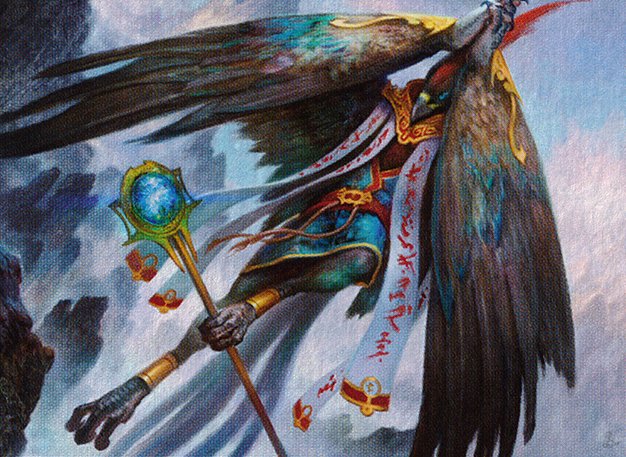
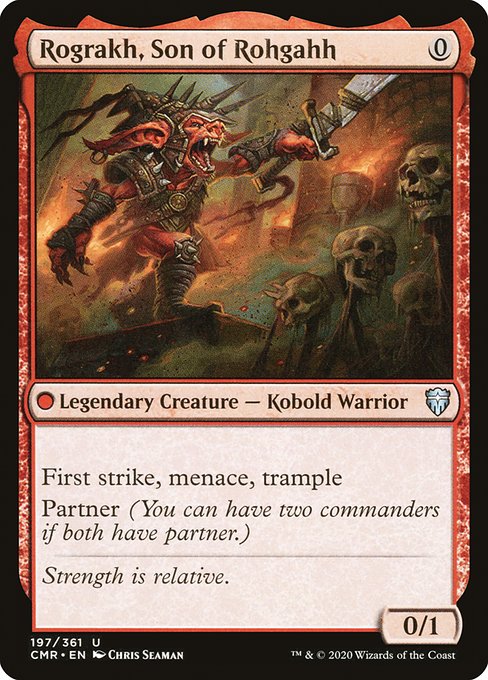
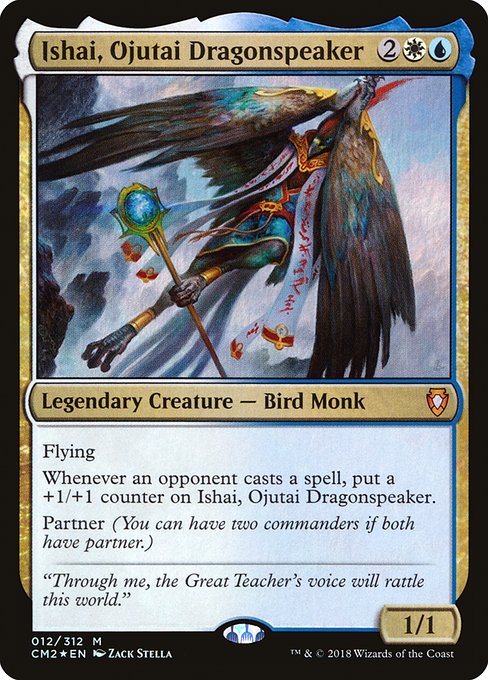
Rograkh, Son of Rohgahh // Ishai, Ojutai Dragonspeaker
A Rogue tribal and counters-focused build that aims to build Ishai's power through combat damage while controlling the game with disruption like Mindbreak Trap.
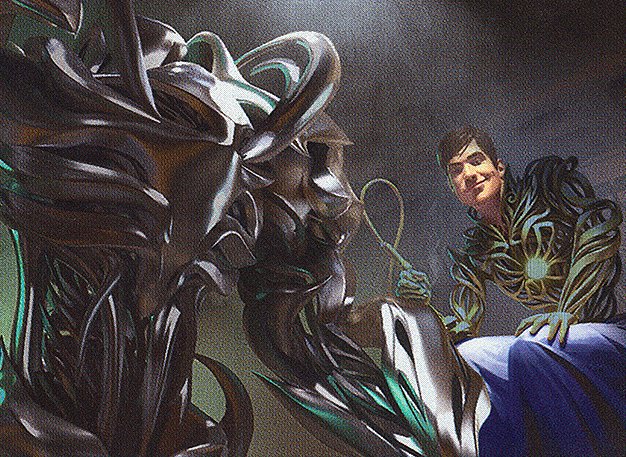
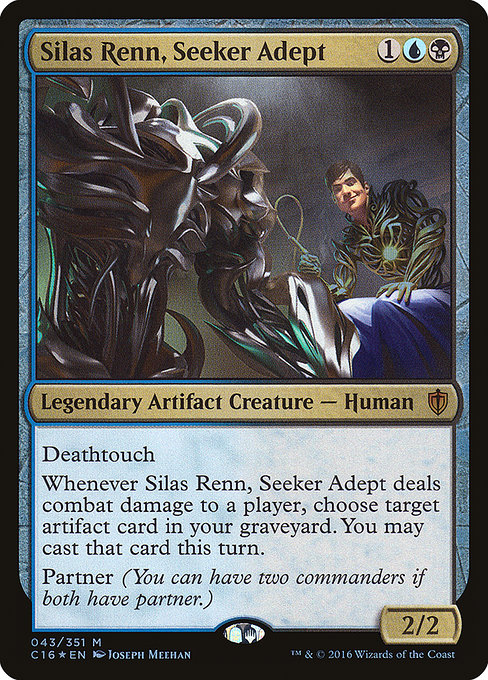
Silas Renn, Seeker Adept
An artifact-centric deck that uses Silas's ability to recur key artifacts for value and combo potential, often leveraging tutors and artifact synergies.

Eshki, Temur's Roar
A Temur-colored deck that focuses on generating treasures and copying creatures or spells for value, aiming to build a strong board presence and multiple value engines.

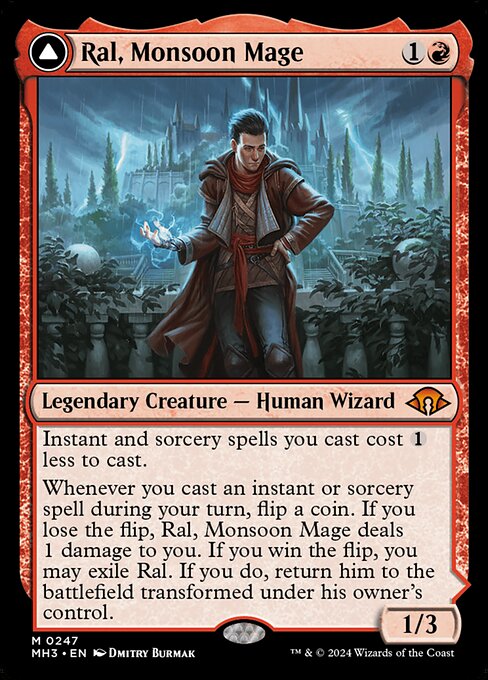
Ral, Monsoon Mage // Ral, Leyline Prodigy
A spellslinger deck that uses Ral's prowess to cast multiple instants and sorceries per turn, supported by rituals and mana rocks to ramp quickly and control the board with counterspells and burn.
Gameplay Insights
- 1
A high-risk gamble on land drops early in the game paid off, allowing for faster mana development.
- 2
Players carefully managed information, keeping key spells hidden to maintain strategic uncertainty.
- 3
Use of Mindbreak Trap was a deterrent that influenced opponent spellcasting decisions.
- 4
Denying treasure generation from Ragavan was a tactical move to hinder the opponent's mana acceleration.
- 5
Necropotence usage was a pivotal element, with players attempting to disrupt or capitalize on its effects.
- 6
Tutoring for combo or value pieces was done cautiously, often accompanied by political plays to avoid becoming a target.
- 7
The sequencing of spells and resource use was critical, with players debating optimal timing for casting and holding spells.
Notable Cards
-
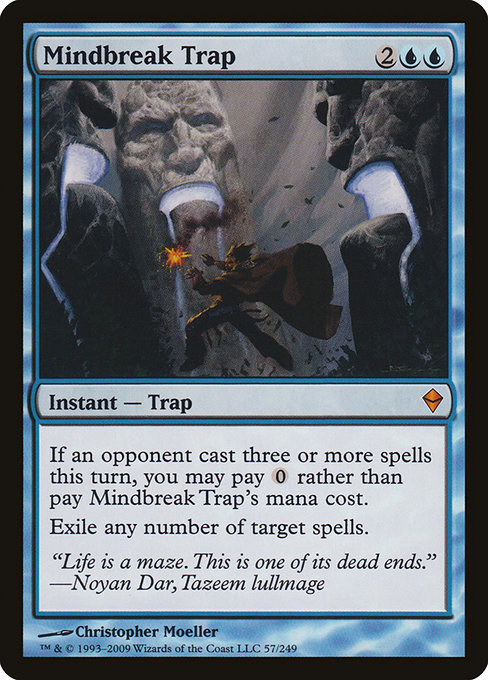
Mindbreak Trap
-
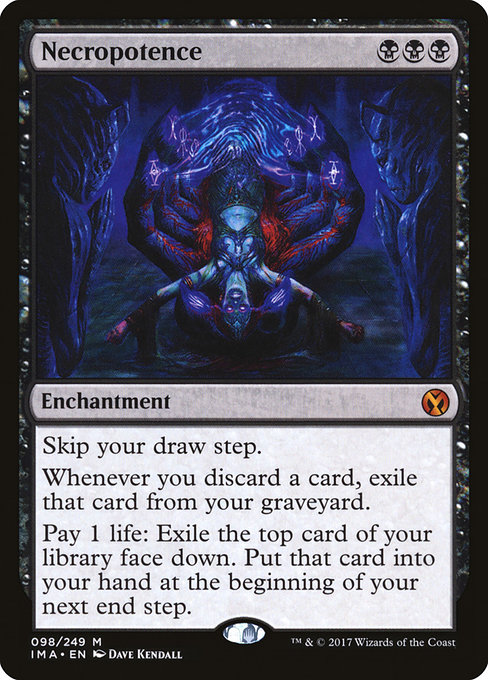
Necropotence
-
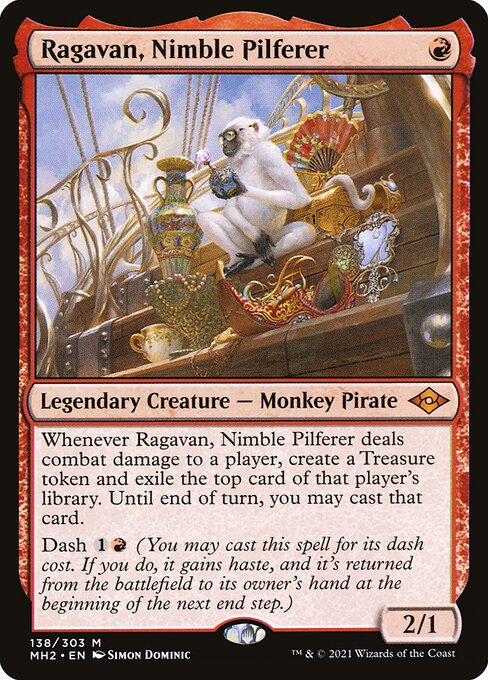
Ragavan, Nimble Pilferer
-
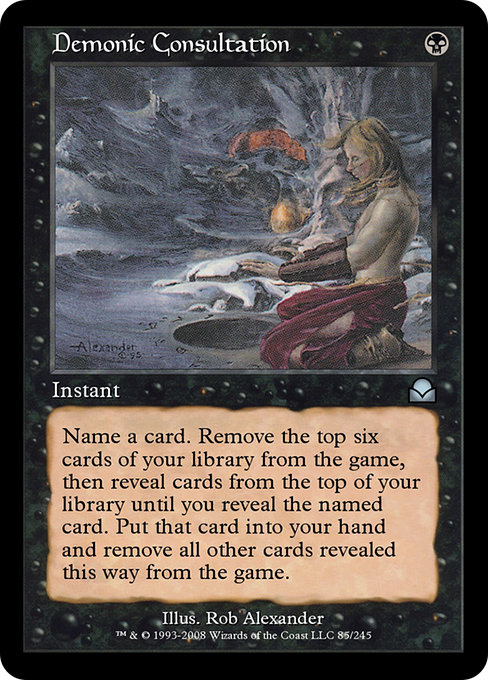
Demonic Consultation
-
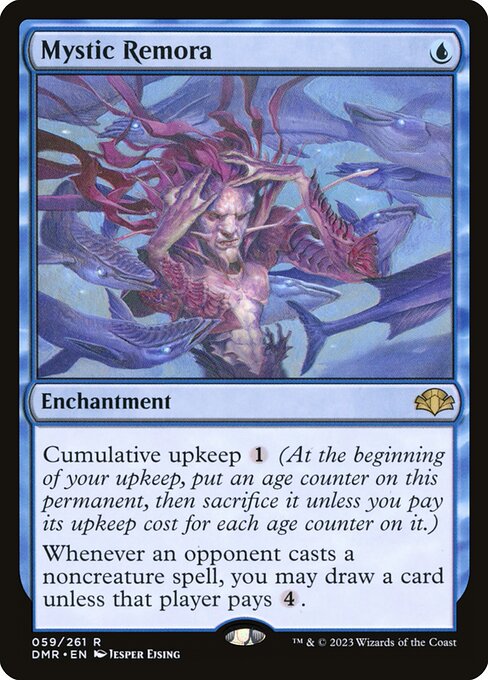
Mystic Remora
Gameplay Summary
The game featured a competitive four-player Commander match with Rograkh/Ishai, Silas Renn, Eshki, and Ral piloted by different players.
Early turns involved some risky plays, including a gamble with land drops and discard choices, which ultimately paid off.
The players navigated through multiple interactions with key spells like Mindbreak Trap and Necropotence, alongside ritual accelerations and treasure generation.
Ral Monsoon Mage showed a strong presence with mana rocks and rituals enabling multiple spell casts per turn.
Political tension was evident as players negotiated and withheld information, carefully managing resources to avoid becoming targets.
The game progressed with players leveraging their commanders’ abilities, such as Eshki's potential for copying and recursion and Silas Renn's artifact synergy.
Notable moments included a treasure denial attempt to hinder Necropotence usage and strategic use of tutors and counterspells to maintain board control.
The match was characterized by careful resource management, incremental board development, and the looming threat of combo or value-based win conditions, though no single player decisively closed the game within the observed segment.




![Tarkir: Dragonstorm PACK TACTICS ft. Teval, Felothar, Eshki, Zurgo [ EDH / Commander Gameplay ] thumbnail](https://i.ytimg.com/vi/hZuA4Kdlt04/sddefault.jpg)


