
Deck & Commander Strategies

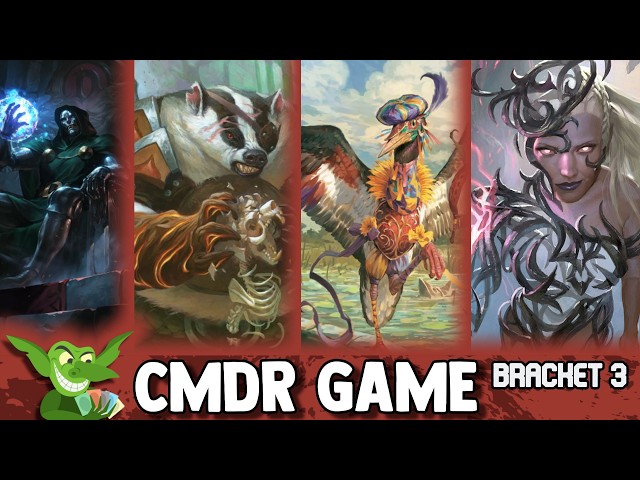
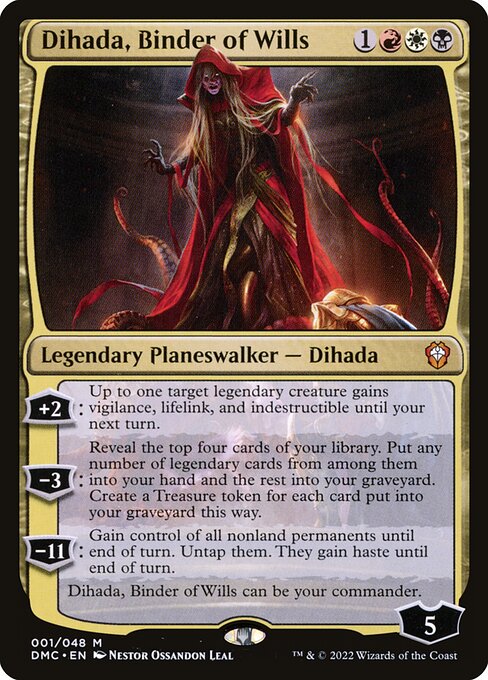
Dihada, Binder of Wills
Utilizes milling and treasure token generation to fuel recursion engines and powerful creatures like Overlord of the Baleful, leveraging value from graveyard interactions and card draw.

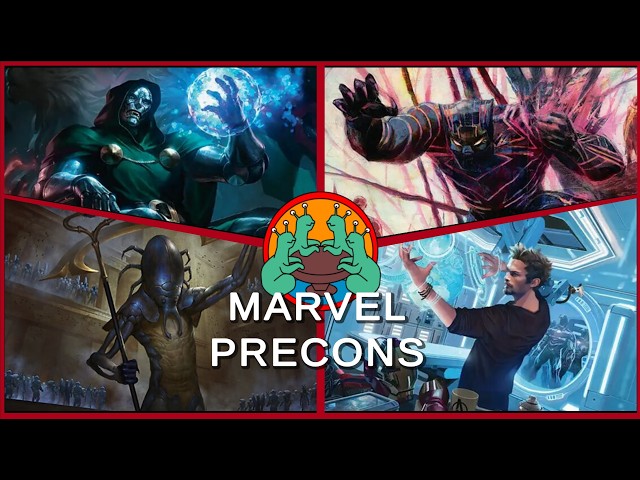
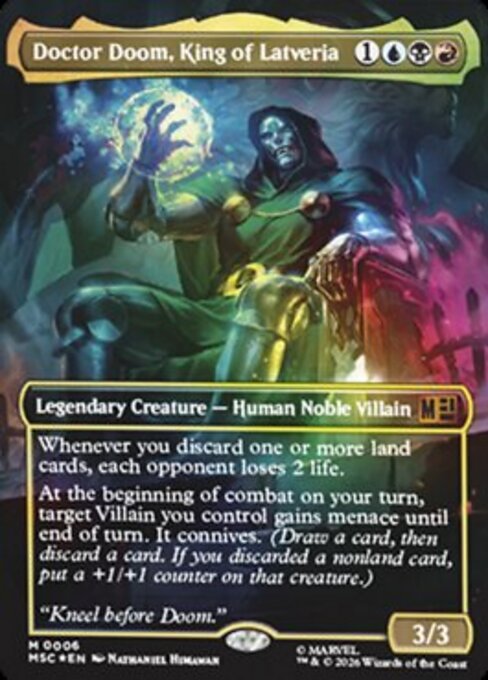
Doctor Doom, King of Latveria
Employs discard effects combined with treasure token generation and powerful Eldrazi threats such as Emrakul to control opponents’ hands and deal incremental damage.

Ultron, Artificial Malevolence
Focuses on artifact synergy, manifesting cards, and copying utility creatures to apply pressure and generate incremental advantage through artifact-based combos.
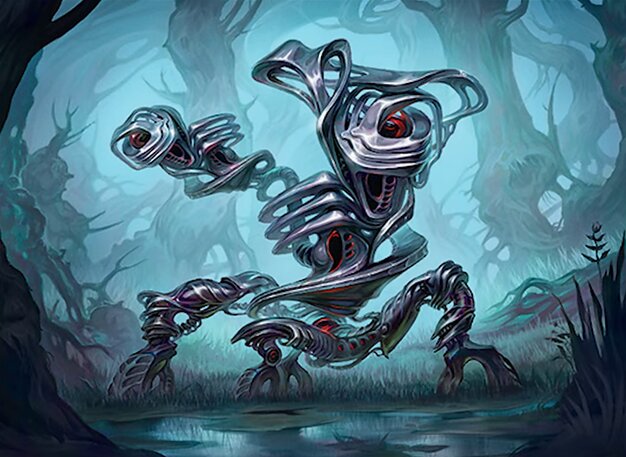
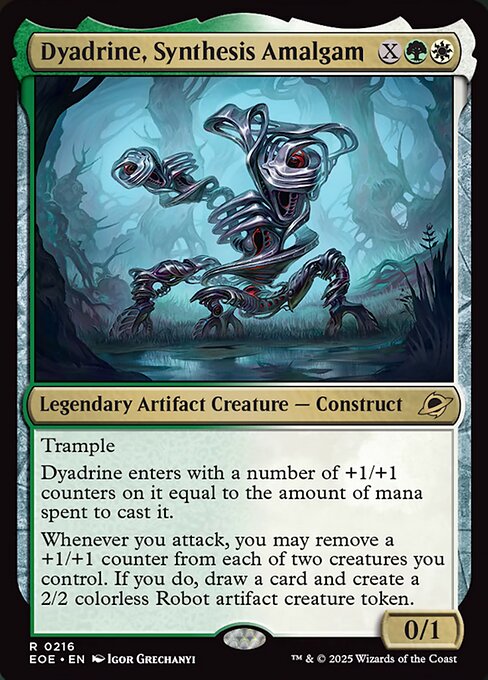
Dyadrine, Synthesis Amalgam
Builds a board full of +1/+1 counters and tokens, gaining card draw and value through combat triggers and support cards like Loading Zone to overwhelm opponents.
Gameplay Insights
- 1
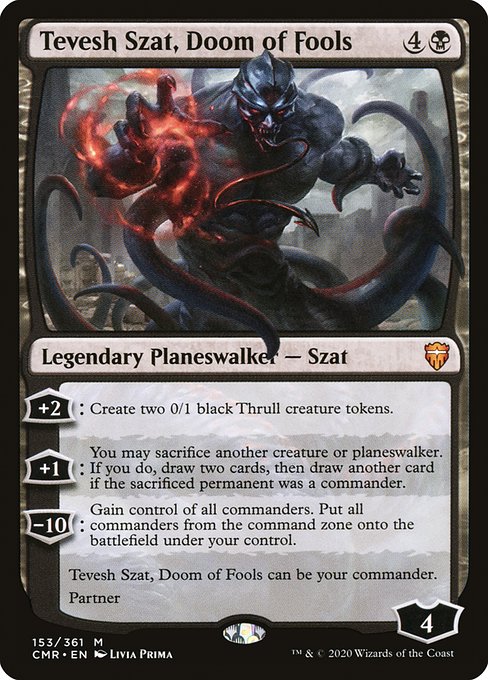
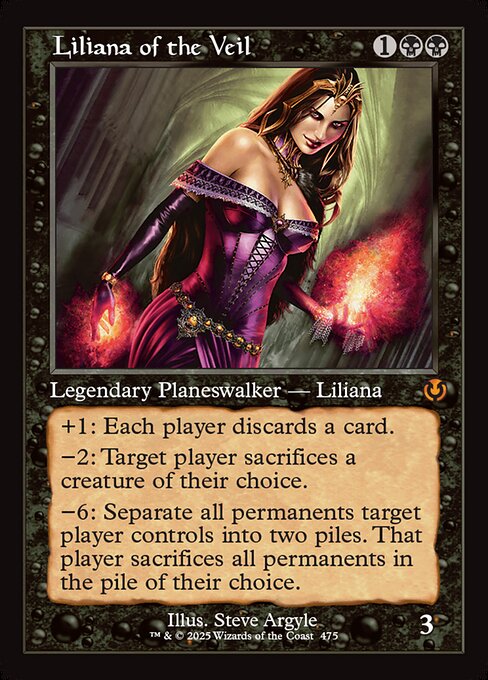
Arjan’s use of Tevesh Szat to mill key creatures into the graveyard enabled strong recursion plays with Overlord of the Baleful and Liliana of the Veil, creating a resilient midgame board.
- 2
Sammy maximized Doctor Doom’s discard damage ability by repeatedly discarding lands and spells to inflict damage on all opponents while generating treasure tokens for mana acceleration.
- 3
Max’s Ultron deck capitalized on manifesting cards and copying creature abilities, synergizing well with artifact creatures like Arcbound Ravager and utility pieces like Iron Spider to maintain board presence.
- 4
Mathieu’s Dyadrine deck leveraged +1/+1 counters and token generation through combat and support cards like Loading Zone, using these synergies to steadily build a threatening board state.
- 5
The interplay of discard, milling, and recursion mechanics created a dynamic game state where players had to adapt to constant threats and resource denial.
- 6
Board wipes and sacrifice effects, such as Braids, Arisen Nightmare triggered by sacrificing elemental tokens, were key in controlling the pace and resetting opposing boards at critical junctures.
Notable Cards
-
Tevesh Szat, Doom of Fools
-
Liliana of the Veil
-
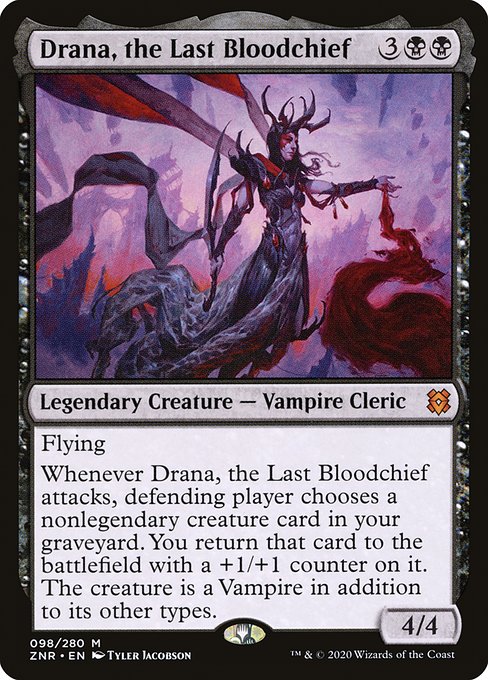
Drana, the Last Bloodchief
-
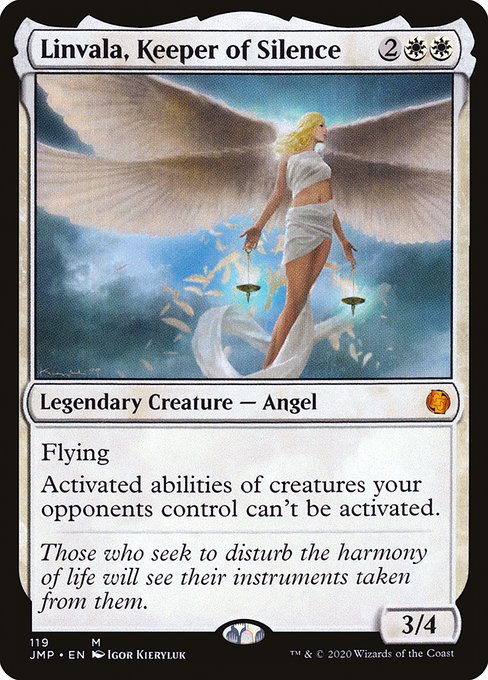
Linvala, Keeper of Silence
-
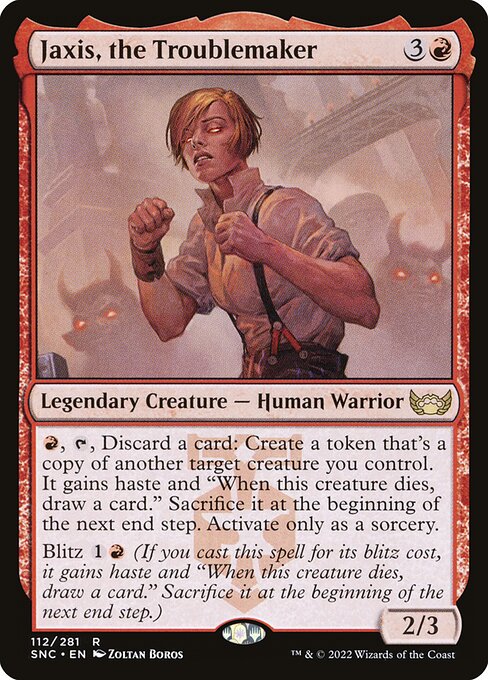
Jaxis, the Troublemaker
-

Arcane Signet
-
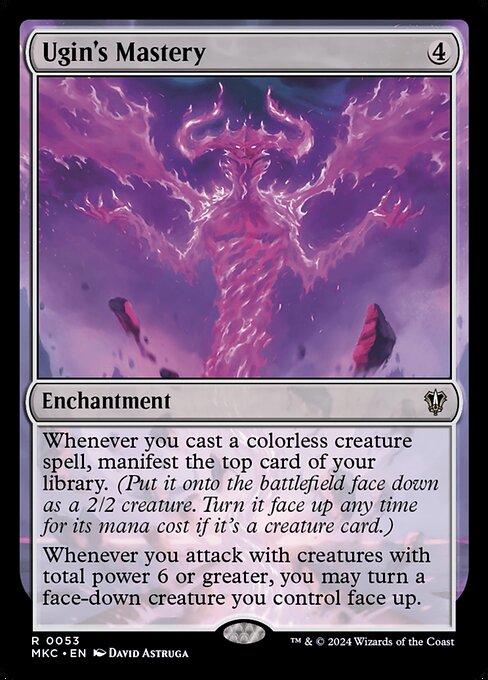
Ugin's Mastery
-
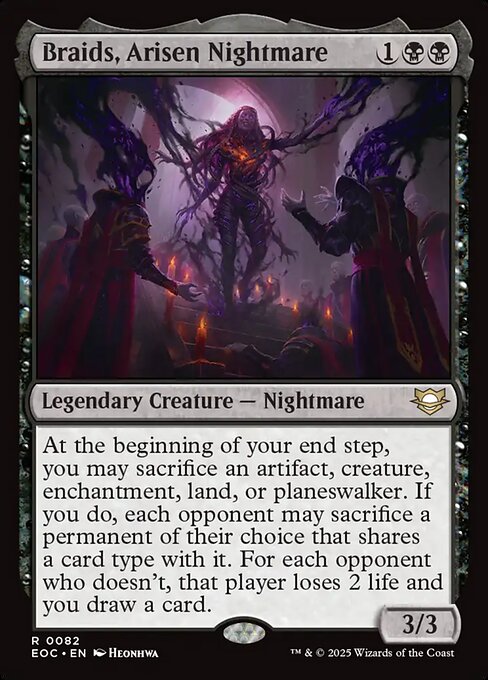
Braids, Arisen Nightmare
-
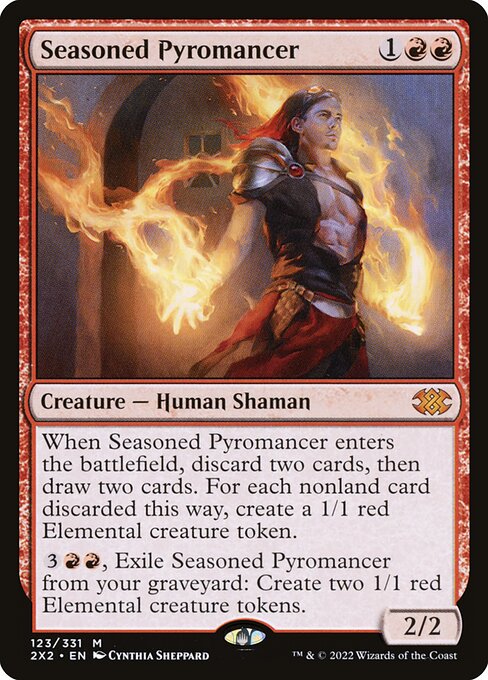
Seasoned Pyromancer
-
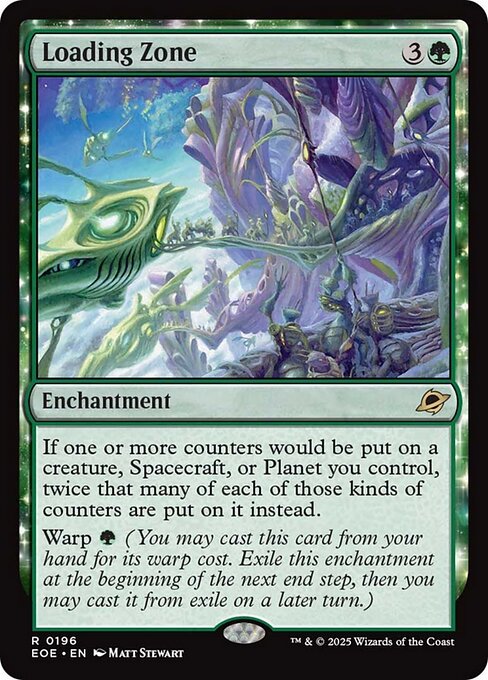
Loading Zone
-

Arc Reactor
Gameplay Summary
Key turning points included Arjan milling multiple key creatures to fuel Liliana of the Veil and Overlord of the Baleful recursion, allowing for a strong midgame board presence.
Sammy's repeated use of Doctor Doom's discard trigger combined with Emrakul's powerful presence on the board dealt consistent damage and forced opponents to discard, slowing their progress.
Max's Ultron synergized with artifact creatures and manifest cards to maintain pressure, while Mathieu's Dyadrine deck took advantage of loading zone and combat triggers to build a formidable army of +1/+1 counter creatures and tokens.
The win condition revolved around grinding down opponents with incremental card advantage, token generation, and recurring threats, with each deck exploiting its unique synergy to gain incremental advantage.