

Deck & Commander Strategies

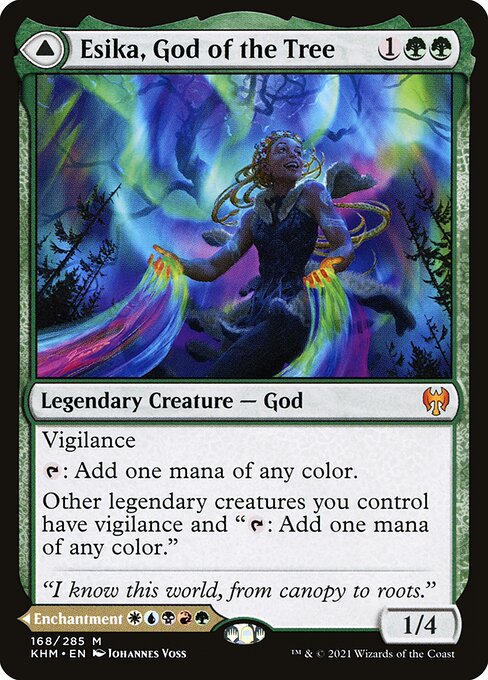
Esika, God of the Tree // The Prismatic Bridge
Leverages cumulative upkeep to generate value and ramp mana through numerous upkeep-costed permanents, aiming to overwhelm opponents with efficient resource utilization.


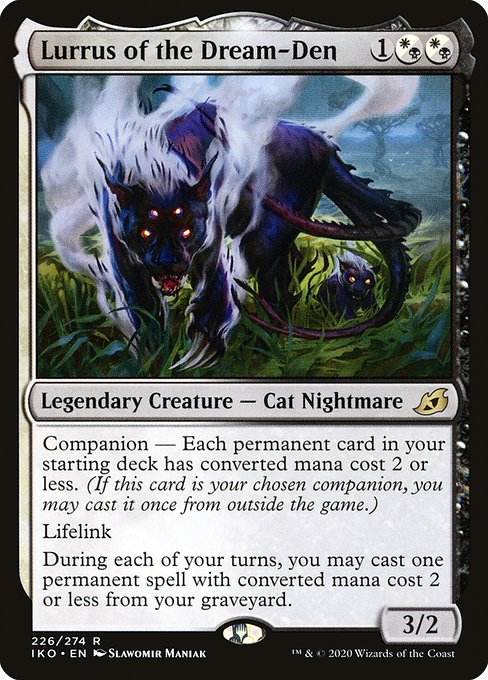
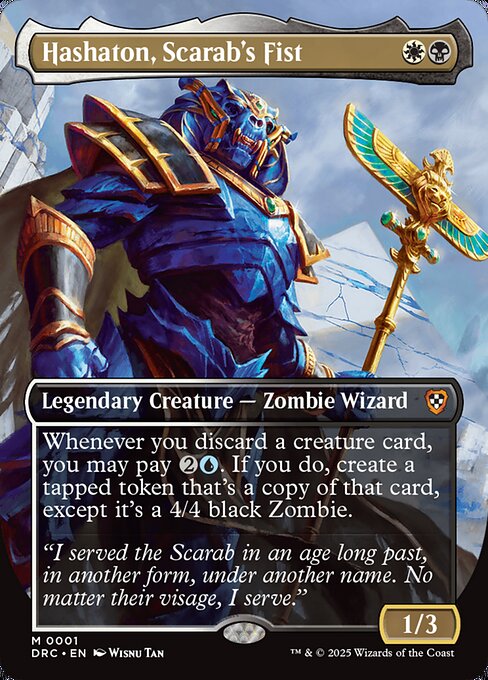
Lurrus of the Dream-Den // Hashaton, Scarab's Fist
Utilizes companions alongside cipher and haunt mechanics to deal damage incrementally and maintain board presence through card advantage and recurring effects.
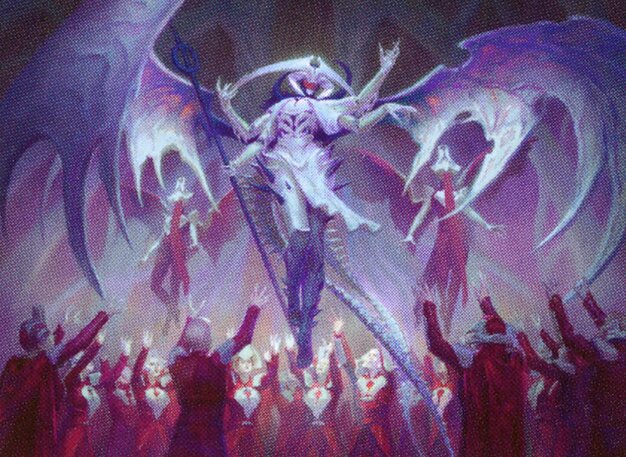
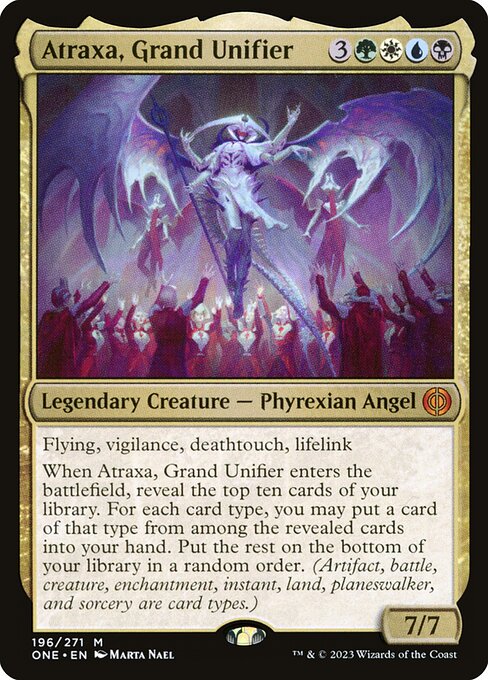
Atraxa, Grand Unifier
Focuses on blinking creatures to trigger enter-the-battlefield effects repeatedly while venturing through dungeons for additional value and incremental advantages.

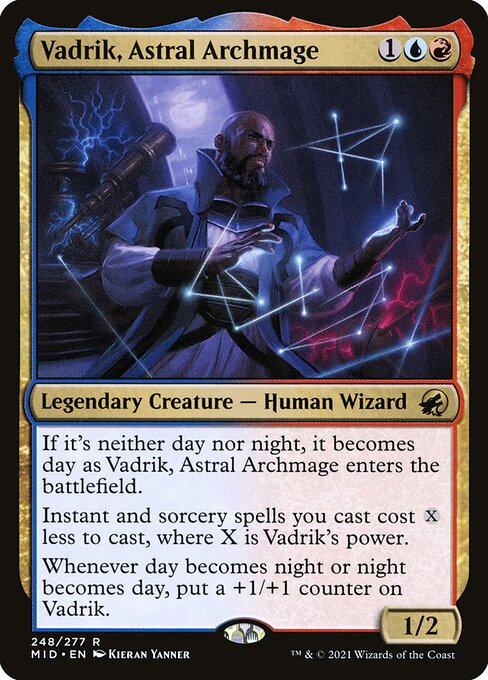
Vadrik, Astral Archmage
Builds around the day/night mechanic, exploiting instants and sorceries to control the game state and activate Vadrik's abilities for advantage.
Gameplay Insights
- 1
Cumulative upkeep cards require constant attention but can generate significant long-term value if mana ramp is properly managed.
- 2
Using blinking effects with dungeon crawling triggers creates multiple layers of value, maximizing enter-the-battlefield abilities.
- 3
Cipher and haunt mechanics provide persistent sources of incremental damage and card advantage, pressuring opponents over time.
- 4
Day/night mechanic gameplay can be challenging to balance but offers unique control opportunities through state changes.
- 5
Early ramp and mana fixing with dual lands and artifacts like Thought Vessel and Soul Ring help stabilize decks with costly upkeep or complex mechanics.
Notable Cards
-

Breeding Pool
-

Thought Vessel
-
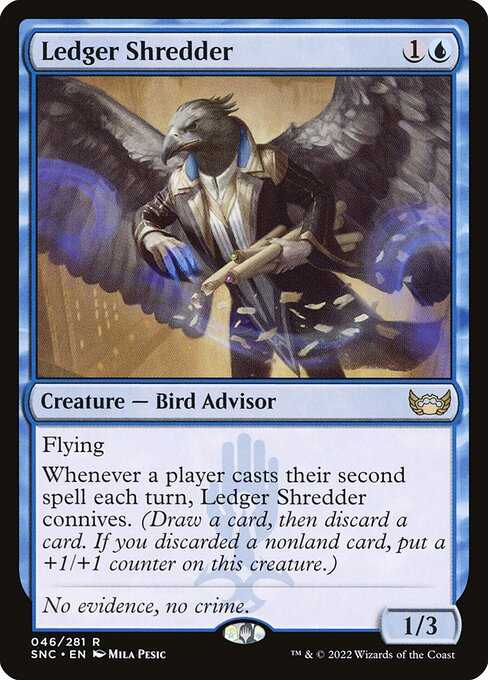
Ledger Shredder
-

Temple of Epiphany
Gameplay Summary
The game began with all players unveiling decks built around mechanics that the Professor dislikes, creating a unique and thematic gameplay environment.
Early turns were marked by careful mana development and setting up key synergies.
The Esika deck focused heavily on cumulative upkeep cards, slowly ramping mana while balancing upkeep costs.
Meanwhile, the Lurrus and Hashaton deck infused the table with cipher and haunt cards, applying incremental pressure through recurring effects and damage encoding.
The Atraxa deck took a blink-and-dungeon-crawl approach, generating value from repeated enter-the-battlefield triggers and dungeon progressions.
Vadrik's deck revolved around the day/night mechanic, leveraging instants and sorceries to control the game flow and fuel the archmage's abilities. Key turning points included the deployment of ramp creatures and artifacts such as Breeding Pool and Thought Vessel, which helped stabilize mana and hand size restrictions.
The cumulative upkeep deck posed a unique challenge as it required constant management of upkeep costs while maximizing value from permanents that demanded consistent payments.
Cipher and haunt mechanics from the Lurrus deck added a layer of persistent threat and card advantage, while Atraxa's blinking strategy synergized well with dungeon mechanics to generate multiple triggers per turn.
The day/night deck struggled somewhat with the mechanic's quirks but remained a tactical force through well-timed spells and state changes.
The game evolved into a complex interplay of recurring triggers, incremental advantages, and resource management, with the win condition largely revolving around out-valuing opponents through synergistic combos and sustained board presence.






![Secret Lair Shuffle [Commander VS 299] | Magic: the Gathering EDH Commander Gameplay thumbnail](https://i.ytimg.com/vi/8A3esNBvsUg/sddefault.jpg)


![Acererak vs Breya vs Vadrik vs Alesha [ EDH/Commander, Magic The Gathering Gameplay ] 2022 thumbnail](https://i.ytimg.com/vi/jB1-qgPS6uA/sddefault.jpg)
![Adrix & Nev vs Vadrik vs Volo vs Millicent [ EDH/Commander, Magic The Gathering Gameplay ] 2022 thumbnail](https://i.ytimg.com/vi/hn0Dvfv-koM/sddefault.jpg)


