

Deck & Commander Strategies

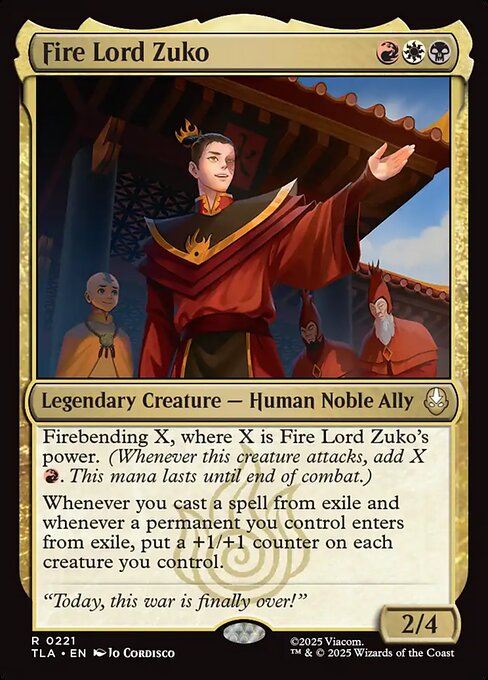
Fire Lord Zuko
Early aggressive commander deployment to apply pressure, leveraging equipment like Lightning Greaves and Soul Stone to boost commander resilience and value, while using exile synergies for incremental advantage.


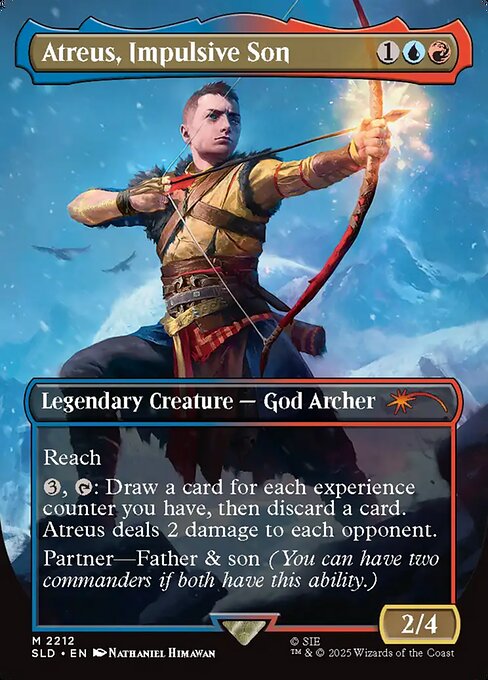
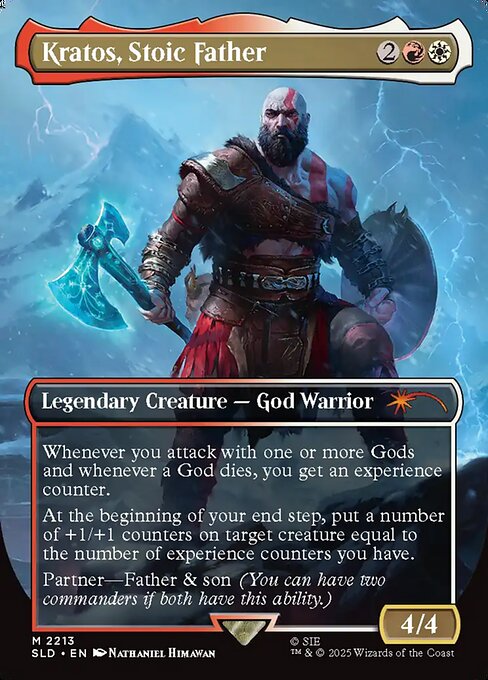
Kratos, Stoic Father / Atreus, Impulsive Son
Ramp into powerful Gods and token generators like Atrius and Katra to build a large army, using experience counters and combat triggers to control the board and deal consistent damage.
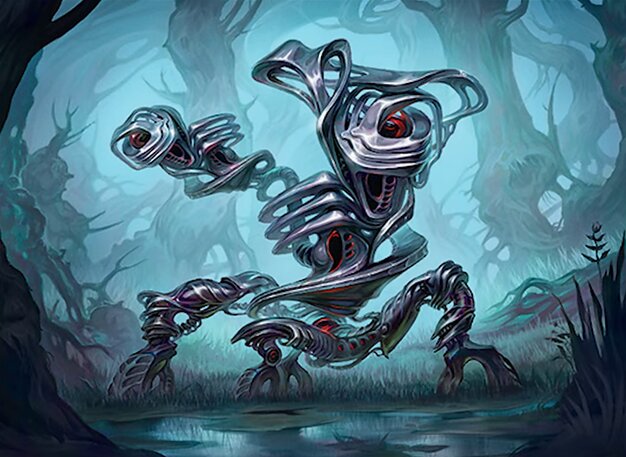
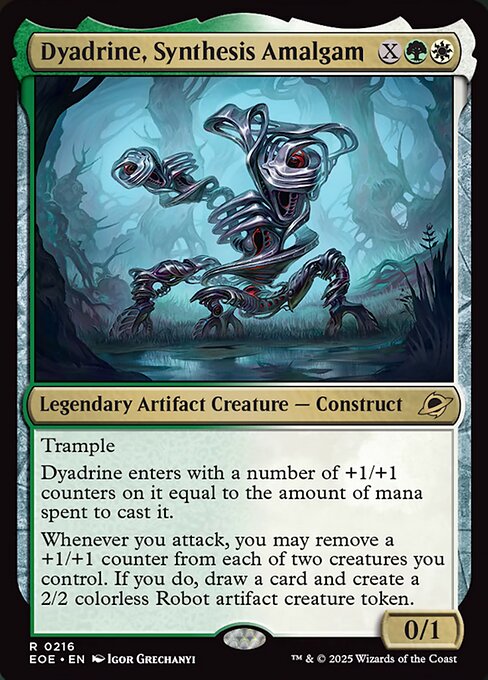
Dyadrine, Synthesis Amalgam
Proliferate-based strategy focused on accumulating +1/+1 counters on creatures using synergistic cards such as Bio-Engineered Future and Loading Zone to create a large, resilient board presence.
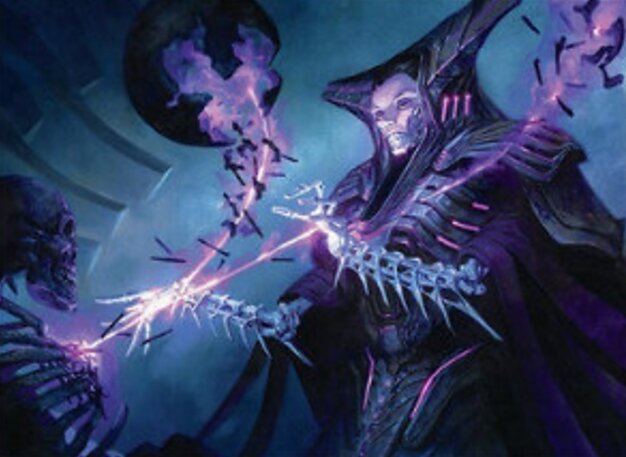
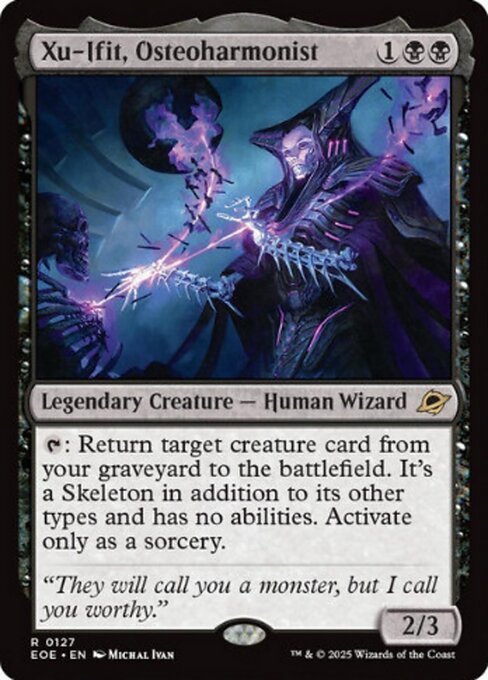
Xu-Ifit, Osteoharmonist
Reanimation and sacrifice synergy to maintain a steady stream of creatures on board, utilizing cards like Braids, Cabal Minion and Fleshbag Marauder to disrupt opponents and gain incremental value.
Gameplay Insights
- 1
The synergy between Loading Zone, Bio-Engineered Future, and Diadrine allowed for explosive growth of +1/+1 counters on creatures at a low mana cost, enabling a quick board state advantage.
- 2
Aboroid went largely unanswered, becoming a central threat by generating card advantage and additional tokens, which fueled further board development and combat strength.
- 3
Reanimation effects from Xu-Ifit combined with sacrifice outlets like Braids and Fleshbag Marauder created repeated value and board disruption, keeping opponents off balance.
- 4
Max's use of Gods and token generation alongside combat experience counters allowed for large, unblockable attacks that pressured multiple opponents simultaneously.
- 5
Effective use of exile and equipment on commanders like Zuko maximized damage output while maintaining resilience throughout the game.
Notable Cards
-
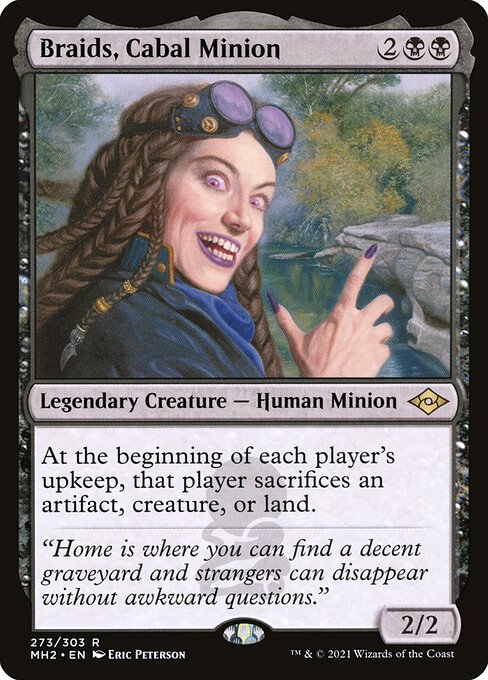
Braids, Cabal Minion
-
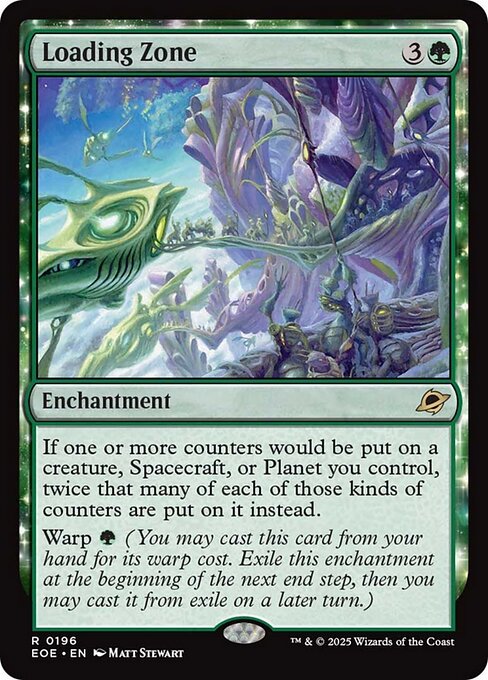
Loading Zone
-
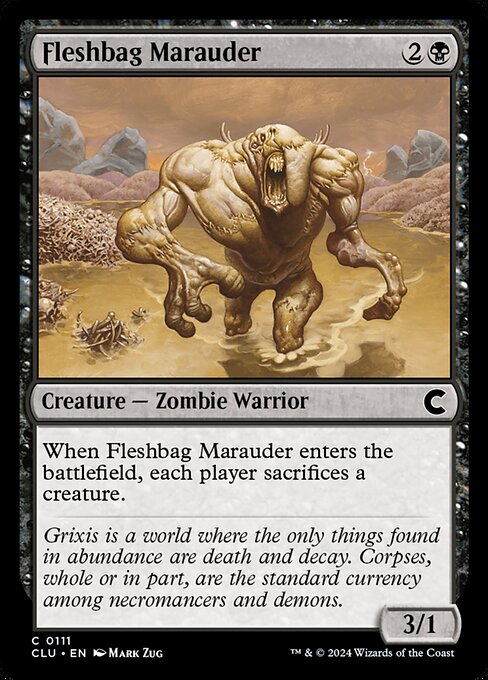
Fleshbag Marauder
-
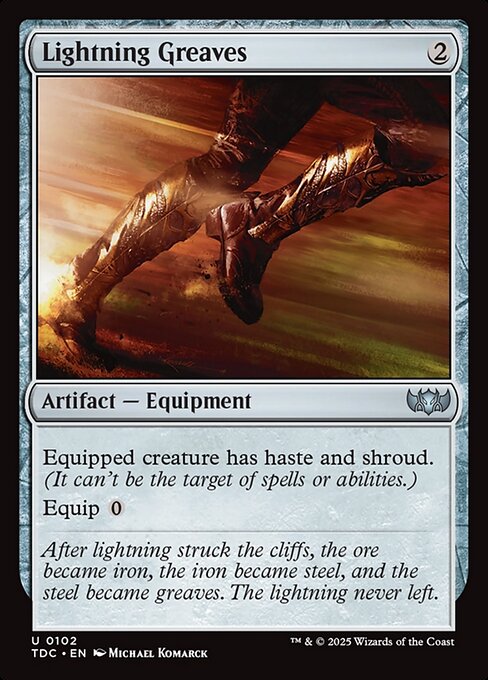
Lightning Greaves
-
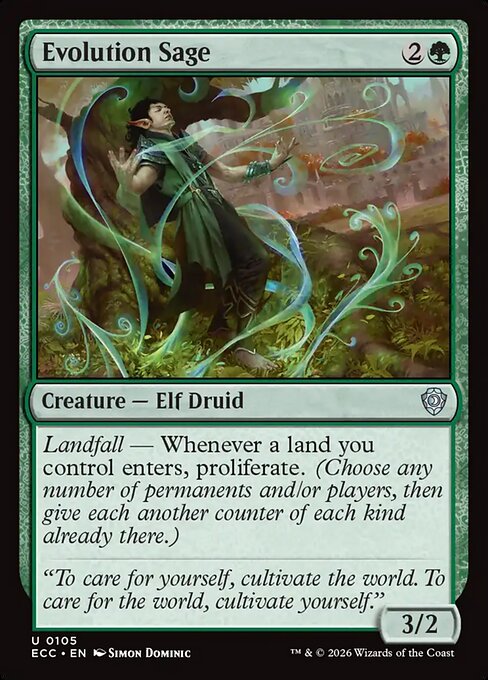
Evolution Sage
-
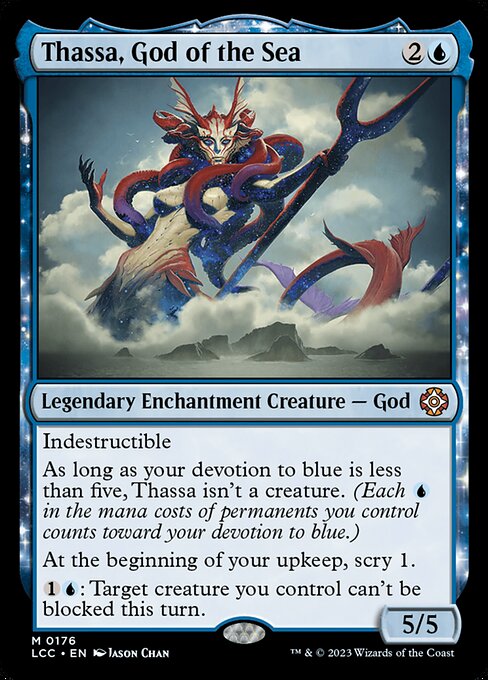
Thassa, God of the Sea
Gameplay Summary
The game started with early development from all players, featuring a variety of ramp and utility creatures to establish board presence.
Notably, the player piloting Fire Lord Zuko cast their commander early, while others focused on ramping and setting up powerful synergies with their commanders and supporting cards.
Key moments included the casting of Zuafit to reanimate creatures like Death Shadow and utilizing Braids, Cabal Minion to disrupt opponents by forcing sacrifices. As the game progressed, Max's deck centered around Gods and token generation, with Atrius creating a large zombie army bolstered by Katra, the version of the Ketra tribal synergy.
Meanwhile, Matcha leveraged the combination of Diadrine, Synthesis Amalgam along with cards like Bio-Engineered Future and Loading Zone to amass huge counters on their creatures, creating a formidable threat.
The Aboroid card was a game-changer, acting as a persistent and scalable threat that grew bigger each turn, synergizing well with proliferate effects from Evolution Sage and other support cards. The late game saw aggressive combat phases where Max swung with a large token army and powerful Gods to lethal effect against multiple players.
Matcha's board state also became overwhelming due to the synergy with Aboroid and the evolutions that drew cards and made additional tokens.
Eventually, Arja recognized the insurmountable board state and conceded, concluding the game.
The win condition revolved around overwhelming board presence and incremental value from proliferate and token generation, combined with efficient reanimation and sacrifice effects to maintain pressure.


