Deck & Commander Strategies
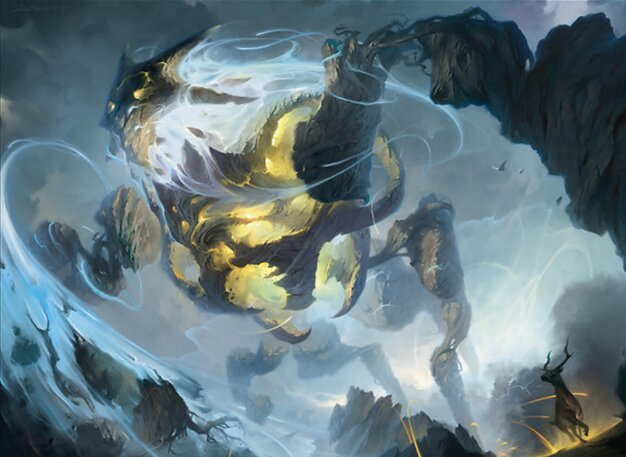
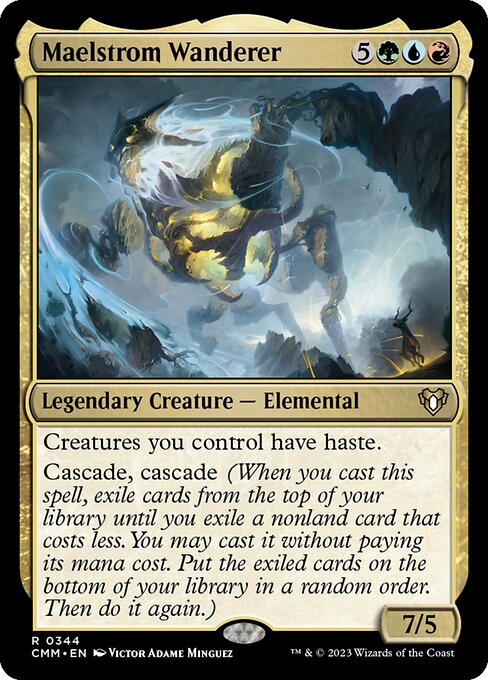
Maelstrom Wanderer
Focuses on cascading into multiple spells to generate overwhelming board presence and value, leveraging the commander’s cascade ability to chain powerful creatures and spells for a quick, explosive advantage.

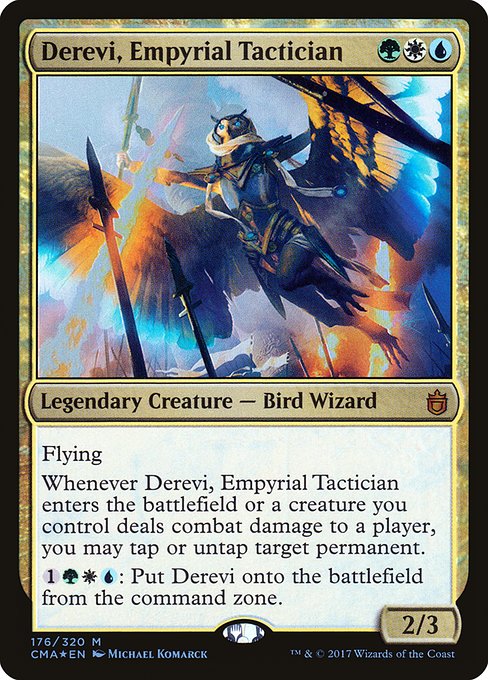
Derevi, Empyrial Tactician
Utilizes Derevi’s ability to tap and untap permanents to control the board and generate incremental advantage, often combining with stax elements and token generation to lock down opponents and win through attrition or combo.
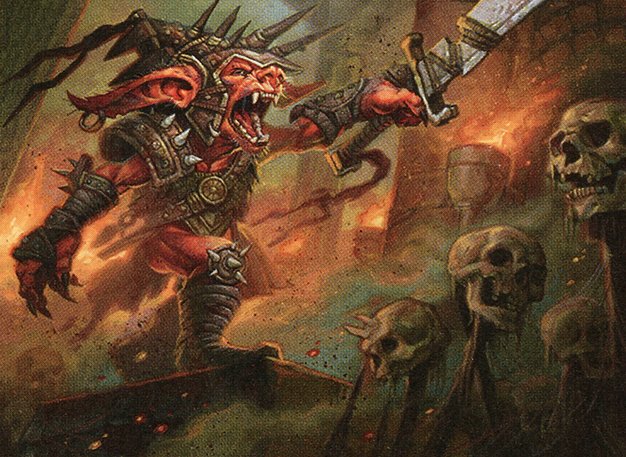
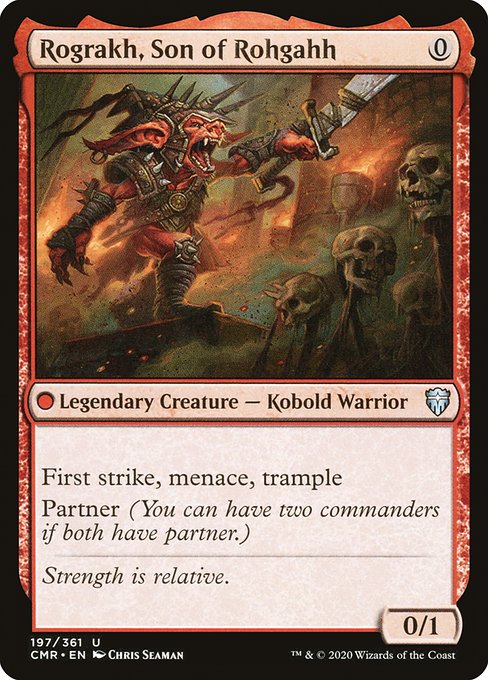
Rograkh, Son of Rohgahh
Aggressively ramps and deploys threats quickly, often aiming to leverage damage-based synergies and fast mana to overwhelm opponents before they stabilize.

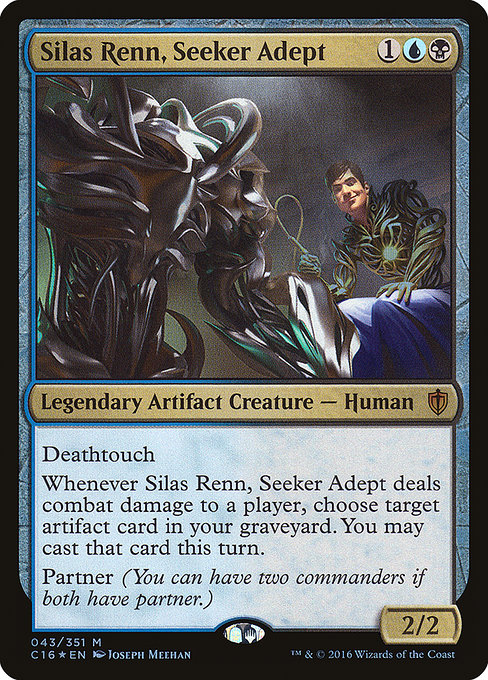
Silas Renn, Seeker Adept
Focuses on artifact synergy and recursion, enabling repeated use of powerful artifacts and combos to control the board and build a resilient advantage toward a combo or value-based win.

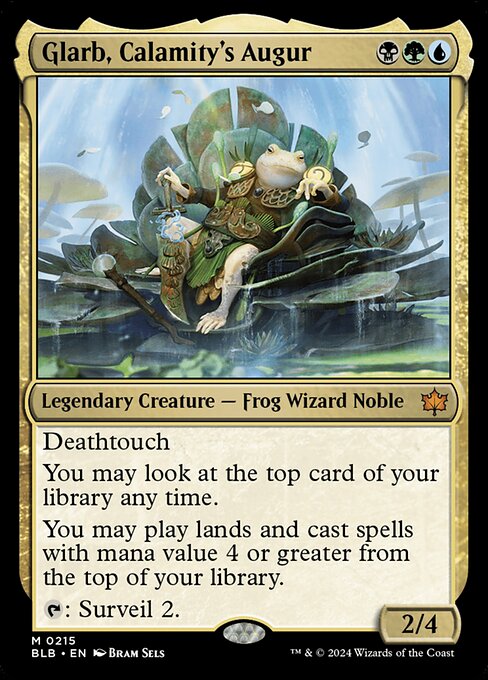
Glarb, Calamity's Augur
A graveyard-centric deck that aims to utilize Glarb’s abilities to generate value from creatures dying and recurring threats, often setting up combos or overwhelming the board with resilient threats.
Gameplay Insights
- 1
Leveraging cascade from Maelstrom Wanderer allowed for explosive multiple spell casts, creating pressure on opponents but also drawing interaction.
- 2
The team battlecry effect was key to reducing mana costs and enabling multiple spells to be cast in a single turn, accelerating board development.
- 3
Careful management of card draw and interaction was essential, as one player was heavily punished by drawing too many lands and not enough impactful spells.
- 4
Players used counterspells and mana cost reduction strategically to disrupt combos and maintain board control.
- 5
The use of artifact ramp like Grim Monolith and Spring-Leaf Drum facilitated large mana production to enable high-impact plays early.
Notable Cards
-
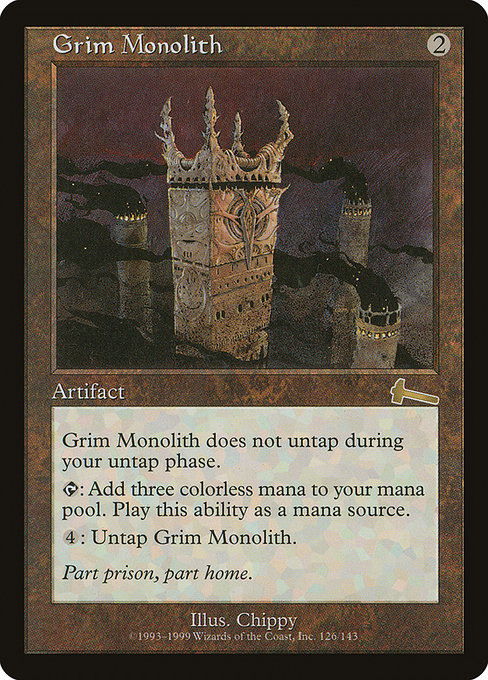
Grim Monolith
-
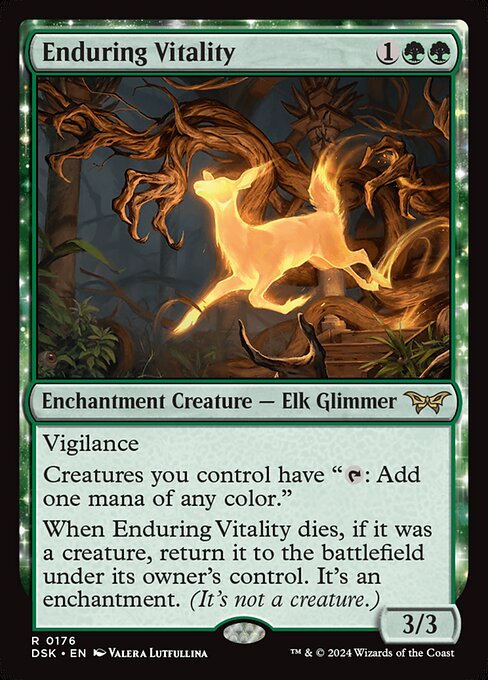
Enduring Vitality
-
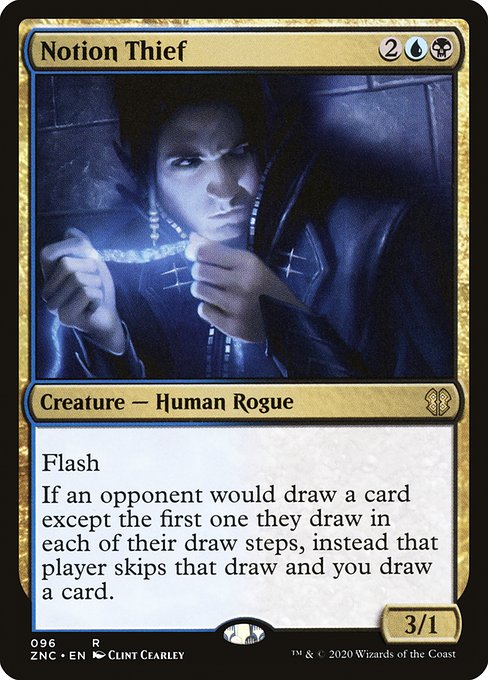
Notion Thief
Gameplay Summary
The game started with players setting up their mana and early board presence, with typical ramp spells and land drops.
Maelstrom Wanderer was cast mid-game, triggering cascade and casting additional spells which drew attention and interaction from other players.
The board state became complex as players navigated around counterspells, mana costs reduction effects, and attempts to generate value from their commanders and utility creatures.
A key moment involved a player leveraging a team battlecry effect to efficiently cast multiple spells in a turn, leading to a significant mana advantage and board development.
Despite some disruption and interaction, the game progressed with players building towards their win conditions, but ultimately, the game concluded with one player conceding after drawing an excess of lands and failing to find impactful plays, highlighting the punishing nature of card draw variance in cEDH.