Deck & Commander Strategies

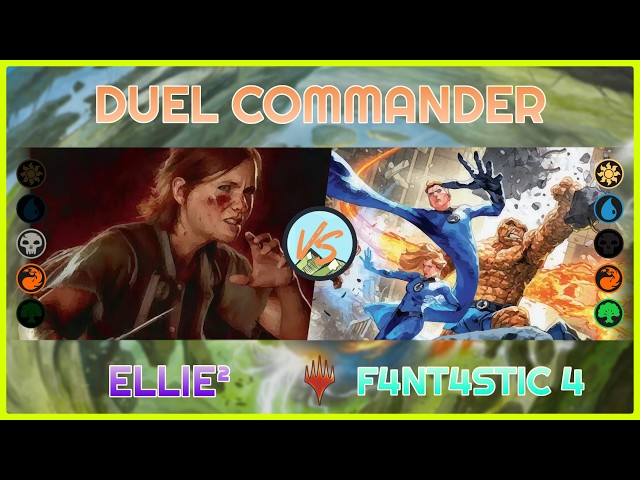
The Fantastic Four
Generate incremental value by triggering the commander with various cards that benefit from having multiple colors and creatures on the board. Use land recursion and token generation to build a resilient board presence and overwhelm opponents.

Witherbloom, the Balancer
Utilize disruption, removal, and graveyard interactions to control the board and outlast opponents. Leverage life manipulation and card draw to maintain resources while preventing opponents from establishing their game plan.
Gameplay Insights
- 1
The Fantastic Four player prioritized building board presence and synergy through creatures that trigger the commander and land recursion, aiming to snowball advantage.
- 2
Witherbloom player focused on tempo plays and interaction, using bounce and removal spells to disrupt the opponent’s key pieces and limit their board development.
- 3
Strategic use of fetch lands and utility lands allowed both players to maximize mana efficiency and trigger key effects.
- 4
The interaction between graveyard recursion and token creation was a pivotal element for the Fantastic Four deck’s resilience.
- 5
Controlling the creature count was a significant defensive approach for the Witherbloom player to prevent the opponent from casting their commander effectively.
Notable Cards
-
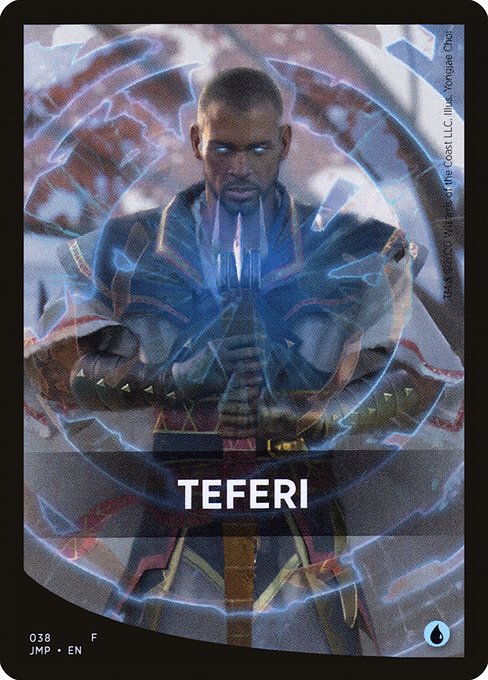
Teferi
-
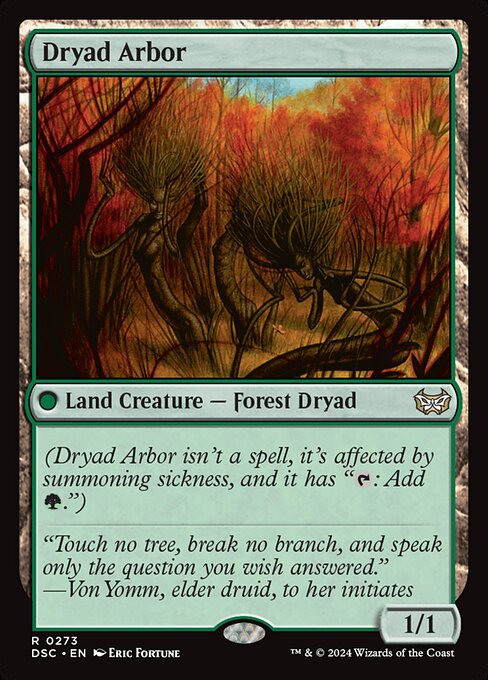
Dryad Arbor
-

Breeding Pool
-
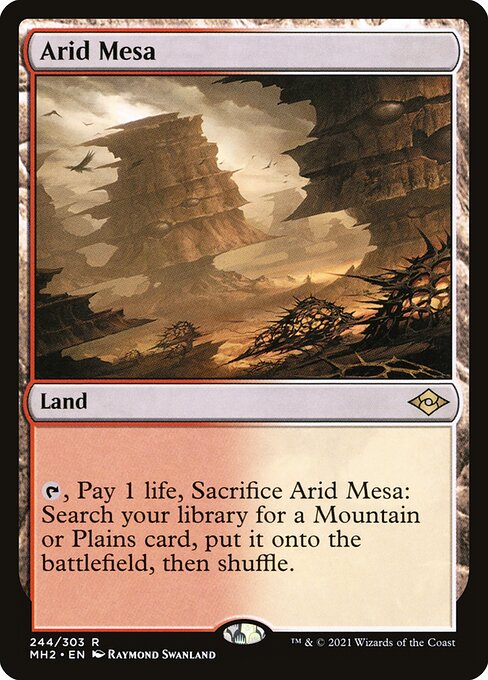
Arid Mesa
-
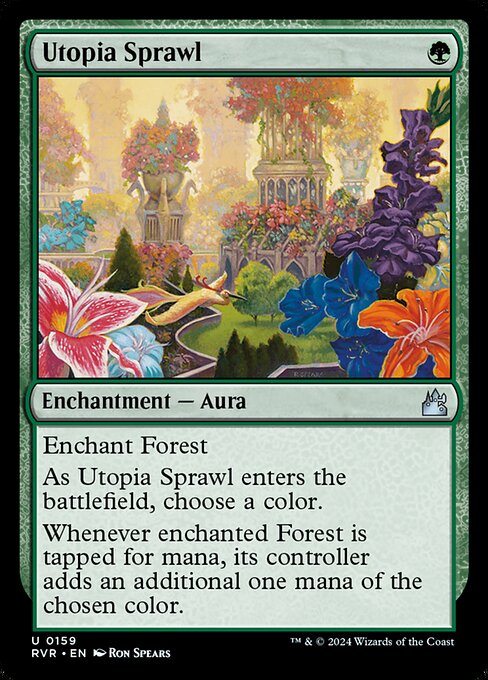
Utopia Sprawl
Gameplay Summary
The game started with the Fantastic Four player setting up a board presence through creatures like Mole Man, which synergizes by creating tokens when lands enter the battlefield from the graveyard.
The Witherbloom player focused on controlling the board early with interaction such as Teferi to bounce problematic permanents and maintain card advantage.
The Fantastic Four deck aimed to generate value and board presence by triggering its commander through various cards, looking to leverage a steady stream of tokens and land recursion.
Meanwhile, the Witherbloom deck sought to disrupt these plans through removal and tempo plays, trying to keep the creature count low and prevent Witherbloom from casting effectively. As the game progressed, key moments included the Fantastic Four player using creatures and land-fetching to ramp and pressure the opponent, while the Witherbloom player responded with spells like Layline Binding and bounce spells to keep threats in check.
Strategic land plays and interactions with graveyard recursion played a pivotal role in shaping the board state.
Although the Fantastic Four deck demonstrated resilient value engines and synergy, the Witherbloom deck's disruption and interaction slowed down the pace, setting up for potential powerful combos or midrange plays to close out the game.
The match showcased the tension between a value-based, token-generating deck and a disruptive, grindy Golgari-style deck with life and graveyard mechanics.