

Deck & Commander Strategies

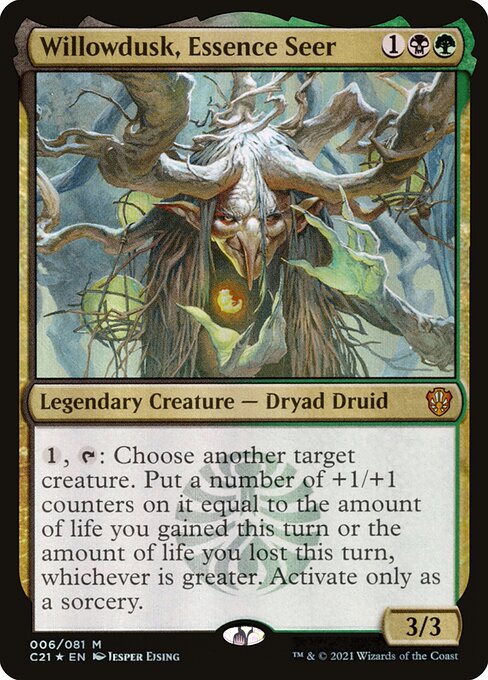
Willowdusk, Essence Seer
Midrange deck using life as a resource to place +1/+1 counters on creatures, draw cards, and drain opponents’ life through synergies like Sanguine Bond.
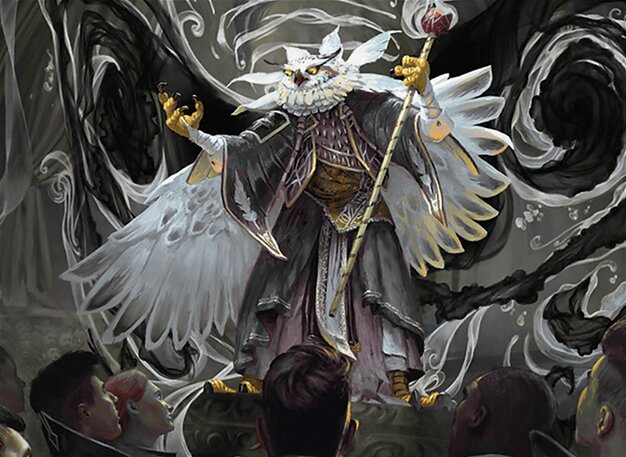
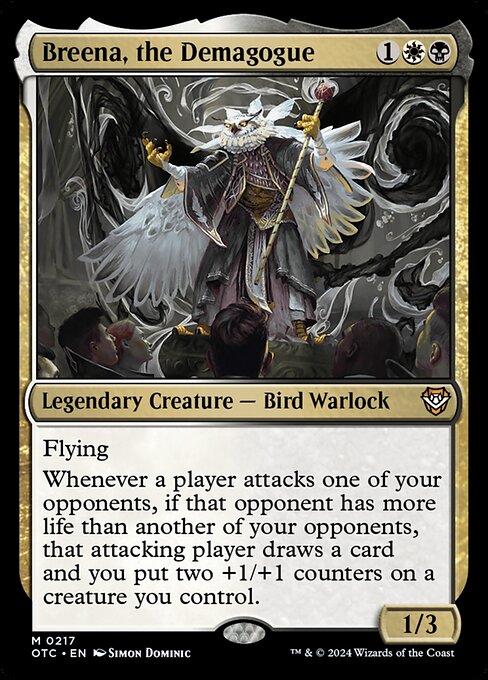
Breena, the Demagogue
Political control and group dynamics, forcing opponents to attack each other while growing creatures via +1/+1 counters and milling cards.

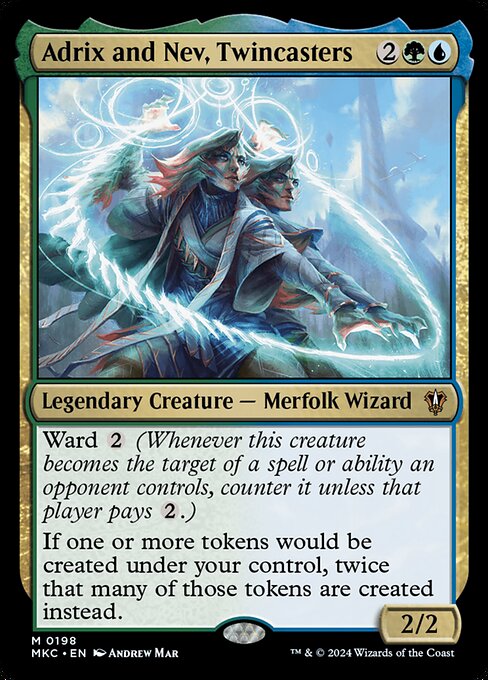
Adrix and Nev, Twincasters
Token generation and doubling, building a wide board of creatures supported by protection and evasion to overwhelm opponents with damage.

Zaffai, Thunder Conductor
Spell-slinging with magecraft triggers to create elemental tokens and deal damage, leveraging spell copying and recursion to control the board and steal permanents.
Gameplay Insights
- 1
Players prioritized mana ramp and early board development to set up their commanders’ synergies.
- 2
Silverquill’s strategy to use enchantments to manipulate combat and reward attacks created tension and forced shifting alliances.
- 3
Prismari’s magecraft ability rewarded casting multiple spells per turn, turning spell-slinging into board presence and direct damage.
- 4
Token doubling from Quantum Quandrix’s commander made token generators like Right of Replication particularly impactful.
- 5
Life gain and loss interactions in Witherbloom provided a steady source of incremental damage and card advantage.
- 6
Political pressure was evident as players avoided attacking certain opponents to prevent triggering dangerous commander abilities.
Notable Cards
-
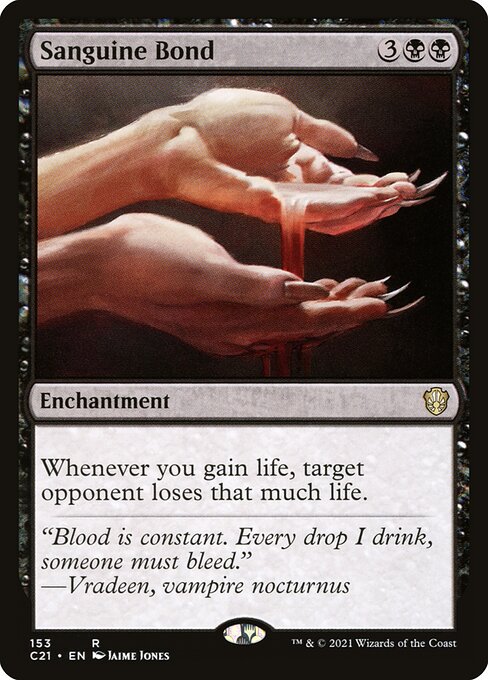
Sanguine Bond
-
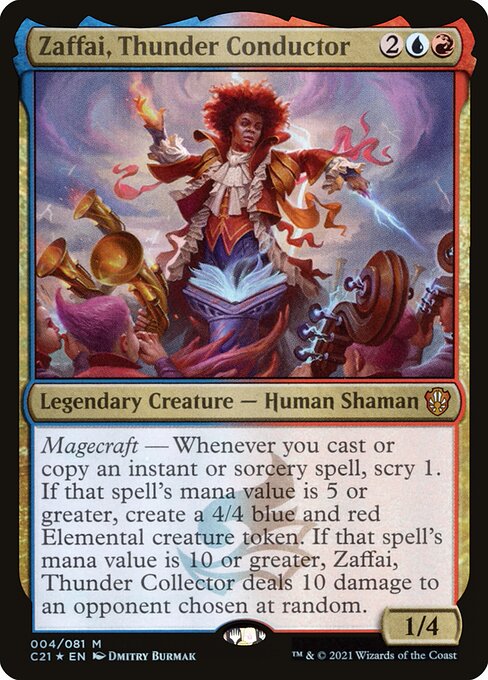
Zaffai, Thunder Conductor
-
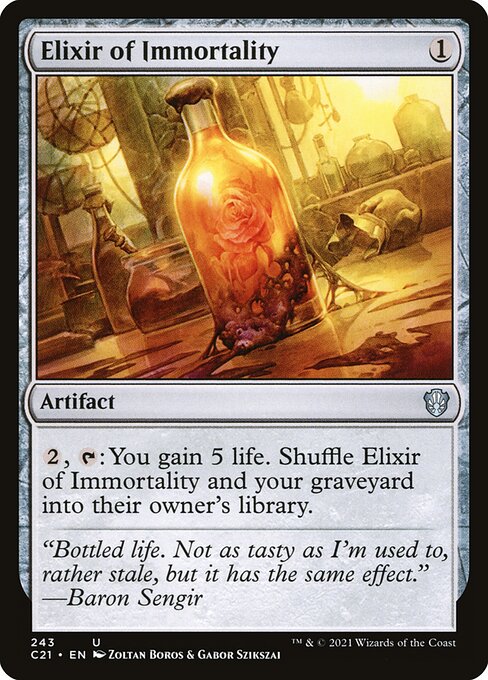
Elixir of Immortality
-

Cultivate
-
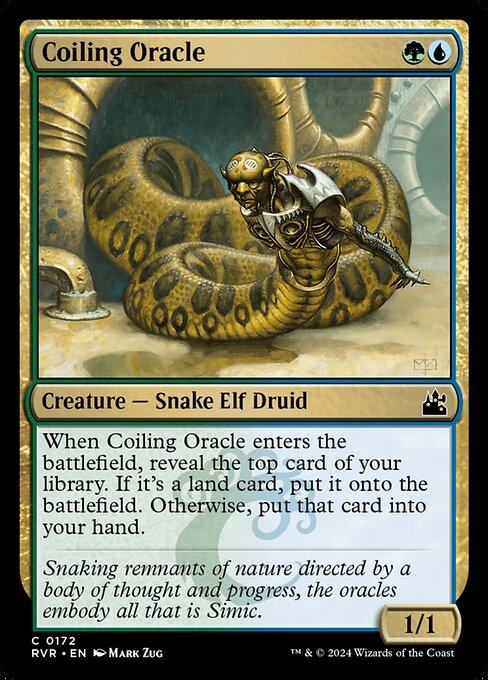
Coiling Oracle
-
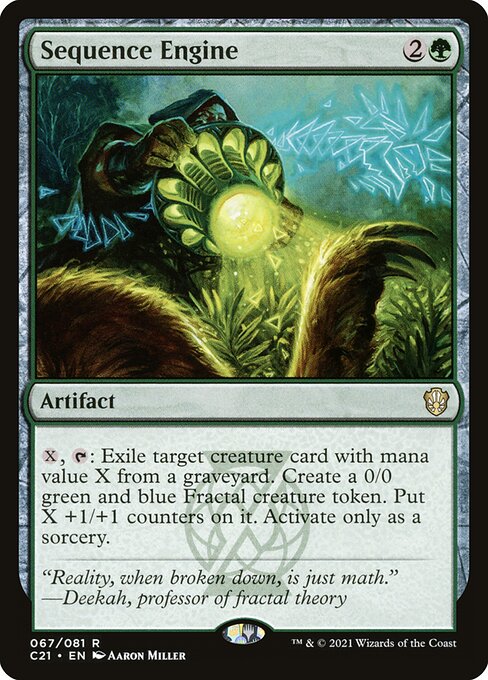
Sequence Engine
-
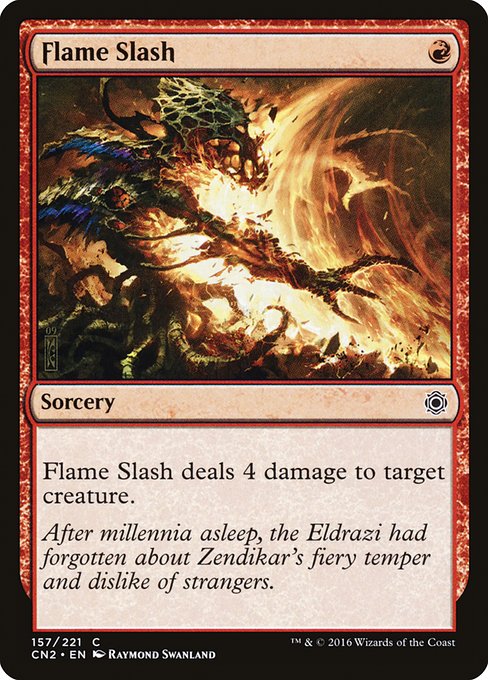
Flame Slash
-
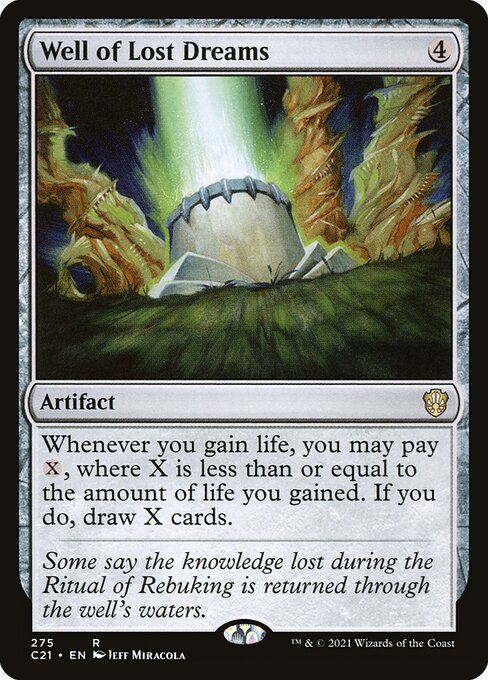
Well of Lost Dreams
Gameplay Summary
The game featured four players piloting the Strixhaven preconstructed Commander decks: Witherbloom Witchcraft, Silverquill Statement, Quantum Quandrix, and Prismari Performance.
The early turns were focused on ramping mana and setting up key creatures and enchantments.
Witherbloom Witchcraft utilized life as a resource to grow creatures and draw cards, leveraging effects like Sanguine Bond for incremental damage.
Silverquill Statement emphasized political control with enchantments that forced opponents to attack each other and rewarded aggression with card draw and creature growth through its commander’s ability. Quantum Quandrix aimed to flood the board with tokens and protect them to create a large army for overwhelming attacks.
Prismari Performance focused on spell-slinging and triggering its commander’s magecraft ability to generate elemental tokens and direct damage, with potential explosive turns involving copying spells and stealing opponents’ permanents.
Key moments included the casting of the commanders to start leveraging their unique abilities, ramp spells to accelerate board development, and early aggression attempts that tested defenses and political dynamics.
The game’s pace suggested a buildup toward large board states and combo-like interactions, with Prismari’s potential to steal permanents and Witherbloom’s life-gain damage synergy standing out as possible win conditions.


![This Time, It's Personal! [Commander VS] | Magic: the Gathering Commander Gameplay thumbnail](https://i.ytimg.com/vi/VibCoKEPrWU/sddefault.jpg)