

Deck & Commander Strategies
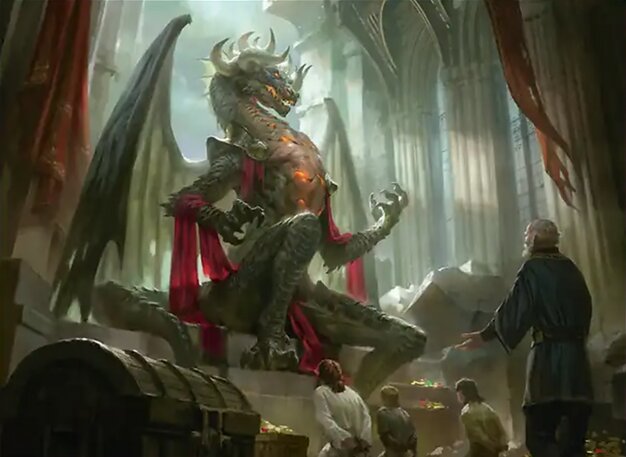
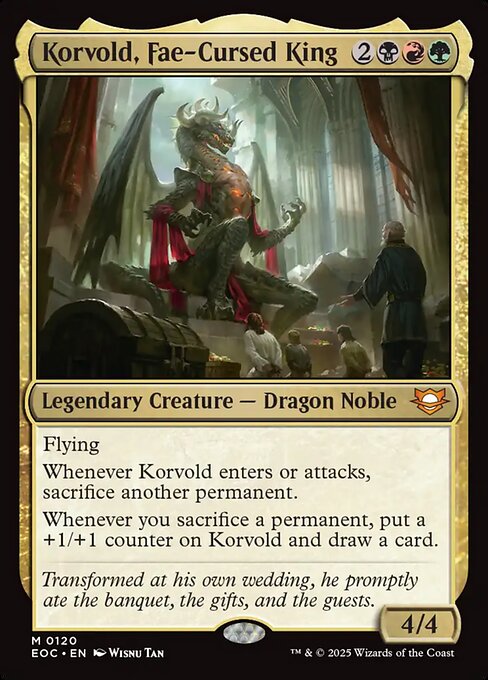
Korvold, Fae-Cursed King
Korvold’s deck aims to capitalize on sacrifice synergies to generate massive card draw and board presence, leveraging ramp artifacts and powerful creatures to close out the game through value and attrition.

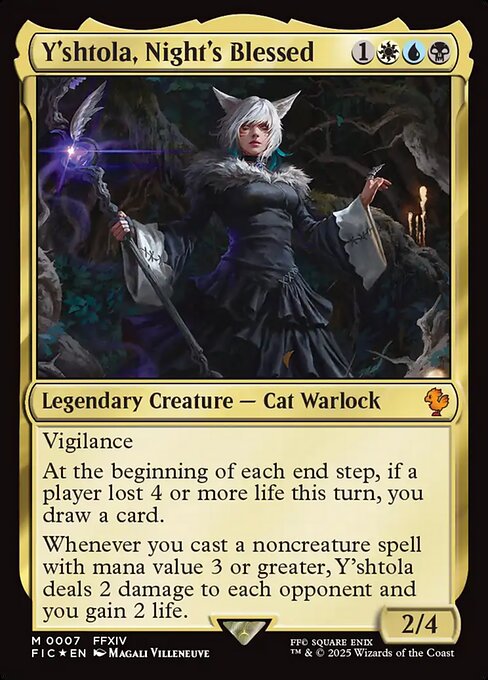
Y'shtola, Night's Blessed
Y'shtola runs a control-oriented strategy focusing on locking opponents out with disruptive elements, incremental life gain, and incremental damage from cats, aiming to win through slow but steady attrition.
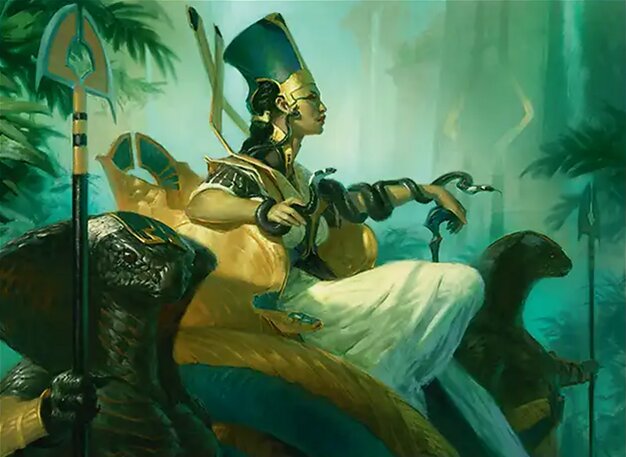
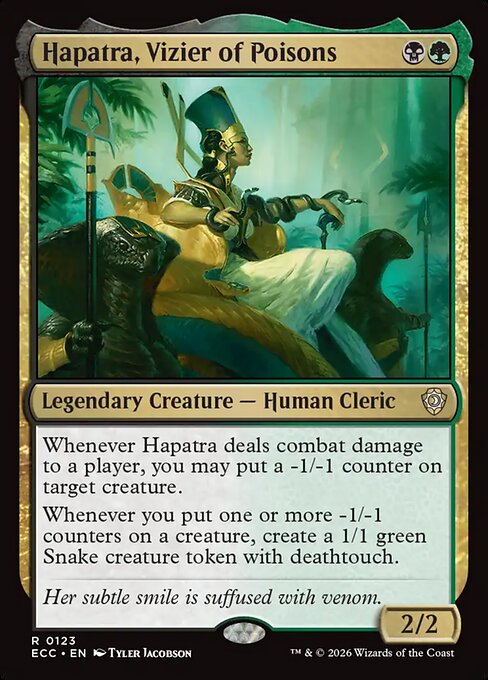
Hapatra, Vizier of Poisons
Hapatra’s deck builds pressure through -1/-1 counters and token generation, combining poison and deathtouch threats to control the board and set up recursive value with sacrifice outlets and removal.

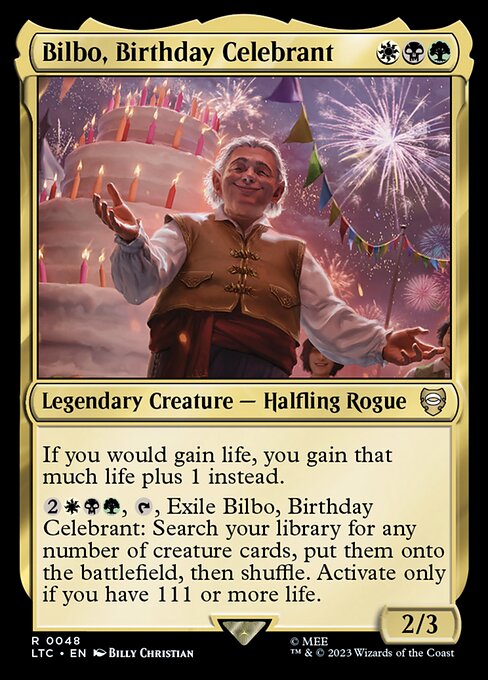
Bilbo, Birthday Celebrant
Bilbo’s deck leverages life gain synergies and artifact interactions to create resilience and incremental advantage, using tokens and value creatures to grind out the game and stabilize against aggressive strategies.
Gameplay Insights
- 1
Korvold’s use of Urza's Saga to chain into powerful mana artifacts like Mana Vault significantly accelerated his game plan and pressured opponents.
- 2
Hapatra’s strategy of generating snakes and applying -1/-1 counters created a persistent threat that forced opponents to make unfavorable trades or lose board control.
- 3
Bilbo’s life gain synergy was crucial in allowing him to absorb damage, making him a less attractive target and enabling him to survive longer in the game.
- 4
Y'shtola’s control elements and incremental damage attempts were challenged by the aggressive ramp and combo setups from Korvold and the persistent token threats from Hapatra.
- 5
The political aspect of the game influenced targeting decisions, with players sometimes allowing certain threats to remain to avoid immediate retaliation or to keep the game balanced.
Notable Cards
-
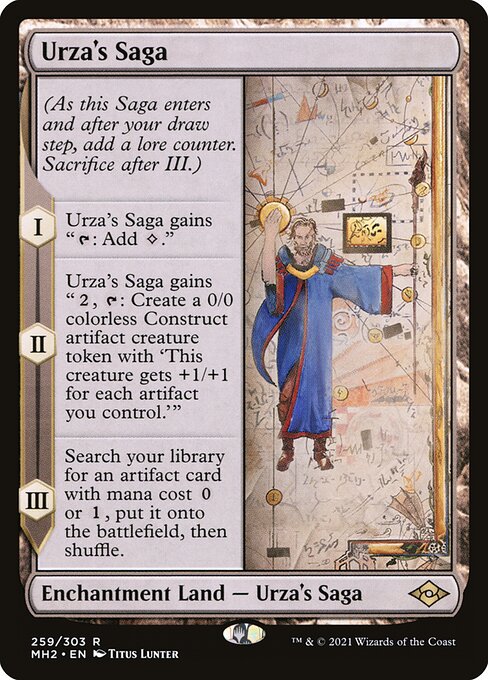
Urza's Saga
-
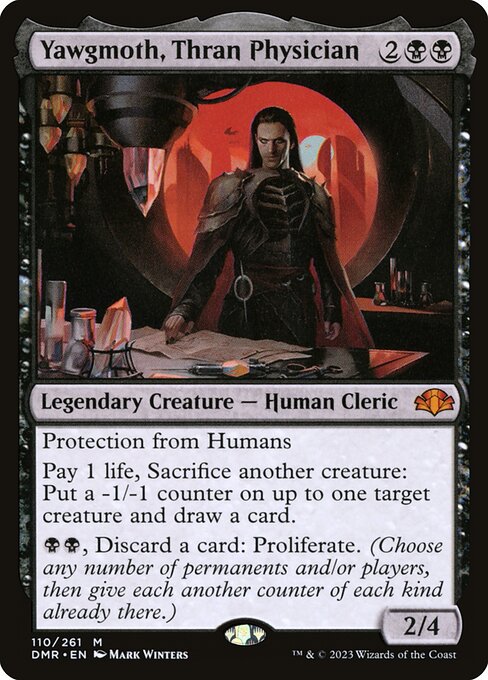
Yawgmoth, Thran Physician
-
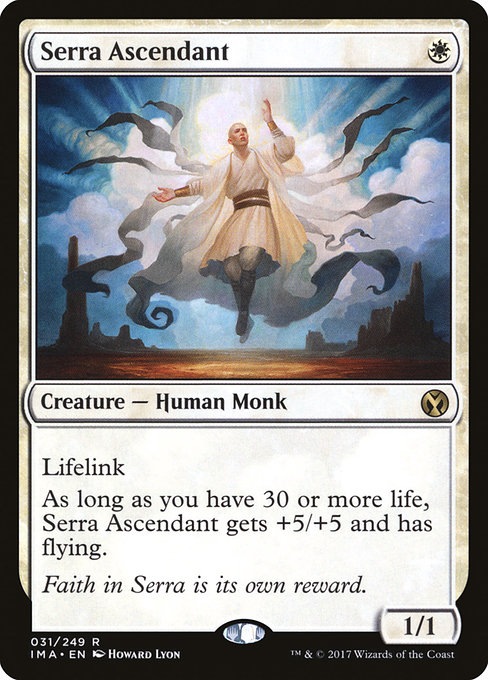
Serra Ascendant
-
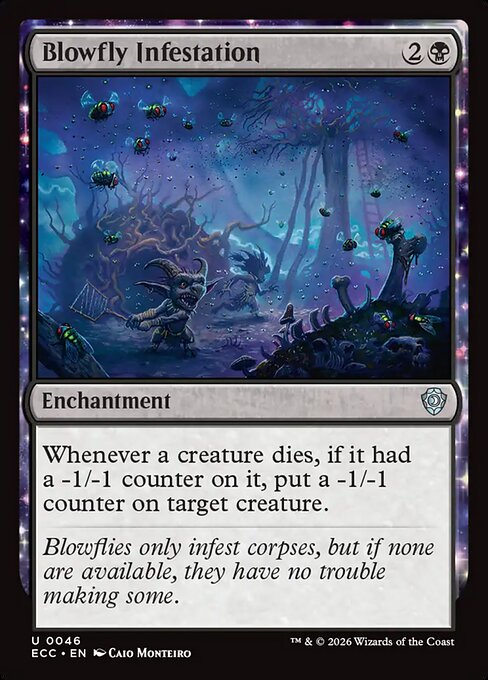
Blowfly Infestation
-
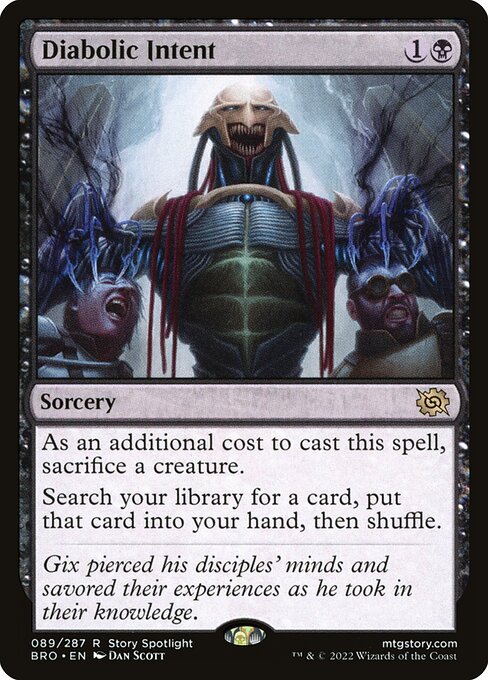
Diabolic Intent
-
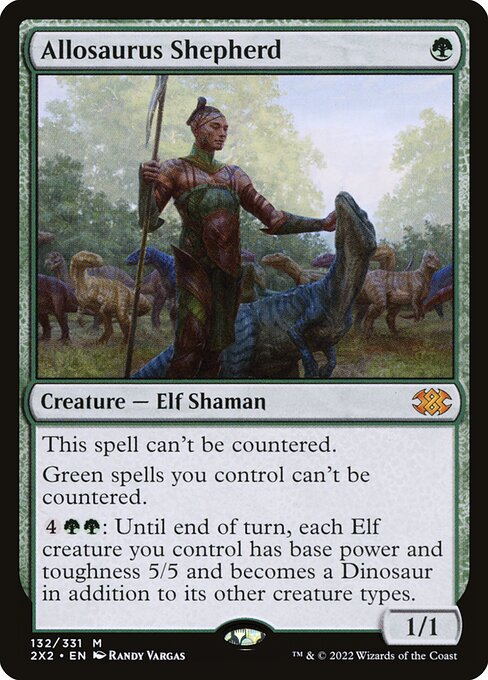
Allosaurus Shepherd
-
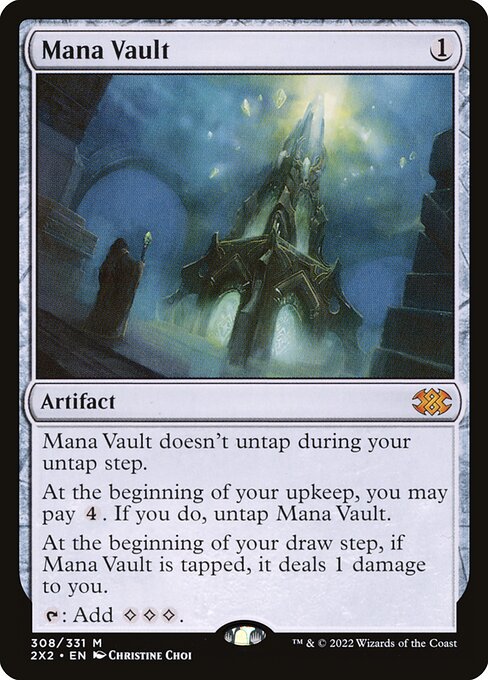
Mana Vault
-
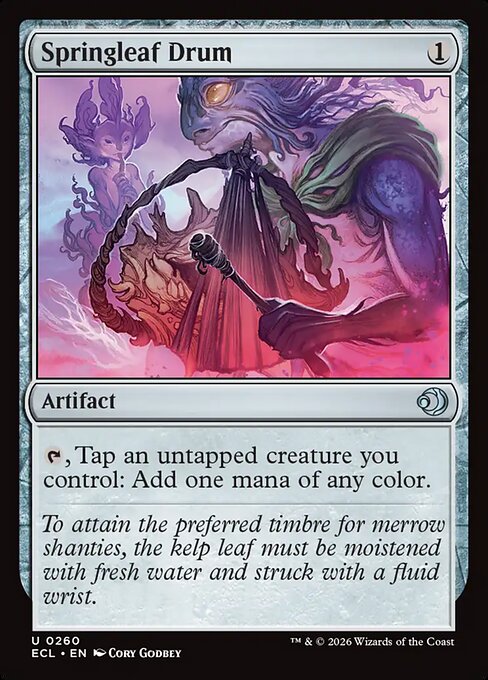
Springleaf Drum
-
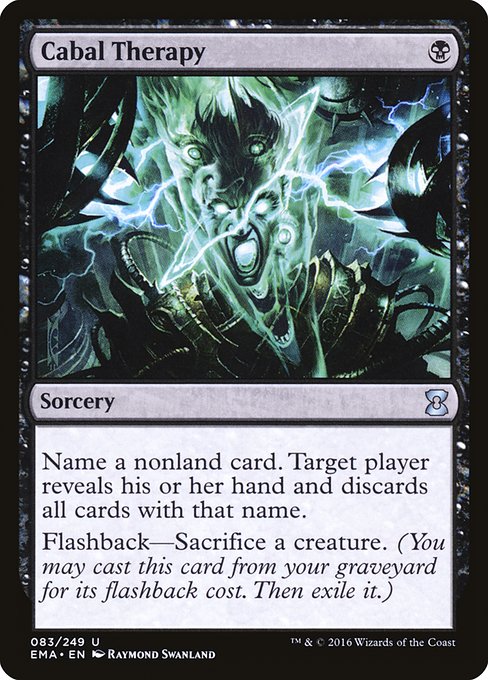
Cabal Therapy
Gameplay Summary
The game began with each player setting up their board state carefully, with early plays like Urza's Saga, Serra Ascendant, and Aphetto Necropolis establishing presence.
Korvold focused on ramp and card advantage with artifacts and Urza’s Saga, eventually casting Yawgmoth to enable powerful interactions.
Hapatra generated snakes and used -1/-1 counters to pressure opponents while casting Diabolic Intent to dig for key pieces.
Bilbo leveraged life gain synergies and utility artifacts to build his board, while Y'shtola played a control-oriented game with lock elements and incremental damage.
The midgame saw Korvold accelerating mana and assembling combo pieces, while Hapatra and Bilbo threatened with tokens and life manipulation.
Y'shtola attempted to maintain control but faced pressure from multiple angles.
Crucial moments included Korvold’s Urza’s Saga chain leading to Mana Vault and Allosaurus Shepherd, enabling Yawgmoth’s impactful presence.
The interaction between Hapatra’s snakes and removal spells created tension, and Bilbo’s life gain triggers kept him resilient.
The game balanced on incremental damage and resource denial, with each player maneuvering for advantage through combat and spells.
The board state became complex with multiple threats present, and the win condition revolved around assembling a combo or overwhelming opponents with tokens and value engines.




![Commander VS S17E3: Korvold VS Alela VS Chulane VS Syr Gwyn [Brawl] thumbnail](https://i.ytimg.com/vi/Pa8JzkN1leY/sddefault.jpg)

![Commander VS S7E4: Hapatra vs Samut vs Temmet vs Neheb [MTG] thumbnail](https://i.ytimg.com/vi/oZSx_7WMoTE/sddefault.jpg)


