
Deck & Commander Strategies
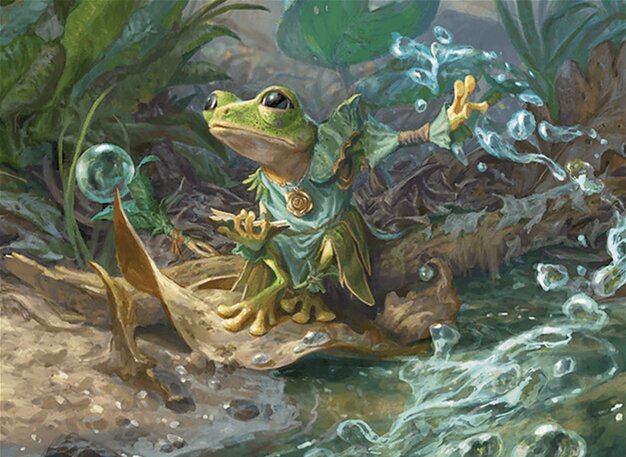
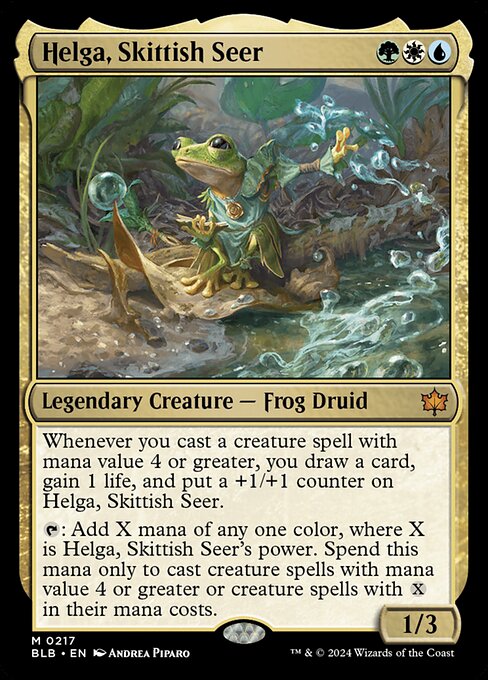
Helga, Skittish Seer
Helga's deck aims to generate value through flickering and recursion effects, bouncing permanents for card draw and protection, and controlling the board with tempo plays.
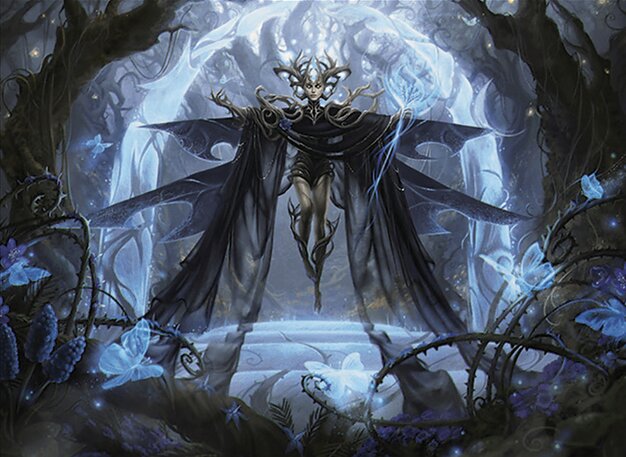
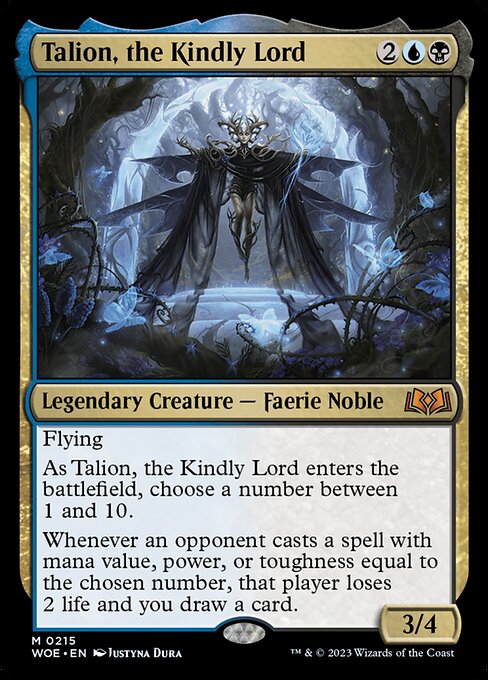
Talion, the Kindly Lord
Talion's deck focuses on fast mana acceleration and early deployment to leverage Talion's abilities, using tutors and rituals to execute a quick, impactful start and control the board.

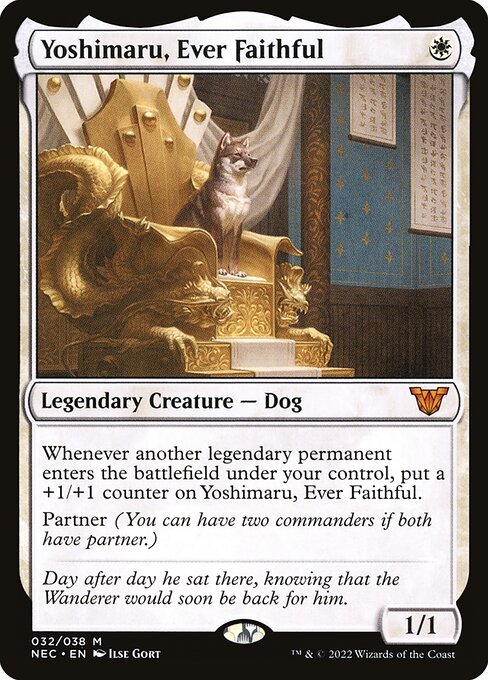
Yoshimaru, Ever Faithful
Yoshimaru's deck is built around creature synergy and resilience, aiming to establish a steady board presence through recursion and value creatures, though it was disrupted early in this game.
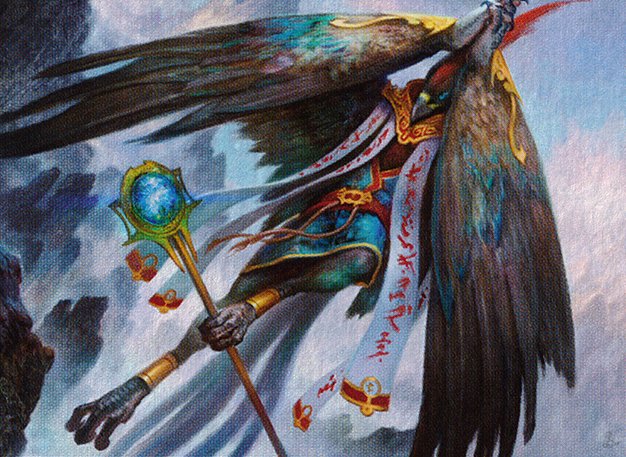
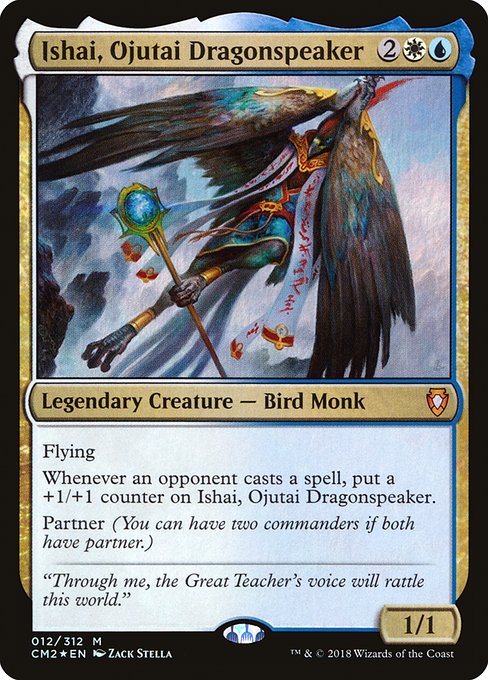
Ishai, Ojutai Dragonspeaker
Ishai's deck leverages incremental growth from combat and spells, focusing on protecting key permanents like Rhystic Study to generate card advantage and control the pace of the game.

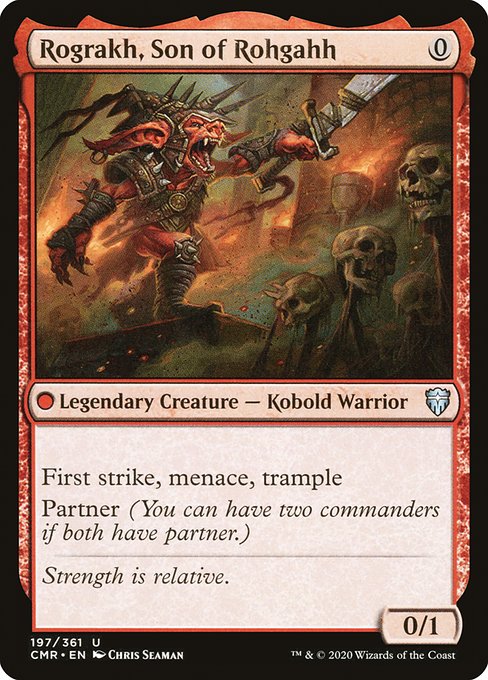
Rograkh, Son of Rohgahh
Rograkh's deck emphasizes aggressive plays and disruption, using direct damage and removal spells to control opponents while building a threatening board presence.
Gameplay Insights
- 1
Players prioritized protecting Rhystic Study due to its significant card draw advantage, even negotiating agreements to avoid targeting it.
- 2
Early removal of Yoshimaru disrupted that player's board strategy and shifted the dynamic of the game.
- 3
The use of Dark Ritual and Vampiric Tutor enabled a critical early Talion deployment that influenced the game tempo.
- 4
Players demonstrated careful timing in casting spells and activating abilities, balancing aggression with the need to maintain mana for interaction.
- 5
Negotiations and temporary truces over key permanents showcased the social and strategic complexity of multiplayer Commander games.
- 6
Use of counterspells and interaction like Misstep showed the importance of protecting key plays and disrupting opponents' plans.
Notable Cards
-
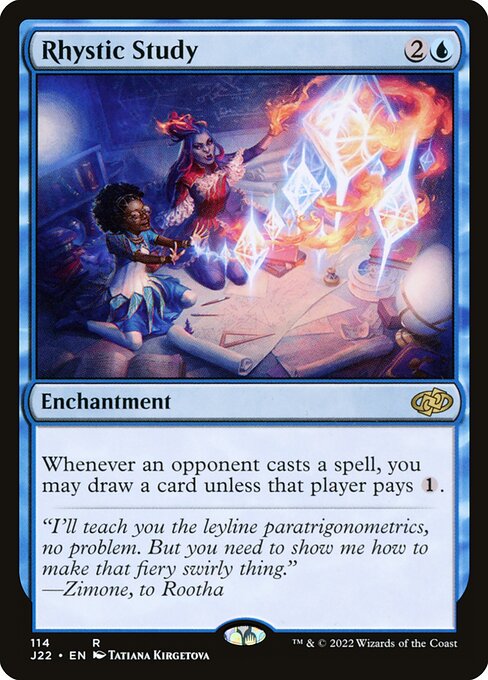
Rhystic Study
-

Dark Ritual
-
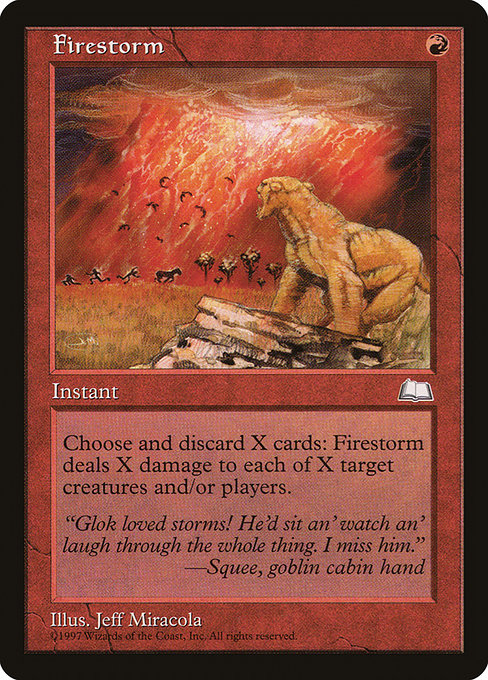
Firestorm
-
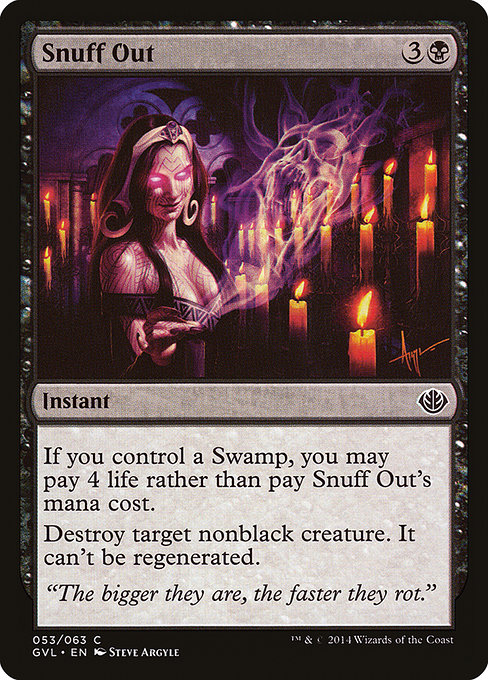
Snuff Out
-
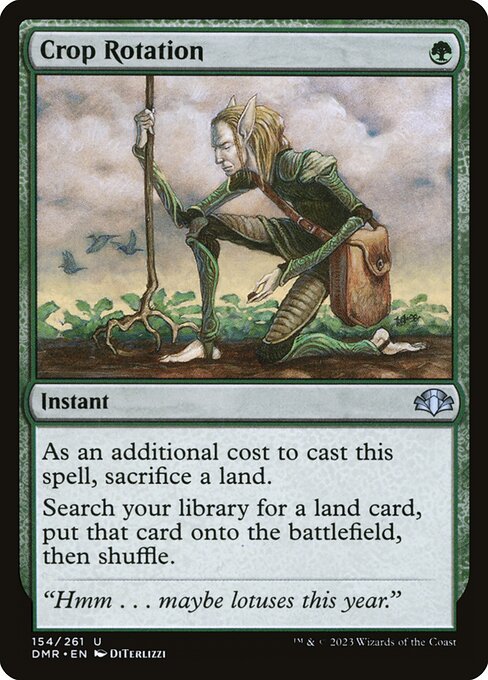
Crop Rotation
-
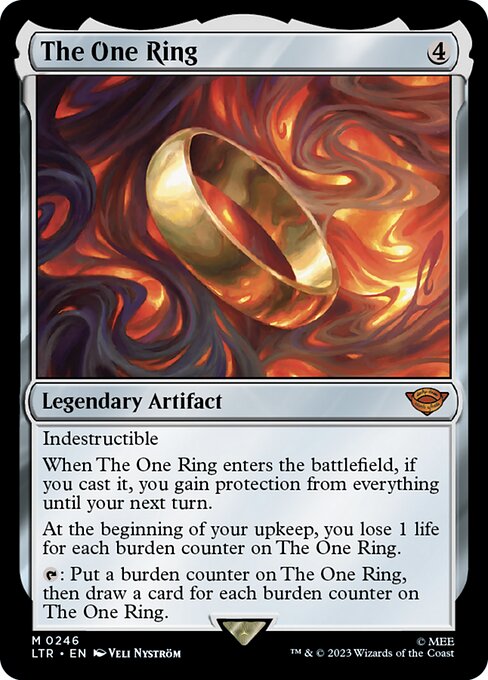
The One Ring
-
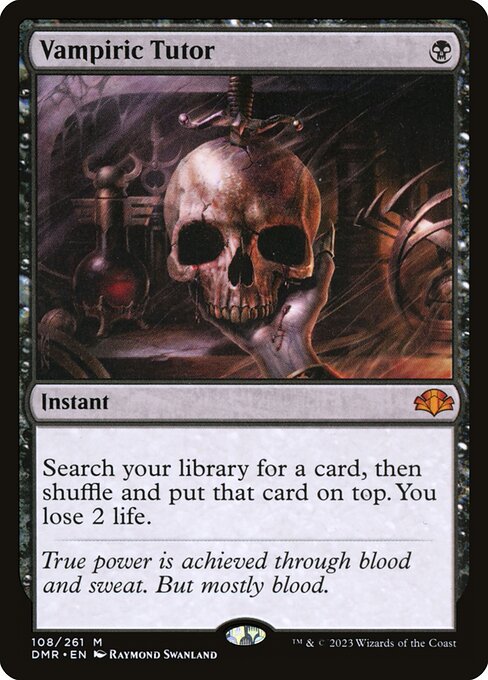
Vampiric Tutor
Gameplay Summary
The game began with players developing their mana bases and setting up early interaction.
Nelson aimed for an explosive start with Talion, leveraging Dark Ritual and Vampiric Tutor to try and deploy Talion as early as turn two.
Jason utilized protective elements like Mana Veil to shield his board and discount activation costs for his commander.
Carson focused on assembling a strong card draw engine centered around Rhystic Study, which became a pivotal card in the midgame, generating incremental advantages.
Early skirmishes involved tactical removals and counters, including the loss of Yoshimaru to removal spells and strategic decisions about when to engage or hold back from fights to preserve board state. As the game progressed, the players jockeyed for control, with multiple attempts to disrupt each other's key permanents.
The group negotiated temporary truces, such as agreements not to bounce or target Rhystic Study, acknowledging its power.
The tension built around card advantage and board presence, with players using spells like Dark Ritual, Firestorm, and recursion effects to maintain pressure.
The interplay of mana acceleration, protection, and targeted removal highlighted the delicate balance in competitive casual multiplayer, with players carefully timing their plays to optimize impact while avoiding overextension.
The game remained dynamic and interactive, centered on managing threats and leveraging incremental advantages from draw engines and commander synergies.


![Can Mono Commanders Stand up to Slop? [cEDH Gameplay] CABBAGE MAN v WAN SHI TONG v JAWS v ROG\ISHAI thumbnail](https://i.ytimg.com/vi/LtZwgmmZY_8/sddefault.jpg)


