

Deck & Commander Strategies
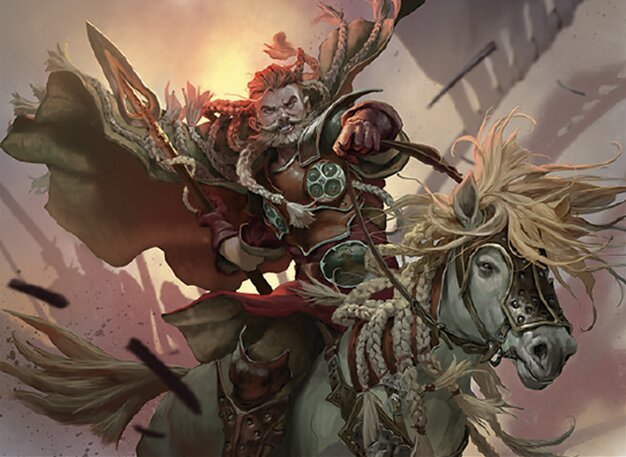
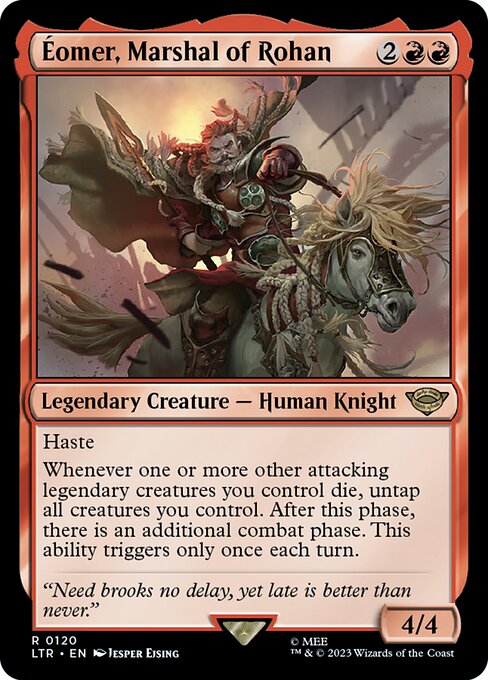
Éomer, Marshal of Rohan
Focuses on combat synergy and repeated combat phases, aiming to overwhelm opponents with multiple attacks and buffs to creatures, especially leveraging combat triggers.
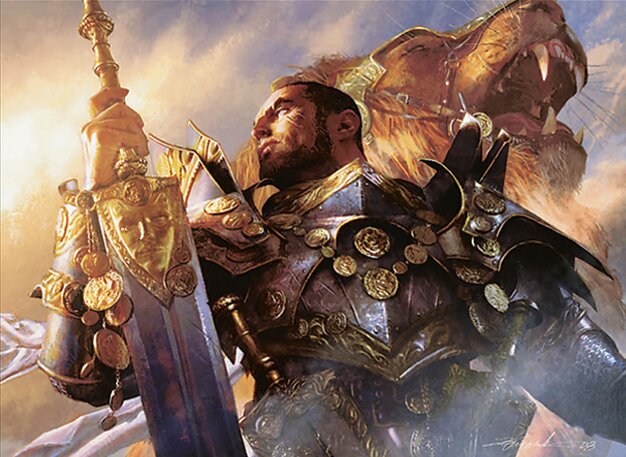
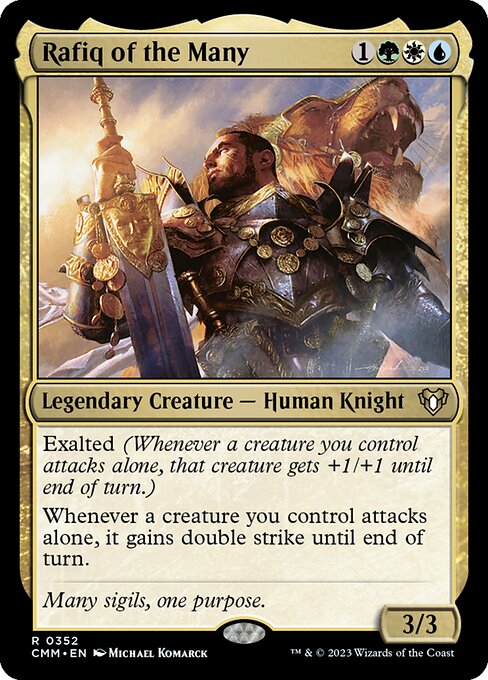
Rafiq of the Many
An aggressive Voltron-style deck that enhances the commander with double strike and other combat buffs to quickly deal commander damage and close out games.

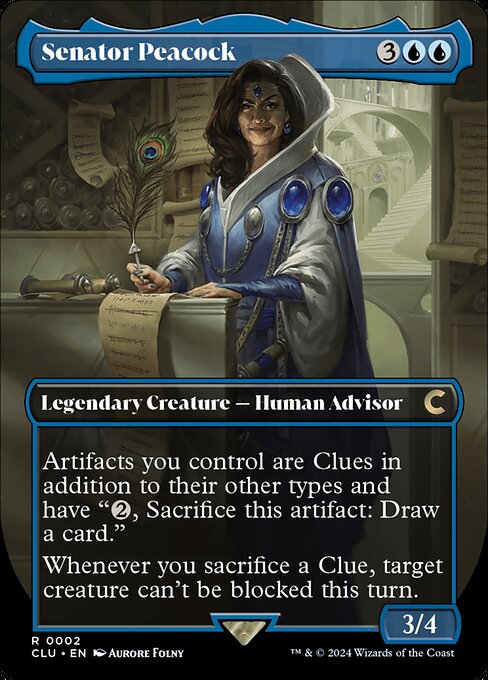
Senator Peacock
Utilizes a mix of janky, offbeat synergies with a focus on value from unusual card interactions and incremental advantage, often relying on clues and unique artifacts.
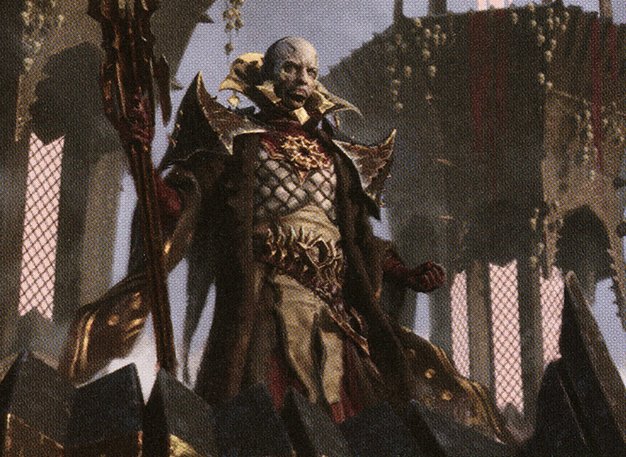
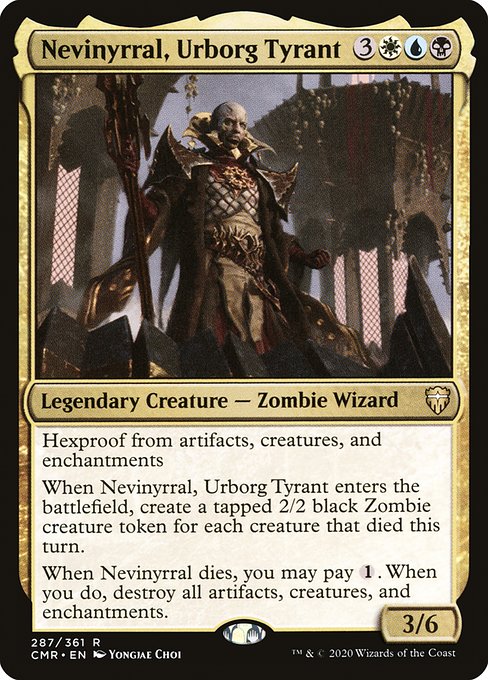
Nevinyrral, Urborg Tyrant
Graveyard-centric control deck that leverages powerful creatures and recursion, aiming to create board presence by putting cards into the graveyard and reanimating threats.
Gameplay Insights
- 1
Using clues as a resource for card draw and fueling graveyard interactions added significant value during midgame turns.
- 2
Attaching double strike and other combat buffs to commanders and key creatures maximized damage output efficiently.
- 3
Scrying combined with reactive clue sacrifice allowed players to manipulate their draws and maintain tactical advantage.
- 4
Deploying taxing creatures like Imposing Sovereign slowed down aggressive decks reliant on haste, buying crucial time.
- 5
Early ramp spells such as Cultivate and Growth Spiral accelerated the game pace, enabling quicker deployment of threats.
Notable Cards
-

Cultivate
-
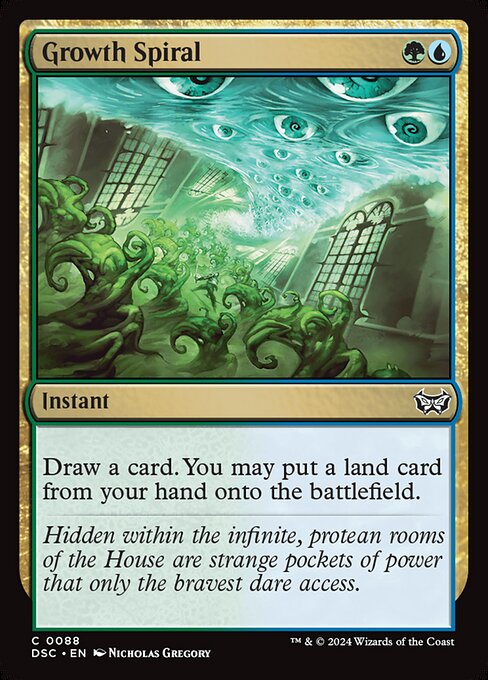
Growth Spiral
-
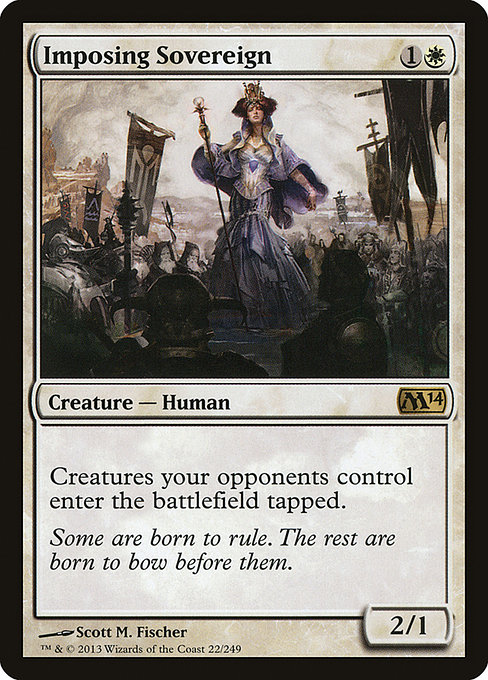
Imposing Sovereign
-
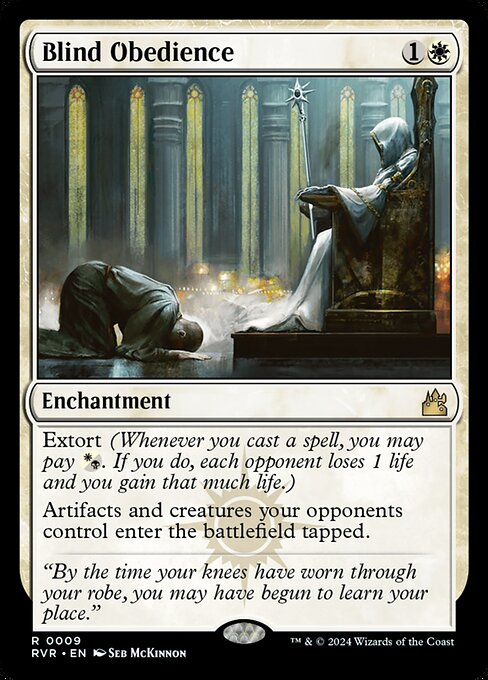
Blind Obedience
-
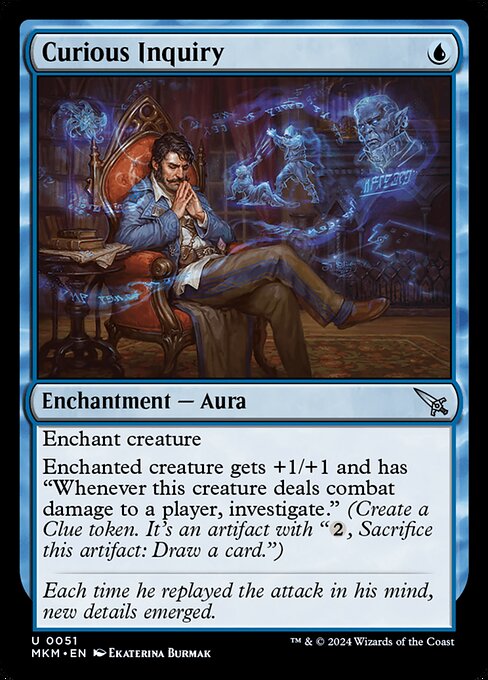
Curious Inquiry
-

Talisman of Progress
-
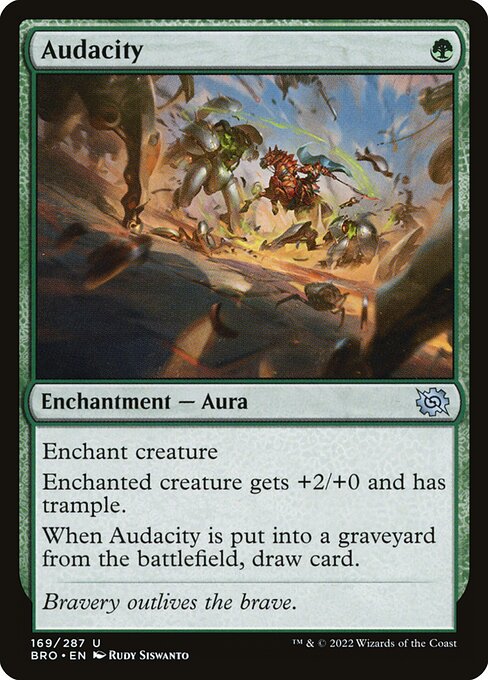
Audacity
Gameplay Summary
The game started with players ramping aggressively, quickly establishing mana bases and deploying early creatures and utility artifacts.
Key early plays included casting ramp spells like Growth Spiral and Cultivate, and setting up card draw engines with clues and curious inquiries.
One player developed a strong board presence with a creature that gains counters when dealing combat damage, enabling card draw and free casting of discarded cards, helping maintain card advantage. As the game progressed, players began deploying impactful creatures such as Nahiri Dreadhorde Champion and Gravebreaker, the latter synergizing with graveyard strategies by putting cards into the graveyard upon entering the battlefield.
Combat phases were active, with players trading blows and applying pressure, notably with double strike enhancements turning relatively small creatures into significant threats.
Control elements like Imposing Sovereign and Blind Obedience slowed aggressive strategies by taxing attackers, while tactical discards and scrying ensured players optimized their draws. The game’s pivotal moments revolved around managing resources efficiently—sacrificing clues for card draw, leveraging graveyard recursion, and capitalizing on combat triggers.
The balance between aggressive damage output and card advantage engines set the stage for a potential combo or overwhelming board state, though the game was still in mid-progress with no clear winner yet.


