



Deck & Commander Strategies
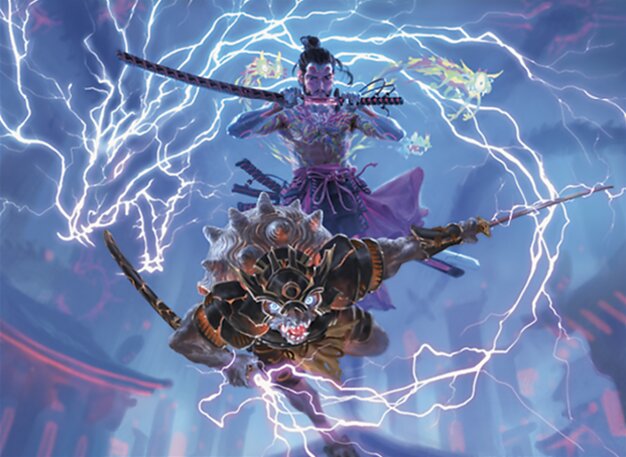
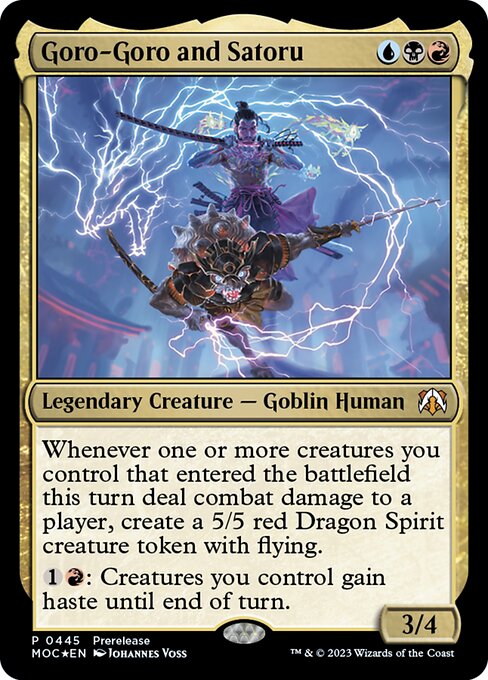
Goro-Goro and Satoru
Swarm the battlefield with creatures and deal damage immediately to create spirit dragon tokens, overwhelming opponents with flying threats.
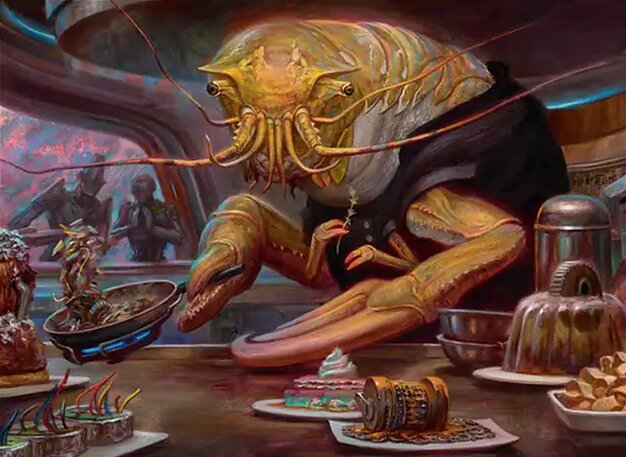
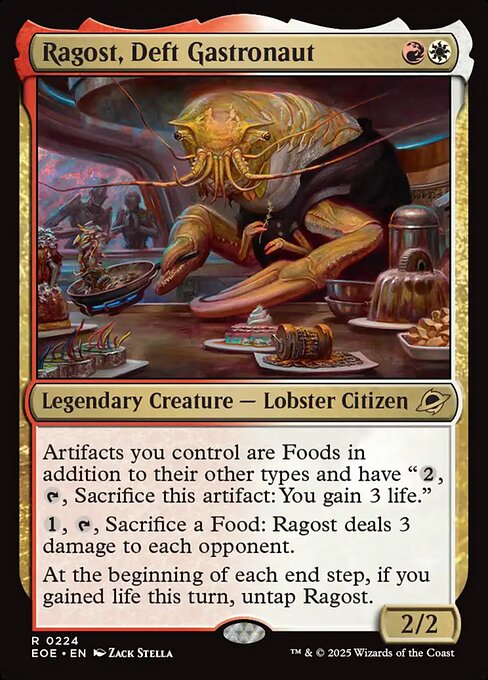
Ragost, Deft Gastronaut
Generate and sacrifice food tokens to control the board and deal incremental damage, using artifact synergies for value.

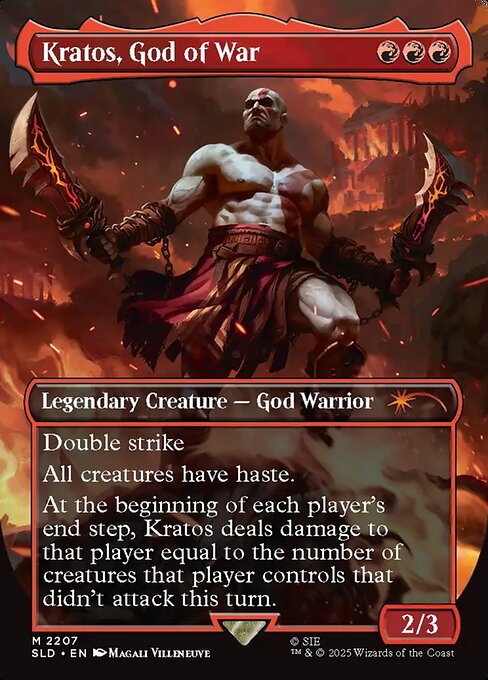
Kratos, God of War
Utilize haste granted to all creatures along with damage doublers to quickly eliminate opponents via aggressive combat damage.
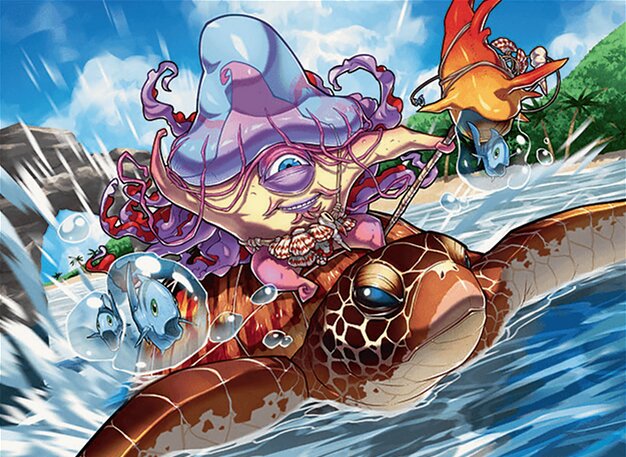
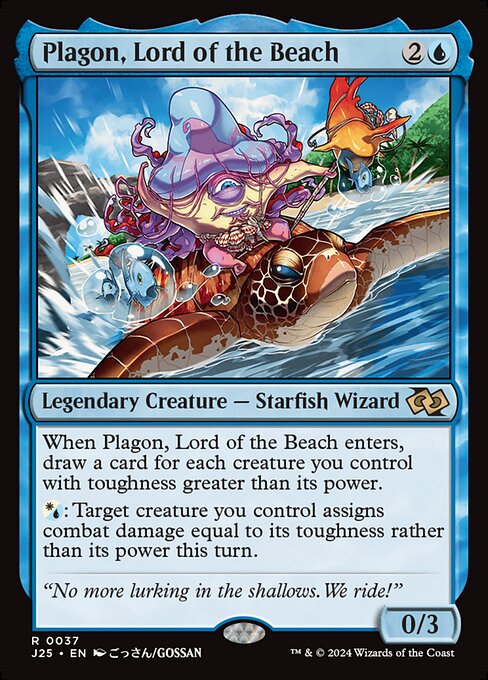
Plagon, Lord of the Beach
Mill opponents' libraries using a synergy of sea creatures with high toughness, card draw, and enchantments like Sphinx's Tutelage.
Gameplay Insights
- 1
Rachel’s milling strategy leveraged creatures with high toughness and enchantments to steadily deplete opponents’ libraries.
- 2
Jim focused on maximizing damage output by playing creatures that generate spirit dragon tokens upon attacking, creating a wide air force.
- 3
Brian capitalized on haste and damage multipliers to threaten rapid eliminations, forcing players to respond quickly.
- 4
Olivia’s food token generation created a flexible resource pool for life gain, damage, and board control, supporting sustained pressure.
- 5
The interaction between life gain effects and cards that prevent life gain in Brian’s deck introduced an interesting tension and potential combo.
- 6
Conjurer's Closet was used to repeatedly flicker a key creature, increasing value over multiple turns.
Notable Cards
-
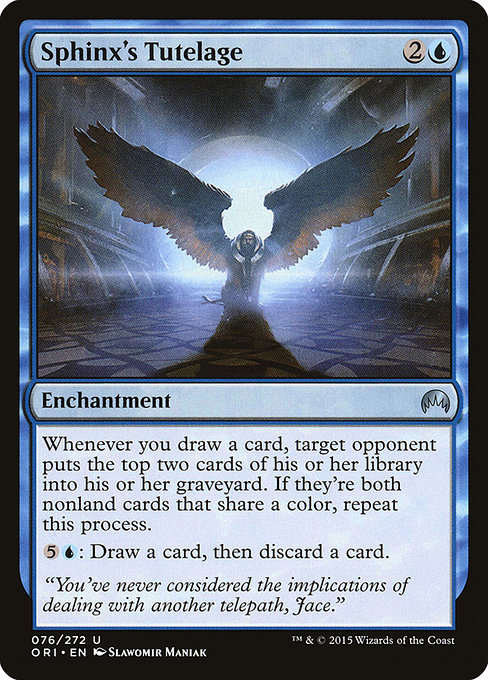
Sphinx's Tutelage
-
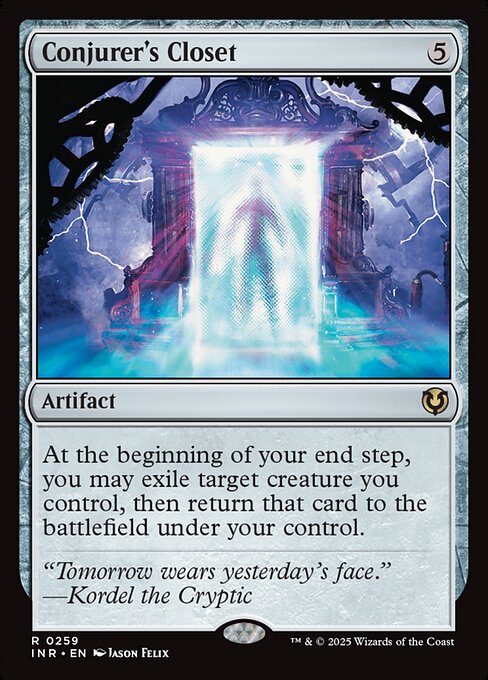
Conjurer's Closet
-
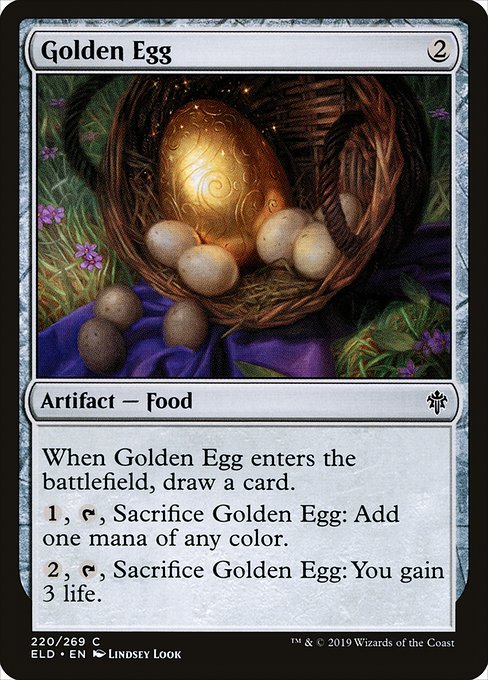
Golden Egg
Gameplay Summary
The game began with players establishing their board states and setting up their respective strategies early on.
Rachel’s deck, focusing on mill via sea creatures and enchantments like Sphinx's Tutelage, quickly started to grind down opponents' libraries by leveraging creatures with high toughness and consistent card draw.
Jim’s Goro-Goro and Satoru deck aimed to swarm the board with creatures that trigger spirit dragon tokens upon attacking, creating a wide flying army to close out the game swiftly.
Brian’s Kratos, God of War deck was designed for fast-paced aggression with haste and damage multipliers, threatening quick eliminations once a critical mass of creatures appeared.
Olivia piloted Ragost, Deft Gastronaut, utilizing food tokens as a resource to control the board and apply pressure through sacrifice and damage effects. Throughout the game, key moments included Rachel successfully milling opponents for multiple cards each turn, steadily wearing down libraries with her enchantments.
Jim's board presence grew steadily as he deployed creatures to trigger large amounts of damage and token production.
Brian’s aggressive plays with haste and damage doublers kept opponents on their toes, forcing defensive plays or risk losing life rapidly.
Olivia’s food token synergies allowed her to repeatedly generate value and deal incremental damage, balancing well with her deck’s thematic elements.
The game’s tension rose as each player tried to leverage their unique win conditions—mill for Rachel, token swarm for Jim, explosive damage for Brian, and incremental value and control for Olivia—making it a dynamic and interactive match.





![Mono Color Madness | Herumkommandiert #21 | EDH [Deutsch] thumbnail](https://i.ytimg.com/vi/CRQPe4c2oXY/sddefault.jpg)


