

Deck & Commander Strategies
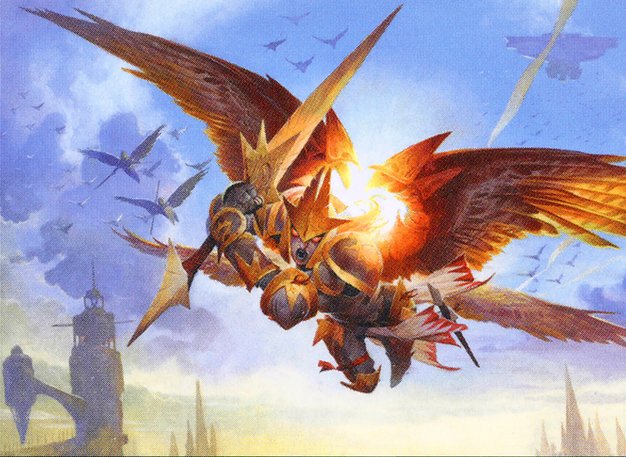
Feather, the Redeemed
Utilizes instant and sorcery spells that target creatures to repeatedly return them to hand, generating value and incremental damage while controlling the board. The deck aims to leverage tokens and efficient creatures to close out the game through combat damage.
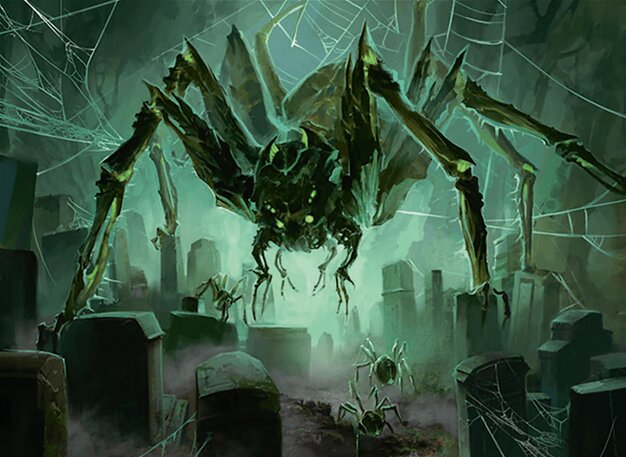
Ishkanah, Grafwidow
Builds a large spider army through token generation and graveyard synergies (delirium). Ishkanah drains opponents' life totals based on the number of spiders controlled, gaining incremental advantage and board control with reach creatures.
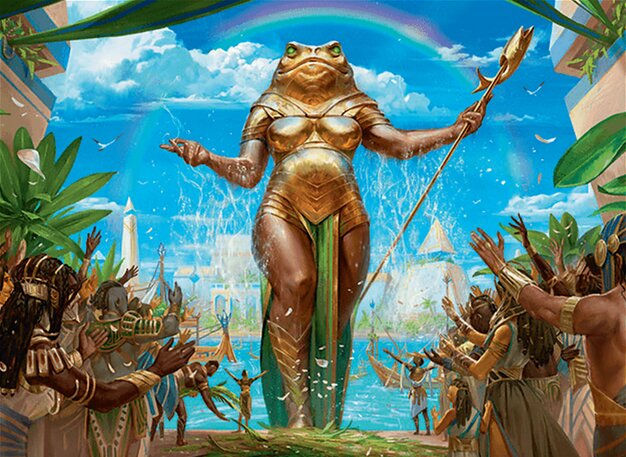
Sab-Sunen, Luxa Embodied
Focuses on card draw and value by manipulating counter states on Sab-Sunen to maximize her triggered ability, supported by a frog tribal synergy that emphasizes incremental advantage and resilience.
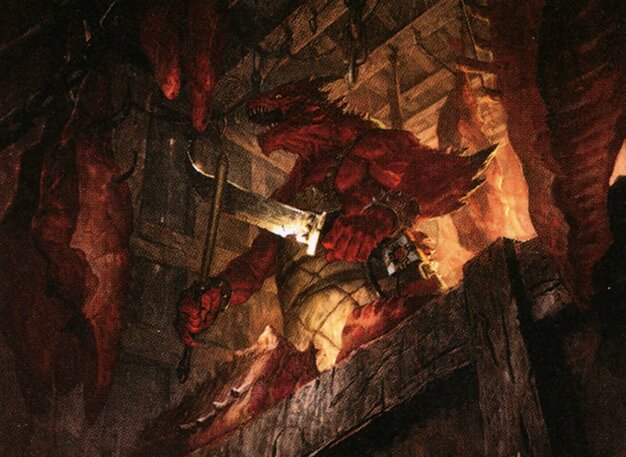
Thrakkus the Butcher
A Gruul dragon stompy deck that aims to deploy large dragons and use Thrakkus's ability to double their power at end of turn, overwhelming opponents with massive flying threats.
Gameplay Insights
- 1
Ishkanah's use of Cover of Darkness granted fear to all spiders, making her tokens unblockable by most opponents and shifting combat dynamics heavily in her favor.
- 2
Feather's early deployment of Ragavan provided consistent treasure generation and card advantage, maintaining pressure through incremental damage and enabling continuous spellslinger triggers.
- 3
Sab-Sunen's management of counters to maintain an odd number for drawing multiple cards each turn created a strong engine for card advantage, which proved key to staying in the game.
- 4
Thrakkus's strategy hinged on assembling a critical mass of dragons to capitalize on his ability doubling power, but early game board states and removal from other players slowed his momentum.
- 5
Political interactions and targeted removal shaped the board state heavily, especially with Feather and Ishkanah applying pressure and disrupting Thrakkus and Sab-Sunen's plans.
Notable Cards
-
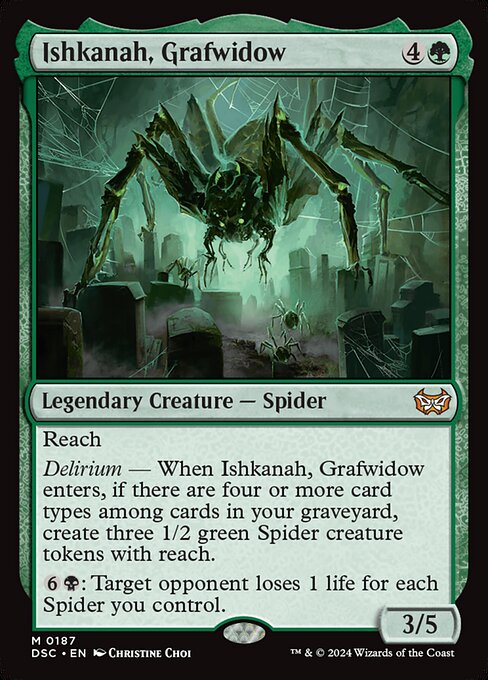
Ishkanah, Grafwidow
-
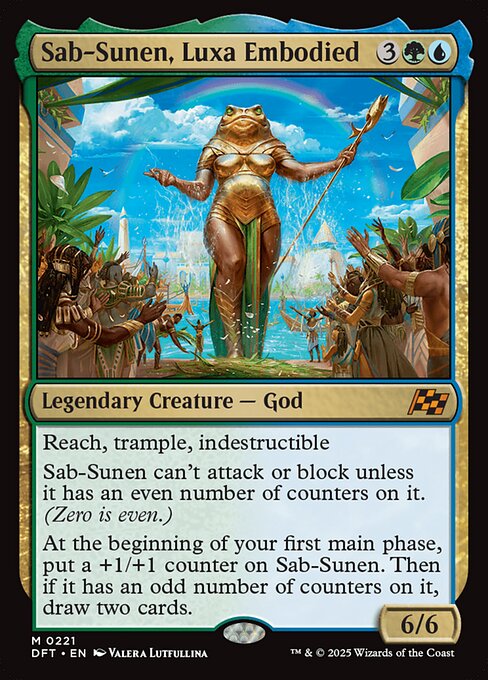
Sab-Sunen, Luxa Embodied
-
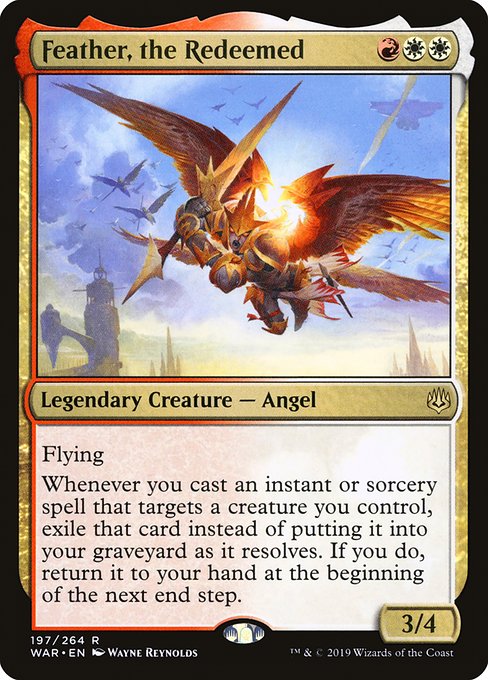
Feather, the Redeemed
-
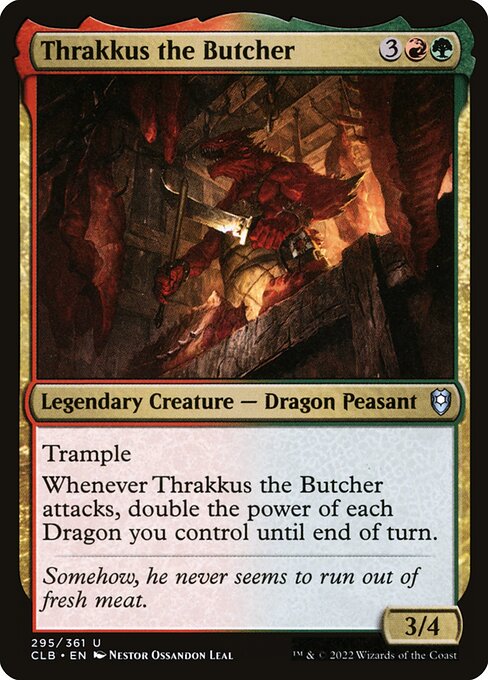
Thrakkus the Butcher
-
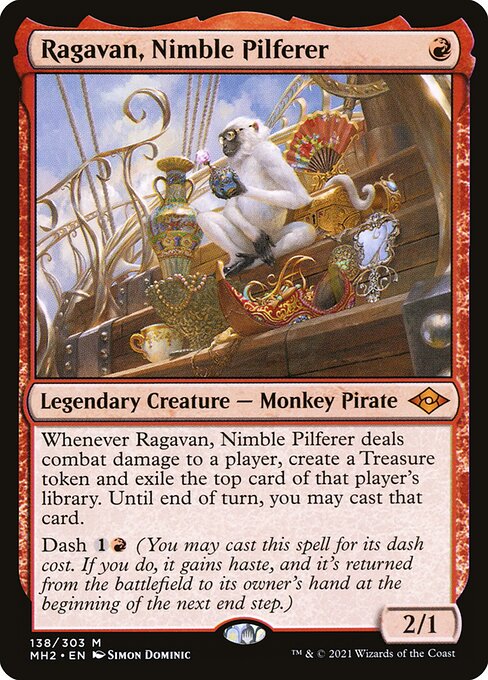
Ragavan, Nimble Pilferer
-
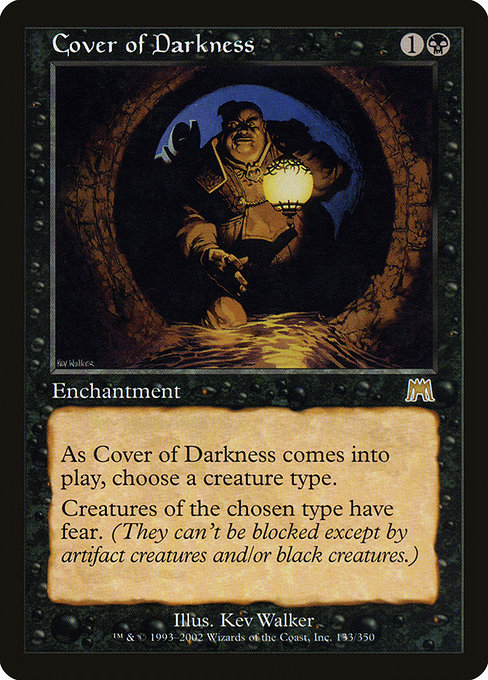
Cover of Darkness
-
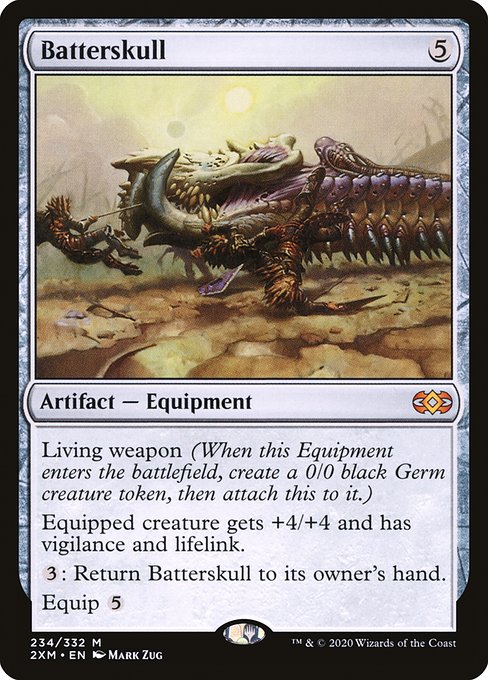
Batterskull
-
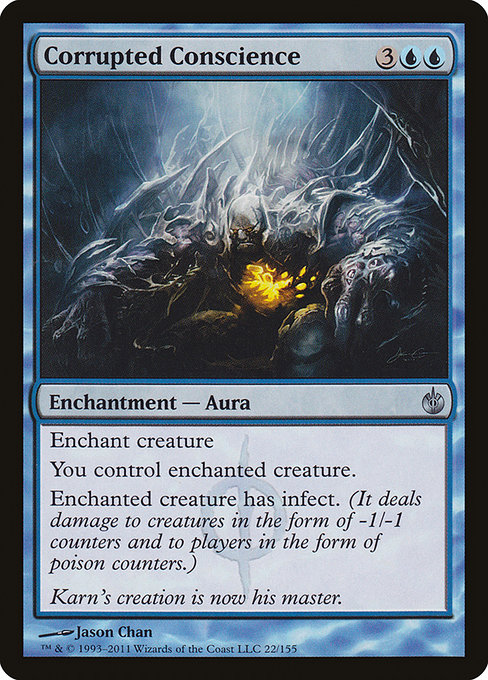
Corrupted Conscience
Gameplay Summary
The Guild War finale featured a dynamic and chaotic four-player Commander game, pitting the Golgari spider tribal deck led by Ishkanah, Grafwidow against Sab-Sunen's Simic frog deck focused on card draw, Feather, the Redeemed's Boros spellslinger tactics, and Thrakkus the Butcher's Gruul dragon stompy strategy.
Early turns saw players establishing their boards with ramp and creatures, with Feather leveraging spellslinger mechanics and Ragavan for early pressure, while Ishkanah began building a spider army enhanced by Cover of Darkness granting fear to spiders, significantly increasing evasiveness.
Sab-Sunen worked on maintaining an odd number of counters to maximize card draw, supported by frog synergies, while Thrakkus aimed to flood the board with dragons and boost their power with his attack triggers.




![Commander VS S16E4: Endrek Sahr VS Zegana VS Ishkanah VS Marton [EDH] thumbnail](https://i.ytimg.com/vi/Ju3QFWvBHfk/sddefault.jpg)
![Commander VS S4E3: Emrakul vs Gisa and Geralf vs Ishkanah vs Ulrich [MtG: Multiplayer] thumbnail](https://i.ytimg.com/vi/ThoExHZN_qw/sddefault.jpg)


![Season Finale Fan Special [Commander VS 305] | Magic: the Gathering Commander Gameplay thumbnail](https://i.ytimg.com/vi/4VCbfC4ADDk/sddefault.jpg)


