
Deck & Commander Strategies

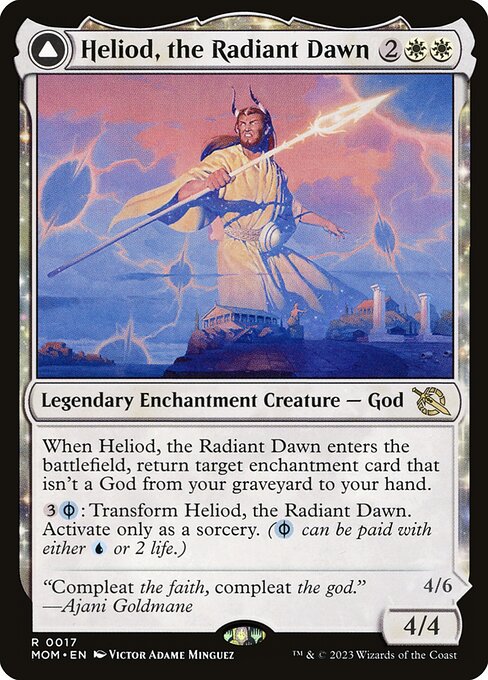
Heliod, the Radiant Dawn
Utilizes control and wheel effects to disrupt opponents while generating value from enchantments and life gain, aiming to outlast and stabilize the board before winning through incremental advantage or combos.

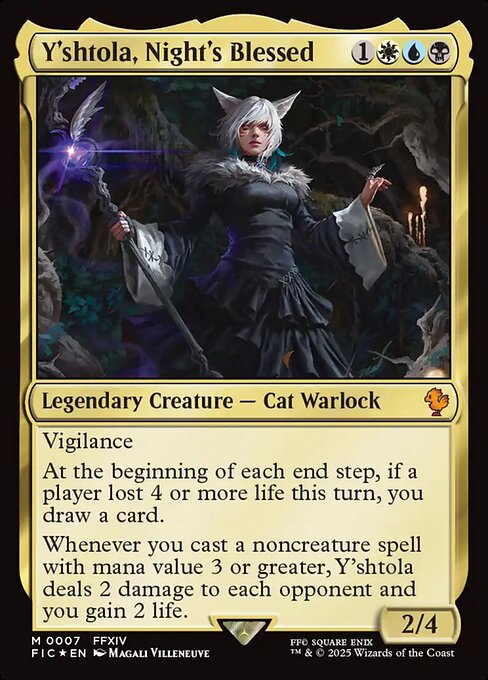
Y'shtola, Night's Blessed
Leverages landfall and elemental synergies with ramp and card draw to generate a wide board presence and overwhelming value, aiming to pressure opponents through continuous resource advantage.

The Wandering Minstrel
Focuses on artifact synergies, ramp, and aggressive card draw engines to maintain tempo and board presence, aiming to control the pace of the game and deliver quick threats.

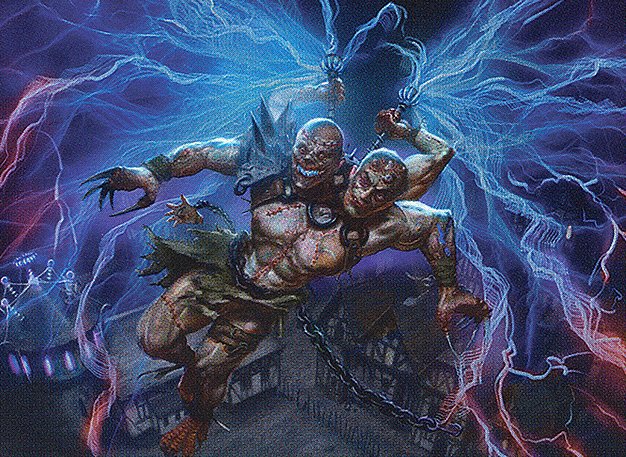
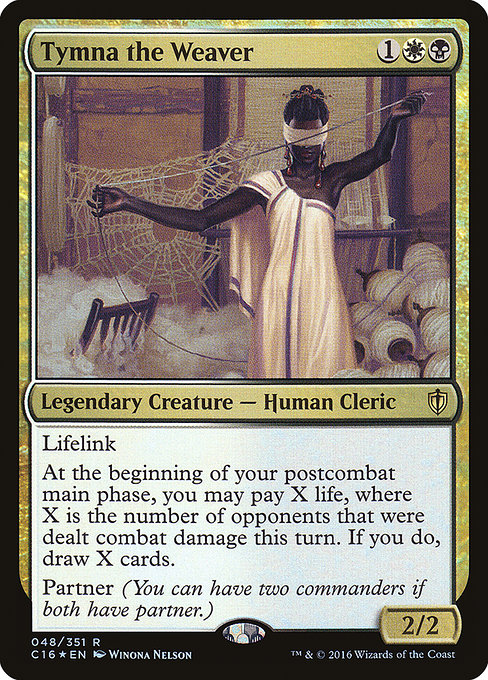
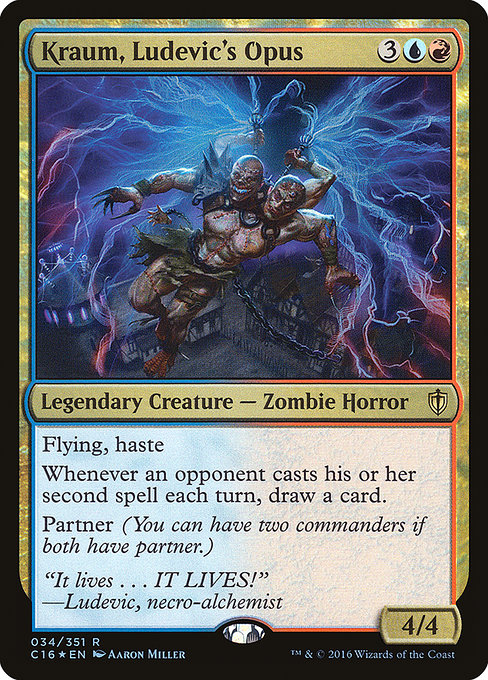
Tymna the Weaver and Kraum, Ludevic's Opus
Employs midrange blue farm techniques using efficient spells, card draw, and artifact recursion like Paradoxical Outcome to maintain flexibility, disrupt opponents, and assemble combos for a decisive finish.
Gameplay Insights
- 1
The use of Paradoxical Outcome to bounce multiple artifacts and draw cards was a pivotal move allowing for card advantage and board reset in Tymna/Kraum's deck.
- 2
Y'shtola's reliance on landfall triggers and ramp was effectively slowed down by timely counterspells like Force of Will, demonstrating the importance of disruption in cEDH.
- 3
Transforming Heliod into its Warped Eclipse side was a key strategic shift that enhanced board control and pressure potential.
- 4
Sequencing of triggers and mana floating was carefully managed to maximize value from Nissa and other ramp elements, showing how timing impacts explosive plays.
- 5
The interplay between tutors and fast mana allowed players to quickly assemble critical pieces, underscoring the high-speed nature of this cEDH game.
Notable Cards
-
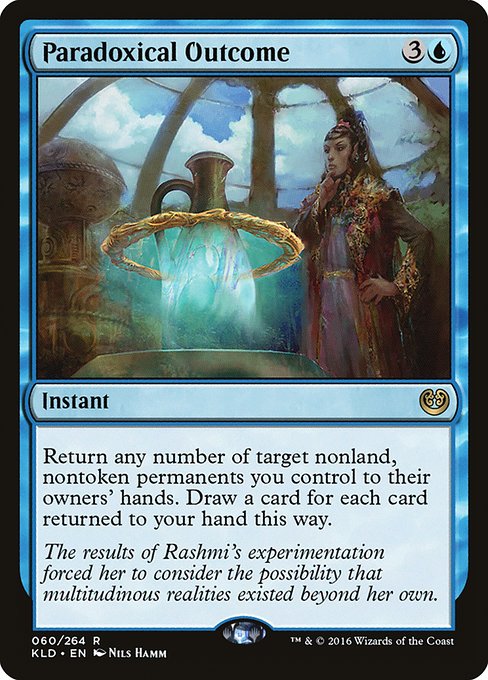
Paradoxical Outcome
-
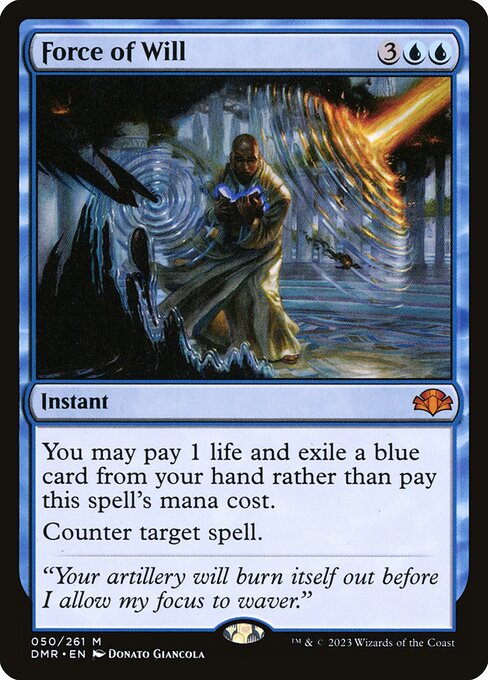
Force of Will
-
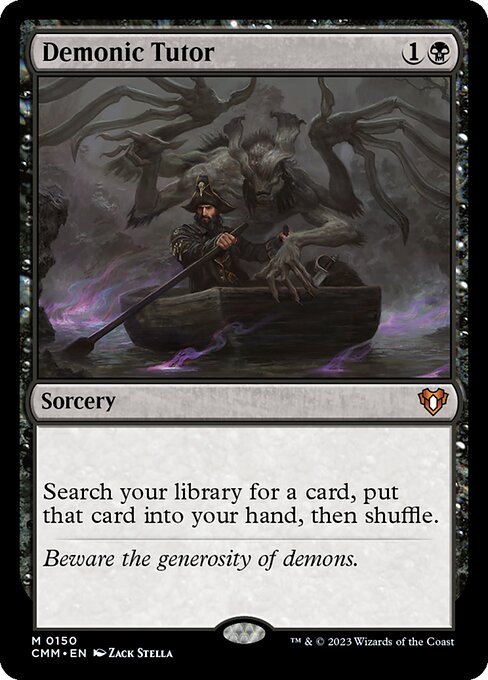
Demonic Tutor
-
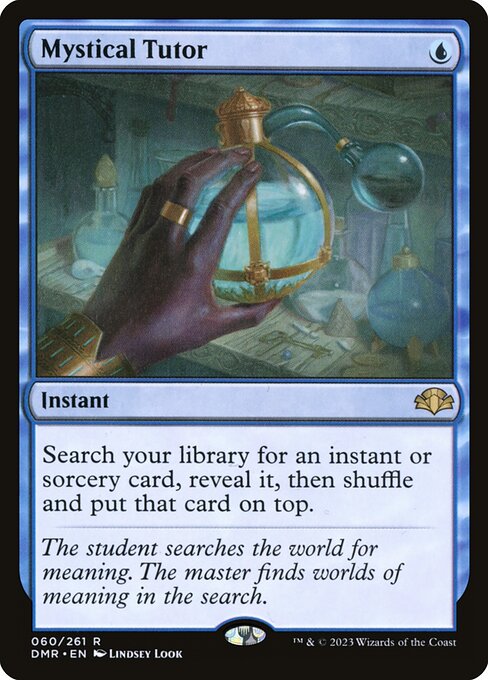
Mystical Tutor
-
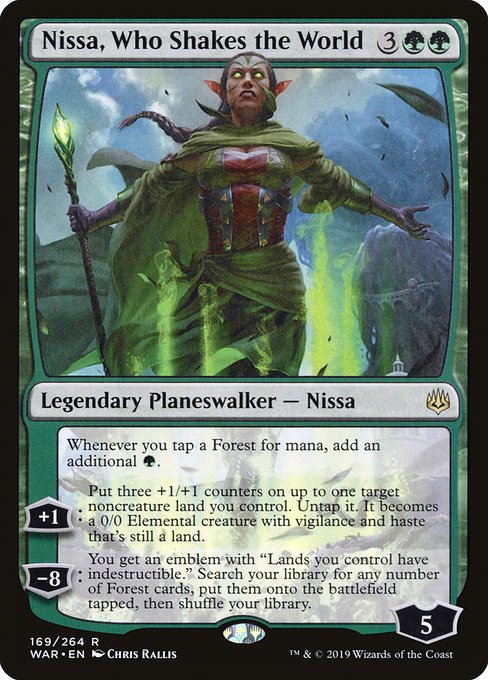
Nissa, Who Shakes the World
-
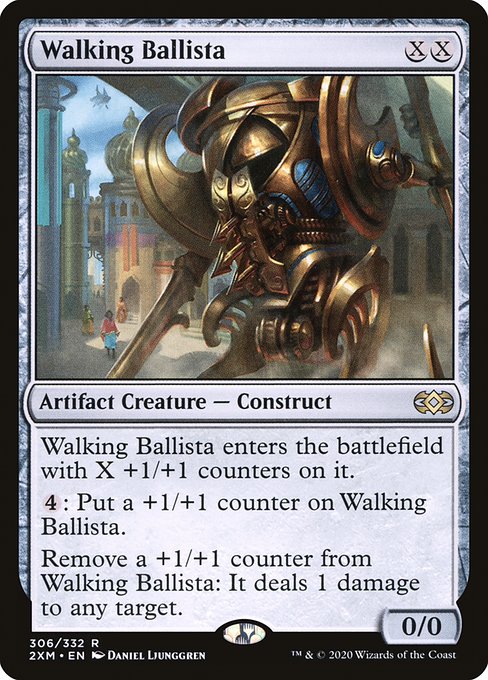
Walking Ballista
-
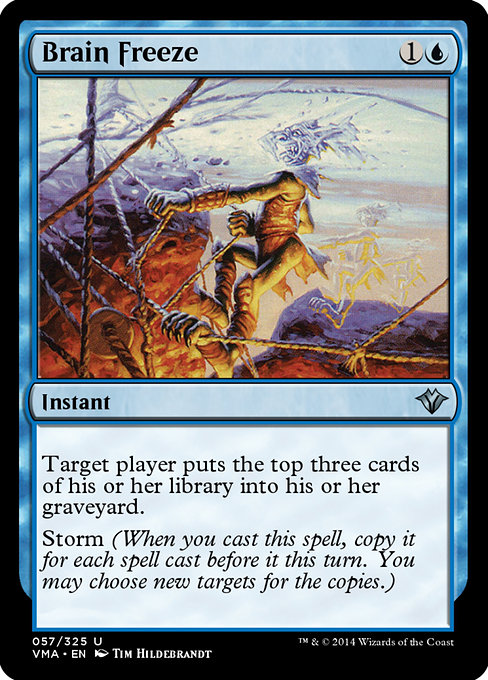
Brain Freeze
-

Shielded by Faith
Gameplay Summary
The game began with each player setting up their mana bases and early plays, including ramp and card draw.
Heliod started establishing control elements while Y'shtola focused on ramp and card advantage through landfall triggers and elemental synergies.
The Wandering Minstrel deck used artifact interactions and card draw engines to maintain tempo and resource advantage.
Tymna and Kraum's deck aimed to leverage midrange blue farm strategies with spells like Paradoxical Outcome to recycle artifacts and draw cards, maintaining flexibility and board presence. Key turning points included the successful transformation of Heliod into its Warped Eclipse side, enabling more aggressive plays and board control.
Significant plays involved casting Paradoxical Outcome to return multiple artifacts and draw cards, which allowed Tymna/Kraum to refill their hand and continue applying pressure.
Y'shtola's ramp and Nissa triggers generated multiple lands and card advantage but faced disruption from opponents' counterspells such as Force of Will, which slowed down their progression.
The game featured interactions around card advantage, control elements, and ramp, with players using tutors, counterspells, and recursion to maintain board presence and threaten combos.
The game was marked by explosive mana usage, stack interactions, and careful sequencing to gain incremental advantages.