

Deck & Commander Strategies

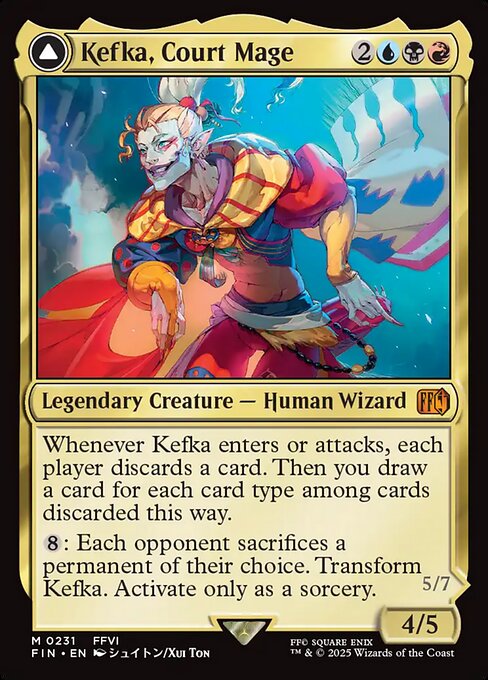
Kefka, Court Mage // Kefka, Ruler of Ruin
Leverage disruption through forced discards and damage, paired with token generation and spell control to outvalue opponents and close out the game with incremental damage and board presence.
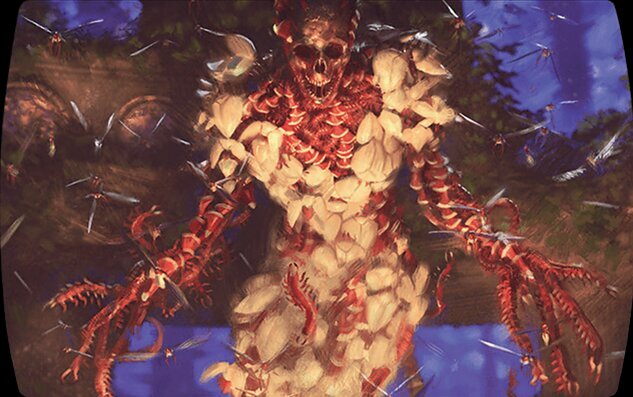
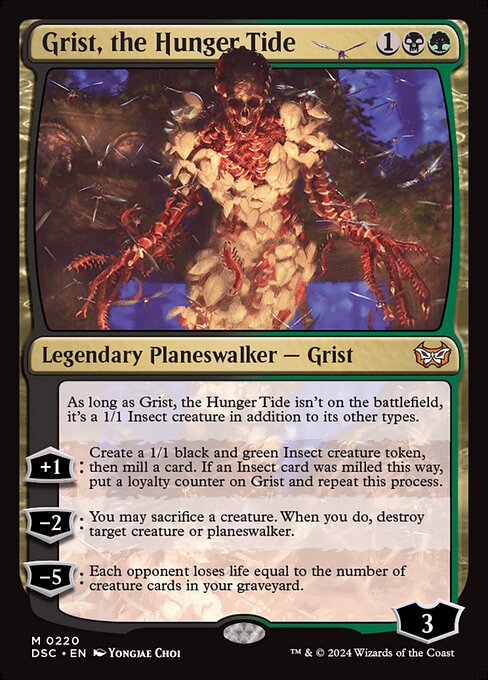
Grist, the Hunger Tide
Mill opponents and generate insect tokens using loyalty abilities, setting up graveyard combos and value engines like Hoarding Runebinder and Viserasier to overwhelm opponents.

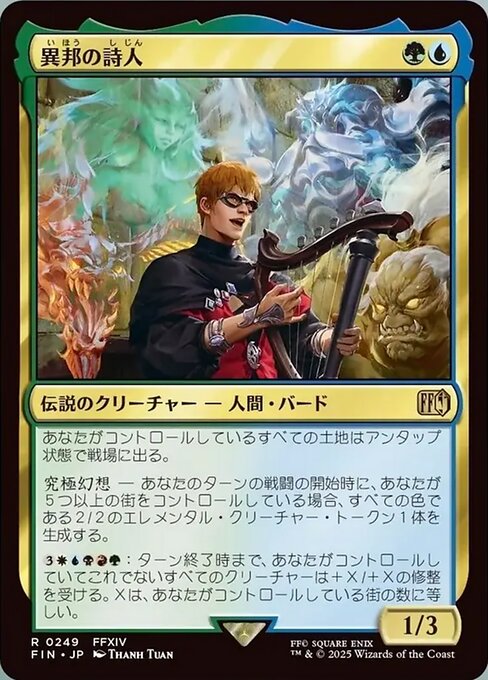
The Wandering Minstrel
Ramp quickly with mana artifacts and lands, use card draw engines like Rhystic Study to maintain resources, and apply early commander damage while controlling the board with spells.
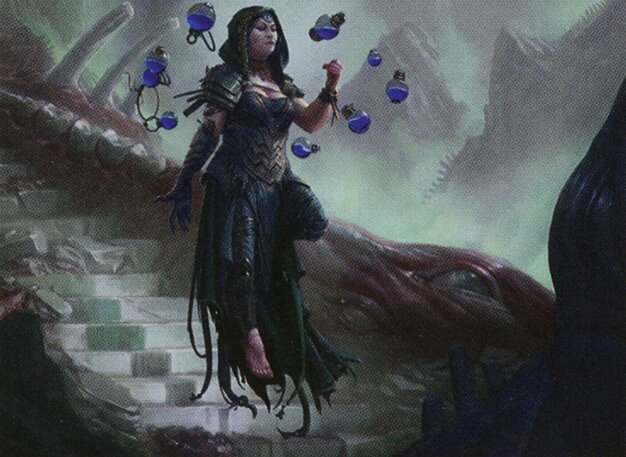
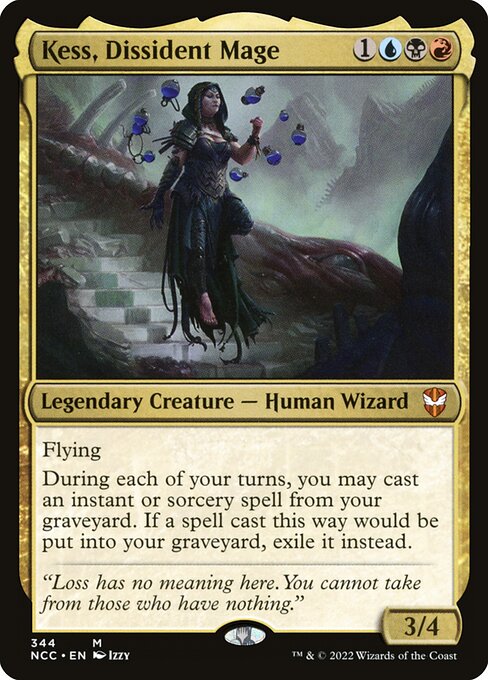
Kess, Dissident Mage
Control the board with efficient spells and recursion, use tutors to find key spells, and leverage the graveyard to replay impactful instants and sorceries for value and control.
Gameplay Insights
- 1
Mayhem Devil’s damage trigger effectively disrupts Grist’s combo line involving sacrifice and token generation, forcing Grist to pivot strategy.
- 2
Rhystic Study consistently pressures players to either pay mana or allow card draw, influencing resource allocation and player decisions.
- 3
Kefka’s discard ability targets non-sorcery/enchantment cards, forcing opponents to adjust their hands and play around potential disruption.
- 4
Players prioritize incremental value and board development early to set up for potential combos or control elements later in the game.
- 5
The Wandering Minstrel uses early commander damage to establish a clock and pressure opponents while maintaining card advantage through Rhystic Study.
Notable Cards
-
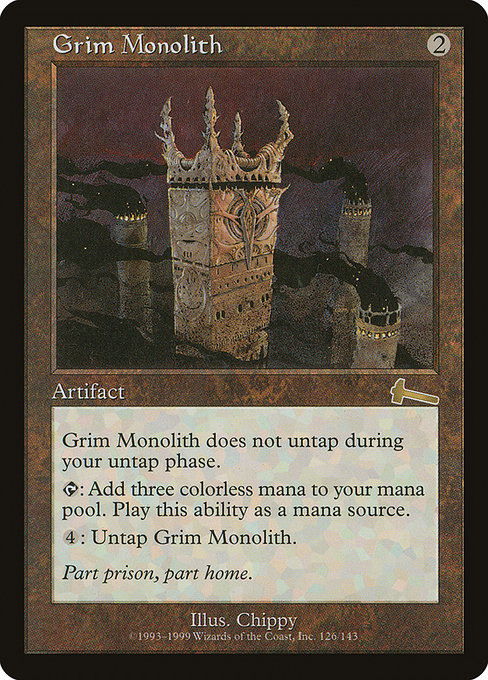
Grim Monolith
-
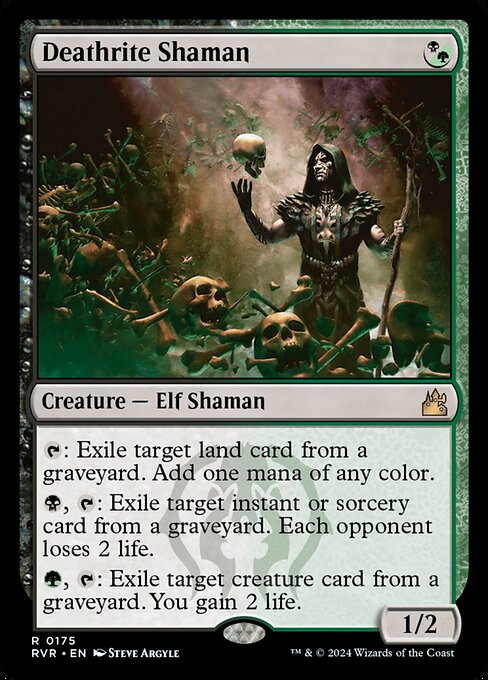
Deathrite Shaman
-
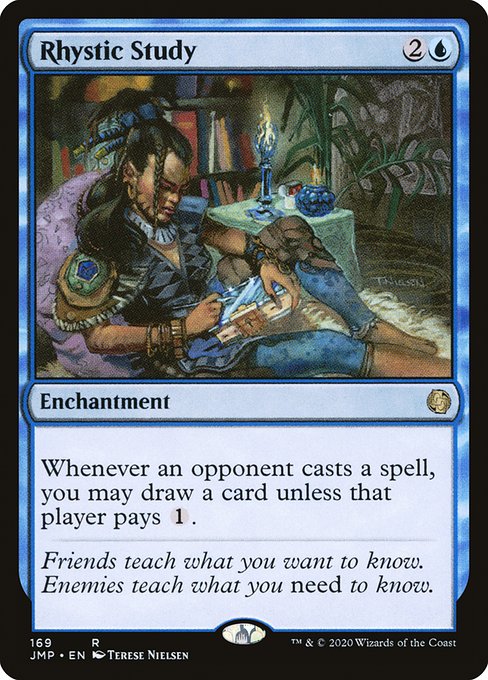
Rhystic Study
-
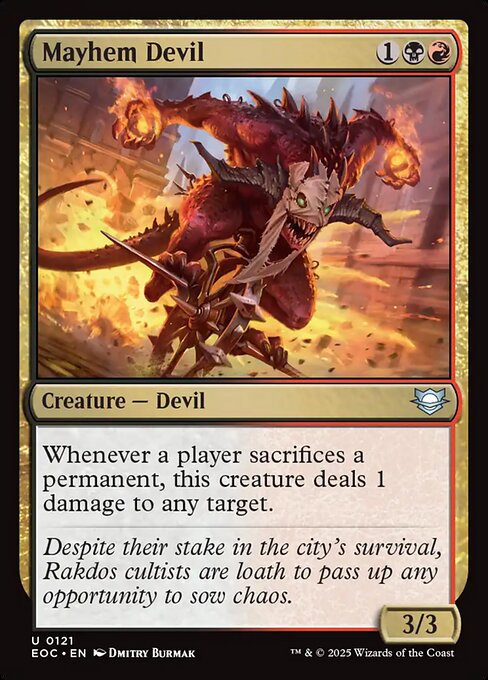
Mayhem Devil
-
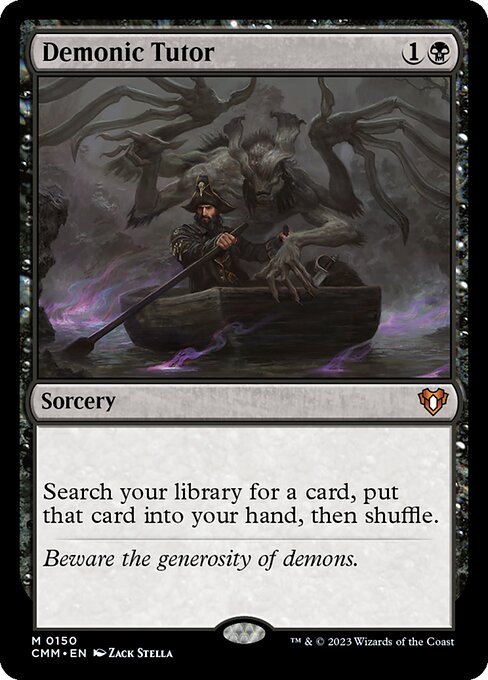
Demonic Tutor
-
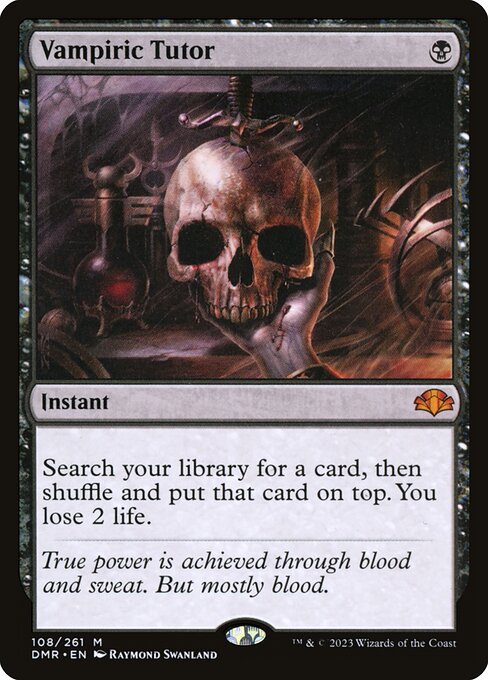
Vampiric Tutor
-
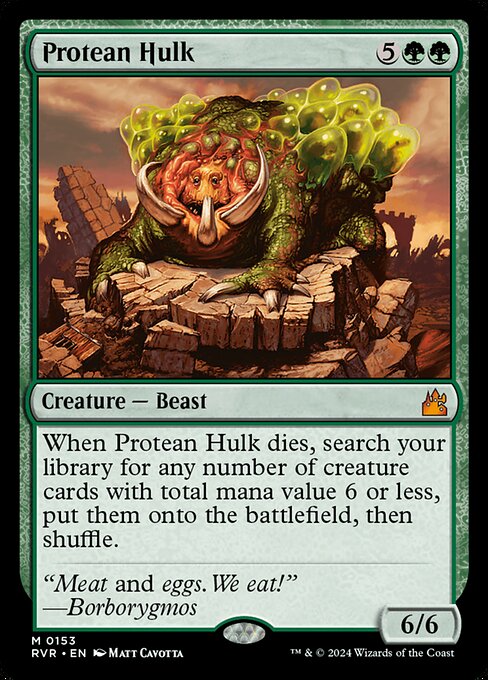
Protean Hulk
Gameplay Summary
The game begins with all four players quickly developing their boards and ramping mana.
Early plays include Soul Ring and Grim Monolith for fast mana, Deathrite Shaman for utility, and multiple draws with Rhystic Study.
Grist, the Hunger Tide emerges early, using its loyalty abilities to mill cards and create insect tokens, and even hits a Hoarding Runebinder, signaling a strong graveyard synergy deck.
The Wandering Minstrel sets up with mana acceleration and card draw, while Kefka deploys early pressure and forces opponents to discard non-sorcery/enchantment cards, leveraging its disruptive abilities. Mayhem Devil proves to be a significant tempo deterrent, interfering with Grist's potential combo lines, which involve creatures like Protean Hulk and Viserasier.
The players carefully navigate around it, with Grist focusing instead on incremental value and milling.
Kess employs classic spell recursion and tutoring tactics, using Vampiric Tutor and Demonic Tutor to find key spells and further control the board.
Commanders are used aggressively to establish board presence and apply commander damage, as seen with the Wandering Minstrel hitting for commander damage early. Throughout the game, Rhystic Study triggers create tension and extra card advantage for non-interactive players, influencing resource management.
The gameplay revolves around balancing aggression and control, with players wary of potential combos and board wipes, including Kefka’s built-in disruption and Grist’s milling threats.
The game’s pace and interactions suggest a win condition revolving around either combo finishes from Grist or Kess, or incremental value and commander damage from Kefka and the Wandering Minstrel.





![Planechase Party [Commander VS 304] | Magic: the Gathering Commander Gameplay thumbnail](https://i.ytimg.com/vi/CkGLzCD115Q/sddefault.jpg)
