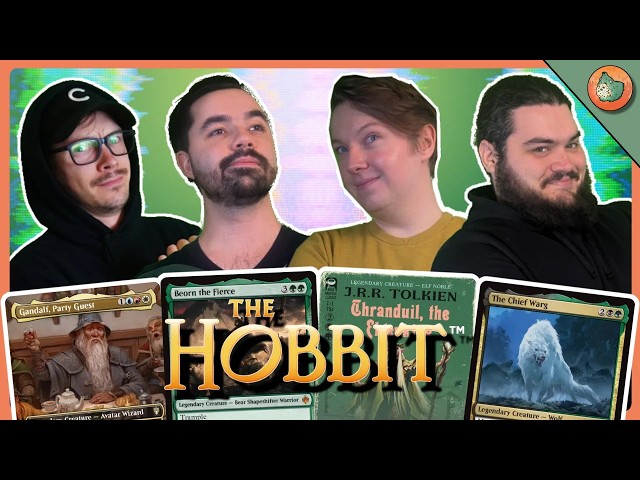
Deck & Commander Strategies

Thranduil, the Elvenking
Focuses on elf synergies, especially leveraging legendary elves and their activated abilities from the graveyard to draw cards and gain incremental advantage.

Thorin, Mountain-king
A Voltron deck that equips Thorin with multiple equipment pieces to create a powerful attacker capable of removing opposing threats via combat damage.

Bard, King of Dale
Utilizes blue-white tokens and abilities to double token production and card draw, aiming to overwhelm opponents with a wide board state.

Beorn the Fierce
Ramp-heavy bear tribal deck that creates and grows bear tokens, using landfall and large creatures to apply early pressure and draw cards.
Gameplay Insights
- 1
Beorn's early ramp and token generation created significant board presence that pressured opponents to prioritize defense.
- 2
Thorin's strategy of stacking equipment on a single creature forced opponents to respond to a growing Voltron threat.
- 3
Thranduil's use of legendary elves and graveyard synergies provided sustained card advantage and resilience against board wipes.
- 4
Bard's token doubling and card draw mechanics allowed for incremental advantage and board flooding, balancing defense and offense.
- 5
Players engaged in tactical attacks and political decisions, such as choosing when to block or trade damage, influencing the multiplayer dynamic.
Notable Cards
-
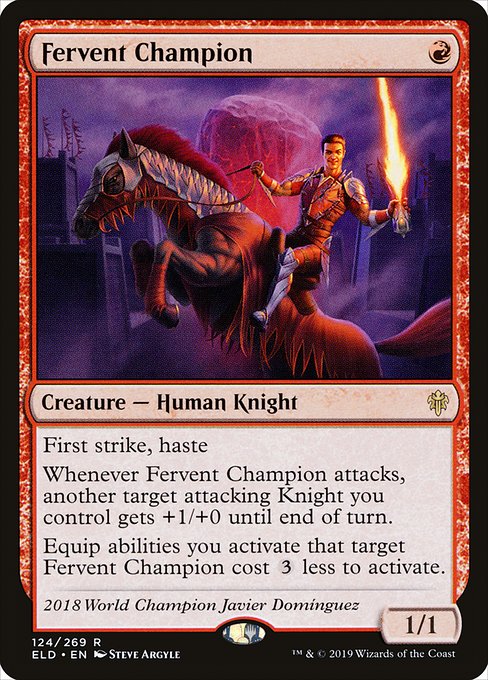
Fervent Champion
-
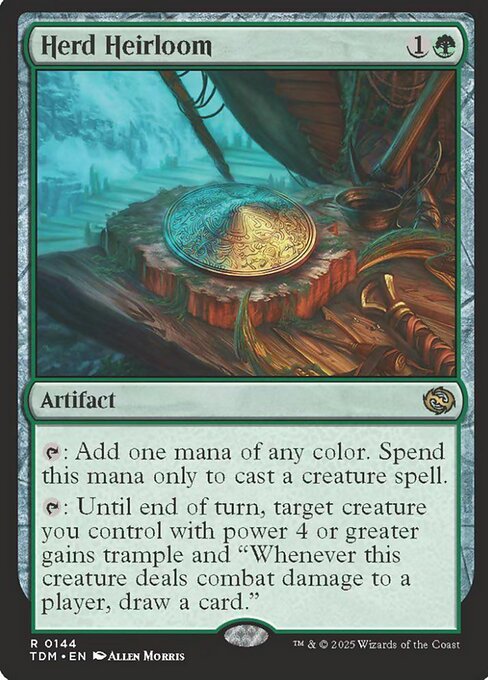
Herd Heirloom
-
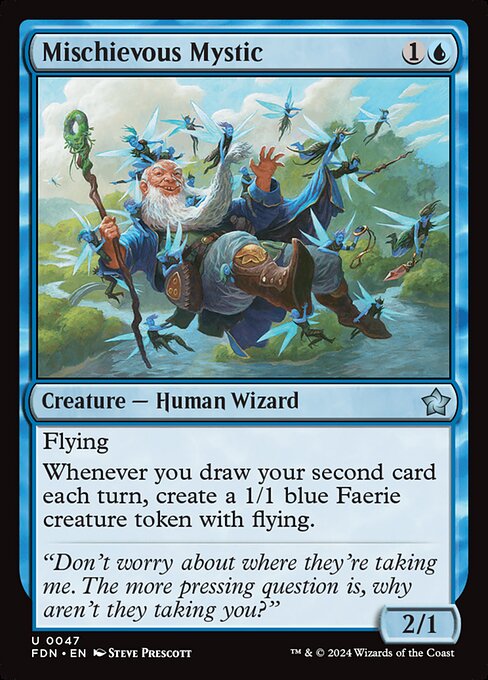
Mischievous Mystic
-
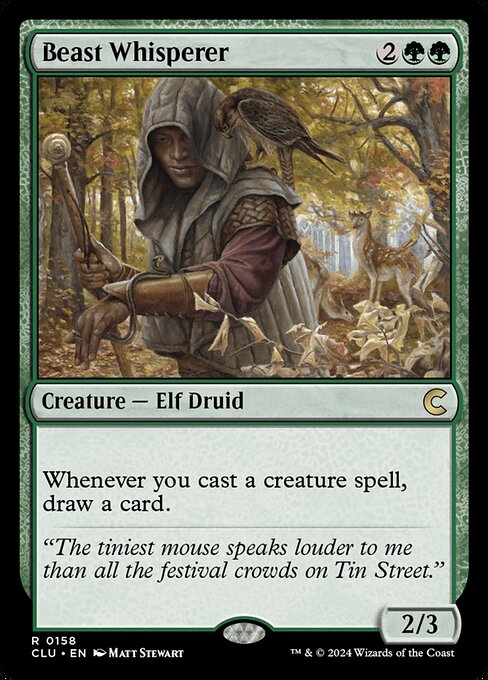
Beast Whisperer
-

Mind Stone
Gameplay Summary
The game featured a four-player Hobbit-themed Commander match with Bard, King of Dale; Thorin, Mountain-king; Thranduil, the Elvenking; and Beorn the Fierce as commanders.
Early turns saw Beorn establishing a strong board presence with bears and ramping lands, leveraging his ability to create and grow bear tokens.
Thorin focused on assembling equipment to build a threatening Voltron-style creature, aiming for high-impact removal through combat damage.
Thranduil utilized elf synergies, graveyard interactions, and legendary elf triggers to control the board and draw cards, while Bard employed a blue-white token strategy, generating multiple tokens and doubling card draw to overwhelm opponents.
The game flowed with typical multiplayer dynamics, including targeted attacks, political decisions, and incremental board development.
A key turning point was Beorn's early ramp and token generation that pressured opponents quickly, prompting defensive plays.
Thorin's Voltron strategy posed a looming threat by stacking equipment and removing key creatures, forcing opponents to respond.
Thranduil's card advantage from legendary elves and graveyard interactions provided sustained value and resilience.
Bard's token generation and card draw aimed to flood the board and maintain pressure through sheer numbers and incremental advantage.
The match showcased the clash of thematic strategies, with Beorn's aggressive ramp and tokens, Thorin's equipment-based Voltron, Thranduil's elf synergy and card draw, and Bard's token doubling.
The gameplay underscored the importance of balancing board presence, card advantage, and timely removal in multiplayer Commander contexts.