


Deck & Commander Strategies

Gorma, the Gullet
Leverages creature death to accumulate +1/+1 counters on Gorma and new creatures, growing board presence exponentially. Utilizes sacrifice and death triggers to create overwhelming threats and outvalue opponents.
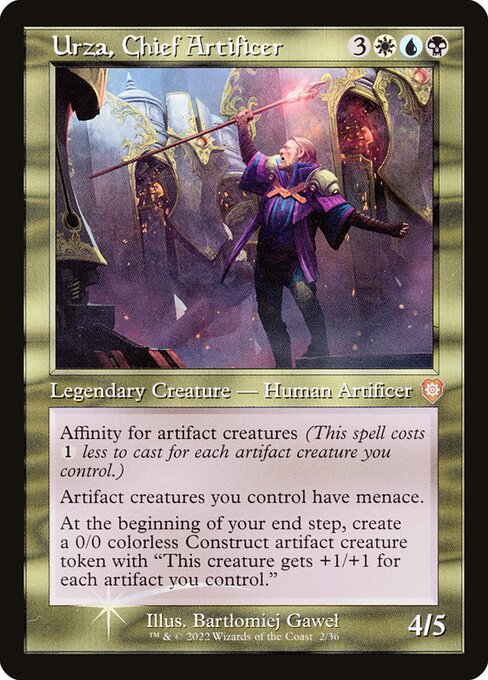
Öza, Chief Artificer
Builds an artifact-heavy board with cheap artifact creatures and tokens, reducing costs via affinity. Uses artifact synergy to create large, menacing creatures and attacks aggressively to win through combat damage.

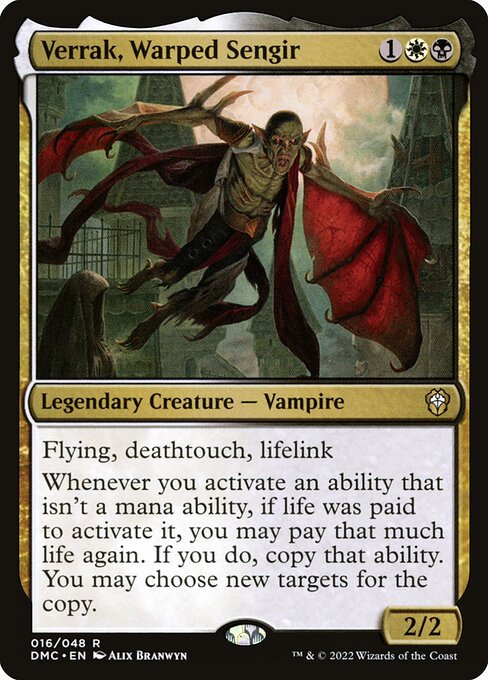
Verrak, Warped Sengir
Focuses on paying life to activate abilities and then paying life again to copy those abilities, generating multiple instances of powerful effects. Aims to grind opponents down by maximizing life payment combos.
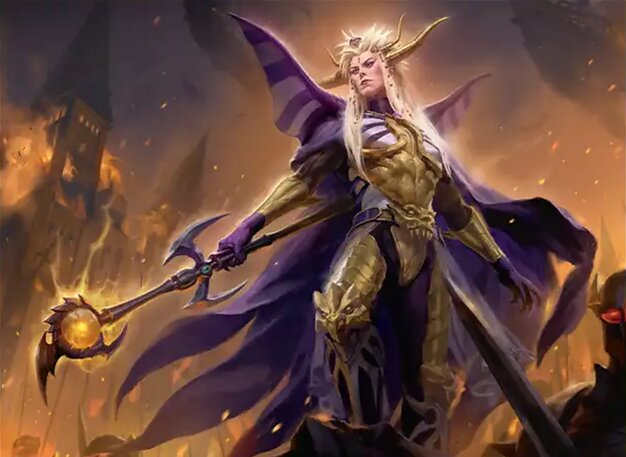
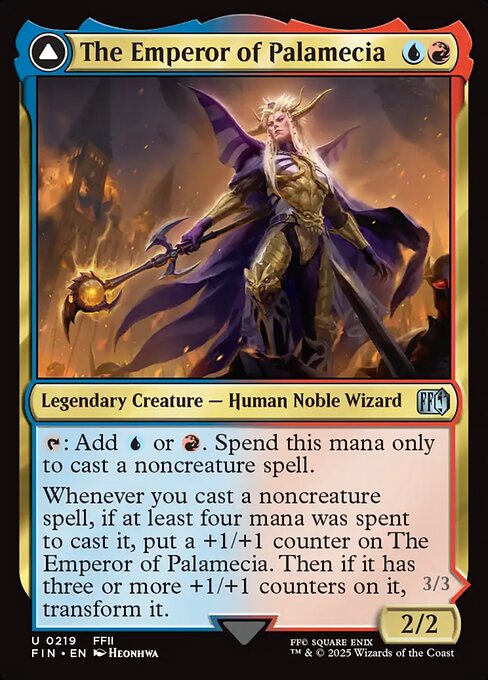
The Emperor of Palamecia // The Lord Master of Hell
Casts high-cost non-creature spells to put counters on the Emperor and transform it into the Lord Master of Hell, then deals damage to all opponents based on the number of non-creature cards in the graveyard, achieving board control and damage-based victory.
Gameplay Insights
- 1
Gorma's ability to place additional +1/+1 counters on creatures entering the battlefield after a sacrifice turn created explosive growth in board presence.
- 2
Öza's artifact token generation paired with affinity for artifact creatures allowed for repeated deployment of large threats with menace, pressuring opponents aggressively.
- 3
Verrak's life payment ability copying demanded careful life resource management but could generate powerful multiple triggers that overwhelmed opponents if unchecked.
- 4
The Emperor of Palamecia's transformation into Lord Master of Hell and subsequent AoE damage depended on efficiently casting expensive non-creature spells and filling the graveyard, rewarding strategic card play and resource cycling.
- 5
Players' early choices to deploy mana rocks, enchantments, and token generators set the tempo, influencing how quickly each strategy could escalate and apply pressure.
- 6
The interaction between multiple game changers such as tutors and resource generators highlighted the importance of card advantage and consistency in multiplayer Commander.
Notable Cards
-
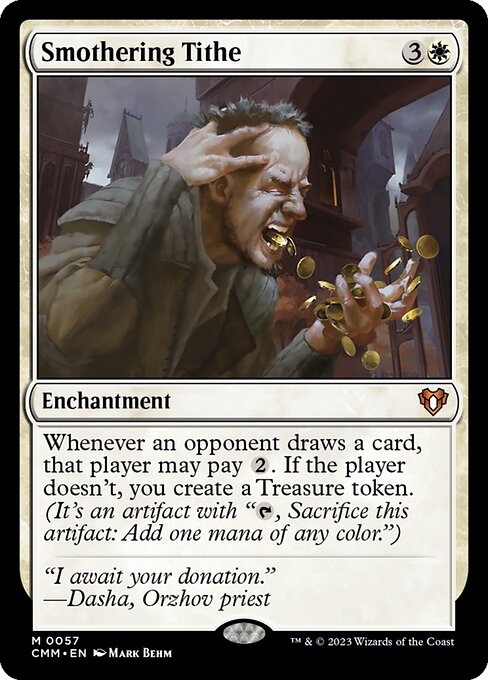
Smothering Tithe
-
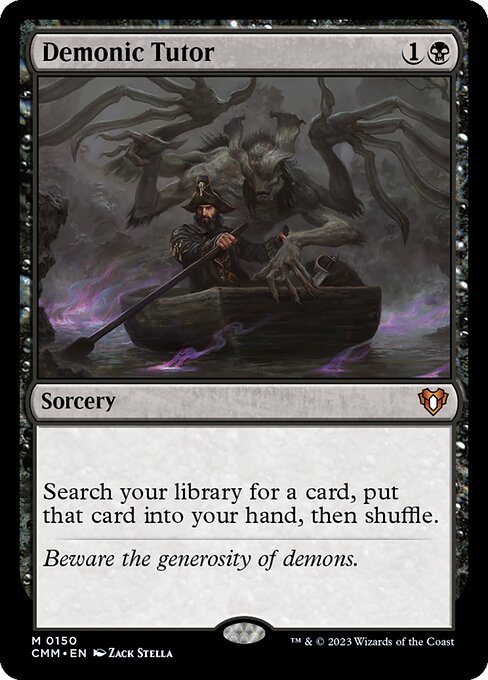
Demonic Tutor
-
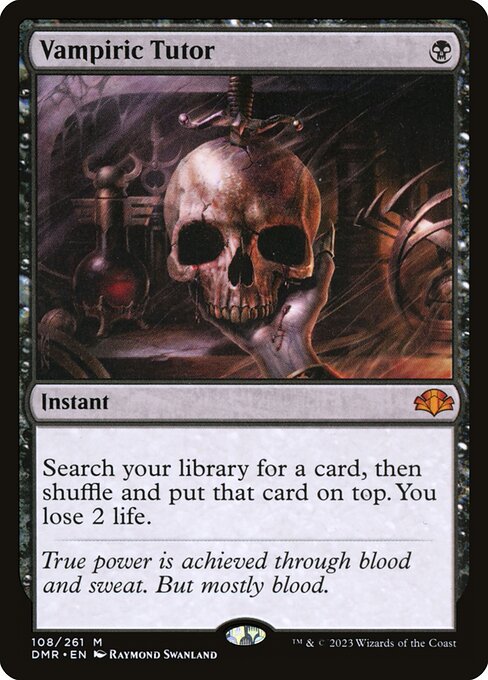
Vampiric Tutor
-
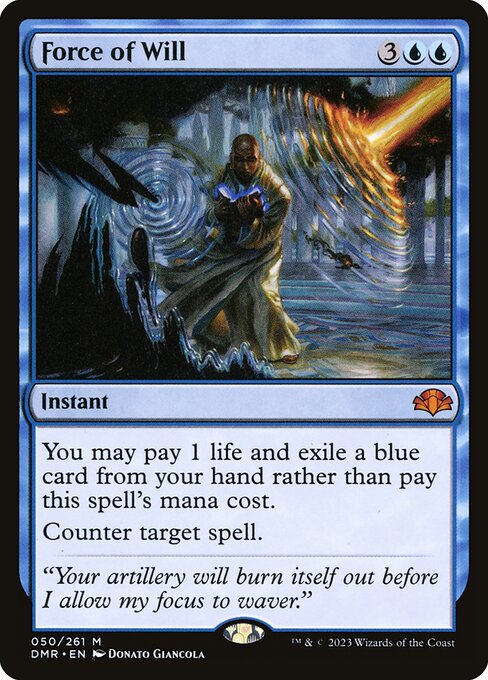
Force of Will
-
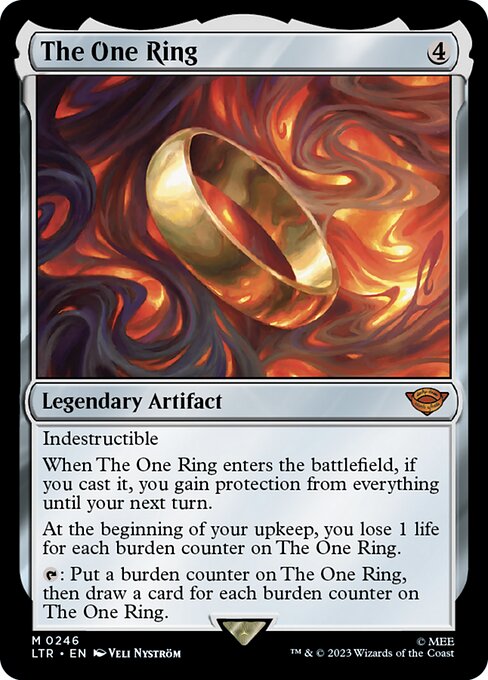
The One Ring
Gameplay Summary
The game featured four distinct Commander decks vying for control in a multiplayer Commander (EDH) match.
Gorma, the Gullet focused on a +1/+1 counter and sacrifice synergy, aiming to grow creatures rapidly through creatures dying and generating bigger threats.
Öza, Chief Artificer deployed an artifact-centric strategy, leveraging artifact creature tokens and cost reductions to create large, menacing constructs, attacking aggressively to win with big artifact creatures.
Verrak, Warped Sengir used a life payment and ability copying mechanic to maximize value from activated abilities that require paying life, aiming to generate overwhelming effects through repeated triggered abilities.
The Emperor of Palamecia transformed into the Lord Master of Hell by casting high-cost non-creature spells, then dealt damage to all opponents based on the number of non-creature cards in the graveyard, seeking a board-clearing and damage-based win condition. Early turns involved players setting up their mana bases and deploying key enchantments or artifact synergies.
Gorma aimed to build counters by sacrificing creatures, while Öza steadily created artifact tokens to bolster his board presence.
Verrak prepared to exploit life payment combos, and the Emperor of Palamecia worked towards transforming and enabling his damage output.
The game’s pivotal moments revolved around the Emperor flipping and dealing mass damage, Gorma accumulating massive counters from sacrificial plays, and Öza deploying increasingly large artifact creatures that menaced opponents.
The interplay of life payment abilities and artifact synergies created dynamic board states, with players needing to balance aggression against resource management.
Ultimately, the game showcased each deck's unique strengths: board growth through counters, artifact swarm power, life payment combo potential, and transformational damage output from graveyard interaction.





![Favorite Precon Upgrade of 2022 [Commander VS 324] | Magic: the Gathering Commander Gameplay thumbnail](https://i.ytimg.com/vi/bNtpdfoanxo/sddefault.jpg)
![Brothers' War vs Dominaria United [Commander VS 315] | Magic: the Gathering Commander Gameplay thumbnail](https://i.ytimg.com/vi/_-hCwDSKn3I/sddefault.jpg)


![Getting Hangry With Gorma Gauntlet [cEDH Gauntlet] GORMA v JAWS v WAN SHI v ROG/THRAS thumbnail](https://i.ytimg.com/vi/m0NtO4-dsys/sddefault.jpg)

