

Deck & Commander Strategies
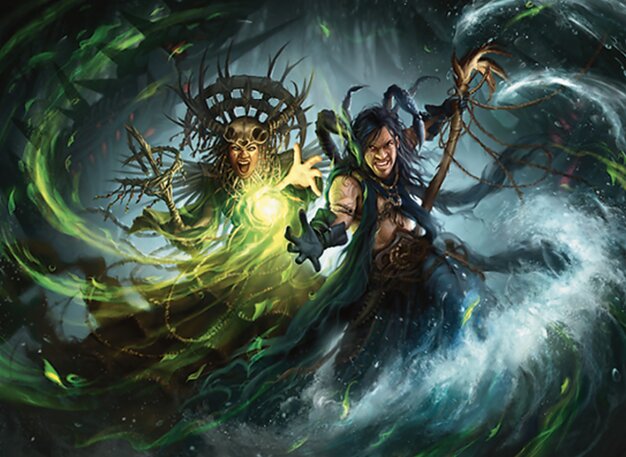
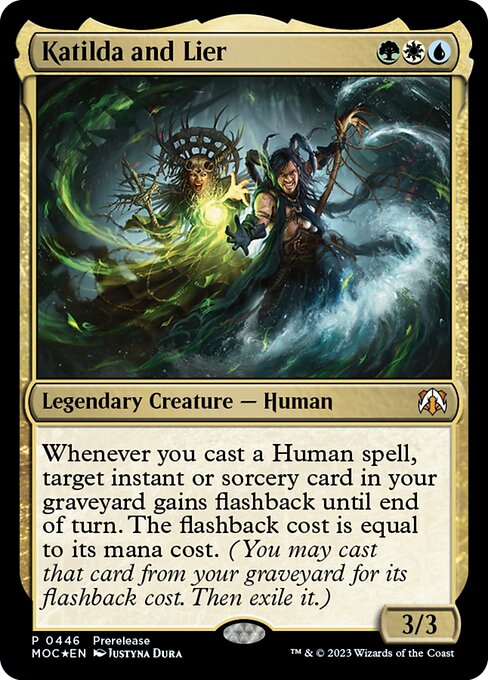
Katilda and Lier
Ramp aggressively with humans and flashback spells to generate value and board presence, leveraging tribal synergies and efficient threats.

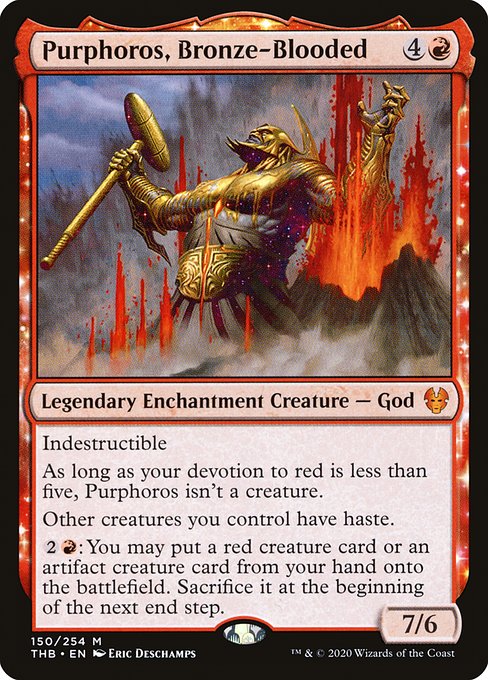
Purphoros, Bronze-Blooded
Build a board with enchantment and creature synergies that trigger damage to opponents, aiming to close out the game quickly with burn damage from Purphoros's ability.

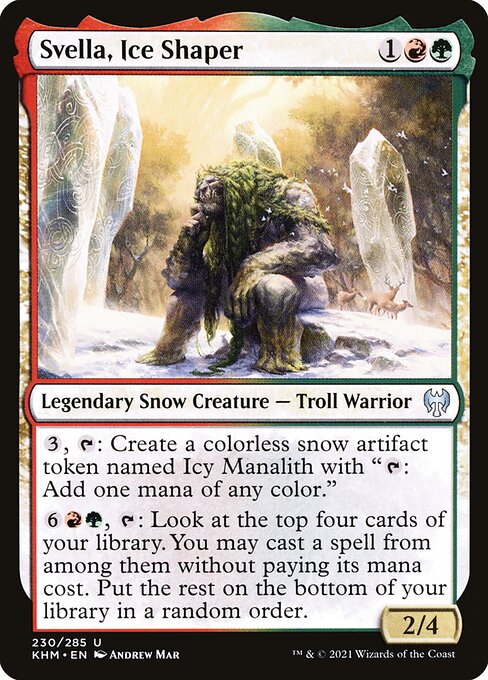
Svella, Ice Shaper
Utilize artifact ramp and control elements like counterspells and utility creatures to manage the board state while assembling synergistic combos for incremental advantage.
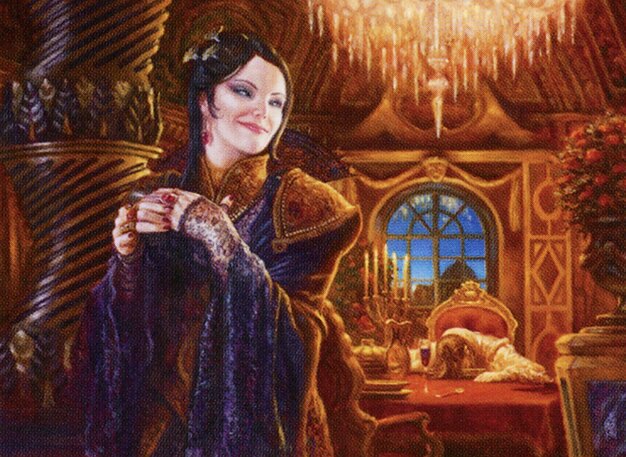
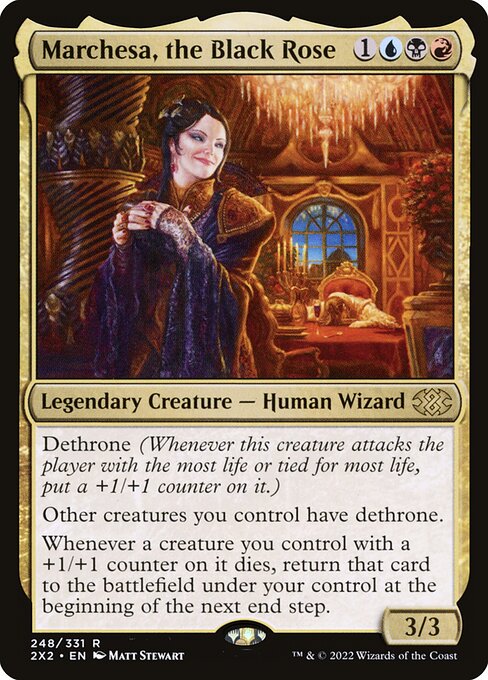
Marchesa, the Black Rose
Exploit dethrone and +1/+1 counter mechanics to create resilient threats, using life gain and removal to maintain control and outvalue opponents over time.
Gameplay Insights
- 1
A crucial Mana Drain counterspell was used to disrupt Purphoros's early commander cast, delaying his board development and demonstrating the importance of interaction in high-power games.
- 2
Svella’s use of artifact ramp and flashback spells like Three Visits allowed for efficient mana fixing and accelerated board presence, while also enabling multiple spells per turn.
- 3
Marchesa’s player carefully balanced playing threats and using life gain effects to mitigate the damage from their own spells, showing an understanding of life total as a resource rather than just a health pool.
- 4
Players prioritized land drops and ramp spells early to accelerate into their commanders and key threats, highlighting the importance of early resource development in high-power EDH.
- 5
The interplay between aggressive ramp, counterspells, and creature copying effects created a dynamic game state where tempo swings were frequent and players had to carefully manage their resources.
Notable Cards
-
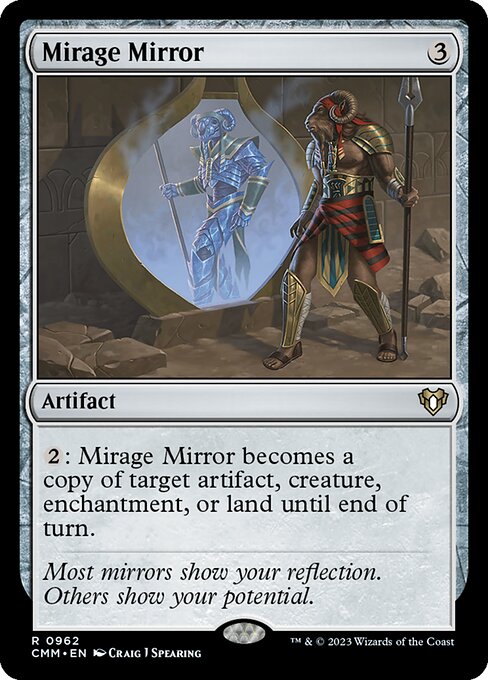
Mirage Mirror
-
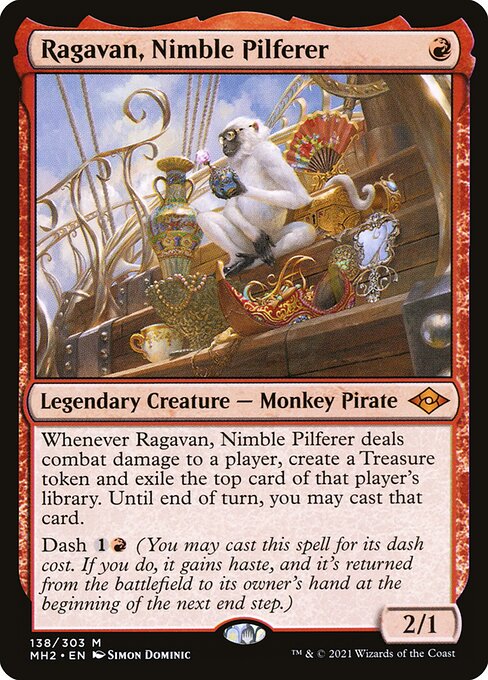
Ragavan, Nimble Pilferer
-
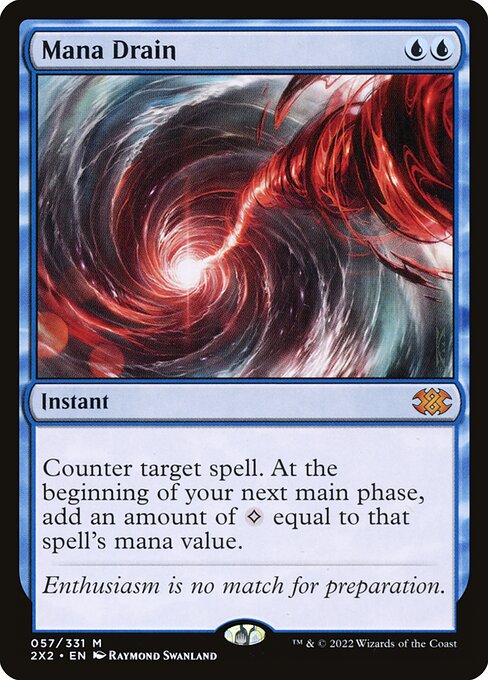
Mana Drain
-

Three Visits
-
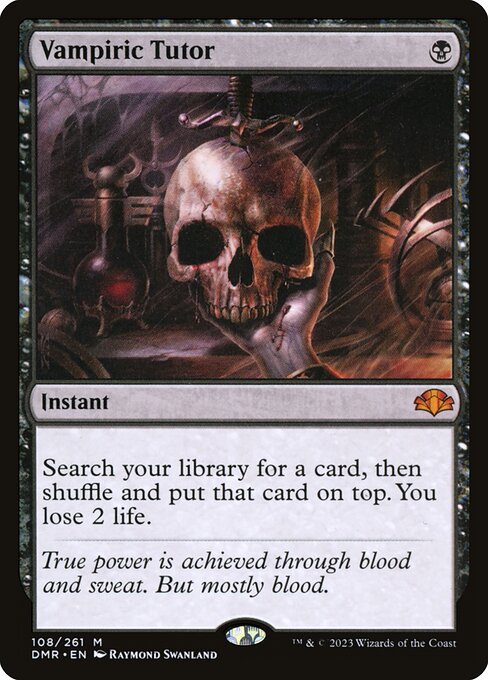
Vampiric Tutor
-

Arcane Denial
-
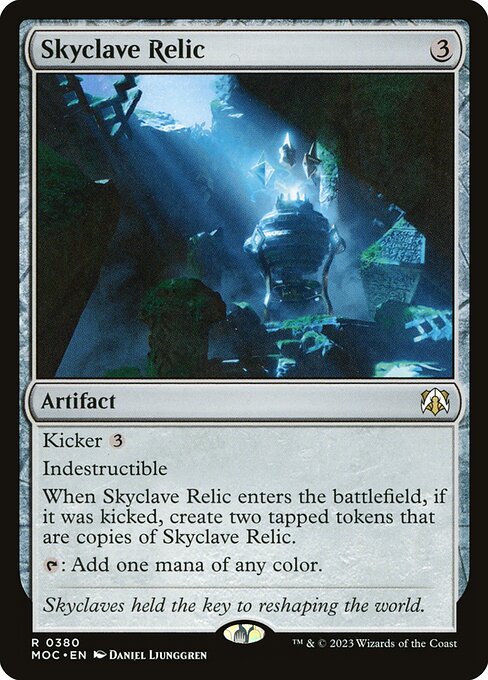
Skyclave Relic
-
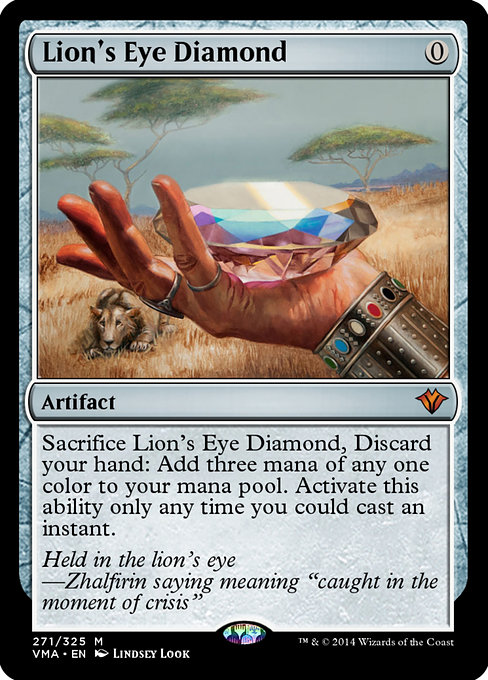
Lion's Eye Diamond
-
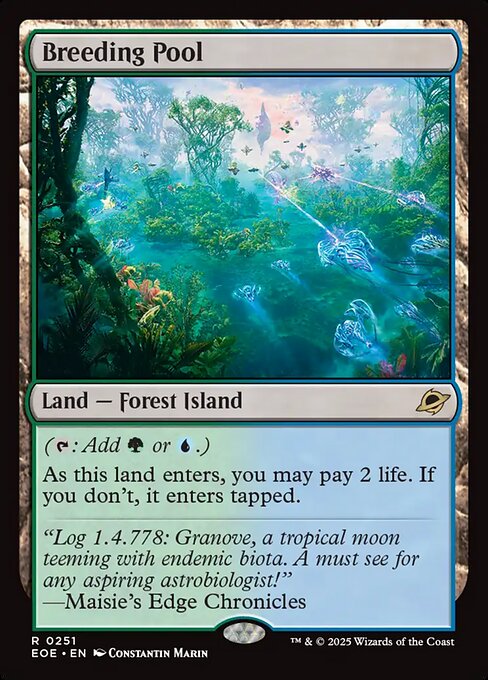
Breeding Pool
-
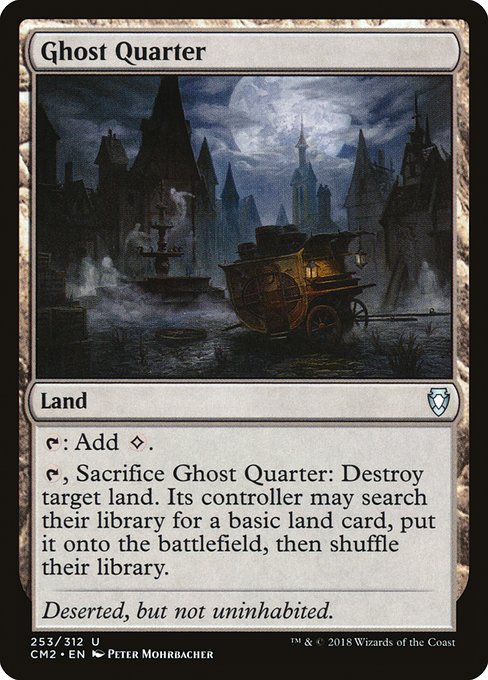
Ghost Quarter
-
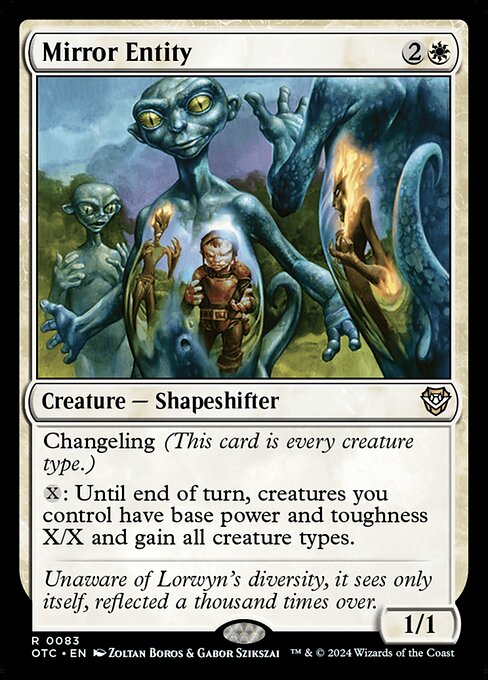
Mirror Entity
Gameplay Summary
The game featured a high-powered four-player Commander match with Katilda and Lier, Purphoros, Bronze-Blooded, Svella, Ice Shaper, and Marchesa, the Black Rose.
Early turns involved significant ramping and board development, with players casting mana acceleration spells, utility creatures, and preparing their key pieces.
The player piloting Katilda and Lier focused on ramp and human synergies, while Purphoros aimed to build board presence and leverage his damage-triggering abilities.
Svella utilized artifact synergy and counterspells to control the board, and Marchesa focused on incremental value through her dethrone mechanic and manipulation of the board state.
Notably, a timely Mana Drain counterspell disrupted Purphoros’s early commander cast, showcasing the interactive nature of the game. As the game progressed, players carefully developed their boards with ramp, tutors, and key creatures such as Ragavan and Mirage Mirror copies.
Marchesa’s player leveraged life gain and removal to stabilize while setting up for larger threats.
Meanwhile, Katilda and Lier’s deck flashed back spells for value and ramped aggressively, while Svella utilized artifact synergies like Mirror Entity and Three Visits for mana fixing and board presence.
The game’s tempo shifted as players began attacking and interacting with each other’s resources, with Purphoros threatening to turn the tide through damage-based effects.
The match balanced resource development, counterplay, and strategic aggression, setting up for a complex late game where commander damage and combo potential could decide the winner.


![Commander VS S1E2: Keranos v. Marchesa v. Animar v. Ruric Thar [MTG Multiplayer] thumbnail](https://i.ytimg.com/vi/zQYgG45Yzuk/sddefault.jpg)

![Commander Versus Series: Marchesa v. Selvala v. Grenzo v. Muzzio [MTG Multiplayer] thumbnail](https://i.ytimg.com/vi/_6xdmzdhTDg/sddefault.jpg)


![Ep: 5 Tawnos v Yuriko v Purphoros v Urza [EDH gameplay] thumbnail](https://i.ytimg.com/vi/ovuvwBzAQ1U/sddefault.jpg)


