
Deck & Commander Strategies
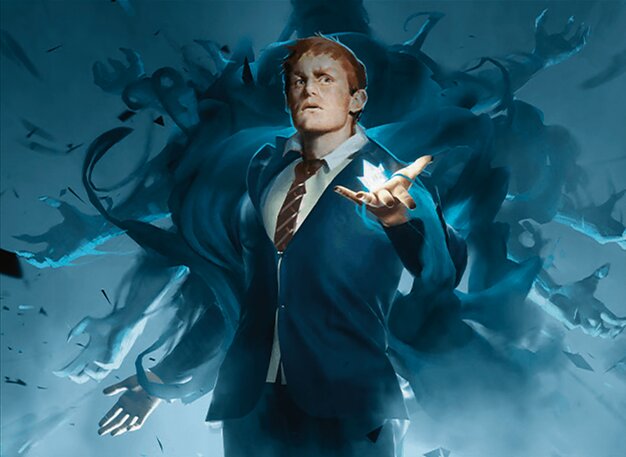
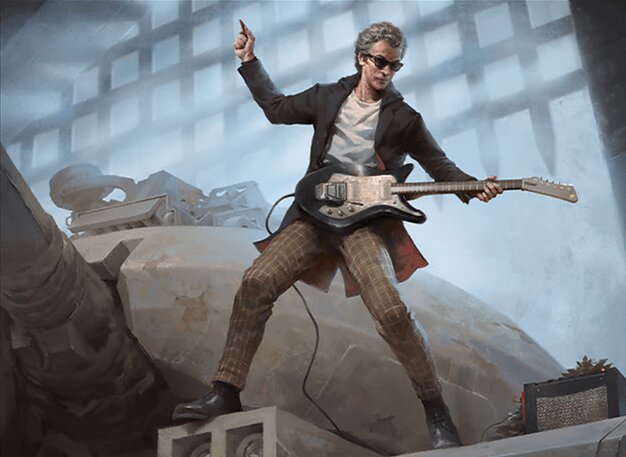
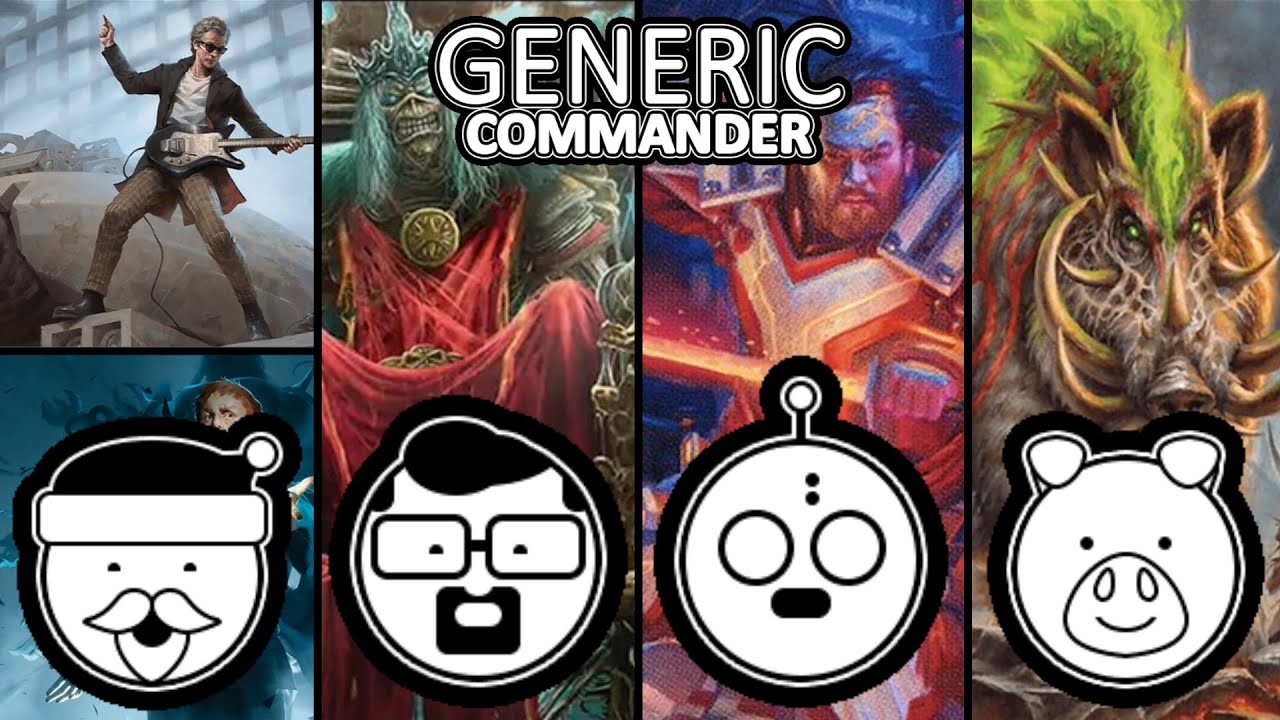
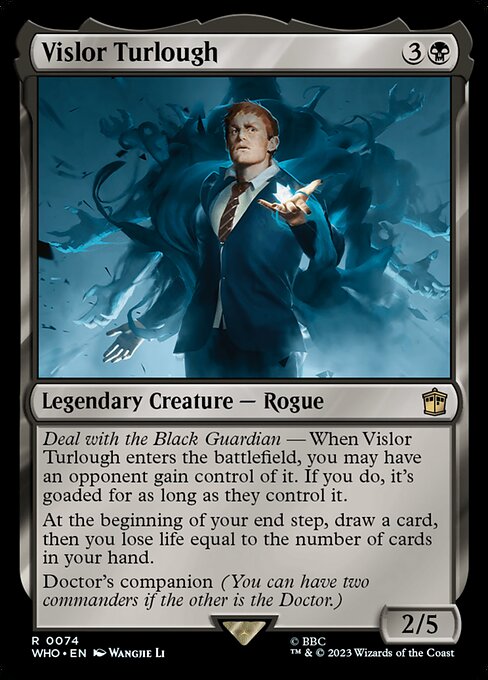
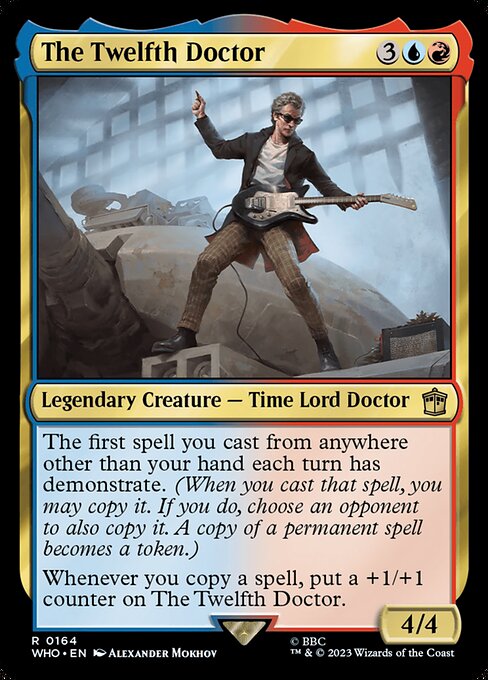
Vislor Turlough and The Twelfth Doctor
A value and disruption deck that focuses on copying opponents' spells so that even if the commander dies, the copies remain under opponents' control, forcing them to play a suboptimal game plan and creating lasting disruption.
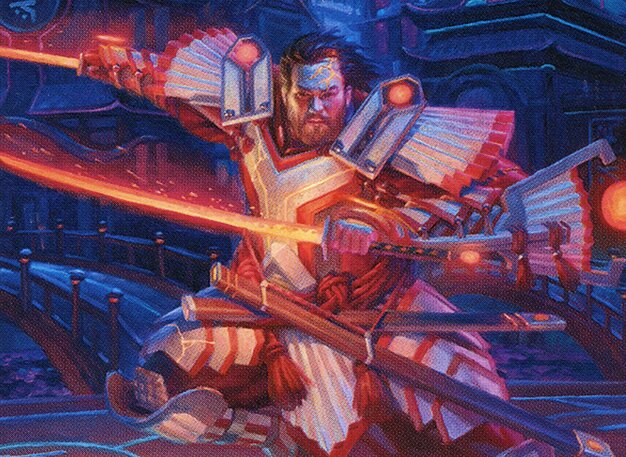
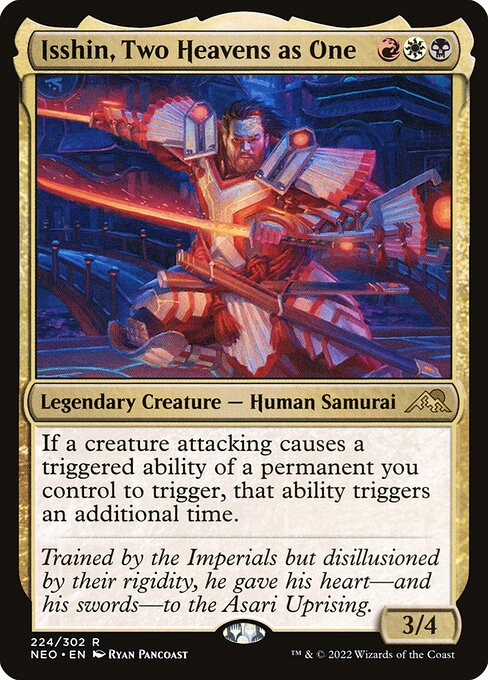
Isshin, Two Heavens as One
A human tribal deck focused on ramping quickly into aggressive creatures and maximizing combat damage output through synergy and doubling strike effects.
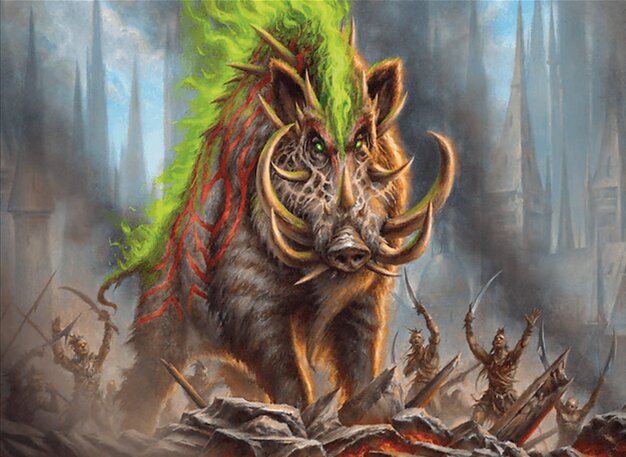
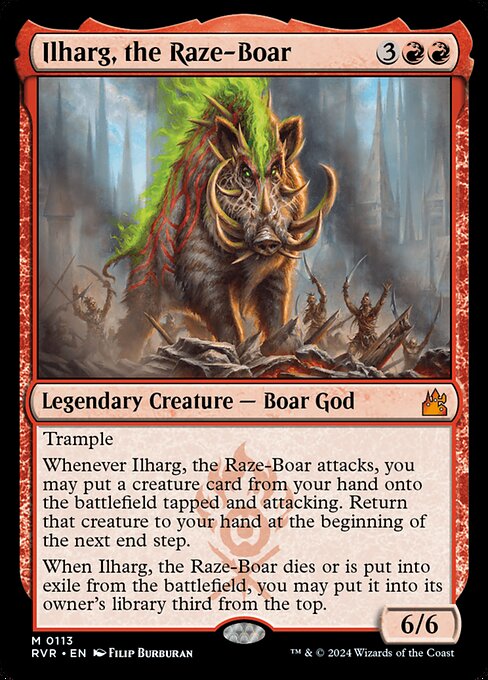
Ilharg, the Raze-Boar
A stompy, creature-heavy deck that cheats big threats into play early to overwhelm opponents with raw power and board presence.
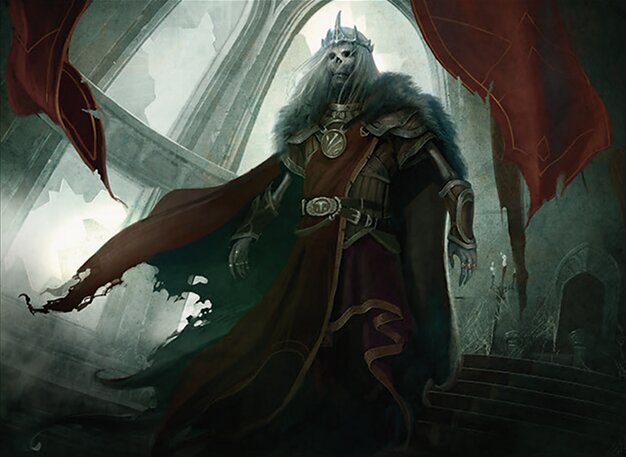
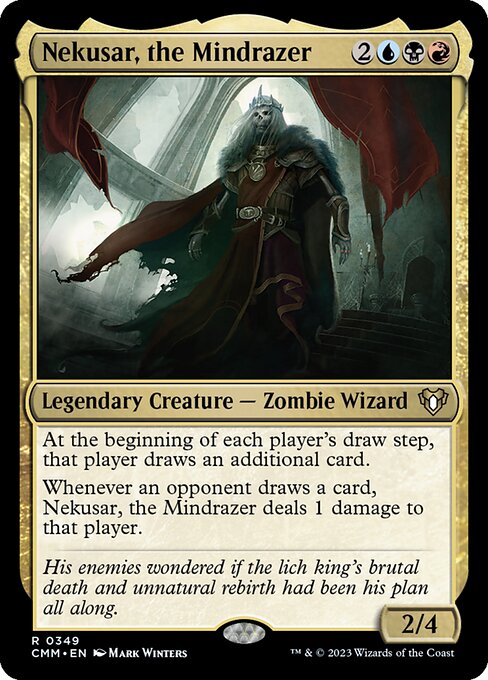
Nekusar, the Mindrazer
A wheel and damage deck that forces opponents to draw extra cards, dealing damage through card draw triggers and incremental attrition.
Gameplay Insights
- 1
The Twelfth Doctor's ability to force opponents to own copies of spells created lasting disruption even after the commander’s death, complicating opponents’ game plans.
- 2
Ilharg’s aggressive ramp and cheat-into-play creatures put early pressure that forced opponents to respond quickly or risk being overwhelmed.
- 3
Isshin’s early ramp into humans and combat-focused creatures set up a strong offensive presence, leveraging combat tricks to maximize damage.
- 4
Nekusar’s incremental damage through forced card draws pressured all players, adding a ticking clock element to the game.
- 5
Players had to carefully balance ramping and board development with defense against the ongoing damage and disruptive spell copying, leading to tense and strategic interactions.
Notable Cards
-

Sol Ring
-
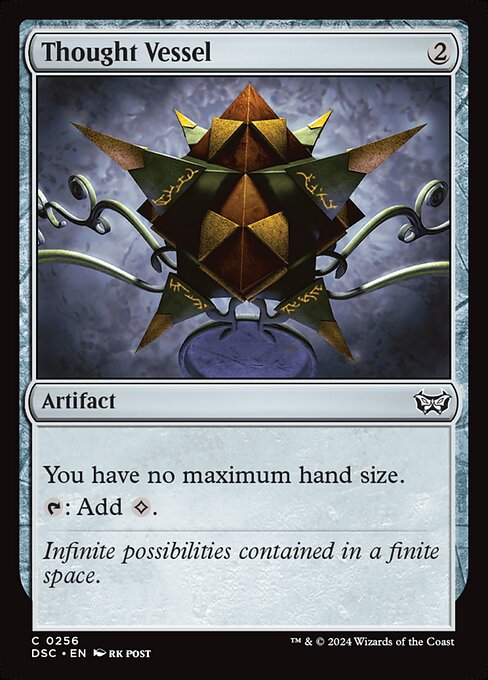
Thought Vessel
-
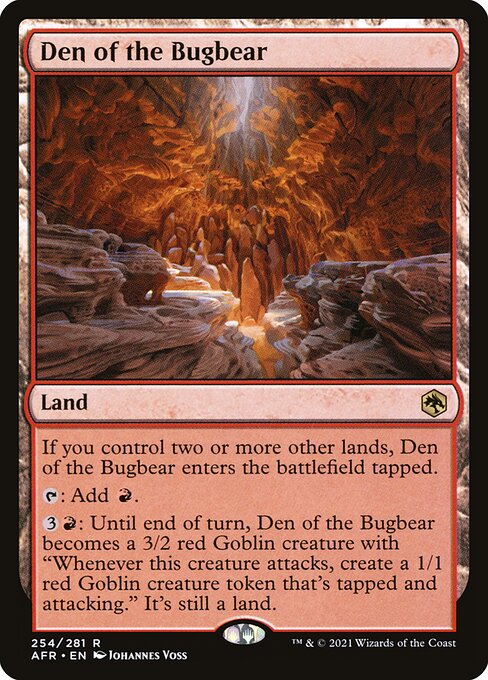
Den of the Bugbear
-
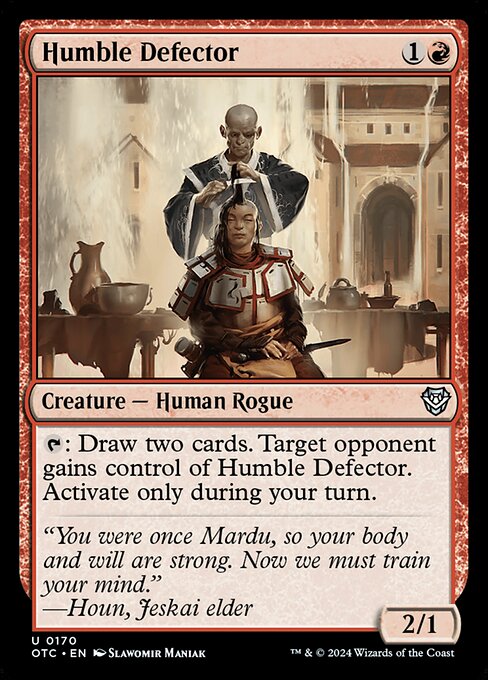
Humble Defector
Gameplay Summary
The game featured four players piloting very different commanders, each with distinct strategies.
Early turns focused on ramp and setting up board presence, with Ilharg deploying aggressive lands and ramp like Soul Ring, while Isshin ramped with mana rocks such as Sol Ring and Thought Vessel.
The Twelfth Doctor and Vislor Turlough deck aimed for a disruptive and value-oriented approach by copying opponents' spells, ensuring that even if the player died, the suboptimal game plan would persist on the board.
Nekusar, naturally, sought to leverage additional card draw to deal incremental damage to opponents.
As the game progressed, players began to develop their board states with key creatures and artifacts, while also monitoring each other’s threats carefully.
The interaction between Ilharg’s stompy, cheat-into-play creatures and Isshin’s human tribal synergy created tension, while the Twelfth Doctor’s spell copying added unpredictable disruption.
Nekusar’s damage through forced draws kept pressure on the table, forcing players to balance offense with defense.
The game’s turning points centered around key ramp plays, early aggressive creatures, and the Twelfth Doctor’s ability to persistently copy spells even after setbacks, which complicated combat decisions and resource management for all players.
The overall win condition seemed to revolve around either Ilharg’s overwhelming board presence or Nekusar’s incremental damage from forced draws, while Isshin pushed for combat damage with humans and The Twelfth Doctor sought to outvalue opponents through spell copying.




![Commander VS S3E9: Nekusar vs Karona vs Xenagos vs Kiki-Jiki [MTG: Multiplayer] thumbnail](https://i.ytimg.com/vi/meqwIXTAv34/sddefault.jpg)


![Wir werden geroasted! | Herumkommandiert #09 | EDH Commander Gameplay [Deutsch] thumbnail](https://i.ytimg.com/vi/lR3qCGzwaR0/sddefault.jpg)