Deck & Commander Strategies
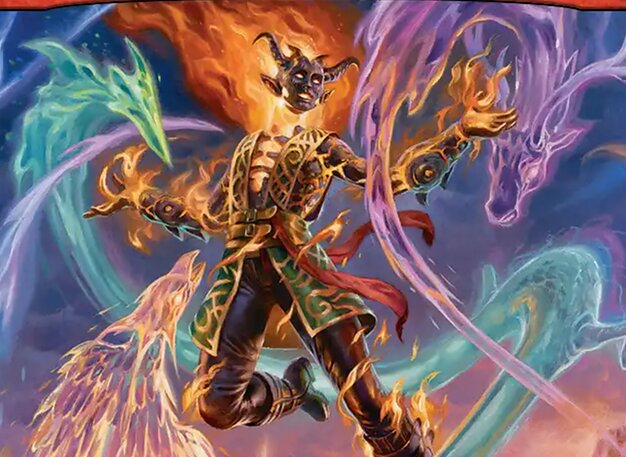
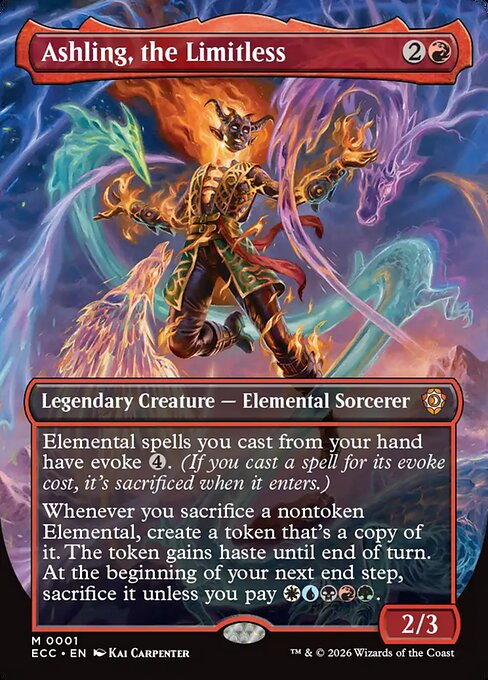
Ashling, the Limitless
Cast elemental spells to create haste tokens that copy sacrificed elementals for overwhelming board presence and aggressive tempo.
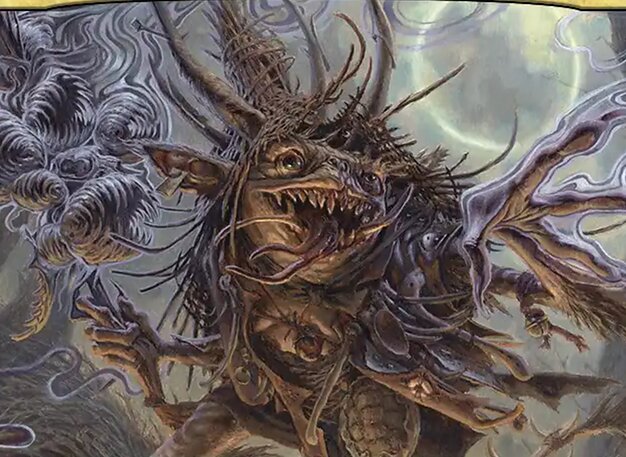
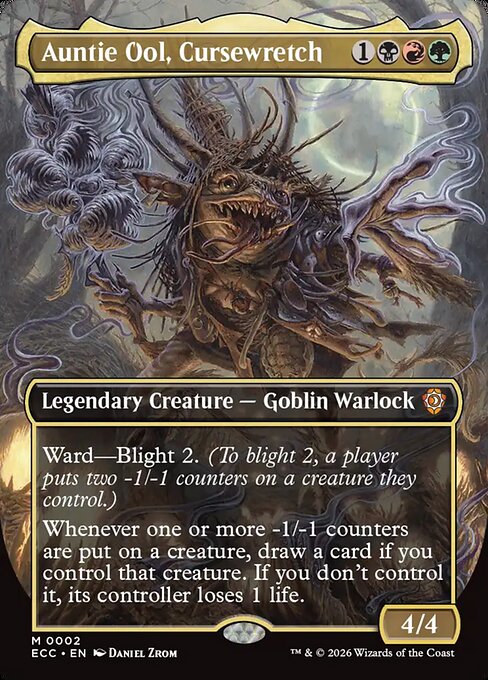
Auntie Ool, Cursewretch
Utilize minus one minus one counters and blight effects to generate goblin tokens, draw cards, and drain opponents’ life for incremental advantage.
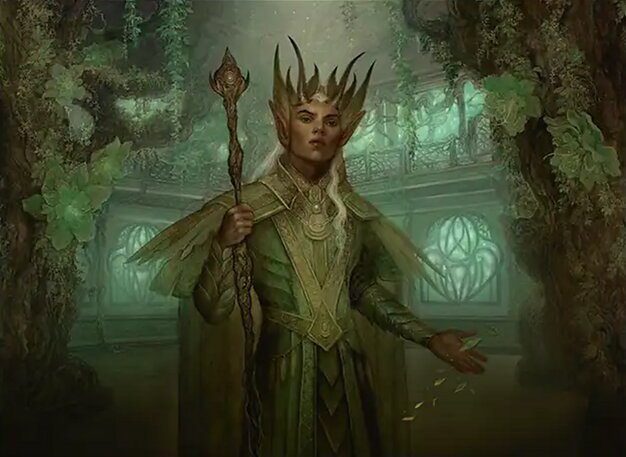
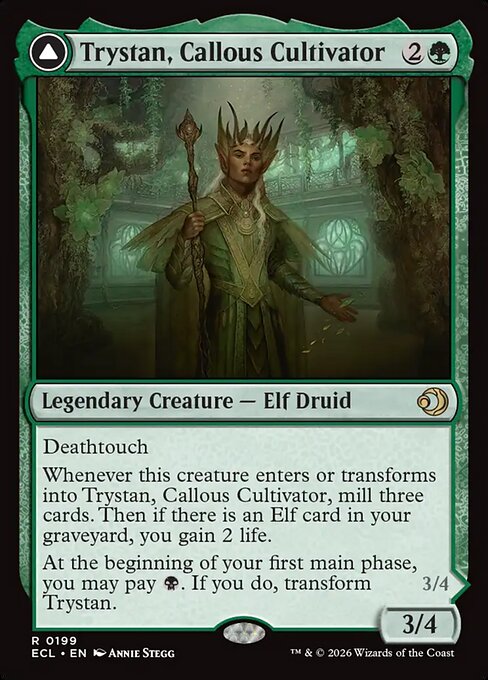
Trystan, Callous Cultivator // Trystan, Penitent Culler
Leverage elf synergies and graveyard milling to gain life and drain opponents, transforming to increase pressure and sustain.
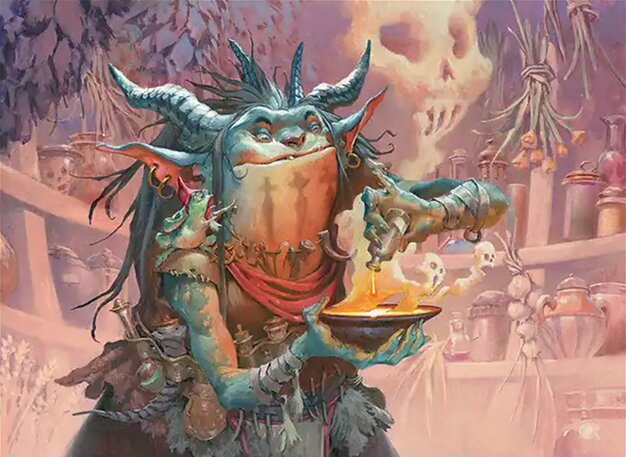
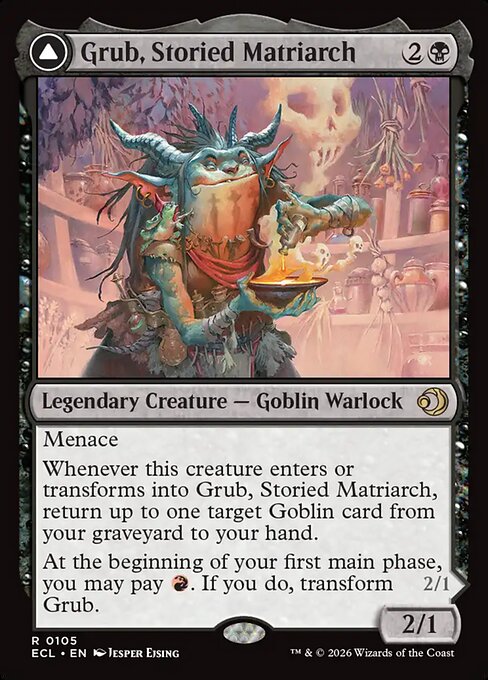
Grub, Storied Matriarch // Grub, Notorious Auntie
Recursively return goblin cards from the graveyard and create attacking tokens from blighted creatures to maintain board presence and chip away at opponents.
Gameplay Insights
- 1
The Goblin player's use of blight effects to place minus one minus one counters on creatures created recurring tokens and triggered life drain, effectively punishing opponents for creature losses.
- 2
Ashling's ability to create haste copies of elementals allowed for aggressive swings and board development, especially when combined with token duplicators and sacrifice outlets.
- 3
Trystan's transformation and mill triggers synergized to control the board by draining opponents' life while maintaining life gain, providing a balance between offense and defense.
- 4
Victimize was a critical spell enabling powerful creature recursion, allowing players to recover key threats and shift board states dramatically.
- 5
Risen Reef provided valuable card advantage and mana ramp by triggering off elemental plays, fueling Ashling's strategy and overall game tempo.
Notable Cards
-
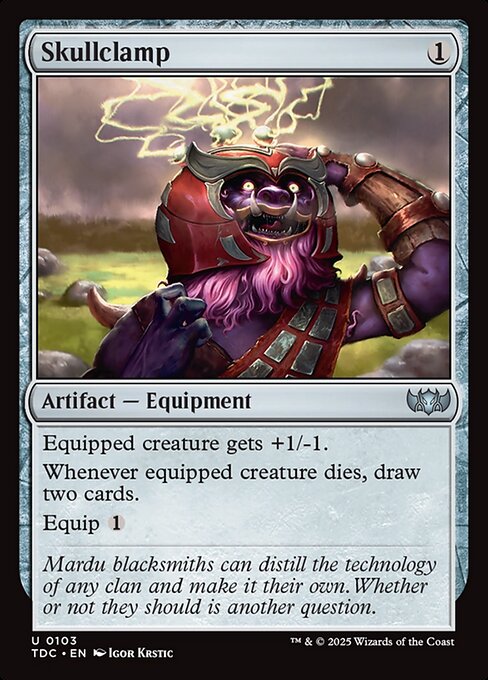
Skullclamp
-
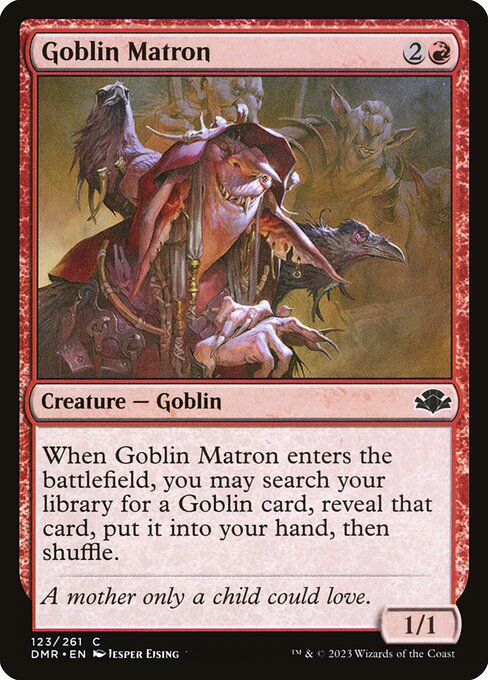
Goblin Matron
-

Victimize
-
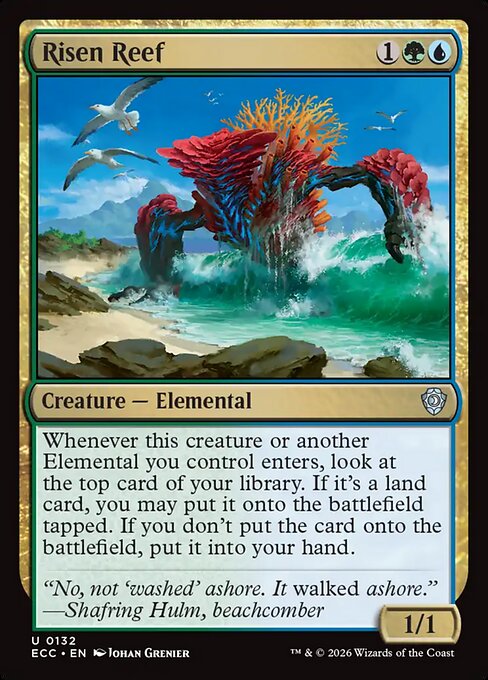
Risen Reef
-
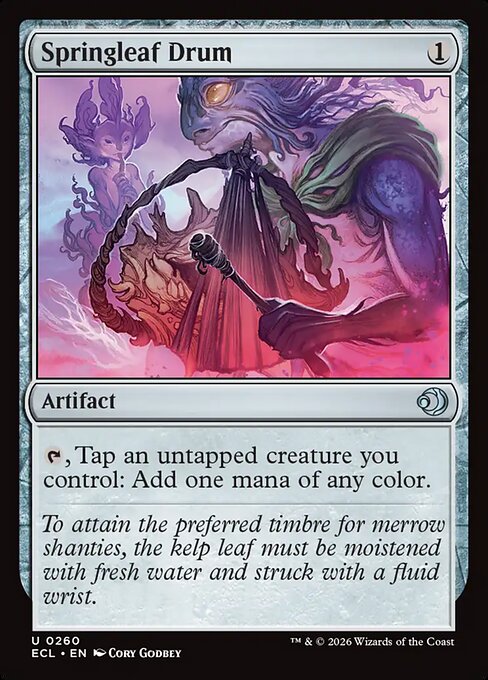
Springleaf Drum
-
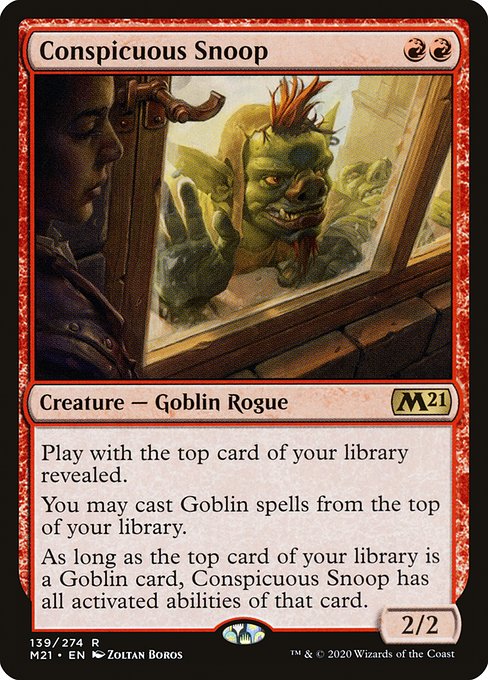
Conspicuous Snoop
-
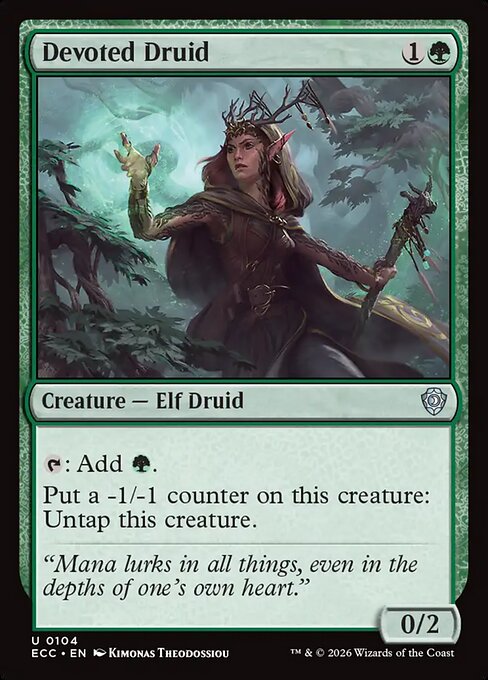
Devoted Druid
Gameplay Summary
The game started with players deploying their Lorwyn-themed preconstructed decks alongside custom-made precons featuring Lorwyn cards.
Early turns showcased ramp and card draw with spells like Soul Ring, Skullclamp, and Springleaf Drum to accelerate mana and dig for key pieces.
The Goblin deck, led by Auntie Ool, established early board presence and synergy through blighting creatures to generate tokens and drain opponents' life.
The Ashling deck capitalized on elemental spells to create multiple token copies, setting up for explosive board states.
Trystan's deck focused on Elf tribal synergies and milling the graveyard to gain incremental life and drain opponents, while Grub's deck revolved around transforming creatures and recurring goblin cards from the graveyard for sustained aggression. Midgame saw pivotal plays including the use of Victimize to resurrect powerful creatures, and transformation triggers on commanders like Trystan that shifted board control by draining life and gaining life.
The Goblin player leveraged minus-one counters and death triggers to chip away at opponents' life while generating goblin tokens.
Ashling’s creation of haste tokens from sacrificed elementals kept pressure high, while Risen Reef offered continuous card advantage and ramp.
The interplay of graveyard recursion, token generation, and life drain created dynamic shifts in tempo and board presence.
The game progressed with careful sequencing of attacks and spells to maximize each deck’s synergies, culminating in a tense multiplayer standoff with multiple overlapping win conditions based on incremental damage, life drain, and board control.