Deck & Commander Strategies
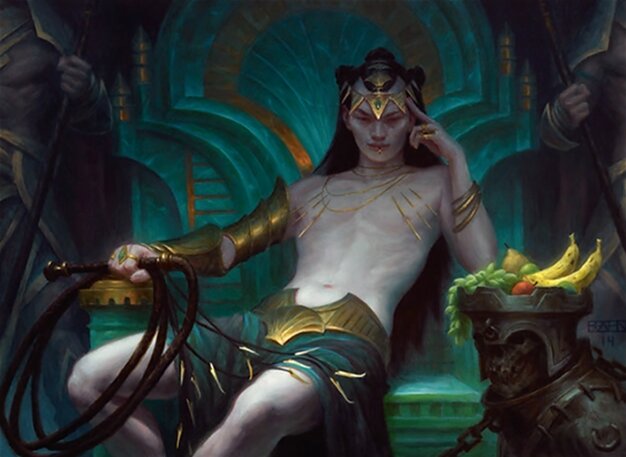
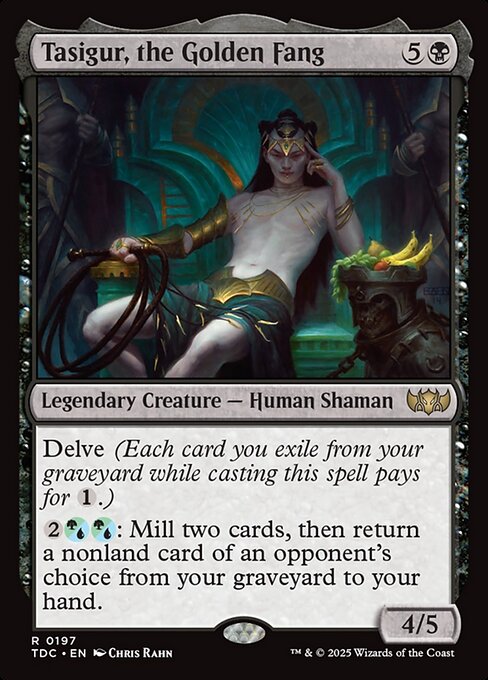
Tasigur, the Golden Fang
A value-oriented Sultai deck leveraging graveyard recursion and card advantage to control the board and out-resource opponents, eventually winning through incremental value or combo finishers.
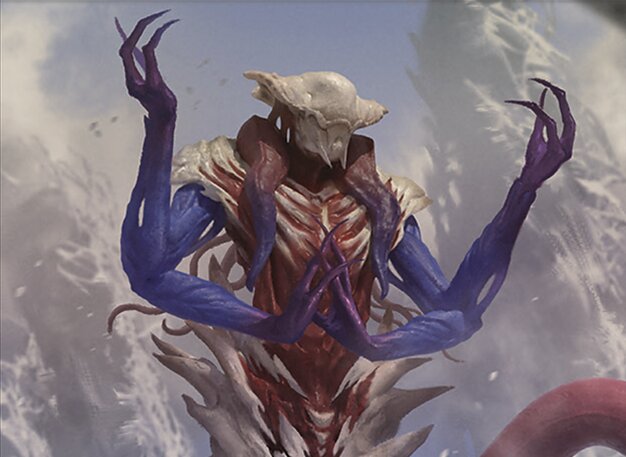
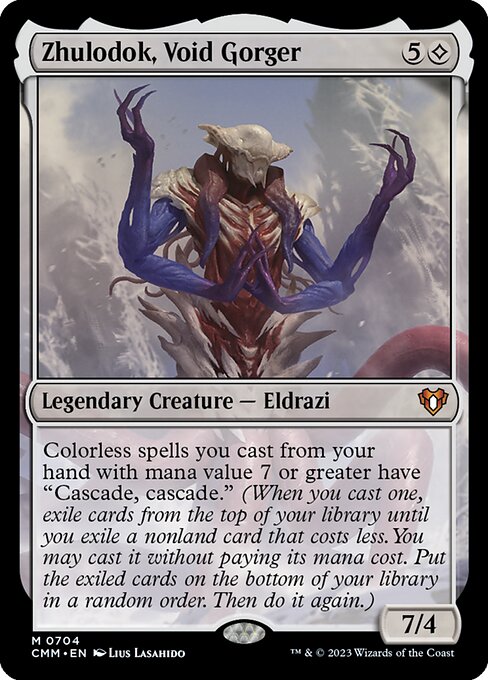
Zhulodok, Void Gorger
A colorless-focused deck that uses artifact synergies and mana acceleration to deploy threats and combos quickly, aiming to dominate the game through efficient resource use and disruption.
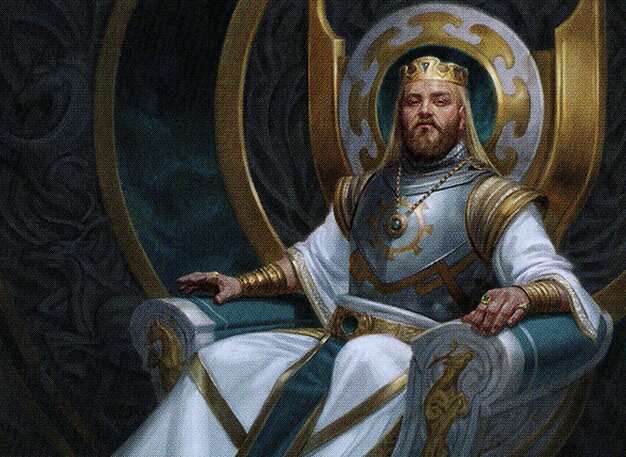
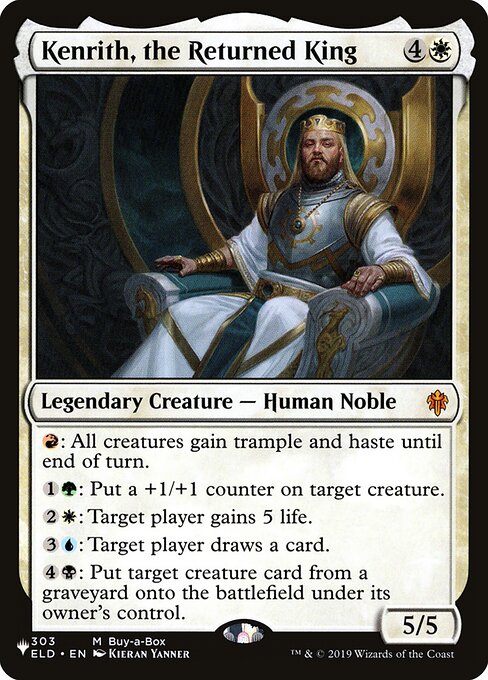
Kenrith, the Returned King
A versatile five-color deck that uses Kenrith’s flexible abilities to support various game plans, including aggressive attacks, life gain, and value generation, often seeking to leverage his activated abilities for advantage and finishing blows.
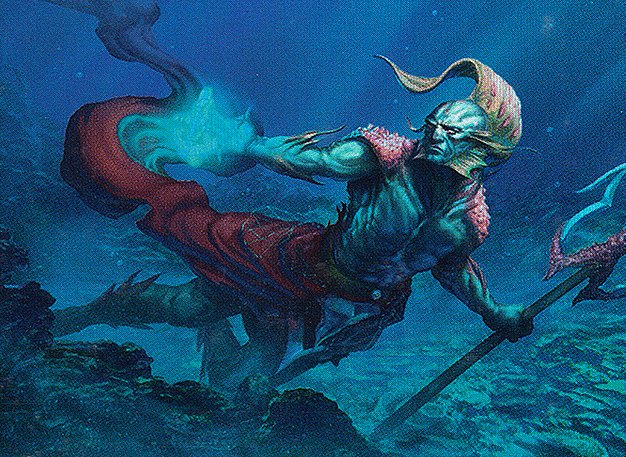
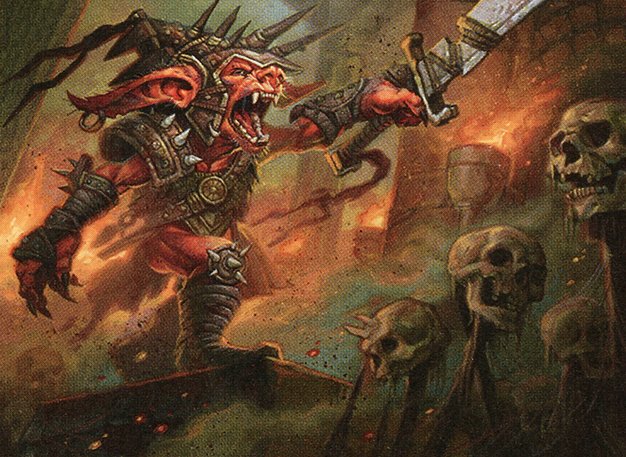
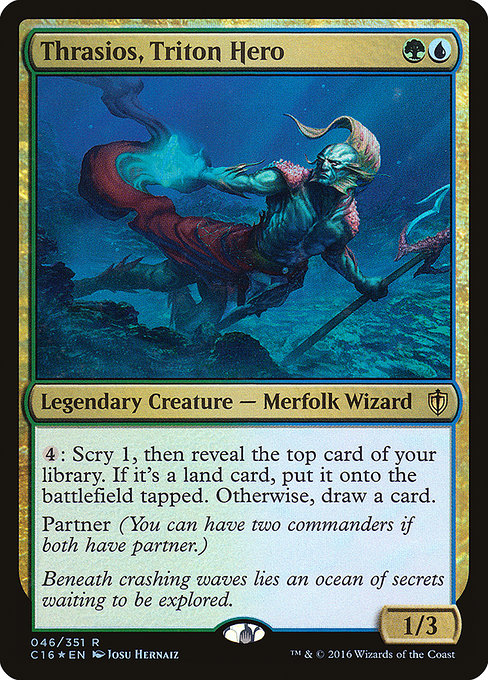
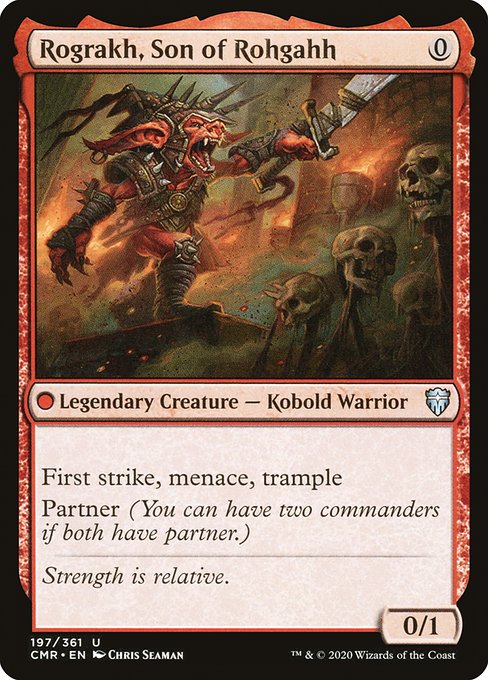
Thrasios, Triton Hero and Rograkh, Son of Rohgahh
A partnership deck focusing on mana ramp and card selection, using Thrasios’s scry and draw abilities combined with Rograkh’s aggressive combat potential to control the board and assemble combos or win through commander damage.
Gameplay Insights
- 1
Players prioritized setting up mana acceleration and card advantage early, with multiple uses of Crop Rotation and tutors to find key lands or artifacts.
- 2
The use of responses and counterspells like Force of Will and Flusterstorm was critical in protecting or disrupting key plays.
- 3
Managing life payments to pay for cards like Crop Rotation with additional costs and triggering abilities showed the importance of resource management in cEDH.
- 4
Players carefully timed their commanders’ activated abilities to maximize mana efficiency and board presence.
- 5
The interaction around card draw triggers and discard choices influenced the flow of the game, demonstrating the significance of incremental advantage in competitive play.
Notable Cards
-
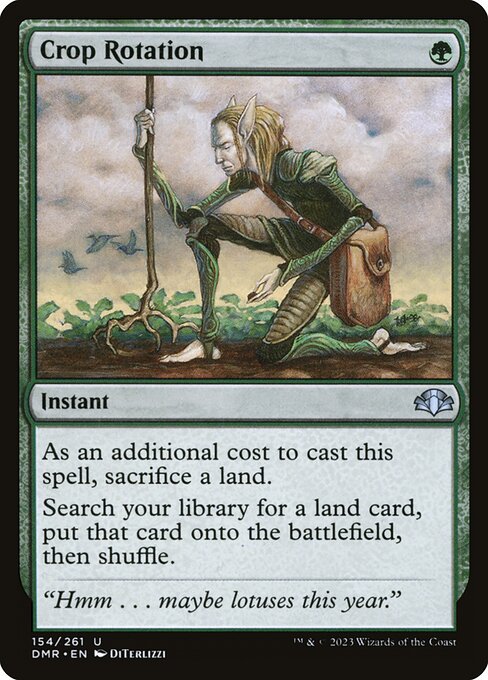
Crop Rotation
-
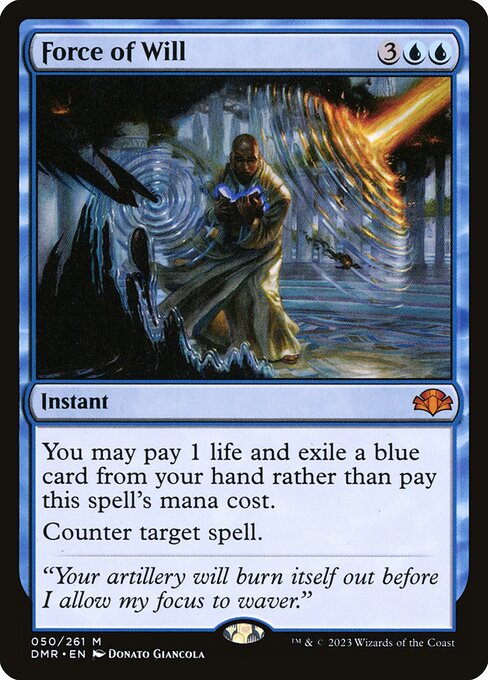
Force of Will
-
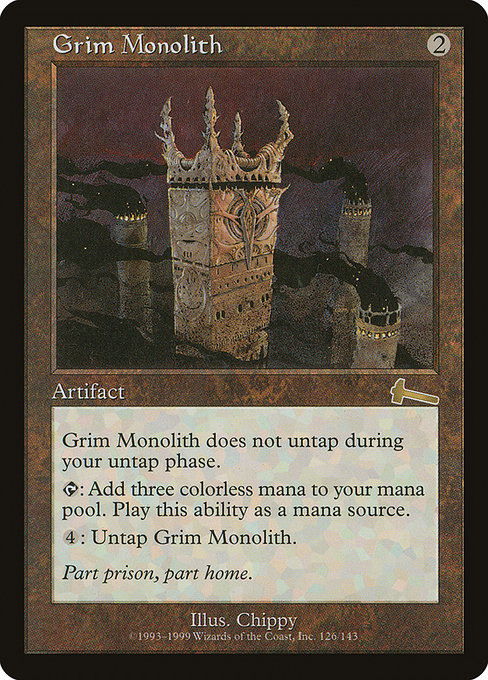
Grim Monolith
-

Sol Ring
-
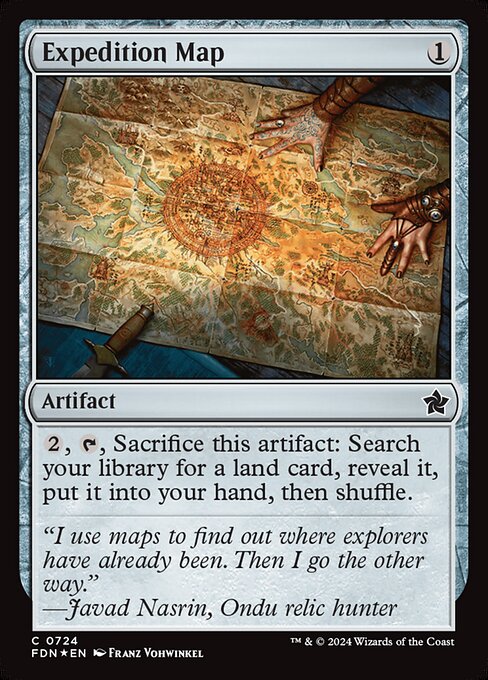
Expedition Map
-
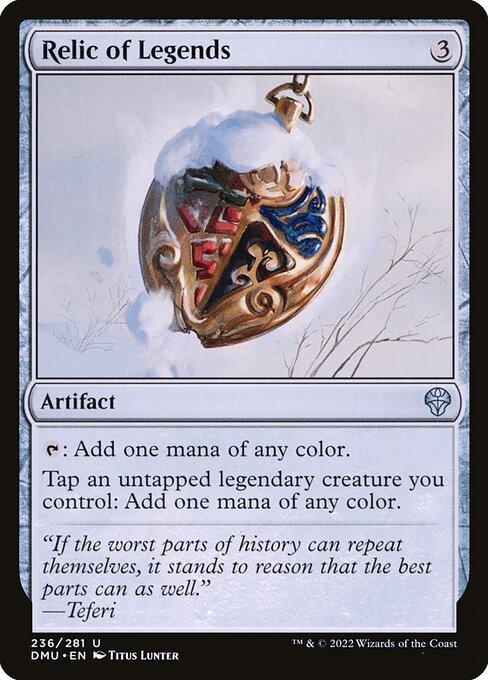
Relic of Legends
Gameplay Summary
The game began with slow starts for several players, with multiple turns passing where the main issue was mana flooding and limited early plays.
Early on, players focused on setting up their mana bases and casting key utility cards like Öza's Saga, Crop Rotation, and various mana artifacts.
A notable early interaction involved multiple responses to Crop Rotation and Vamp Tutor, highlighting the importance of card advantage and disruption.
As the game progressed, players began establishing their board states with mana rocks like Sol Ring and Grim Monolith, and began to draw into more impactful spells. Eventually, the game saw a shift as players started to utilize their commanders and key pieces more actively.
Tasigur and Thrasios players coordinated to use their mana and abilities efficiently, culminating in casting powerful spells like Mystic Study and leveraging card draw engines.
There were critical moments involving counterspells and card draw triggers, including a pivotal use of Force of Will and strategic use of the commander’s activated abilities to generate mana and pressure opponents.
The game remained tense with thoughtful plays around resource management and timing, with players jockeying for position through incremental advantage and disruption.
The transcript cuts off before a definitive conclusion, but the focus was on building up board presence, mana acceleration, and setting the stage for lethal combos or commander-based win conditions.