

Deck & Commander Strategies

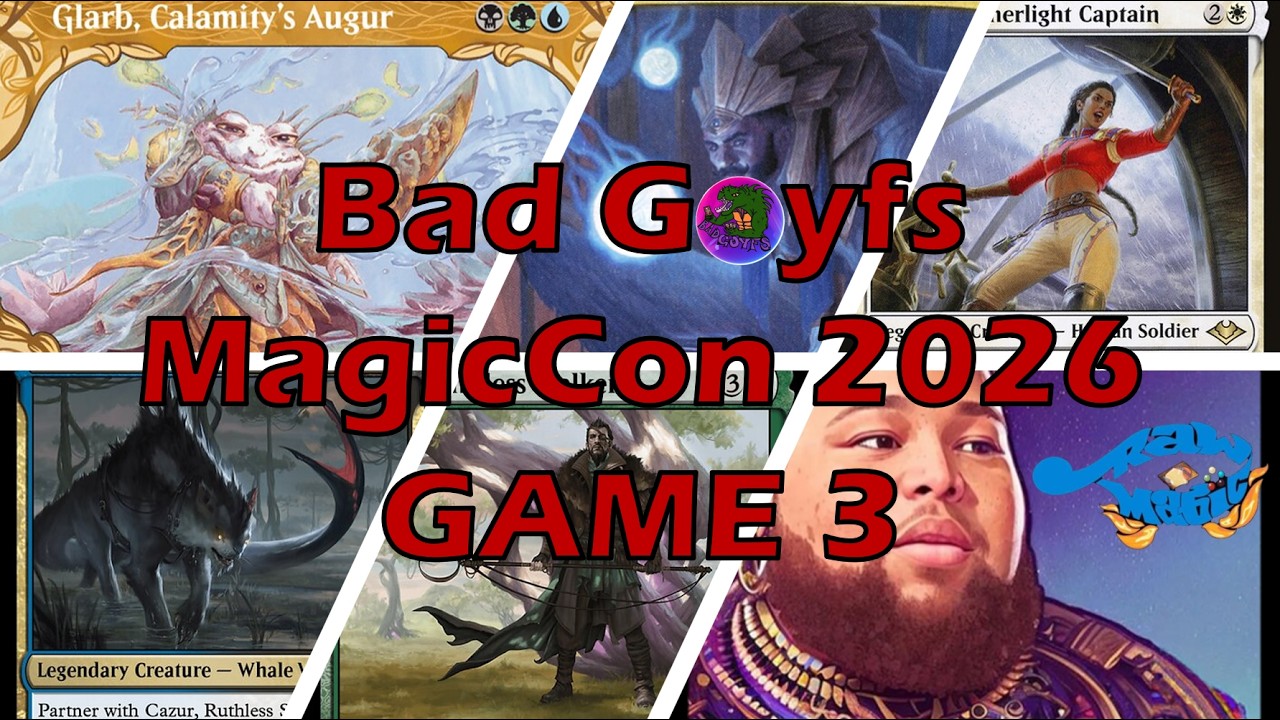
Glarb, Calamity's Augur
Utilizes graveyard interaction and resource denial to control the board while ramping into powerful creatures that can dominate combat and generate value.

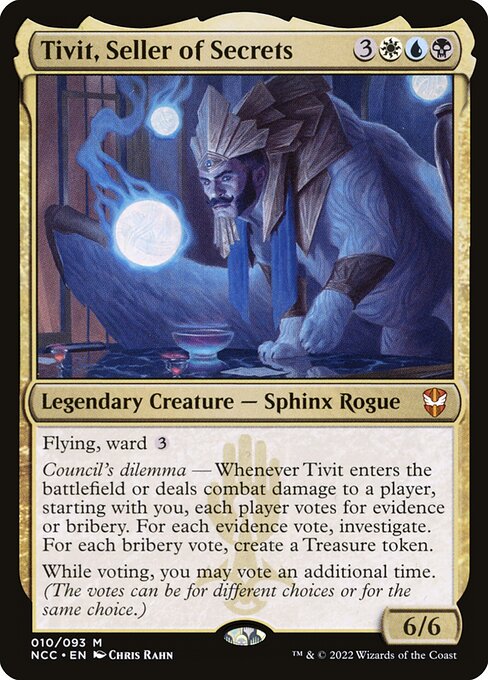
Tivit, Seller of Secrets
Focuses on disruption and incremental advantage by leveraging spells that annoy opponents, while building towards a late-game win through synergy and tempo.

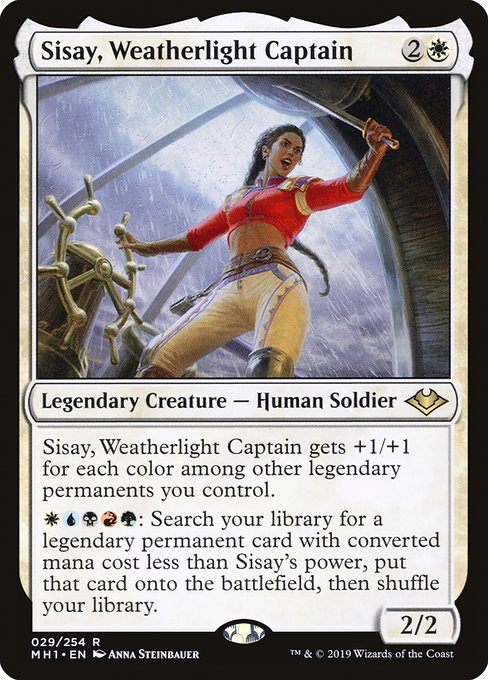
Sisay, Weatherlight Captain
A legendary-focused toolbox deck aiming to fetch and deploy key legendary permanents to overwhelm opponents with powerful and synergistic threats.

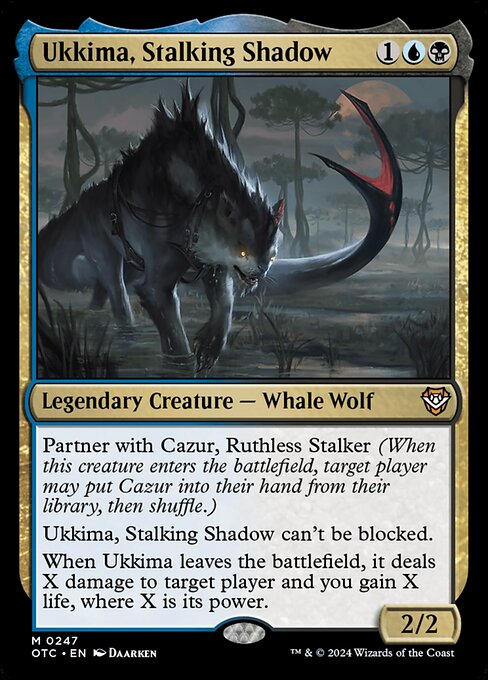
Ukkima, Stalking Shadow
A green-based ramp and beatdown deck that seeks to accelerate mana quickly and deploy large creatures to pressure opponents.

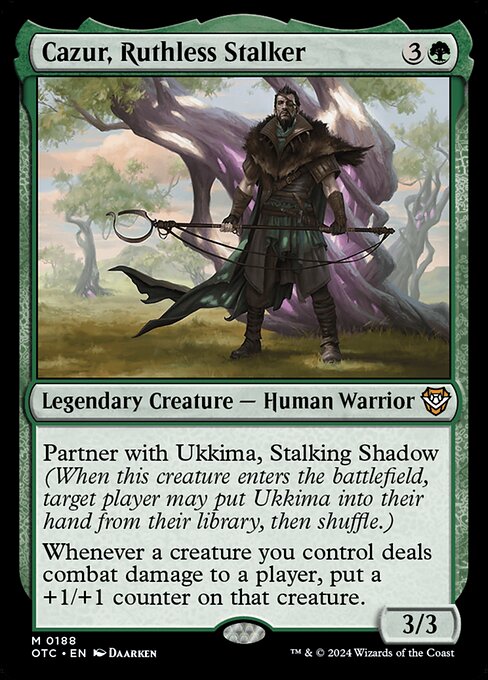
Cazur, Ruthless Stalker
Aggressive and tempo-oriented, focusing on efficient creatures and leveraging combat damage to control the board and secure victory.
Gameplay Insights
- 1
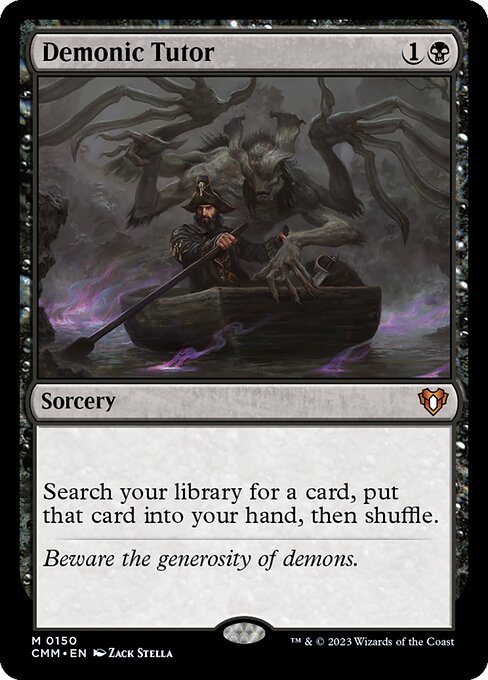
Using Demonic Tutor early allowed a player to pivot their strategy and find critical pieces to advance their game plan.
- 2
Exiling key lands from graveyards disrupted opponents' recursion and mana development, slowing down their tempo.
- 3
Activating Magus of the Cauldron to exile cards and generate counters created a strong board presence and multiple activated abilities for synergy.
- 4
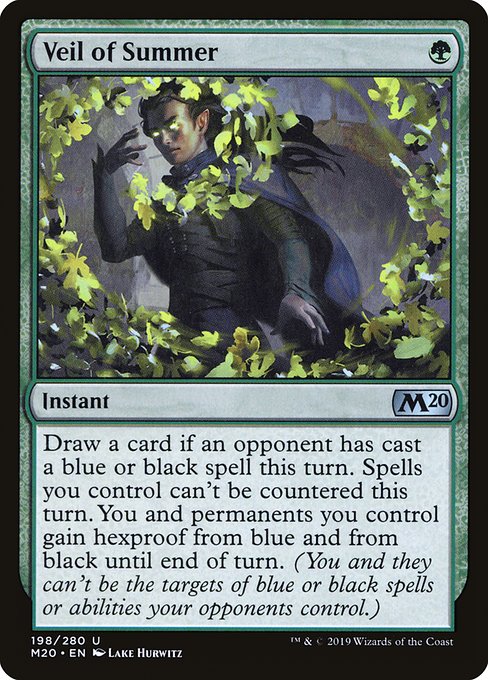
The use of Veil of Summer effectively protected important spells from counterspells and removal, allowing a player to maintain board momentum.
- 5
Players demonstrated strong threat assessment by prioritizing removal and disruption of the most dangerous permanents.
- 6
Careful sequencing of plays and responses helped players maximize value from their spells and abilities while minimizing opponents' interactions.
Notable Cards
-
Demonic Tutor
-
Veil of Summer
-
Mental Misstep
-
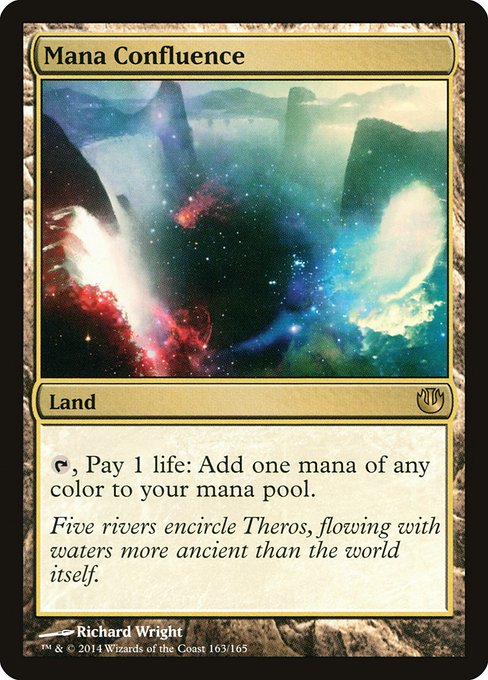
Mana Confluence
-
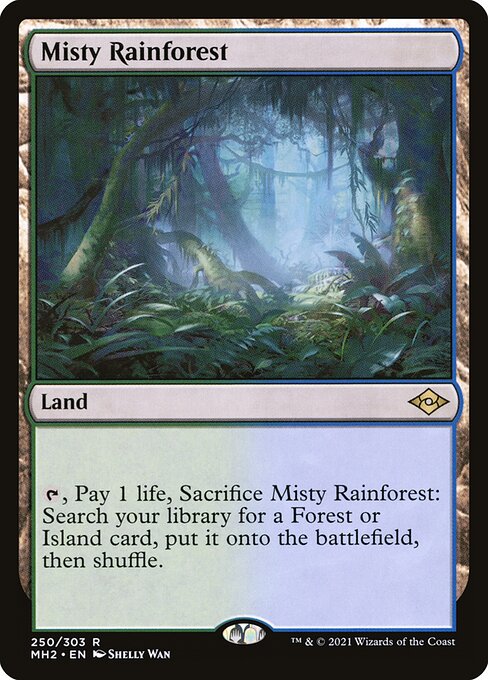
Misty Rainforest
-
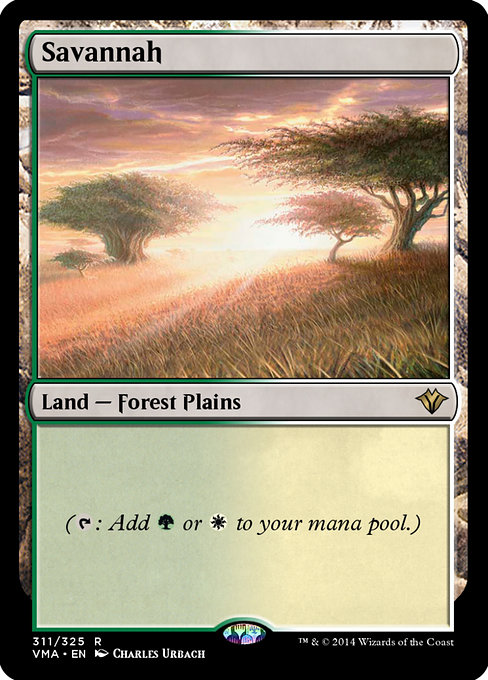
Savannah
Gameplay Summary
The game started with players establishing their mana bases and early board presence, including ramp spells and some initial card draw.
Early interactions involved tactical plays such as manifesting cards and removing key lands from graveyards, indicating a focus on resource denial and board control.
One player notably used Demonic Tutor to shift their game plan, highlighting the importance of finding key combo or synergy pieces early.
As the game progressed, the players began to develop their board states with utility creatures, artifacts like Soul Ring, and various enchantments, gearing towards their respective strategic goals. Mid-game saw increased interaction with players using activated abilities and spells to manipulate graveyards, manage threats, and prepare for larger plays.
A notable moment was the use of Magus of the Cauldron to generate value and activate multiple creature abilities, accelerating board development.
Players also utilized key instant-speed responses like Veil of Summer to protect their spells and permanents from disruption.
The board state became more dynamic with players deploying impactful creatures and preparing for combat, with tension rising around who would seize the win first.
The game featured focused threat assessment and careful sequencing of plays, showcasing the players' knowledge of their decks and the meta.


