


Deck & Commander Strategies

Codie, Ravenous Codex
Focuses on preparing spells to copy them and generate value tokens, combined with treasure token production for ramp. The deck aims to overwhelm opponents with repeated spell effects and a growing board presence.

Jace, Multiverse Architect
Utilizes card draw and control elements, including a powerful board wipe to reset the board. The deck looks to leverage Jace's abilities to maintain card advantage and stall opponents while setting up for a late-game win.

Avacyn, Angel of Horror
Leverages sacrifice outlets and life drain synergies to chip away at opponents’ life totals while drawing cards and maintaining board presence. The deck aims to generate incremental advantage and transform creatures for additional effects.

The Ur-Sphinx
Builds a tribal Sphinx deck that reduces Sphinx casting costs and buffs them with anthem effects. The deck focuses on overwhelming opponents with evasive, high-impact Sphinx creatures and card draw synergies.
Gameplay Insights
- 1
The use of Force of Despair by Jace's player to clear the board was a key strategic reset that stymied aggressive boards and slowed the game tempo.
- 2
Codie's ability to copy prepared spells allowed for efficient mana use and explosive token generation, creating multiple threats quickly.
- 3
The Ur-Sphinx player's synergy with Sphinx tribal cards like Urza's Incubator and Patchwork Banner reduced casting costs and increased board power, creating a growing threat that opponents had to answer.
- 4
Avacyn's strategy of sacrificing creatures to draw cards and drain life kept the deck relevant even after board wipes and allowed slow incremental advantage.
- 5
Players frequently leveraged mana rocks and ramp spells early to accelerate their game plans and deploy impactful creatures ahead of schedule.
Notable Cards
-

Force of Despair
-
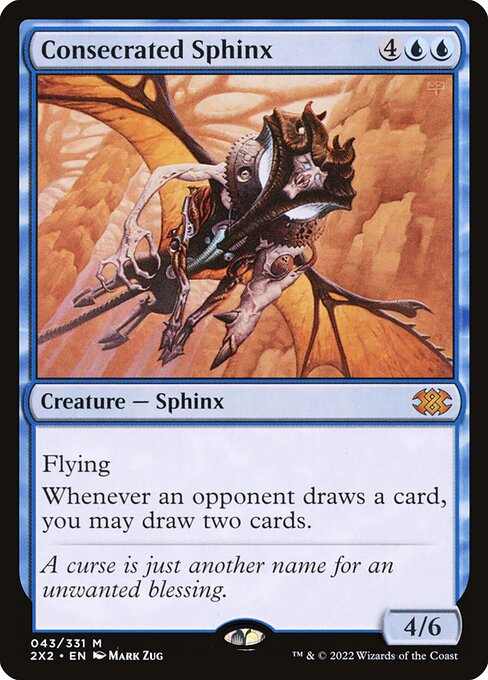
Consecrated Sphinx
-
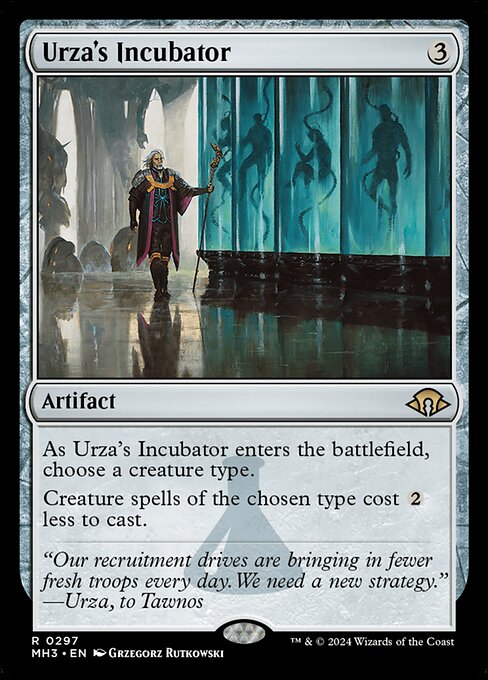
Urza's Incubator
-

Patchwork Banner
-

Ignoble Hierarch
-

Goblin Glasswright // Craft with Pride
-

Twilight Diviner
-
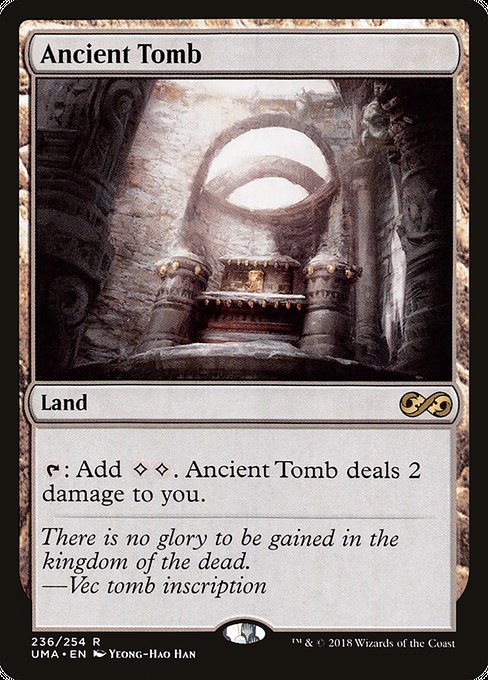
Ancient Tomb
-

Fellwar Stone
Gameplay Summary
The game began with a slow start as players struggled with land drops, but soon ramp spells like Fellwar Stone and Ancient Tomb accelerated the board development.
The Ur-Sphinx player established a Sphinx tribal synergy with cards like Patchwork Banner and Urza's Incubator, buffing their Sphinx creatures and reducing their casting costs.
Codie, Ravenous Codex focused on doubling prepared spells and generating treasure tokens, utilizing creatures like Goblin Glasswright and Ignoble Hierarch for ramp and value.
Avacyn, Angel of Horror leveraged sacrifice and card draw synergies through creatures like Sephara, Sky's Blade Soldier and Viscera Seer, steadily draining opponents' life totals while gaining incremental advantage. A pivotal moment came when the Jace, Multiverse Architect player cast a powerful board wipe, Force of Despair, clearing many creatures after a turn of heavy creature drops.
This shifted tempo and stalled aggressive board states.
However, Codie’s token generation and prepared spells continued to build pressure, enabling multiple spell copies and mana acceleration.
Meanwhile, the Ur-Sphinx player deployed key Sphinx creatures and support to capitalize on their tribal bonuses.
The game featured multiple interactions around drawing cards, creating tokens, and repairing creatures to keep pressure high.
Ultimately, the game revolved around these synergies and incremental advantages, with players contesting for control through tempo swings, card advantage, and board presence.