


Deck & Commander Strategies

The Great Goblin
An aggressive artifact-based deck that accelerates mana through artifact synergies and uses Goblin Engineer to recycle key pieces, aiming to generate fast mana and pressure opponents quickly.

Bard, King of Dale
Focuses on midrange value plays with a combination of enchantments and creatures to control the board while generating incremental advantage, leveraging card draw engines and interaction to survive into the late game.

Smaug the Impenetrable
A combo-centric deck that attempts to assemble powerful mana combos using artifact and spell synergies, aiming to win through overwhelming board presence or infinite mana generation.

Thranduil, the Elvenking
Relies on untap and haste enablers to capitalize on multiple combat phases and combos, focusing on generating infinite mana and using fast mana to execute a lethal combo quickly.
Gameplay Insights
- 1
Casting Wheel of Fortune twice disrupted players' hands significantly, forcing them to adapt their strategies mid-game.
- 2
The presence of taxing enchantments like Mystic Remora and Rhystic Study created tension between drawing cards and paying mana to avoid losing resources.
- 3
Players carefully debated the timing of protective spells like Angel's Grace to survive lethal combos, demonstrating high-level risk assessment.
- 4
Defense Grid's presence on the battlefield complicated counterspell timing, affecting players' ability to respond to threats efficiently.
- 5
Thranduil's deck was hampered by the lack of haste enablers and the commander itself on the battlefield, limiting combo execution despite having mana available.
- 6
The Great Goblin deck utilized artifact recursion and mana acceleration effectively but struggled to find a clear win condition amidst heavy interaction.
- 7
Players' knowledge of opponents' discarded cards influenced decisions around Deathrite Shaman activation and overall resource denial.
Notable Cards
-
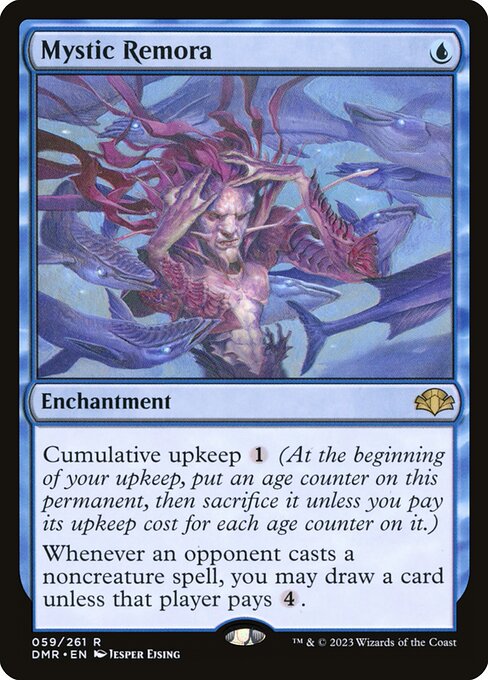
Mystic Remora
-
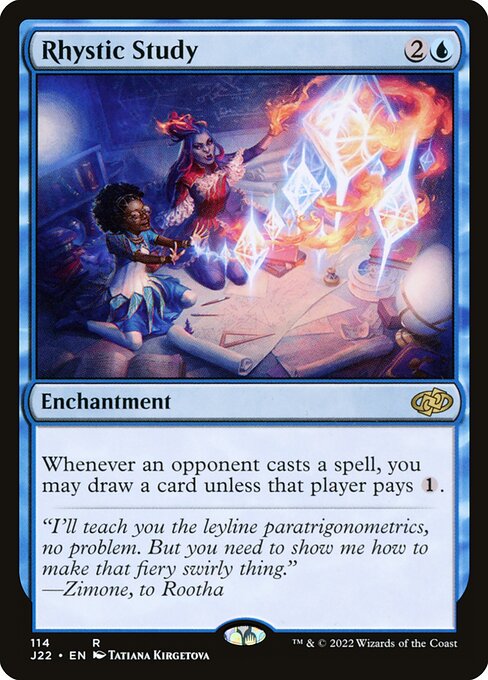
Rhystic Study
-
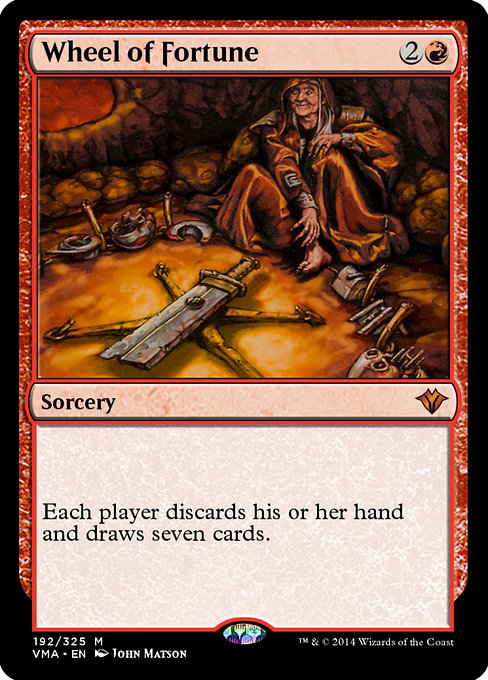
Wheel of Fortune
-
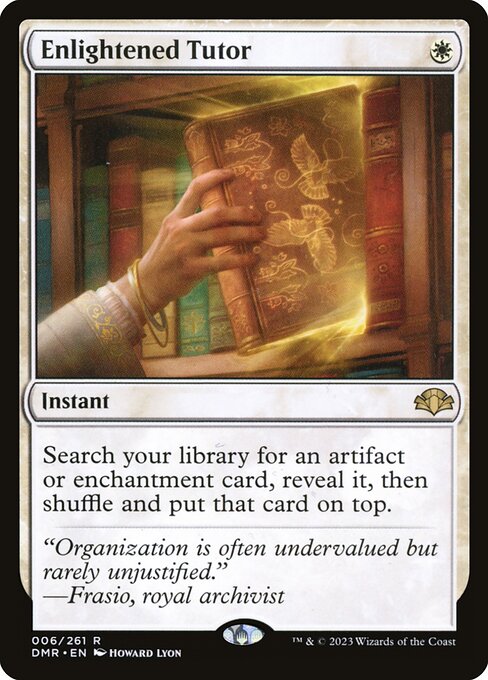
Enlightened Tutor
-
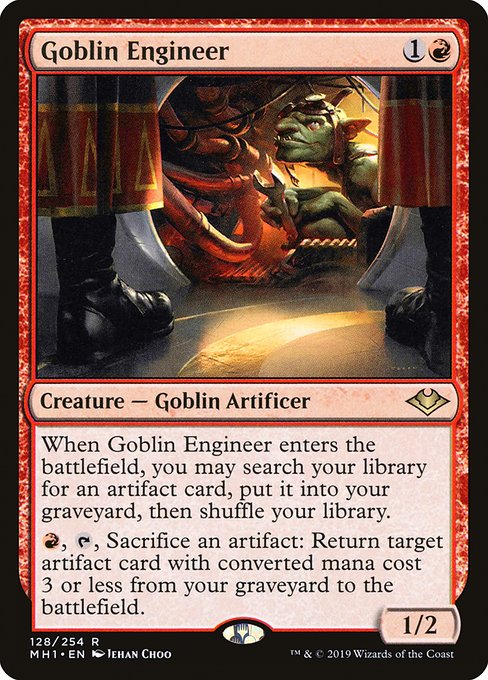
Goblin Engineer
-
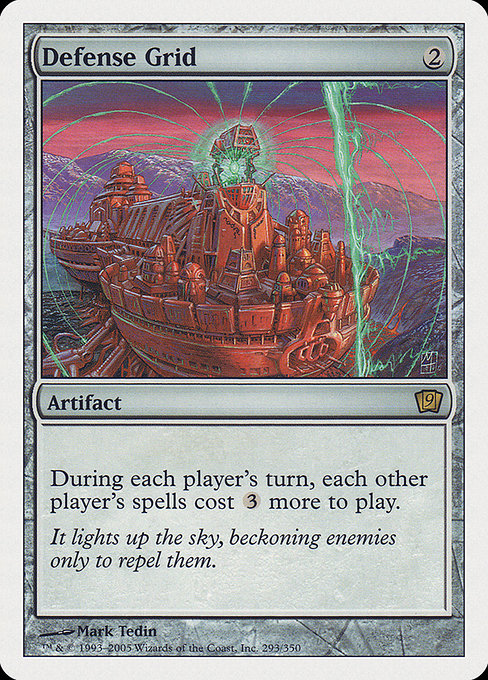
Defense Grid
-
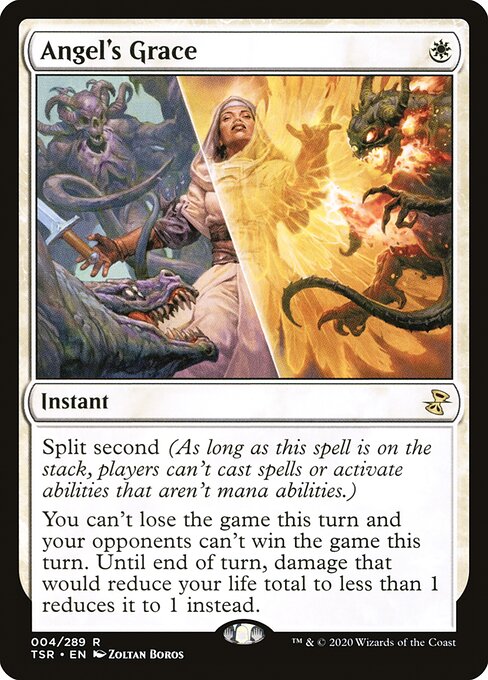
Angel's Grace
-
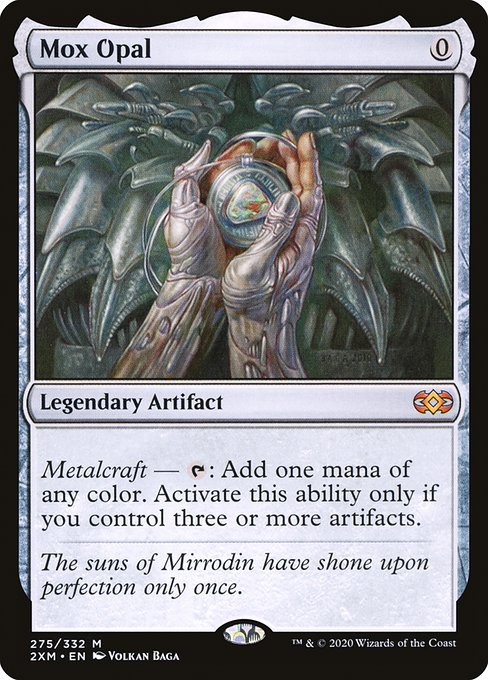
Mox Opal
-
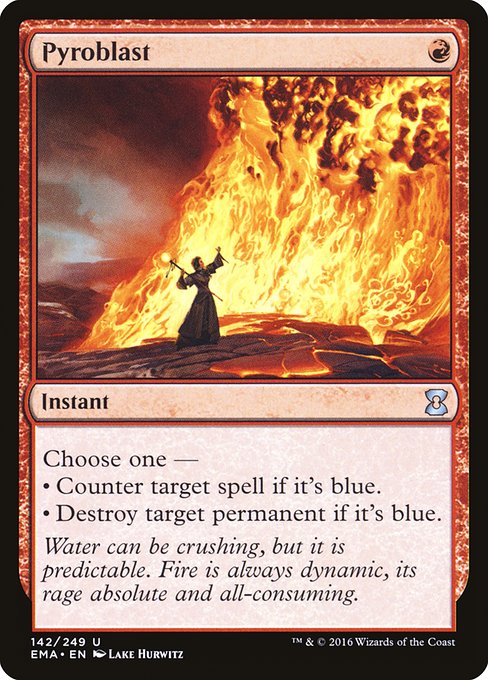
Pyroblast
-
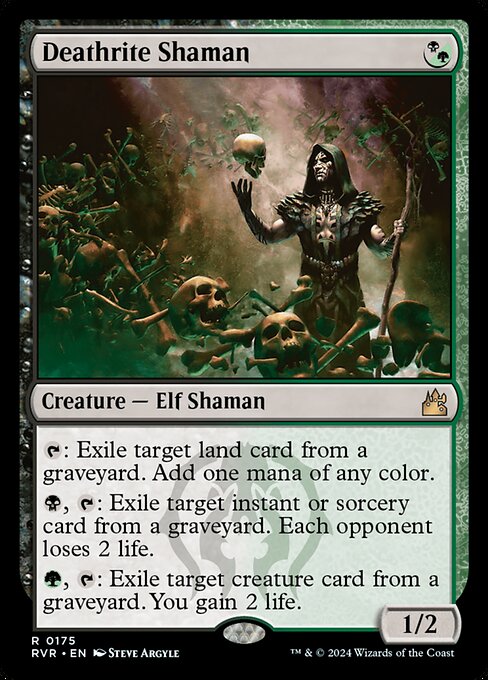
Deathrite Shaman
-
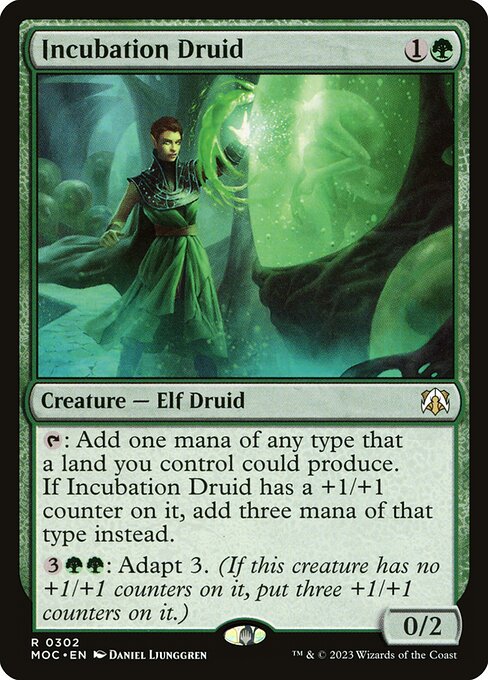
Incubation Druid
-

Dark Ritual
-
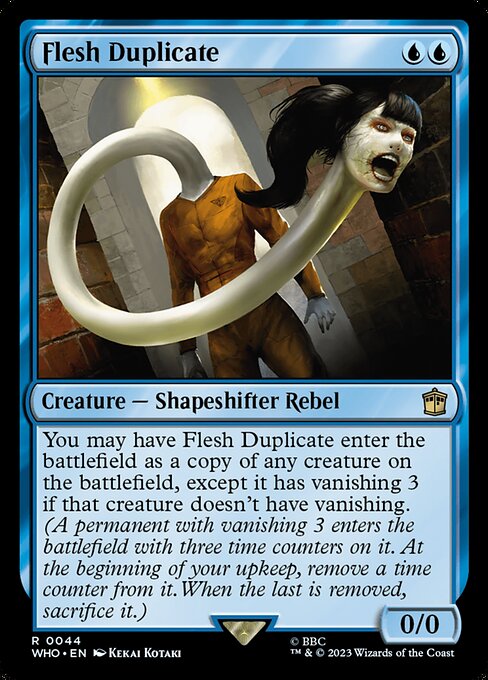
Flesh Duplicate
Gameplay Summary
The game begins with all four players deploying their respective Hobbit-themed cEDH decks, each focusing on their unique synergies and strategies.
Early plays include ramp and interaction spells such as Sol Ring, Mystic Remora, and Goblin Engineer, setting up resources and controlling the pace.
A key moment occurs when a Wheel of Fortune reshuffles hands, forcing players to discard and recalibrate their plans.
The Mystic Remora and Rhystic Study enchantments generate card advantage but also invite heavy interaction, including Pyroblast and Red Blast counterspells that remove these taxing enchantments from the board.
The game features a dynamic interaction phase with players debating whether to cast protective spells like Angel's Grace to survive potential lethal combos, highlighting the tension in resource management and timing. As the game progresses, players attempt to assemble combos and mana acceleration, with specific focus on haste enablers and infinite mana generation.
The Great Goblin deck leverages artifact synergies and aggressive plays, while Thranduil’s deck seeks to utilize untap effects and haste to close out the game.
Despite the presence of powerful interaction and disruption like Defense Grid and multiple counterspells, players struggle to secure a definitive win early on.
The gameplay showcases the importance of sequencing and resource denial, with players often forced to pass turns and plan around their opponents' potential countermoves.
The game remains in an intense stalemate, emphasizing the high skill and strategic depth of cEDH Hobbit commanders.






![Smaug! In cEDH? Which One? [cEDH GAUNTLET] SMAUG v KINNAN v TYMNA\DARGO v ROG\THRASIOS thumbnail](https://i.ytimg.com/vi/F4CbX8zwRME/sddefault.jpg)

