Deck & Commander Strategies

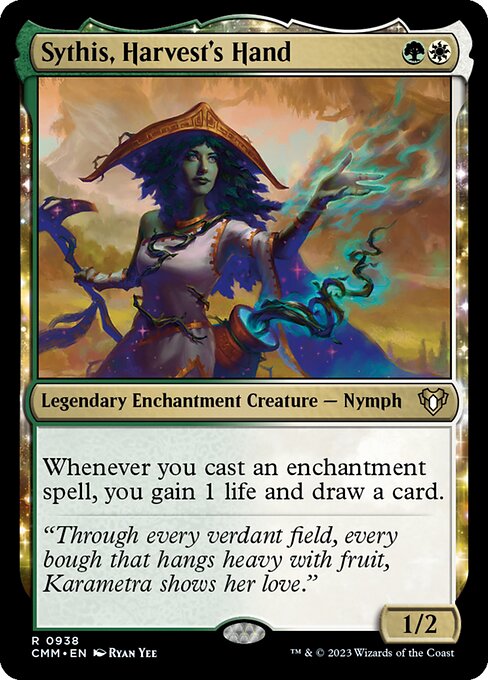
Sythis, Harvest's Hand
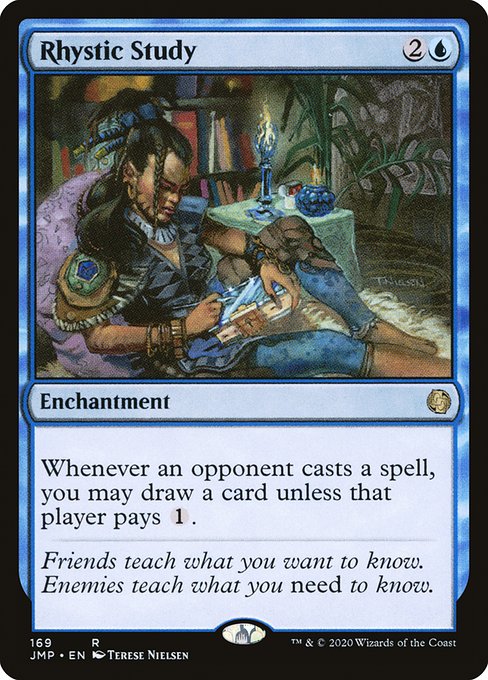
Utilizes enchantment-based ramp and card draw engines, including Rhystic Study and enchantress effects, to generate continuous card advantage and board presence, aiming to overwhelm opponents with value and incremental advantage.

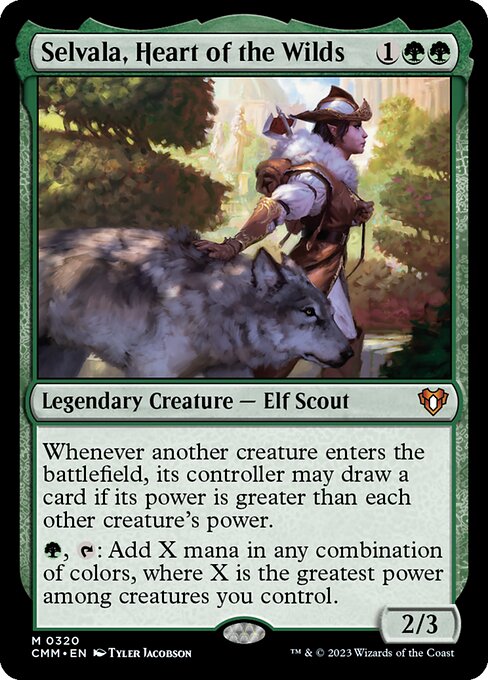
Selvala, Heart of the Wilds
Focuses on fast mana ramp with lands and mana dorks to generate large amounts of green mana quickly, enabling explosive plays and powerful creature threats.


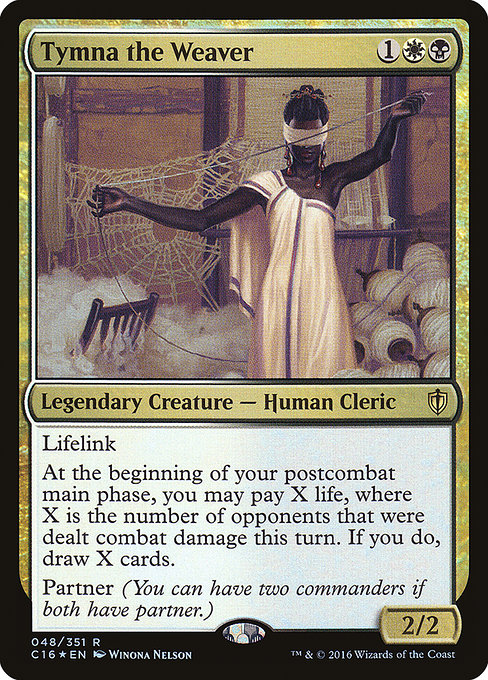
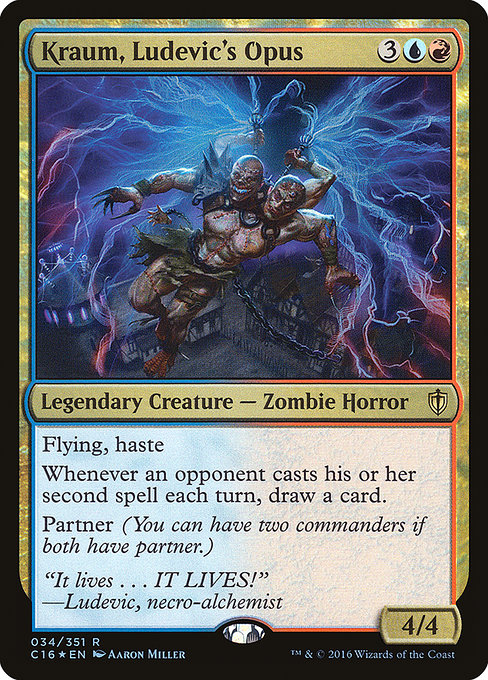
Tymna the Weaver & Kraum, Ludevic's Opus
Leverages card draw from combat damage and disruption spells to control the board state and maintain consistent pressure on opponents.
-

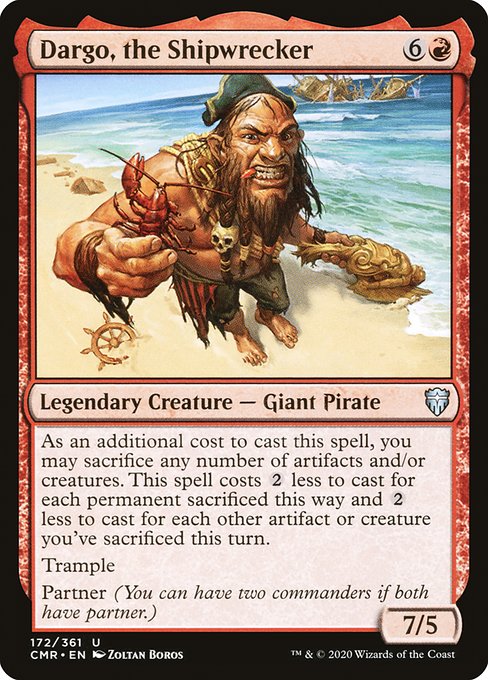
Tymna the Weaver & Dargo, the Shipwrecker
Combines aggressive disruption and combat damage based card draw, aiming to dismantle opponents' key resources while advancing its own board presence.
Gameplay Insights
- 1
Early casting of Rhystic Study forced opponents into difficult decisions about paying for its draw trigger or allowing card advantage.
- 2
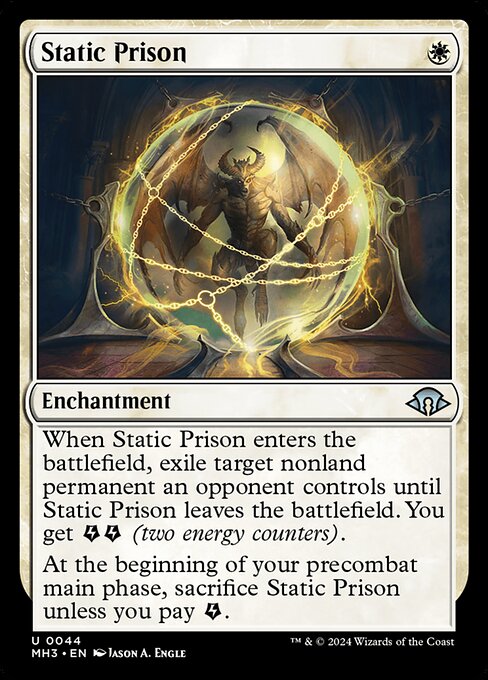
The use of Static Prison to exile a key creature (Bone Masters) significantly hindered an opponent's board development.
- 3
Players negotiated around whether to remove or feed Rhystic Study, recognizing the value and threat it posed to the game state.
- 4
Sythis’s ability to continuously draw cards through enchantress triggers and spells allowed it to maintain pressure despite opponents’ disruption.
- 5
Strategic decision to delay aggressive interaction in exchange for a temporary truce allowed Sythis to develop its board further.
Notable Cards
-
Rhystic Study
-
Static Prison
-
Orcish Bowmasters
-
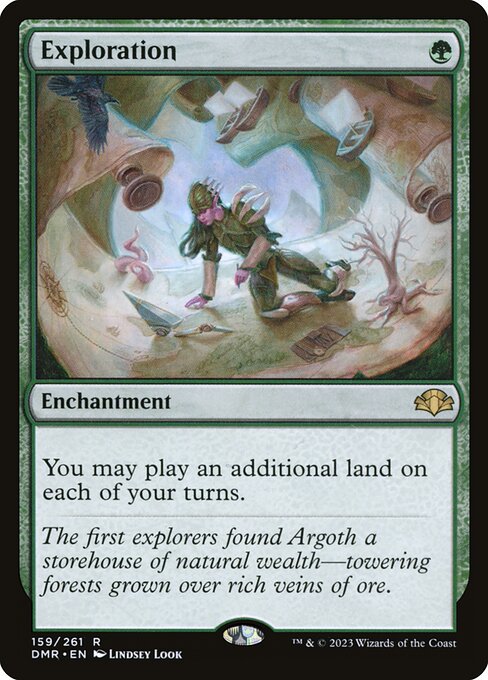
Exploration
-
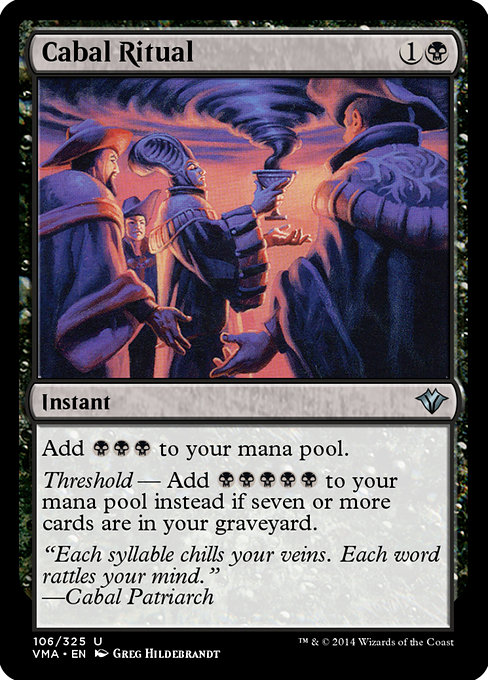
Cabal Ritual
-
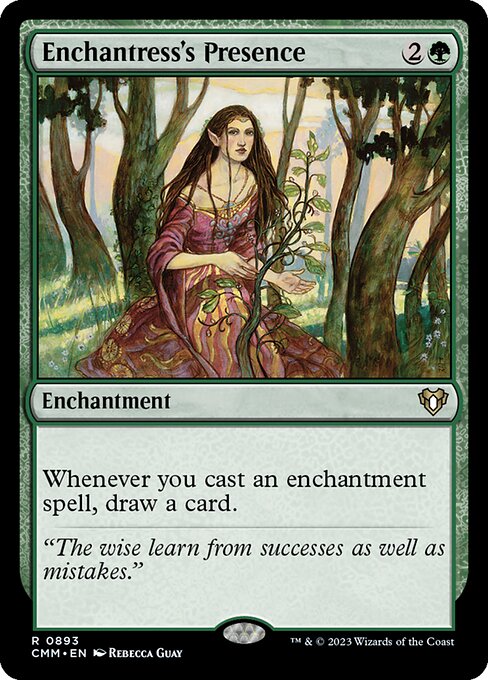
Enchantress's Presence
Gameplay Summary
The game started with players developing their mana bases and setting up early game resources, with Selvala and Sythis decks focusing on ramp and card draw through enchantments and mana dorks.
A pivotal moment occurred when the player piloting Sythis cast Rhystic Study early, which immediately drew attention and forced interaction due to its taxing draw effect.
Despite some hesitation from opponents, the Rhystic Study remained on the board, enabling continuous card advantage and fueling the Sythis player's strategy. Throughout the midgame, players navigated around each other's board states, with notable use of Static Prison to lock down an opponent’s creatures and strategic decisions around paying or not paying for Rhystic Study triggers.
The game featured tense negotiation moments where players debated whether to remove or feed the taxing enchantment, affecting tempo and interaction options.
The Sythis player leveraged enchantress triggers and additional card draw spells to maintain momentum, while other decks, including Tymna/Kraum and Tymna/Dargo, focused on disruption and incremental advantage.
The game’s progression highlighted the importance of managing enchantment-based engines and controlling key threats to prevent explosive turns.
By the end of the segment, the Sythis deck had established a strong board presence and card flow, positioning for a potential win condition centered on overwhelming opponents with incremental advantage and synergy.