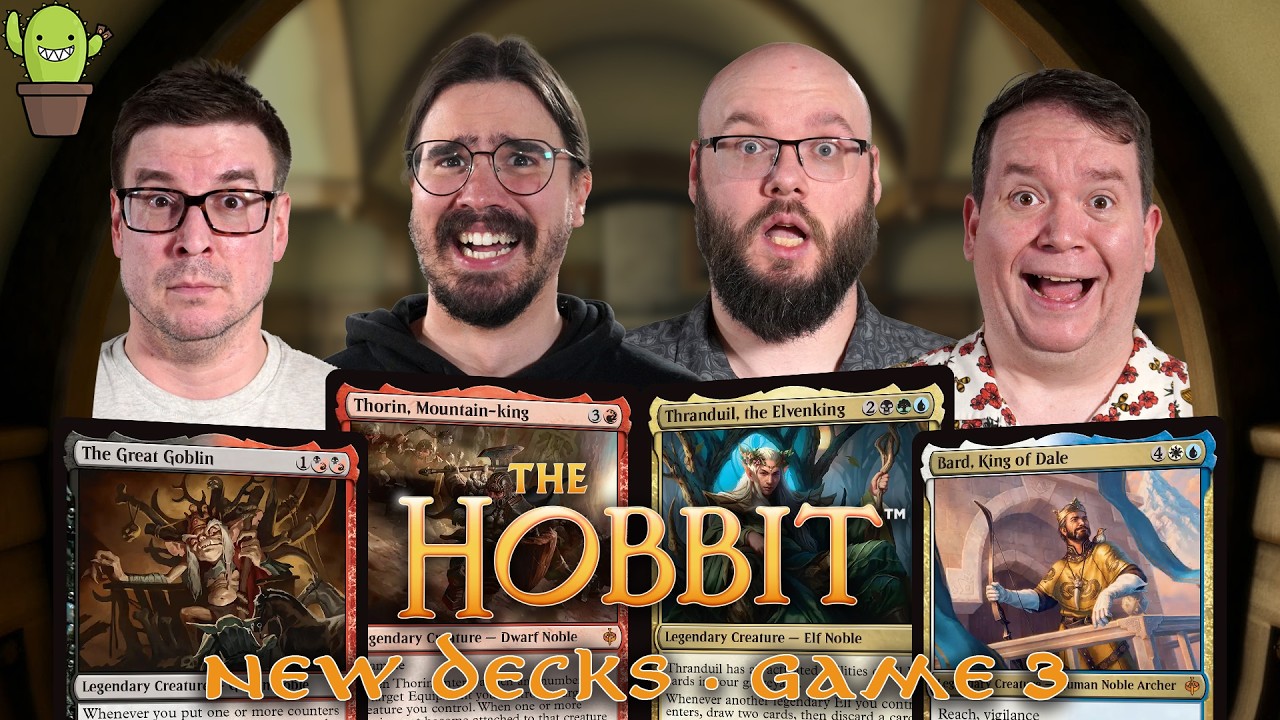


Deck & Commander Strategies

Thranduil, the Elvenking
An elf tribal deck focused on leveraging legendary elves to generate card advantage and utilize all activated abilities of elven cards in the graveyard, enabling powerful recursion and combo interactions.

Thorin, Mountain-king
Mono-red equipment aggro that focuses on equipping creatures with various artifacts to enhance their combat potential and deal continuous damage through aggressive attacks.

Bard, King of Dale
A token-based deck that doubles token production and enhances card draw, aiming to create a large board presence and overwhelm opponents through sheer numbers and resilience.

The Great Goblin
A goblin-centered deck that uses counters—primarily +1/+1 and other unique counters—on creatures to grow threats and trigger damage-dealing abilities, maintaining pressure on opponents.
Gameplay Insights
- 1
The Great Goblin’s strategy of accumulating counters and triggering damage created consistent early pressure on opponents.
- 2
Thranduil’s ability to draw two cards and discard one with each new legendary elf entering the battlefield allowed him to maintain strong card advantage throughout the game.
- 3
Bard’s doubling of token production synergized well with his card draw ability, enabling a rapid buildup of a threatening army.
- 4
Thorin’s efficient use of equipment to buff creatures made his attacks impactful and helped him maintain board dominance.
- 5
The interaction between Charismatic Conqueror’s taxing effect on opponents’ untapped permanents and the aggressive creature deployment slowed down opponents’ tempo and generated vampire tokens for incremental life gain.
Notable Cards
-
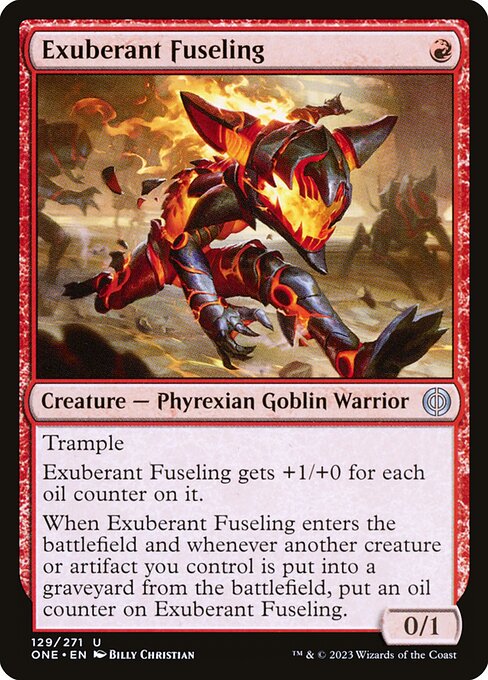
Exuberant Fuseling
-
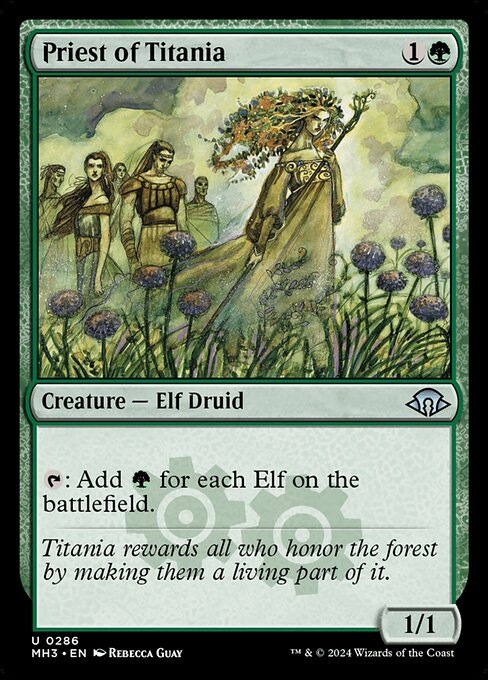
Priest of Titania
-
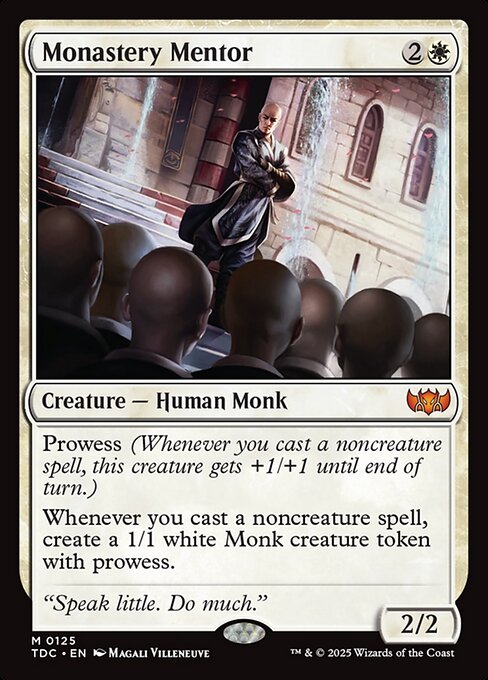
Monastery Mentor
-
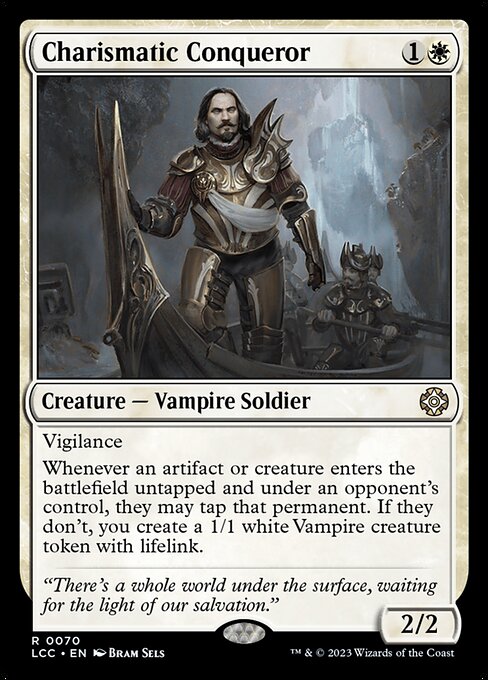
Charismatic Conqueror
-

Buster Sword
Gameplay Summary
The game began with each player establishing their mana base and early board presence according to their deck's theme.
Thorin, Mountain-king, focused on monored equipment, deploying creatures and attaching equipment to build a strong aggressive board.
The Great Goblin player developed a synergy around counters on goblins and other creatures, using cards like Exuberant Fuseling to grow threats and ping opponents for damage.
Thranduil, the Elvenking, leveraged his elf tribal synergy to generate card advantage by drawing and discarding with each new legendary elf entering the battlefield, while also gaining access to all activated abilities of elves in the graveyard, enabling complex interactions.
Bard, King of Dale, built a token-heavy board state, utilizing his ability to double tokens and generate immense card draw, setting up for a dominating mid-to-late game presence. Key moments included the Great Goblin's aggressive use of counters and damage triggers, Thorin equipping and enhancing his creatures for consistent damage output, and Thranduil's steady card draw engine that kept his hand full and options open.
Bard’s token generation and card draw enabled him to maintain a large army of creatures, pressuring opponents and providing defensive capabilities.
The interplay of these strategies created a dynamic and interactive game, with each player trying to leverage their unique synergies and board states.
The game’s tension revolved around managing threats, board control, and card advantage, with the win condition primarily revolving around overwhelming the opponents through either combat damage or value generated from synergistic combos and tribal synergies.


