

Deck & Commander Strategies

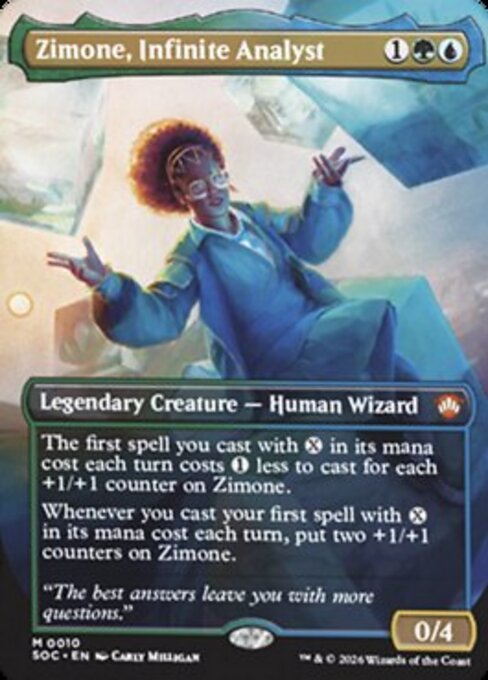
Zimone, Infinite Analyst
Focuses on casting spells with X costs efficiently by accumulating counters that reduce cost, enabling big spells and card draw to fuel a powerful spellslinger game plan.

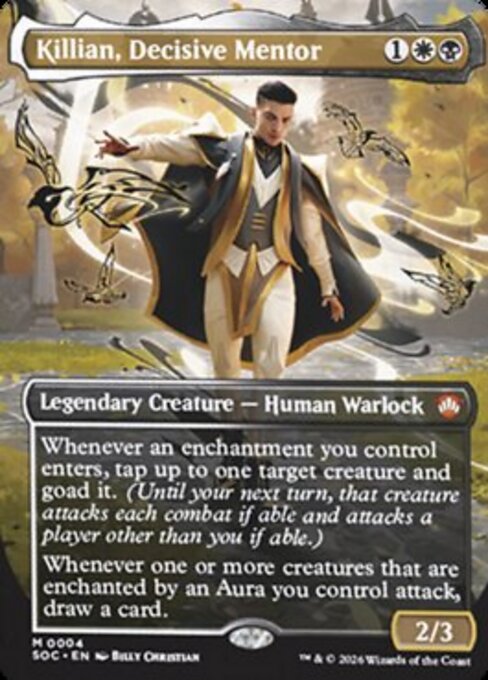
Killian, Decisive Mentor
An aggressive deck that uses fight mechanics and tap effects to control opponents' creatures, aiming to win through combat pressure and disruption.

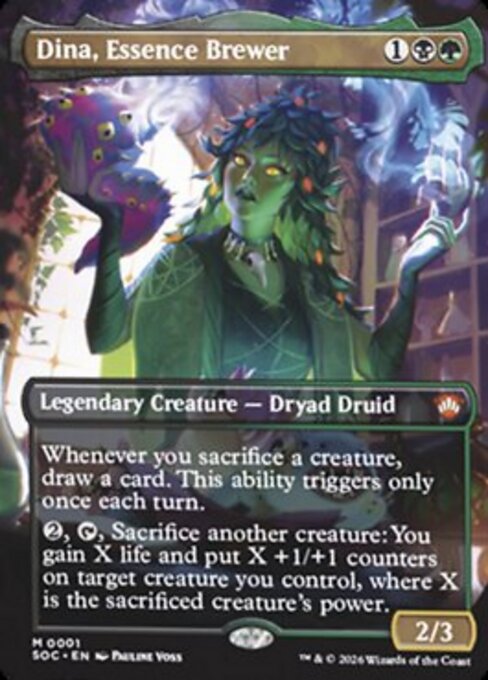
Dina, Essence Brewer
Leverages life gain and graveyard synergies to create a resilient board state, using reanimation and incremental life gain to outlast opponents.

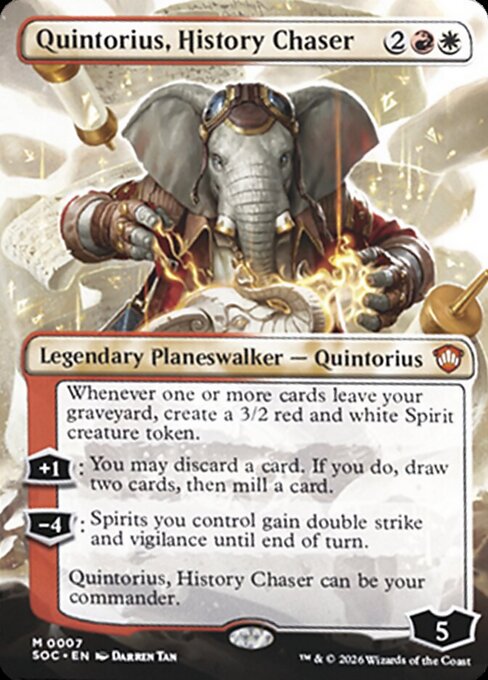
Quintorius, History Chaser
Utilizes graveyard exile triggers to create Spirit tokens and draws cards by discarding; can buff tokens for strong combat turns, blending graveyard interactions with token aggression.

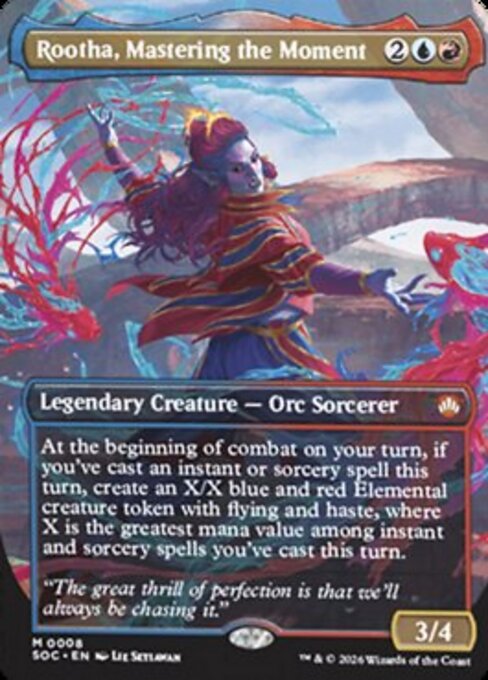
Rootha, Mastering the Moment
Focuses on casting instant and sorcery spells to generate elemental tokens with flying and haste, aiming to overwhelm opponents with repeated token creation and tempo swings.
Gameplay Insights
- 1
The use of Zimone’s counters to reduce the cost of X spells was pivotal, allowing big spells to be cast more frequently and enabling strong board presence and card advantage.
- 2
Silverquill’s strategy of forcing creatures to fight created chaotic board states that pressured opponents into unfavorable trades, disrupting their plans.
- 3
Quintorius' ability to generate multiple Spirit tokens through graveyard exile combined with card draw allowed for sustained aggression and resource advantage.
- 4
Witherbloom’s life gain and graveyard recursion provided durability, allowing its controller to survive early aggression and build towards a late-game win.
- 5
Prismari’s elemental token creation on casting instants and sorceries added consistent flying threats, leveraging tempo to keep opponents on the defensive.
Notable Cards
-
Quintorius, History Chaser
-
Zimone, Infinite Analyst
Gameplay Summary
The game began with five players each selecting a Strixhaven preconstructed deck, aligning with the five magical colleges.
Players embraced their decks' thematic strengths: Zimone focused on spells with variable X costs and leveraging counters, Silverquill used aggressive tactics and forcing opponents’ creatures to fight, Quandrix emphasized high-cost spells and fractal tokens, Witherbloom centered on life gain and graveyard interactions, and Lorehold pushed graveyard exile and spirit token creation.
Early turns were characterized by ramp and setting up board presence with tokens and utility creatures. A key turning point occurred as the players started to utilize their commanders' unique abilities to generate incremental advantages.
Quintorius churned through the graveyard to create tokens and card draw, while Zimone's ability to reduce the cost of X spells and accumulate counters allowed for significant spellcasting boosts.
Aggressive board control via Silverquill's fight mechanics pressured opponents, whereas Witherbloom’s life gain and reanimation helped sustain its controller.
The gameplay featured dynamic interactions between token swarms, combat tricks, and graveyard synergies, with players carefully sequencing spells to maximize value.
The game’s tension rose as players jockeyed for board dominance and card advantage, looking to leverage their commanders' strengths for a decisive win condition based on overwhelming with tokens and combat damage or out-valuing opponents through spell combos and recursion.