


Deck & Commander Strategies

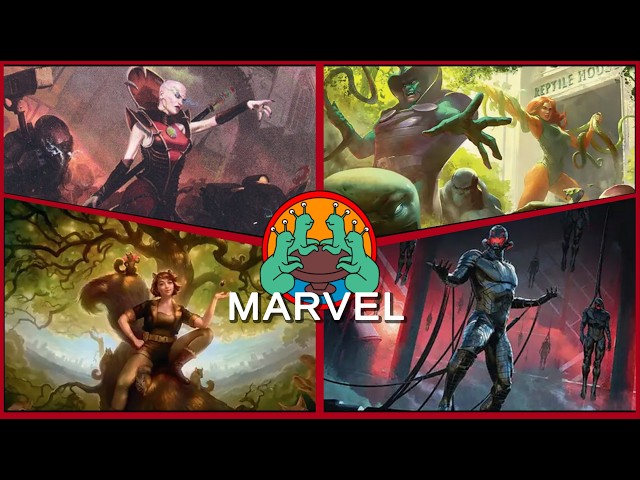
Ultron, Artificial Malevolence
Build and copy artifacts to overwhelm opponents with artifact synergy and artifact-based damage.

Thorin, Mountain-king
Equip creatures with powerful equipment and attack aggressively to finish opponents quickly.

Blech, Loafing Pest
Generate numerous pest tokens and use life gain and growth effects to maintain board presence and pressure opponents.

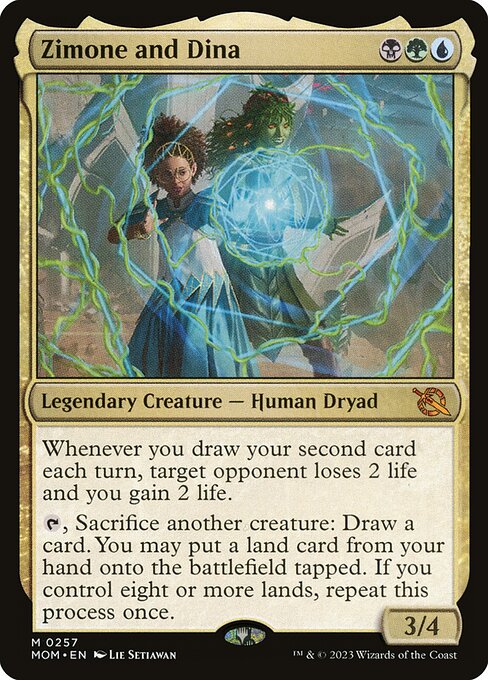
Zimone and Dina
Sacrifice creatures to drain life from opponents, draw cards, ramp lands, and leverage recursive triggers for sustained advantage.
Gameplay Insights
- 1
Ultron's artifact copying created a significant board presence, forcing opponents to respond quickly or be overwhelmed.
- 2
Thorin's emphasis on equipment synergy allowed for steadily increasing damage output and board dominance through combat.
- 3
Blech's token generation and life gain provided a durable and resilient board state that was difficult to remove.
- 4
Zimone and Dina's sacrifice and recursion mechanics created a snowball effect, enabling sustained card advantage and life manipulation that could turn the tide late game.
Notable Cards
-

Ultron, Artificial Malevolence
-

Thorin, Mountain-king
-

Blech, Loafing Pest
-
Zimone and Dina
Gameplay Summary
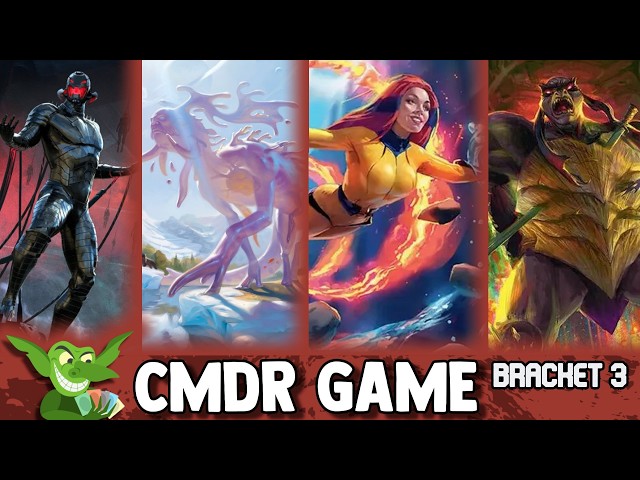
The game of Commander began with Jan playing Ultron, Artificial Malevolence, focusing on an artifact-based strategy aimed at creating copies of artifacts to generate overwhelming board presence and damage.
Madison piloted Thorin, Mountain-king, a deck themed around equipping and enhancing creatures for aggressive combat.
Bill led a pest-themed deck with Blech, Loafing Pest, aiming to produce numerous pest tokens and use life gain and token growth mechanics to maintain board control and pressure.
Alex played Zimone and Dina, a deck centered on sacrificing creatures to drain opponents' life, draw cards, and ramp lands, leveraging recursive triggers for exponential advantage over time. Throughout the game, players navigated their distinct strategies while interacting on the board.
Ultron’s artifact synergy pressured opponents with multiple artifact copies, while Thorin’s equipment-enhanced creatures pushed steady aggression.
Blech’s token generation and life gain created a resilient board state, which proved challenging for opponents to dismantle.
Zimone and Dina’s sacrifice and recursion engine enabled sustained card advantage and life manipulation, slowly tipping the game in Alex’s favor.
Key turning points involved successful board control and leveraging synergy triggers, with the game unfolding as a dynamic clash of artifact replication, token swarm, equipment aggression, and life manipulation.
The eventual win condition likely centered on the incremental advantage from Zimone and Dina’s recursive sacrifice engine or a decisive board state from Ultron’s artifact army or Thorin’s equipped attackers.