

Deck & Commander Strategies

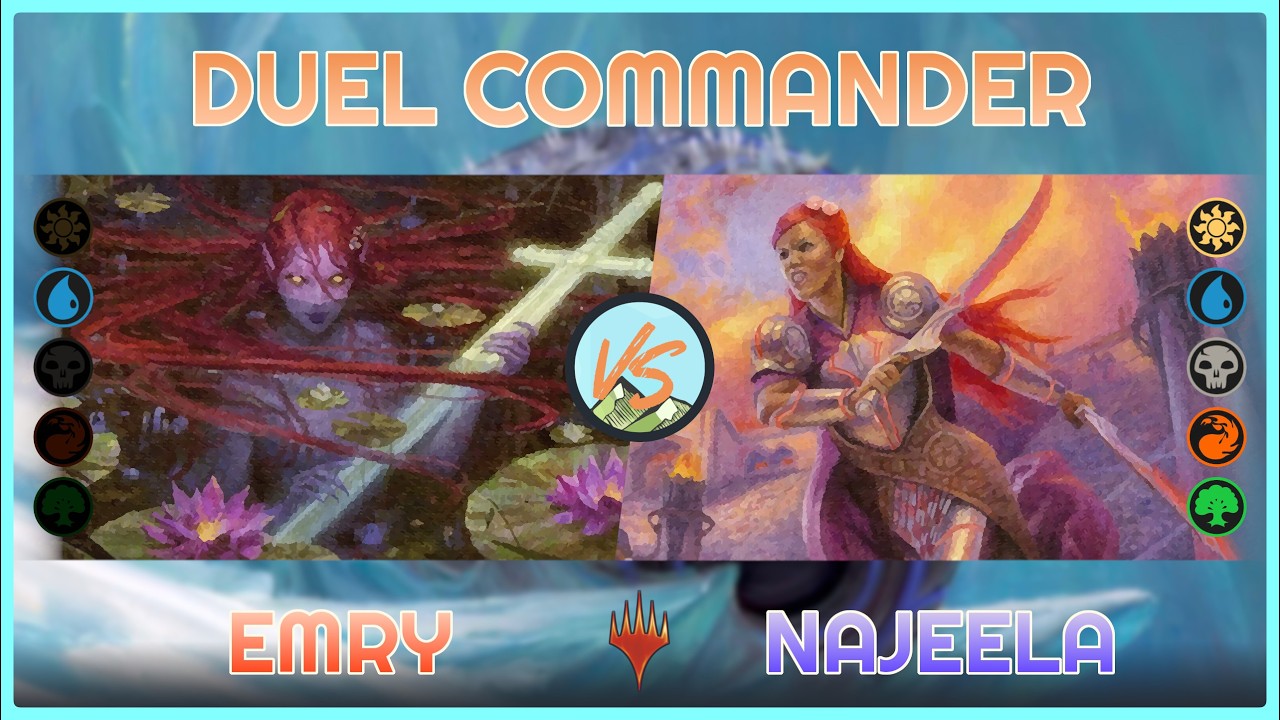
Emry, Lurker of the Loch
Focuses on artifact synergies and graveyard recursion to generate card advantage and incremental value. Uses Emry's ability to repeatedly cast artifacts and grind through the deck with tutors and artifact interactions like Grindstone and Skullclamp to control the board and set up combos.
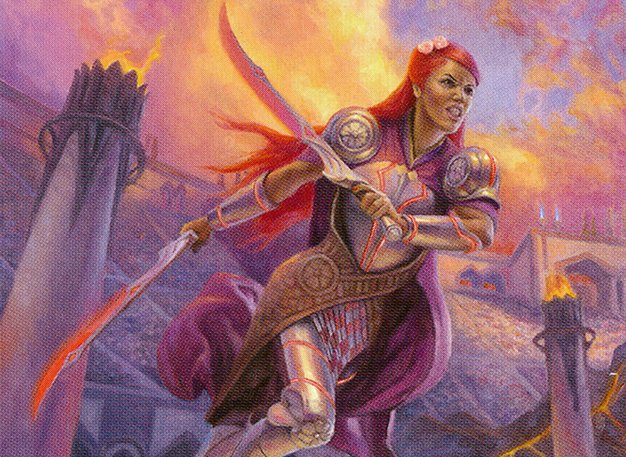
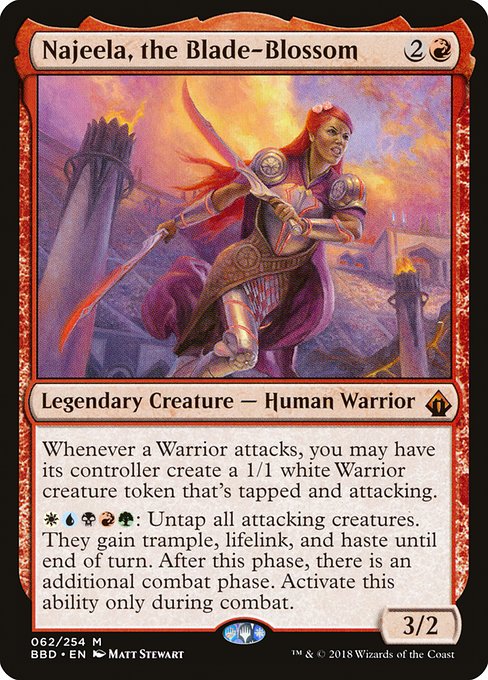
Najeela, the Blade-Blossom
A five-color midrange deck that leverages Najeela's ability to create warrior tokens, untap creatures for multiple combat phases, and grant lifelink. It aims to pressure opponents with aggressive combat, token generation, and powerful five-color creatures and equipment to finish the game quickly.
Gameplay Insights
- 1
Emry’s player prioritized artifact recursion and card draw engines while being mindful of Najeela’s multiple combat phases and token strategies.
- 2
Najeela’s ability to generate multiple combat phases and untap attackers was used to apply continuous pressure and force interaction.
- 3
Key interaction involved bouncing and sacrificing artifacts to disrupt Emry’s synergy and prevent combo setups.
- 4
The game demonstrated how five-color midrange decks can avoid restrictive tribal synergies for more consistent and powerful plays.
- 5
Equipment like Sword of Fire and Ice was used effectively to enhance Najeela’s combat capabilities and card advantage through damage and card draw.
Notable Cards
-

Emry, Lurker of the Loch
-
Najeela, the Blade-Blossom
-

Skullclamp
-
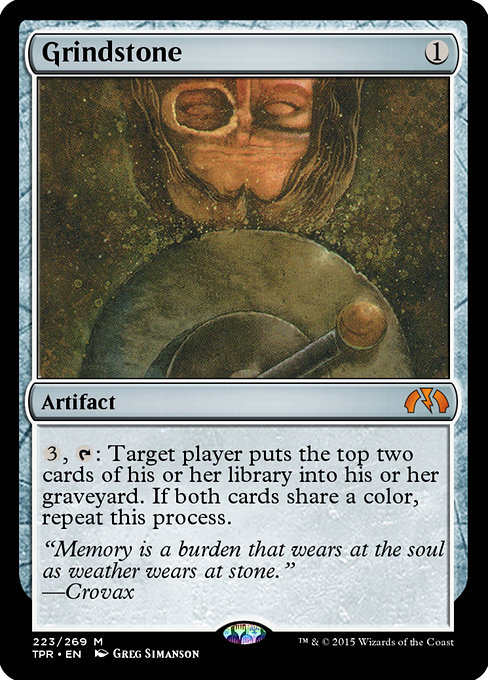
Grindstone
-
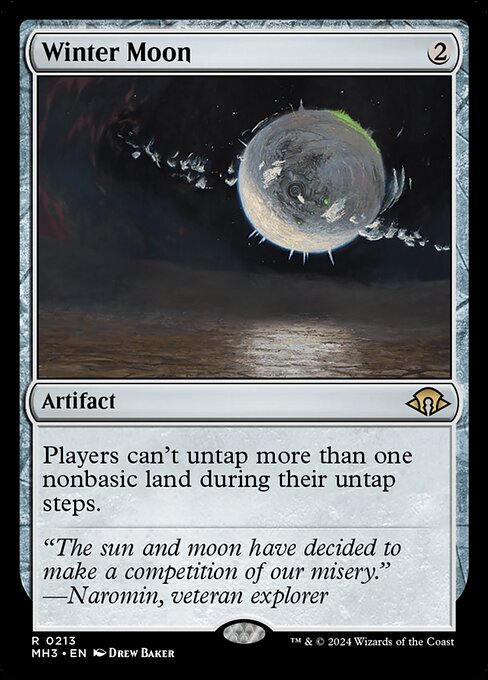
Winter Moon
-
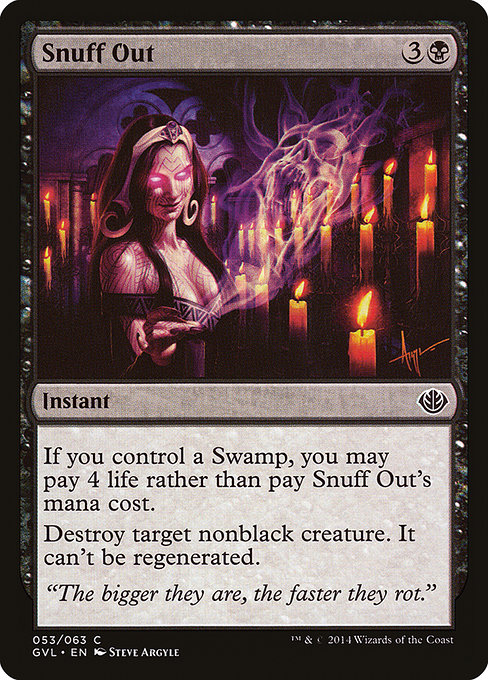
Snuff Out
-
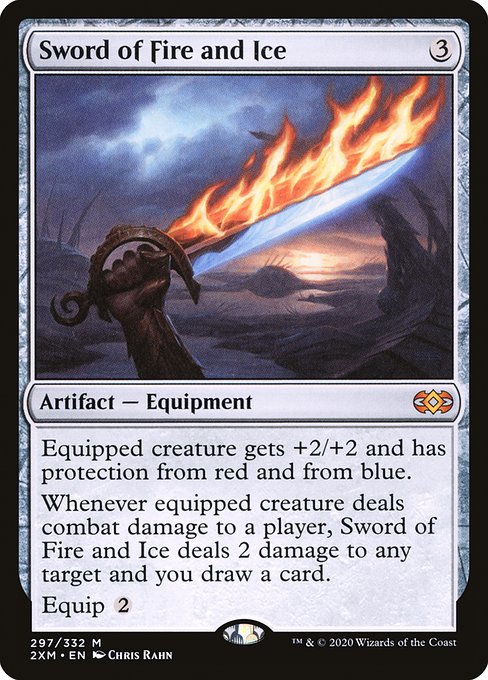
Sword of Fire and Ice
-

Everflowing Chalice
-
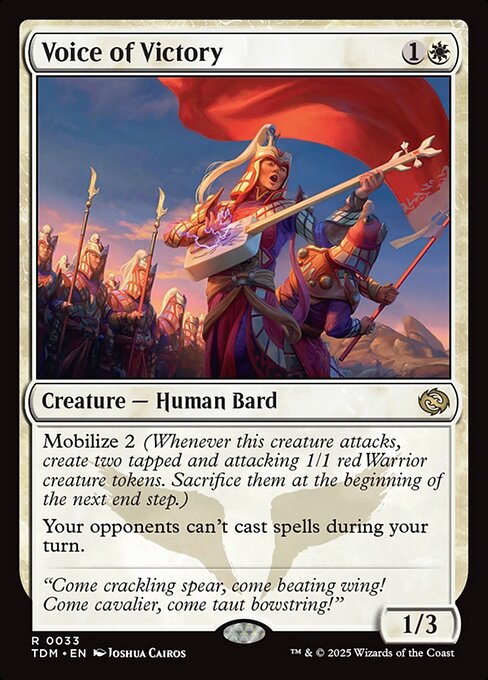
Voice of Victory
Gameplay Summary
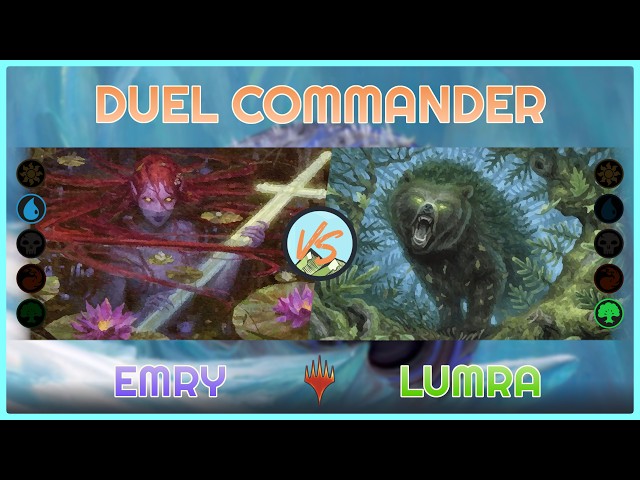
The duel between Emry, Lurker of the Loch and Najeela, the Blade-Blossom showcased two contrasting strategies: a resilient artifact and graveyard synergy deck versus a five-color midrange token and combat-focused deck.
Emry’s player attempted to leverage artifact synergies and card advantage through recurring Emry, tutoring, and artifact interactions like Skullclamp and Grindstone.
Early plays included setting up metalcraft and card draw engines, while also dealing with Najeela's threats through disruption like Snuff Out and bounce spells.
Despite not having the ideal turn one Emry start, the deck maintained steady value generation and board presence through incremental advantage and grindy play. Najeela’s player focused on ramping into powerful creatures and synergy pieces, aiming to utilize Najeela’s ability to produce tokens, grant lifelink, and repeatedly attack through multiple combat phases.
The deck avoided strict tribal constraints to maximize the quality of five-color creatures and impactful cards.
Najeela’s strategy involved pressuring Emry by attacking hard and generating tokens for board control and defense.
Combat interactions, including careful attacks and blocks, were pivotal, as was the use of equipment like Sword of Fire and Ice to boost threats and maintain pressure.
The game saw ongoing tension between Emry’s artifact recursion and Najeela’s aggressive token combat tactics, with several key plays involving artifact sacrifice, bounce, and card draw manipulation. The match highlighted the importance of timing and interaction, as Emry’s player needed to carefully sequence artifact and graveyard synergies while responding to Najeela’s multiple combat phases and token generation.
The win condition for Emry revolved around grinding down the opponent with incremental advantage and eventually comboing off or overwhelming with artifact synergies, whereas Najeela sought to end the game quickly through repeated combat damage and board presence.
The game ended with Najeela’s consistent pressure overcoming Emry’s value engine.


![Najeela Warriors vs. Thrasios & Ludevic [Duel Commander-EDH] - Magic: The Gathering thumbnail](https://i.ytimg.com/vi/VpVQMHlCip8/sddefault.jpg)


![Commander VS S17E7: ??? VS ??? VS ??? VS ??? [EDH Gameplay] thumbnail](https://i.ytimg.com/vi/Wl5x-udunSg/sddefault.jpg)
![Commander VS S15E4: Darigaaz VS Najeela VS Teshar VS Adeliz [EDH] thumbnail](https://i.ytimg.com/vi/RMRB2SqU69A/sddefault.jpg)


