

Deck & Commander Strategies
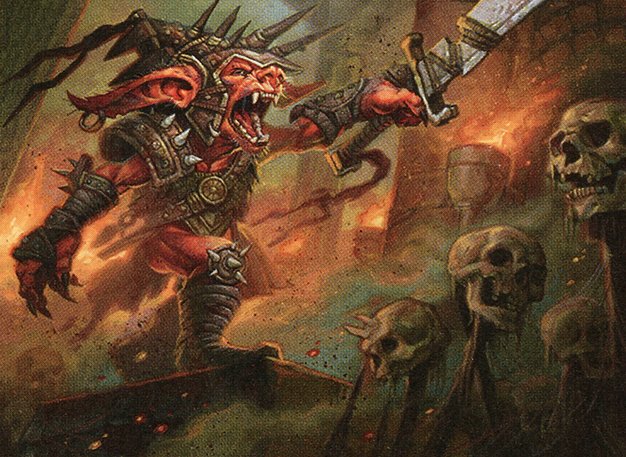
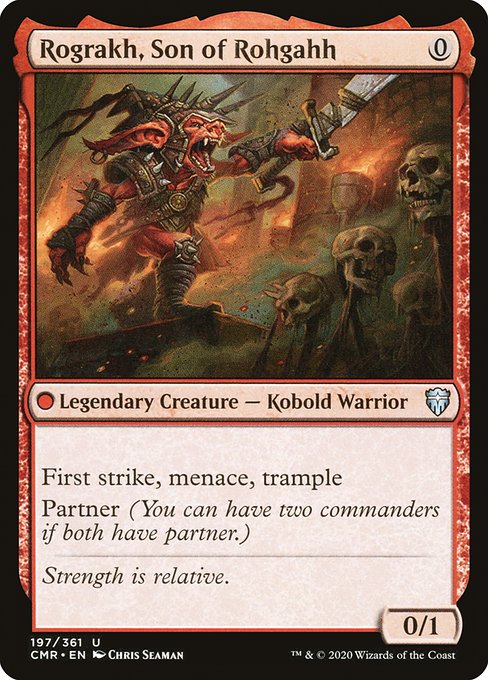
Rograkh, Son of Rohgahh
Ramp aggressively using lands like Gaia's Cradle and mana artifacts to generate massive amounts of mana, enabling big creature plays and combo enablers to quickly close out the game.
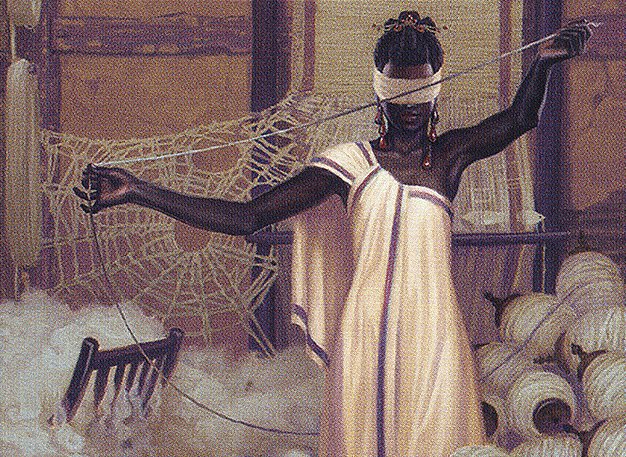
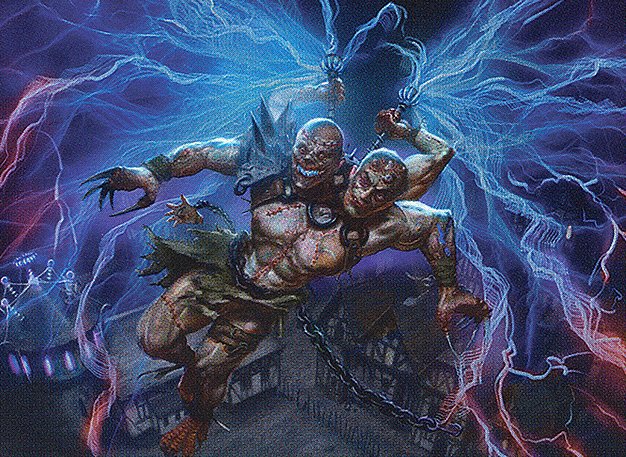
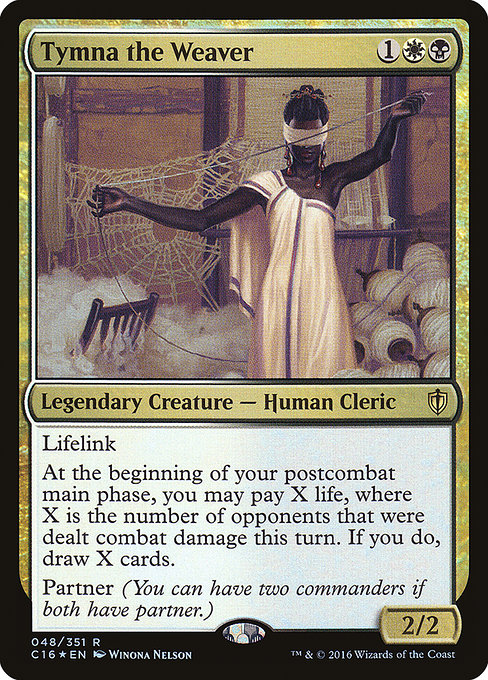
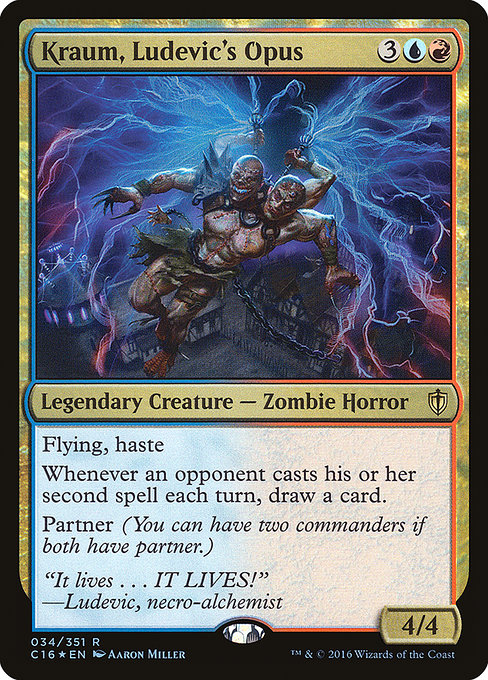
Tymna the Weaver / Kraum, Ludevic's Opus
Control and disruption focused deck that uses efficient removal, counterspells, and card draw to keep opponents in check while looking for incremental advantage and potential combo pieces.

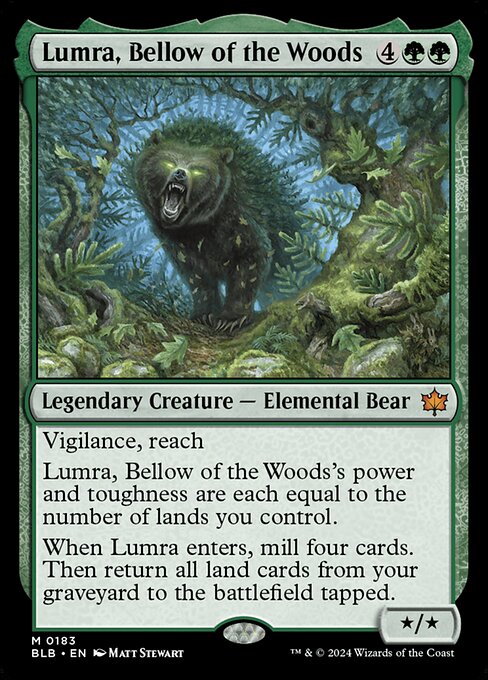
Lumra, Bellow of the Woods
Build a powerful board presence with large creatures and use synergies from beasts and green ramp to overwhelm opponents through combat damage.
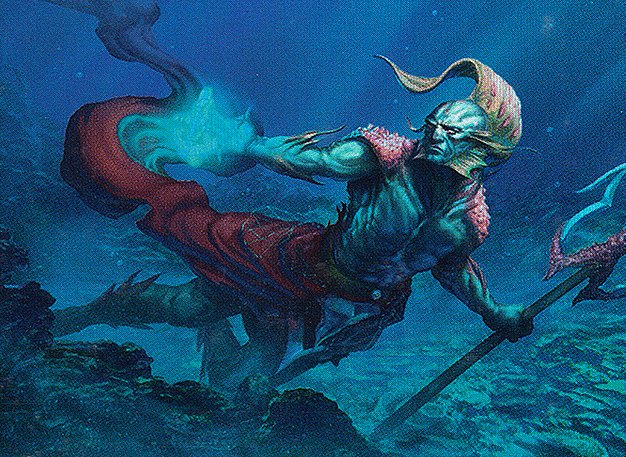
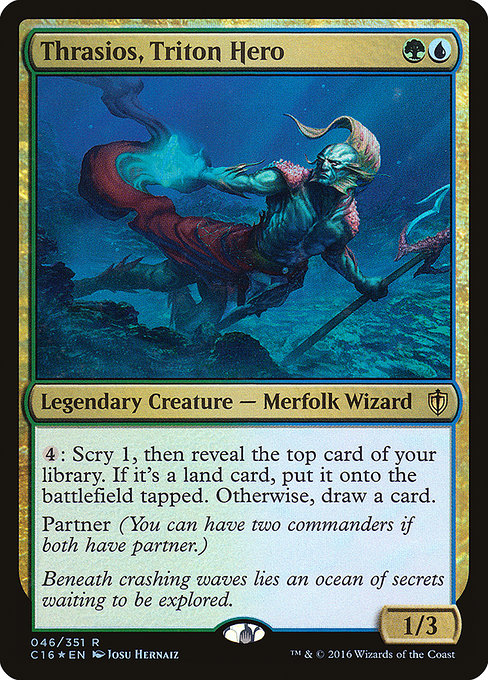
Thrasios, Triton Hero
Utilize card advantage and mana efficiency to support various combo lines or control elements, often paired with Rograkh to maximize ramp and explosive turns.
Gameplay Insights
- 1
The Cradle-enabled Rograkh deck prioritized finding Gaia's Cradle early to turbocharge mana generation, facilitating rapid deployment of threats and combos.
- 2
Players carefully balanced holding up mana for counterspells and interaction against advancing their own board state, leading to tense decision-making moments.
- 3
Tymna/Kraum’s player leveraged discard and disruption to try to slow the Cradle deck’s explosive potential but had limited resources as the game progressed.
- 4
Lumra’s large creatures, including one with vigilance and reach, provided consistent combat pressure to keep opponents occupied and threatened to close the game through damage.
- 5
The use of mana manipulation cards like Expedition Map and fetchlands helped players assemble key pieces quickly, highlighting the importance of mana fixing and ramp in cEDH.
- 6
Multiple players eyed combo potential and chose not to commit too early, indicating a cautious meta where a single misstep could lead to a swift loss.
Notable Cards
-
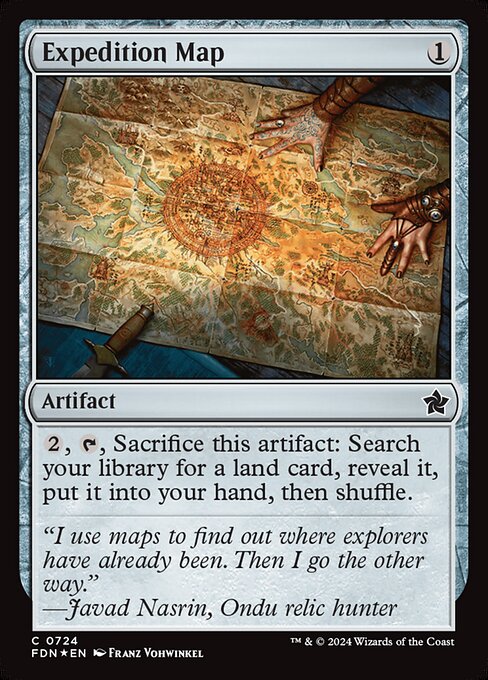
Expedition Map
-
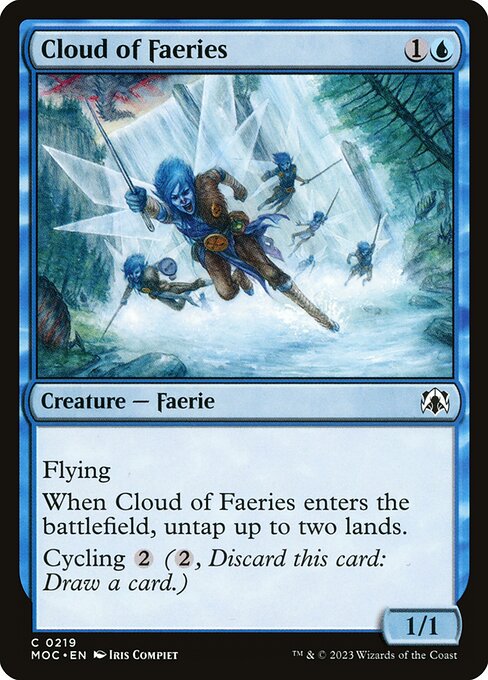
Cloud of Faeries
-
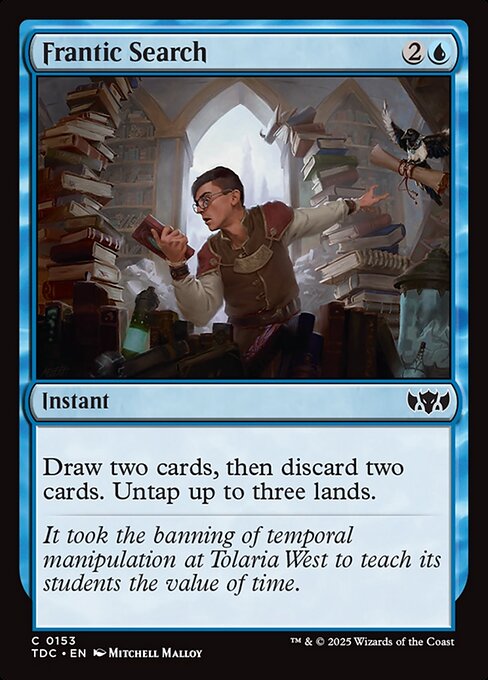
Frantic Search
-
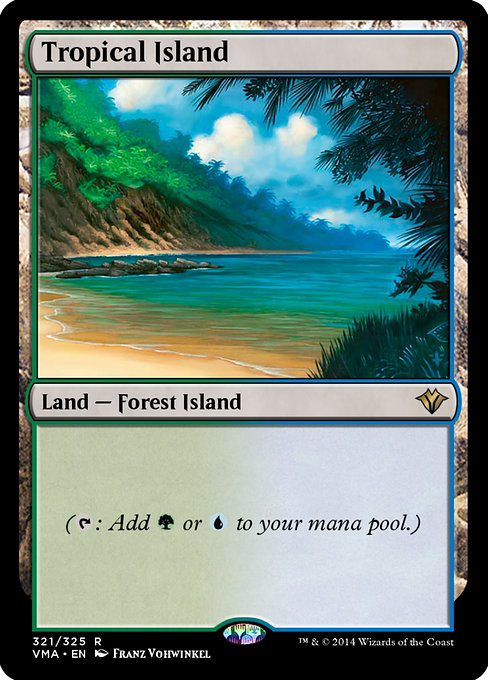
Tropical Island
-
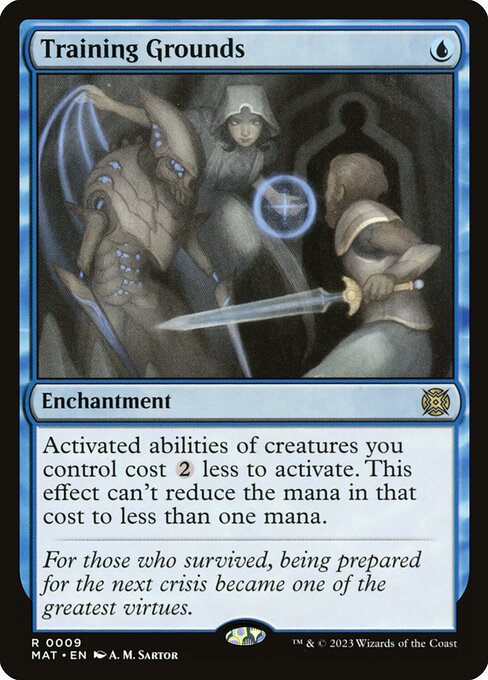
Training Grounds
Gameplay Summary
The game began with a relatively standard opening where players developed mana bases and set up early plays such as Expedition Map and mana acceleration artifacts.
The two Rograkh decks, one of which was the Gaia's Cradle turbo variant, aimed to quickly ramp and assemble powerful combos, while Tymna/Kraum pursued a control-oriented strategy, and Lumra focused on building a formidable board presence with large creatures.
Early interaction included counterspells and removal spells, with players carefully navigating threats and resources. A key moment was when the Cradle-enabled Rograkh deck found its namesake land, dramatically accelerating mana production and enabling explosive plays.
This turbo mana allowed casting big threats like Smothering Titan and setting up multiple spells per turn, putting immense pressure on opponents.
Meanwhile, the Tymna/Kraum player used disruption and card draw to stay alive, attempting to halt the Cradle deck's momentum.
Lumra's deck, meanwhile, developed board presence with creatures like a large bear with vigilance and reach, posing a continuous threat.
The game featured clutch counterplays, with players holding up mana for interaction and carefully timing their spells to prevent early wins.
Ultimately, the Cradle turbo deck’s explosive mana advantage and combo potential put it in a commanding position, forcing others to respond defensively.


