

Deck & Commander Strategies
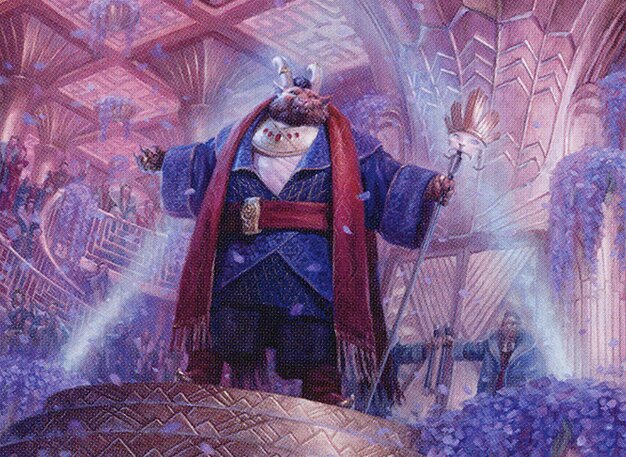
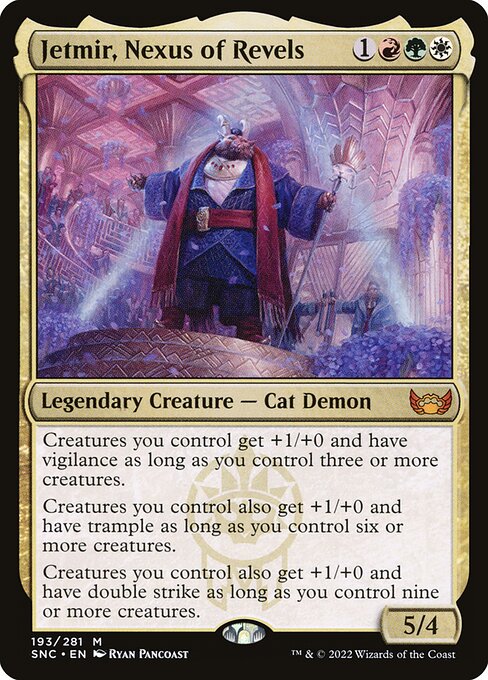
Jetmir, the Nexus of Revels
Builds a wide board with many creatures to unlock incremental combat bonuses like vigilance, trample, and double strike, overwhelming opponents through sheer aggression and synergy.

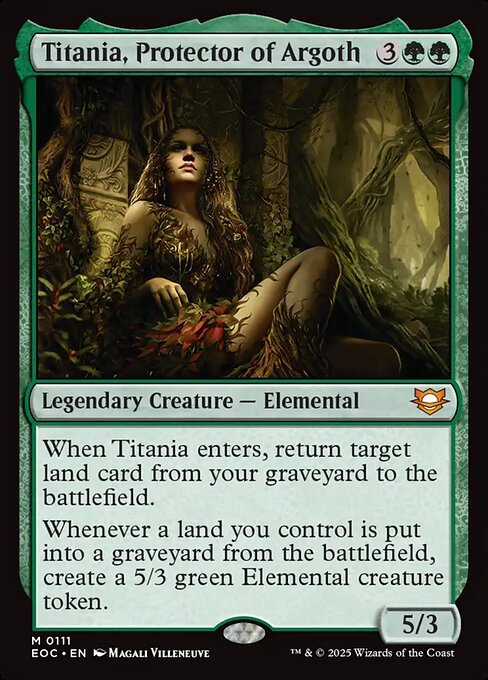
Titania, Protector of Argoth
Utilizes landfall triggers to create large elemental tokens whenever lands go to the graveyard, combining land recursion with token production for a robust, aggressive board state.
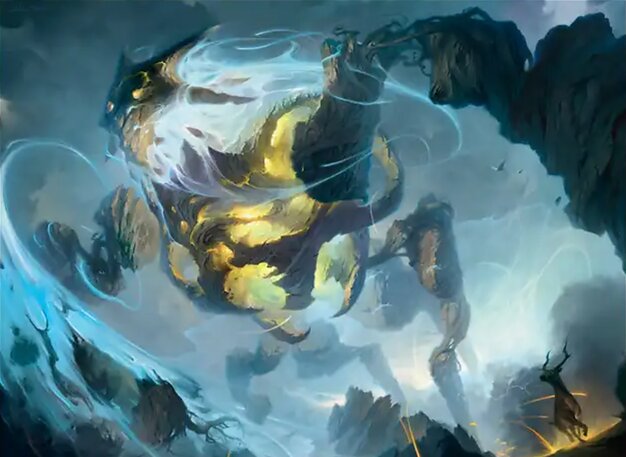
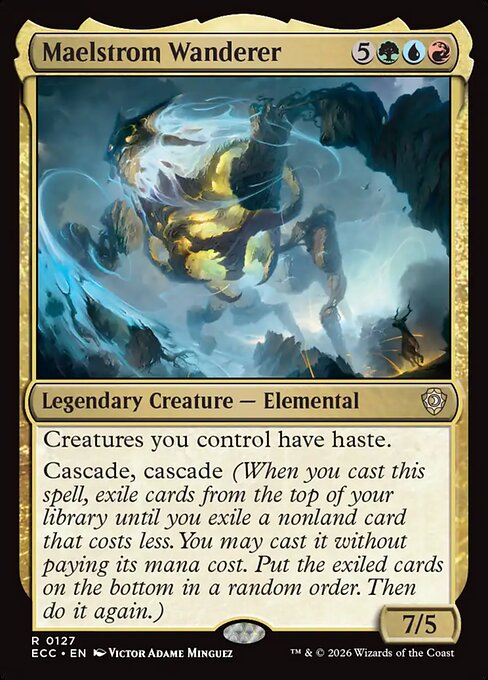
Maelstrom Wanderer
Leverages double cascade and haste to rapidly deploy creatures and spells, aiming to overwhelm opponents with value and tempo through chaotic and explosive plays.
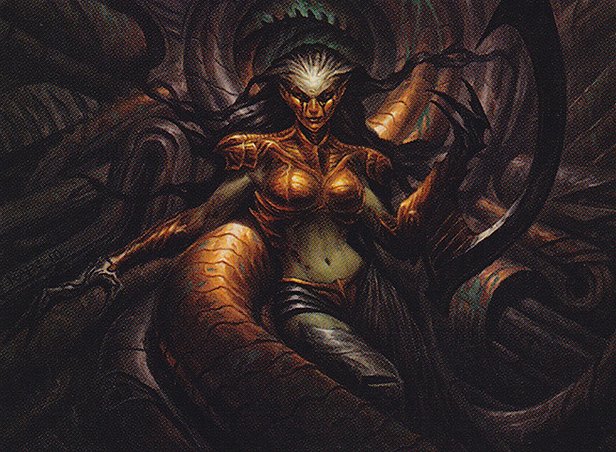
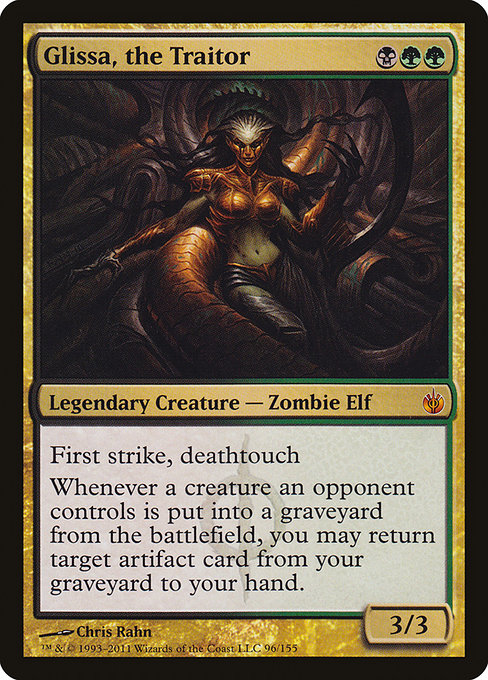
Glissa, the Traitor
Controls the board with first strike and deathtouch, while recurring artifacts from the graveyard to hand for combo potential and sustained advantage, blending defense with artifact synergy.
Gameplay Insights
- 1
Brad Nelson’s opening Leyline of the Void was a strategic disruption that hindered graveyard-centric decks, particularly impacting Titania's recursion.
- 2
Maelstrom Wanderer’s cascade triggering a Lightning Bolt early showcased the deck’s potential for explosive and unpredictable plays across multiple spells.
- 3
Jetmir’s incremental creature buffs encouraged wide board states, forcing opponents to answer large, aggressive armies with vigilance, trample, and double strike.
- 4
Glissa’s ability to return artifacts upon opponent creature deaths created a recurring value engine, allowing her to maintain resources and set up complex interactions or combos.
- 5
Titania’s token creation from lands going to the graveyard pressured opponents to manage lands carefully, as losing them led to immediate threats on the board.
Notable Cards
-
Titania, Protector of Argoth
-
Maelstrom Wanderer
-
Glissa, the Traitor
-
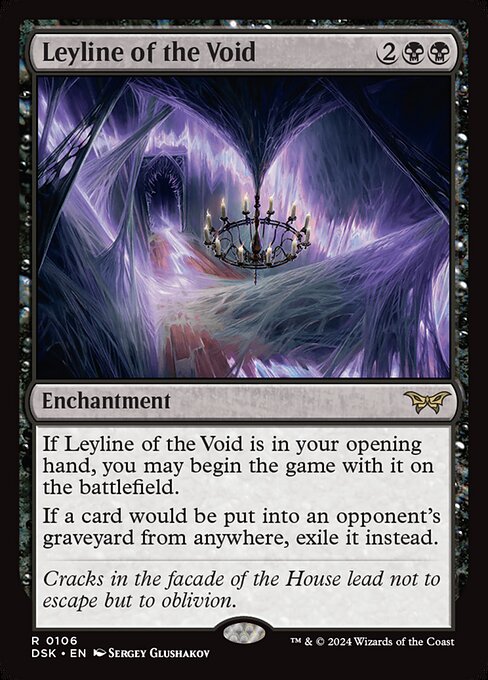
Leyline of the Void
-

Lightning Bolt
Gameplay Summary
The game featured four commanders each leveraging distinct strategies centered around creature synergies and board presence.
Jetmir, the Nexus of Revels, aimed to produce and capitalize on large numbers of creatures to grant powerful combat bonuses such as vigilance, trample, and double strike based on the creature count.
Titania, Protector of Argoth, focused on landfall themes, creating sizable elemental tokens whenever lands were sent to the graveyard, threatening aggressive board states.
Maelstrom Wanderer provided explosive cascade-driven value and haste for a fast-paced, unpredictable game plan, while Glissa, the Traitor, took a more controlling and artifact-focused approach, using death touch and first strike to stabilize the board and recurring artifacts to execute subtle combos and maintain resilience. Early plays included Brad Nelson starting with a Leyline of the Void to disrupt graveyard strategies, impacting decks like Titania's land recursion.
Maelstrom Wanderer's cascade triggered a lightning bolt early on, hinting at a volatile and interactive game environment.
The players engaged in tactical exchanges with a mix of token generation, land sacrifice, and artifact recursion, with Jetmir’s escalating creature buffs and Titania’s token production shaping the battlefield.
Glissa’s ability to return artifacts each time an opponent’s creature died added a layer of incremental advantage, while Maelstrom Wanderer’s cascades kept the pace high and unpredictable.
The interaction between large creature swarms and potent combat buffs from Jetmir alongside the steady board presence of Titania’s elementals and Glissa’s artifact synergies defined the game’s critical moments.


![Commander Versus Series: Titania (Justin Parnell) Vs. Brago (Stephen Green) [Magic: the Gathering] thumbnail](https://i.ytimg.com/vi/774QWaabQUE/sddefault.jpg)


![Descend into Damage💥 | Herumkommandiert #14 | EDH Commander [Deutsch] thumbnail](https://i.ytimg.com/vi/l8nlvGQG1Xs/sddefault.jpg)


![Streets of New Capenna Legends [Commander VS 288] | Magic: the Gathering Commander Gameplay thumbnail](https://i.ytimg.com/vi/5ab8C25fPQQ/sddefault.jpg)


