

Deck & Commander Strategies

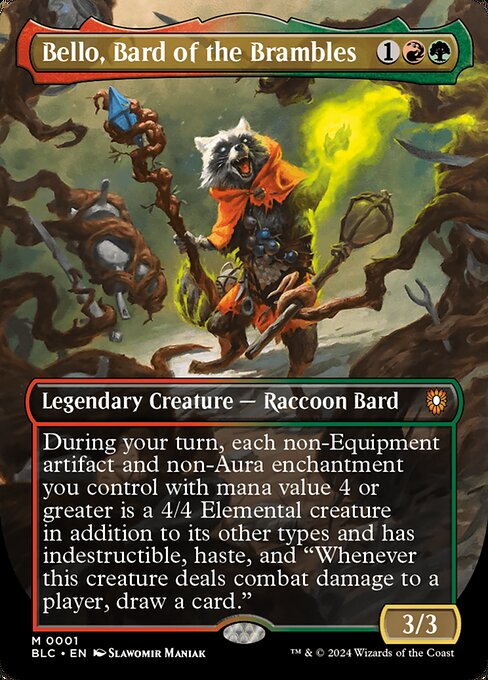
Bello, Bard of the Brambles
Transforms artifacts and enchantments, especially vehicles and rooms, into elementals to apply combat damage and overwhelm opponents through aggressive board presence.
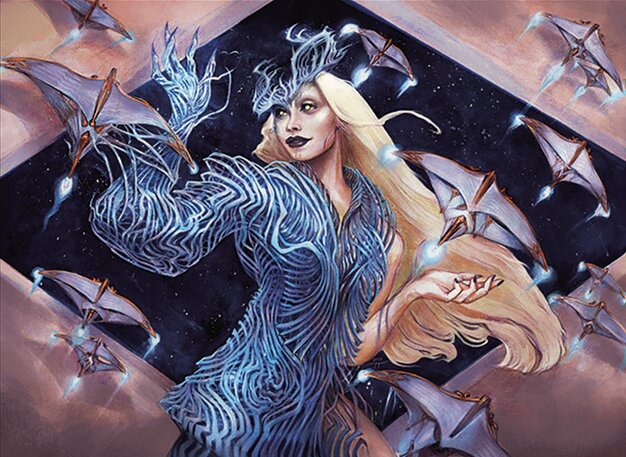
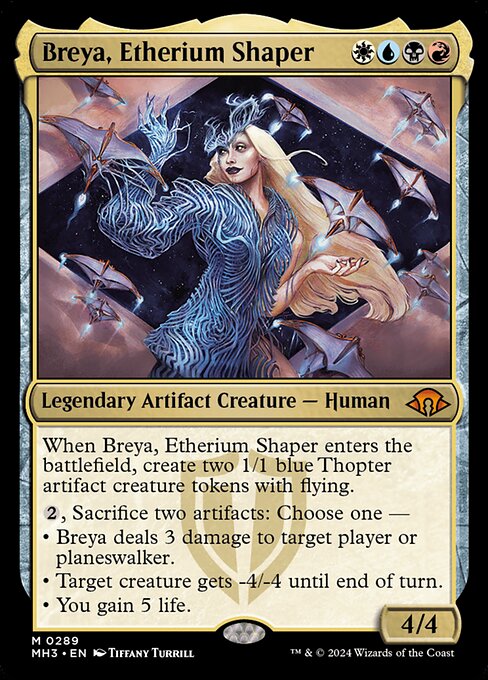
Breya, Etherium Shaper
Focuses on artifact synergy and combos, generating incremental damage and leveraging artifact production to assemble a lethal combo or overwhelm opponents.
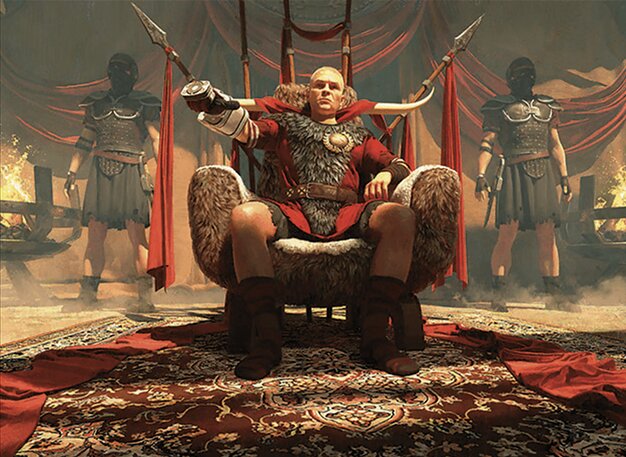
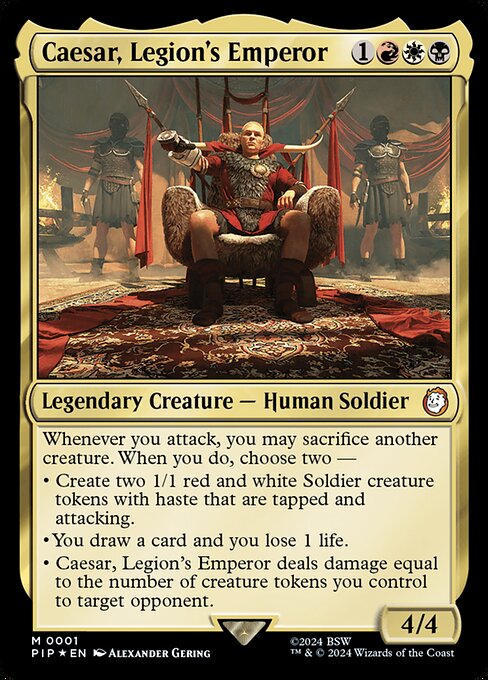
Caesar, Legion's Emperor
Token-centric aggressive deck that creates and buffs tokens rapidly to apply pressure and close out the game through wide board states and combat damage.
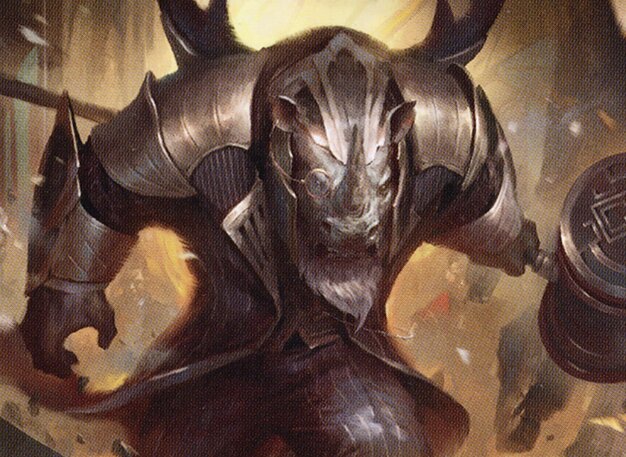
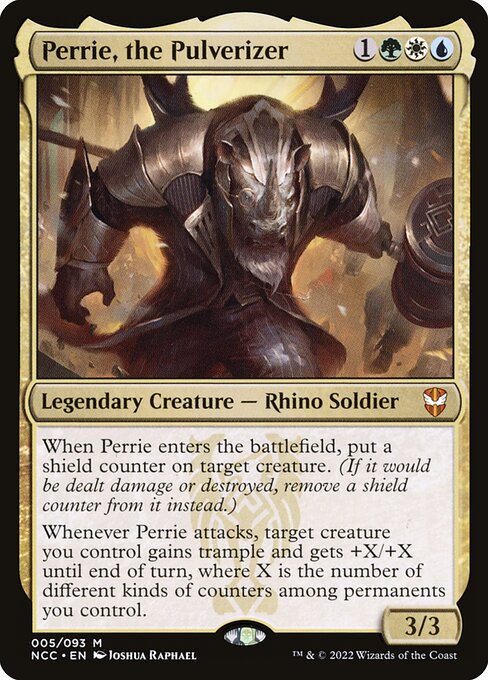
Perrie, the Pulverizer
Utilizes a counter-based strategy, capitalizing on various counters on creatures and permanents to control the board and grow threats over time.
Gameplay Insights
- 1
Holding multiple board wipes early in the game indicated players were prepared for shifting board states and possible resets.
- 2
The use of counters on permanents played a critical role in maintaining tempo and controlling resources, especially in Perrie's deck.
- 3
Untapping lands during opponents' turns via Trade Caravan and other effects allowed for flexible mana usage and surprise plays.
- 4
Players showed awareness of Caesar’s potential for explosive token generation, leading to cautious interactions and targeted removal.
- 5
Incremental damage from artifacts and creatures built up pressure steadily, complementing the outright token aggression and combat damage strategies.
Notable Cards
-
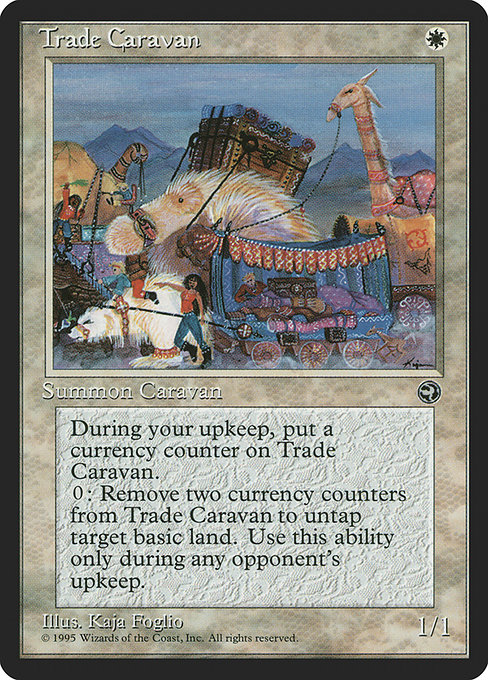
Trade Caravan
-
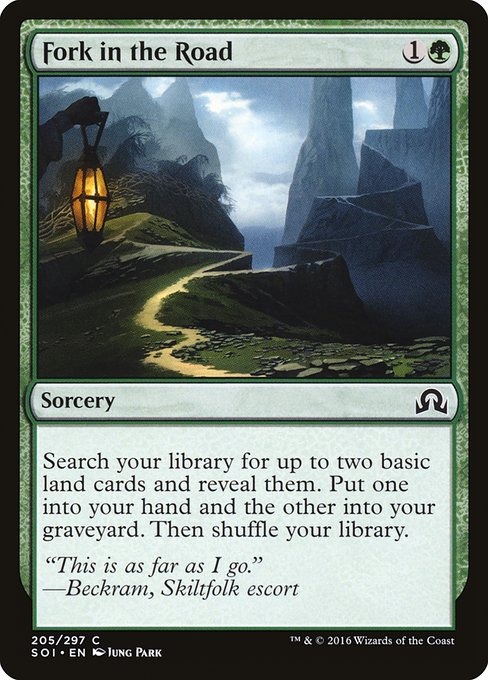
Fork in the Road
-
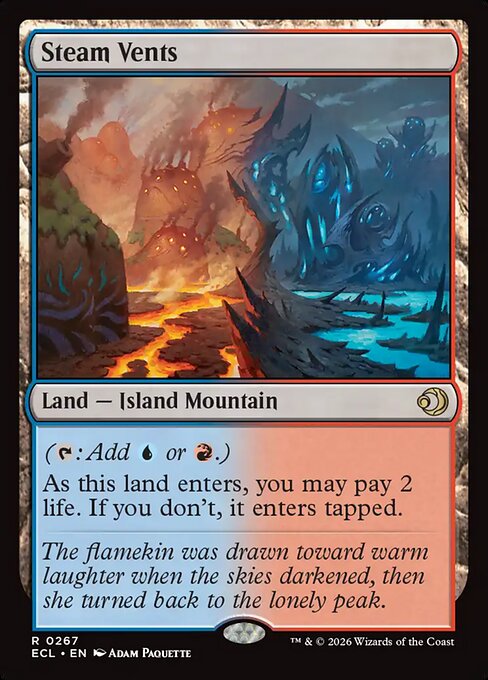
Steam Vents
-

Temple of Triumph
-

Rampant Growth
-
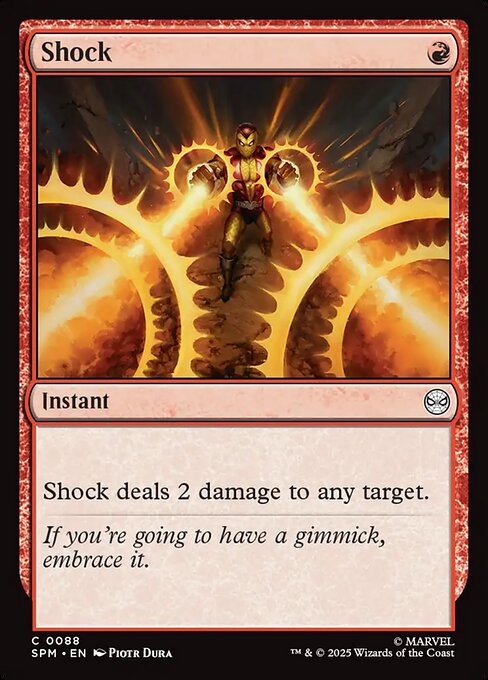
Shock
Gameplay Summary
The Commander game featured four players piloting Bello, Bard of the Brambles; Breya, Etherium Shaper; Caesar, Legion's Emperor; and Perrie, the Pulverizer.
Early turns involved setting up mana bases and deploying key ramp and utility cards, with notable interactions around counters and board development.
Bello focused on transforming enchantments and artifacts into elementals to apply combat pressure, while Breya aimed to assemble artifact combos to deal incremental damage and set up a win condition through artifact synergy.
Perrie utilized a counter-based strategy, leveraging a variety of counters on creatures and permanents to maintain board presence and control.
Caesar, a token-focused aggressive deck, aimed to rapidly produce and buff tokens to overwhelm opponents. A pivotal moment in the early game was players drawing and holding multiple board wipes, signaling potential shifts in board control.
Despite some misplays and humorous banter, the game moved quickly with players attempting to leverage their decks' synergies.
The tension rose as players were aware of Caesar's potential explosiveness, with strategic use of counters and incremental damage from artifacts and creatures creating a dynamic board state.
The game was marked by interaction around untapping lands during opponents' turns, clever use of counters, and early damage spikes, with the turn six damage being a highlight that demonstrated the aggressive tempo and synergy among the decks.
Ultimately, the game showcased a mix of combat damage, artifact combos, and counter manipulation as paths to victory.


![New Capenna Commander Decks [Commander VS] | Magic: The Gathering Commander Gameplay thumbnail](https://i.ytimg.com/vi/tGjze1xmfaA/sddefault.jpg)


