Deck & Commander Strategies

Gollum, Riddle Master
Manipulates spell casting around odd/even mana costs to gain incremental advantages such as counters, draining life, or card draw, aiming to control tempo and outvalue opponents.

Bifur, Melodic Rider
Utilizes the storied mechanic to double triggered abilities of dwarfs, focusing on synergy with a large dwarf tribal base to generate board presence and incremental advantage.

Thranduil the Strategist
Leverages landfall to create elf tokens, supporting a ramp-heavy elf tribal strategy that overwhelms opponents with incremental value and board development.

Bilbo, Thief in the Night
Reduces the cost of spells cast from outside the hand and enables casting artifact instants and sorceries from the graveyard, creating recursion loops and tempo plays focused on spell synergy.
Gameplay Insights
- 1
Gollum's odd/even mechanic forced players to consider their spell casting carefully, as triggering different effects on Gollum could swing life totals or card advantage, shaping spell choices and timing.
- 2
Bifur's storied and enduring story abilities doubled dwarf triggers, significantly amplifying board impact from dwarf creatures and making even small triggers potent.
- 3
Thranduil's landfall synergy created elf tokens consistently, enabling a steady buildup of board presence and pressure through incremental token generation.
- 4
Bilbo's ability to cast spells from the graveyard, particularly artifact instants and sorceries, allowed for powerful recursion plays and sustained tempo, although the deck's effectiveness hinged on graveyard interaction.
- 5
Players exploited land-based ramp and untapping mechanics aggressively early in the game to accelerate their strategies and cast higher-impact spells quickly.
- 6
The interaction between instant and sorcery spell casting and milling via Exhibition Tidealler provided additional card filtering and graveyard setup, synergizing well with Bilbo's recursion plan.
Notable Cards
-

Gollum, Riddle Master
-

Bifur, Melodic Rider
-

Thranduil the Strategist
-

Bilbo, Thief in the Night
-
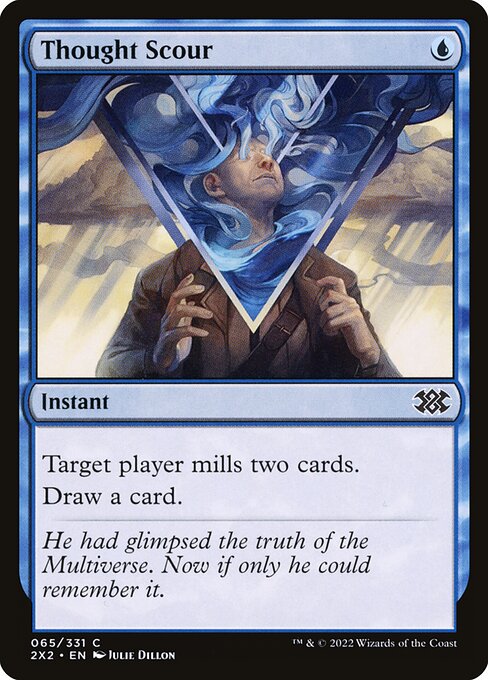
Thought Scour
-

Lotus Field
-

Mind Stone
Gameplay Summary
The game began with players deploying their Hobbit-themed commanders and setting up their mana bases, with a notable emphasis on forests due to the elf and dwarf synergies.
Early turns featured ramp and minor interactions, such as untapping lands and drawing cards.
Gollum's unique ability to choose odd or even spells triggered incremental advantages through counters, life swings, or card draw, which created tension and forced players to adapt their strategies around spell casting costs.
The dwarf deck leveraged the 'storied' mechanic to double triggered abilities, capitalizing on a large number of dwarf creatures to generate value and board presence.
Meanwhile, the elf deck focused on landfall triggers to produce elf tokens, synergizing with ramp and spell casting to maintain board control.
Bilbo's deck aimed to reduce the cost of spells cast from outside the hand and reuse graveyard resources, especially artifact instants and sorceries, which added a layer of recursion and tempo plays.