Deck & Commander Strategies
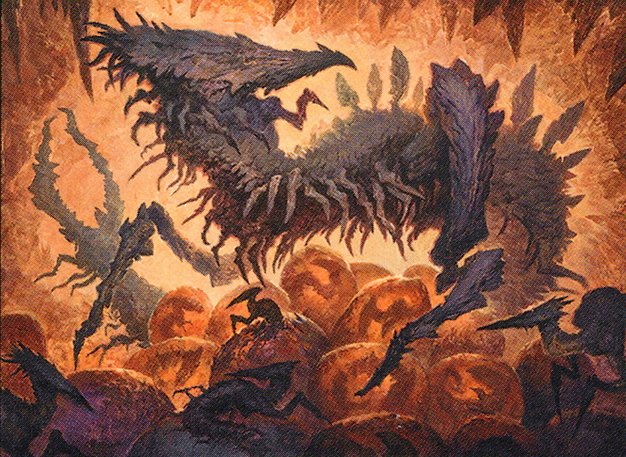
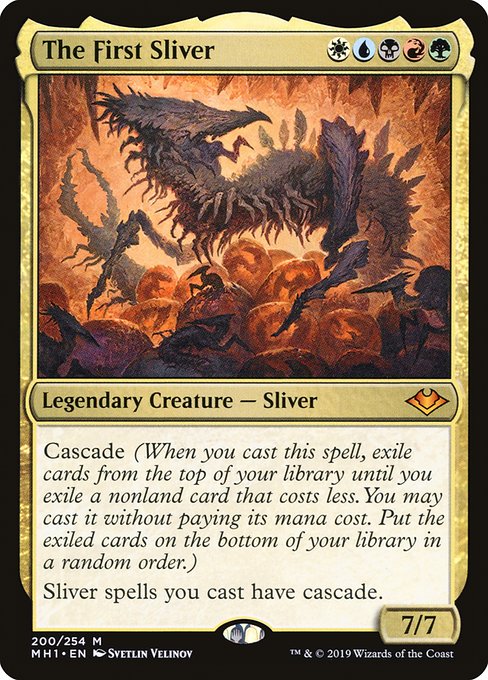
The First Sliver
Build a synergistic army of slivers that provide mutual buffs and powerful board control effects, aiming to overwhelm opponents with combined sliver abilities.
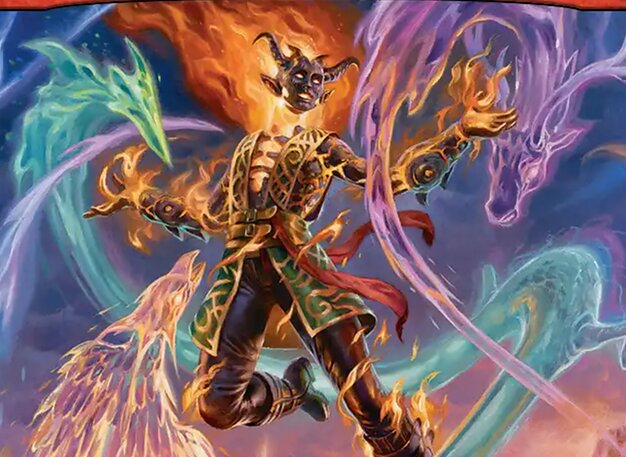
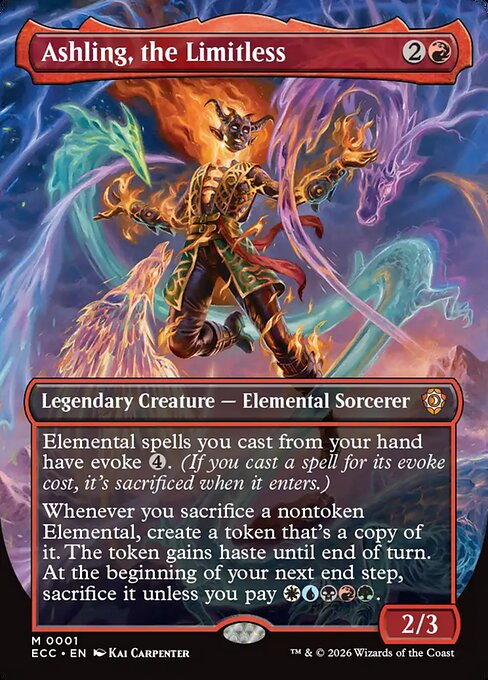
Ashling, the Limitless
Utilize Ashling's damage-dealing abilities and ramp to control the board and generate value, maintaining pressure through direct damage and resource advantage.
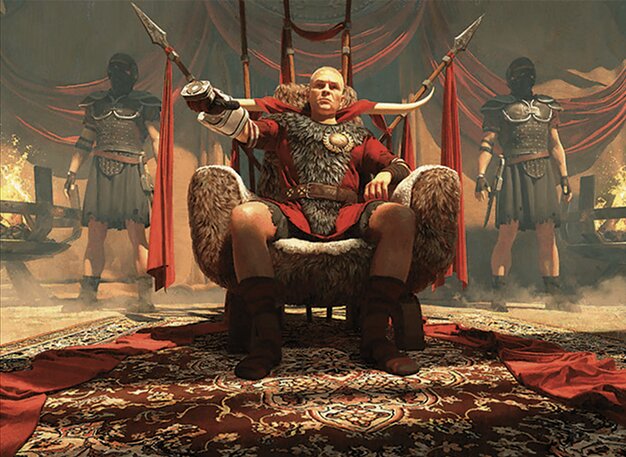
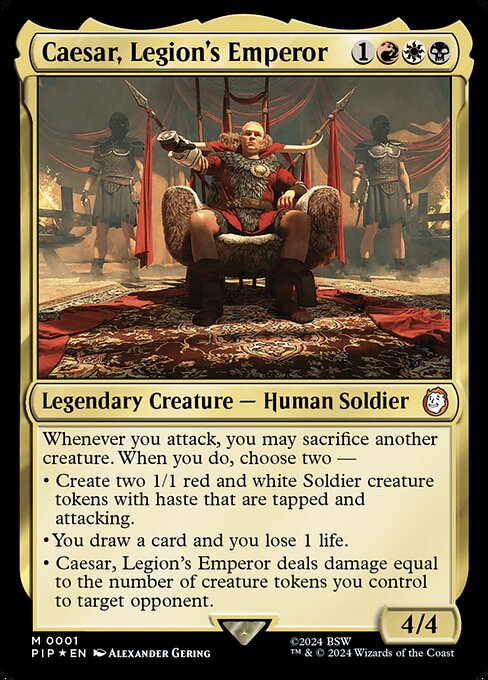
Caesar, Legion's Emperor
Produce human tokens and leverage combat triggers to create food tokens and mutagens, steadily growing an army that can outpace opponents through incremental value.
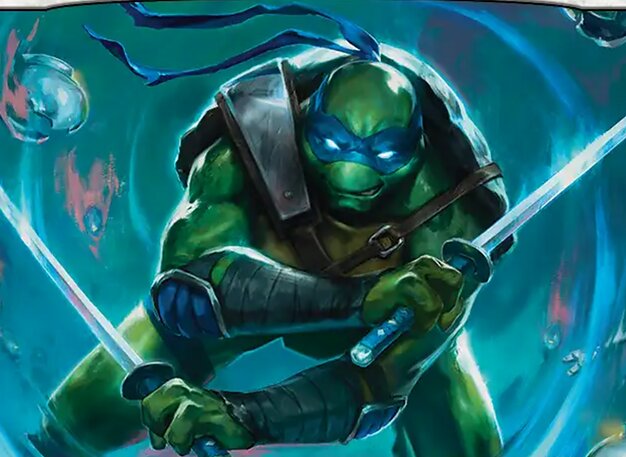
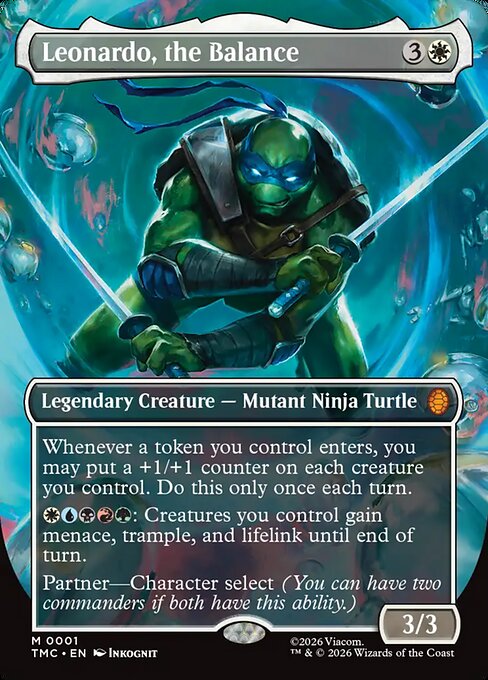
Leonardo, the Balance
Focus on token generation and anthem effects that boost all creatures, combining with other token producers to rapidly grow board presence and card advantage.
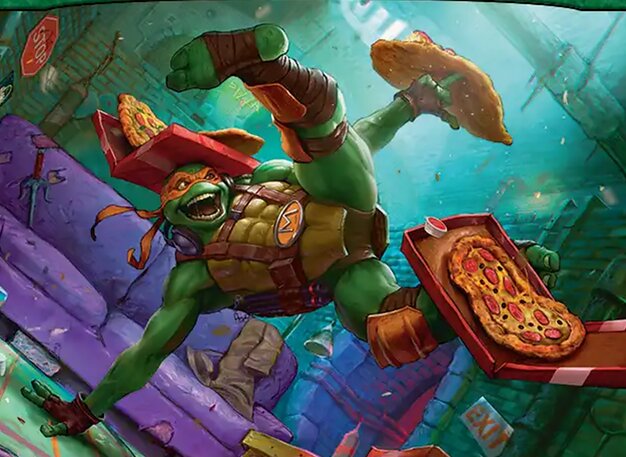
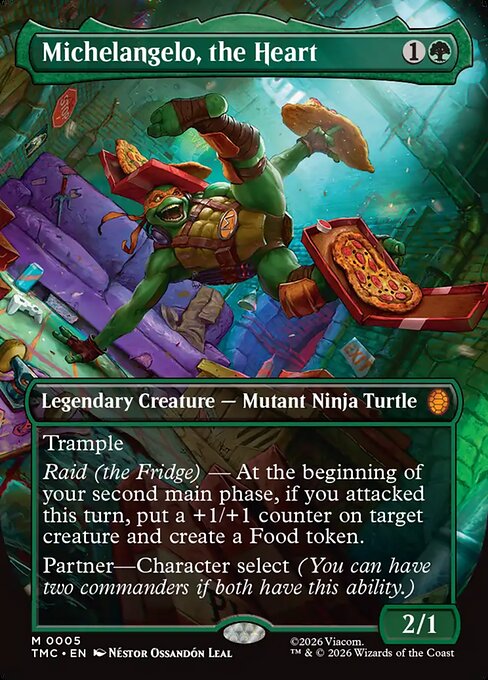
Michelangelo, the Heart
Support token creation and provide utility through food tokens and incremental buffs, synergizing with Leonardo to amplify token benefits and board development.
Gameplay Insights
- 1
The synergy between Leonardo and Michelangelo's token creation and anthem effects was a pivotal engine, allowing rapid growth of creatures with multiple counters and mutagen tokens.
- 2
The use of evoke on Wispmare to exile problematic artifacts or enchantments was a key tempo play, although it was countered by an immediate Heroic Intervention, showcasing the importance of timing and protection spells.
- 3
Caesar's strategy of generating food tokens alongside human tokens created a resilient resource engine, supporting sustained pressure and board presence during combat phases.
- 4
The First Sliver player’s threat of sliver synergy forced opponents to play cautiously, highlighting how a strong synergy commander can influence the table’s pacing even without immediate board dominance.
- 5
Players balanced aggression with resource preservation, often allowing small amounts of damage to maintain advantageous board states and prepare for stronger turns ahead.
Notable Cards
-
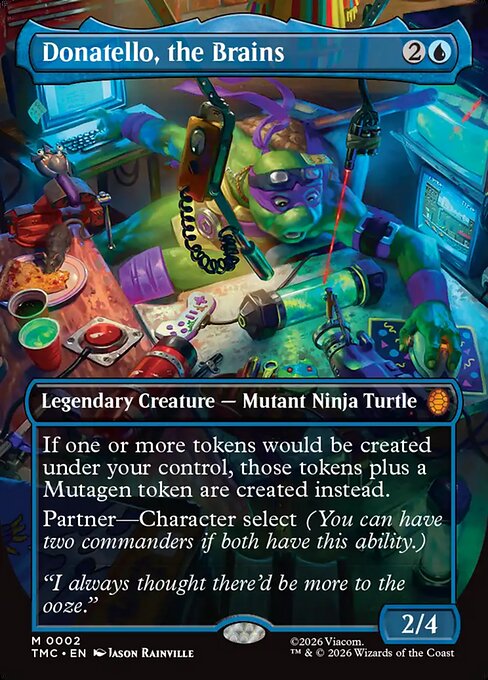
Donatello, the Brains
-
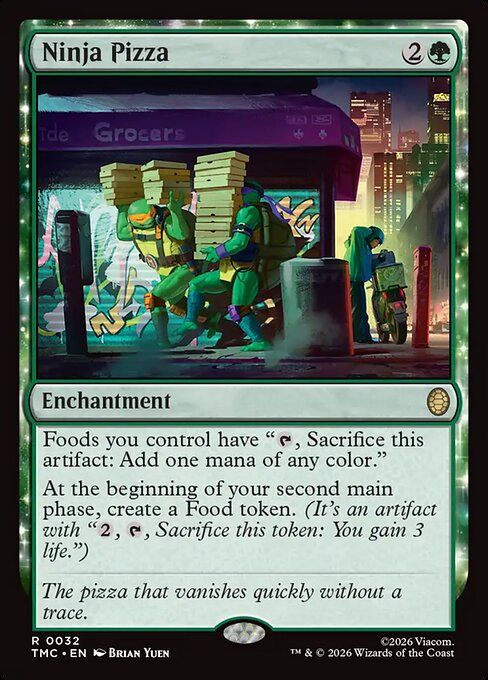
Ninja Pizza
-
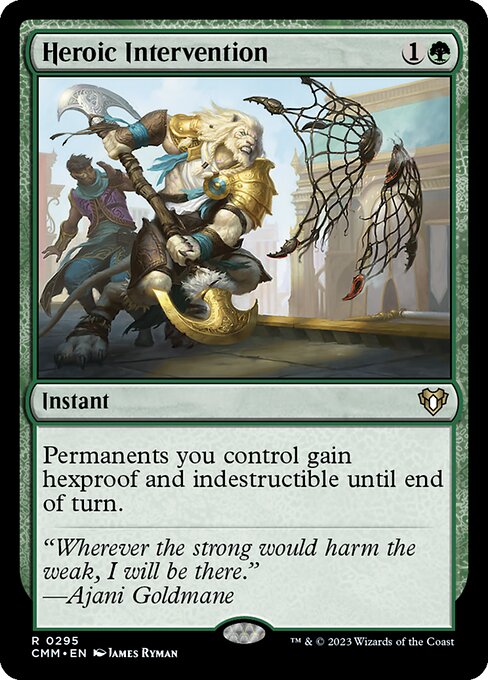
Heroic Intervention
-
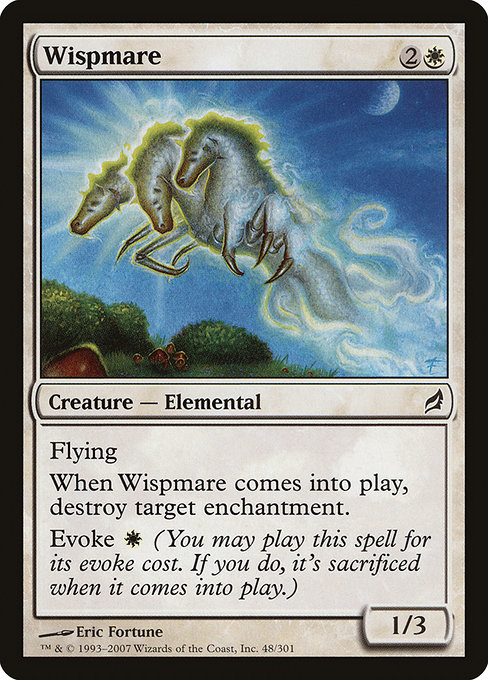
Wispmare
-
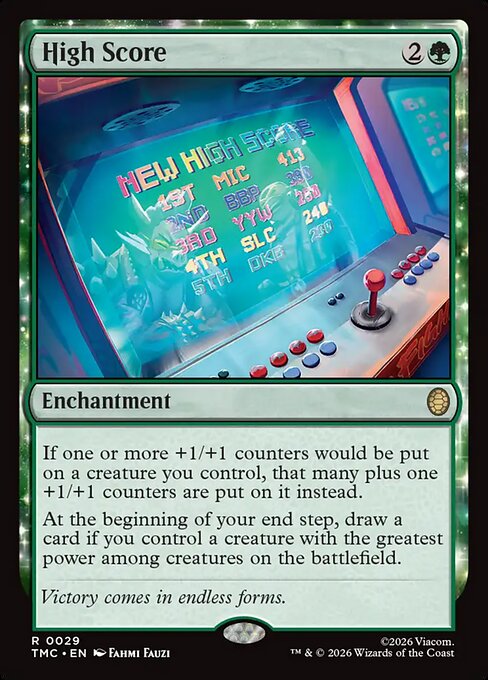
High Score
-
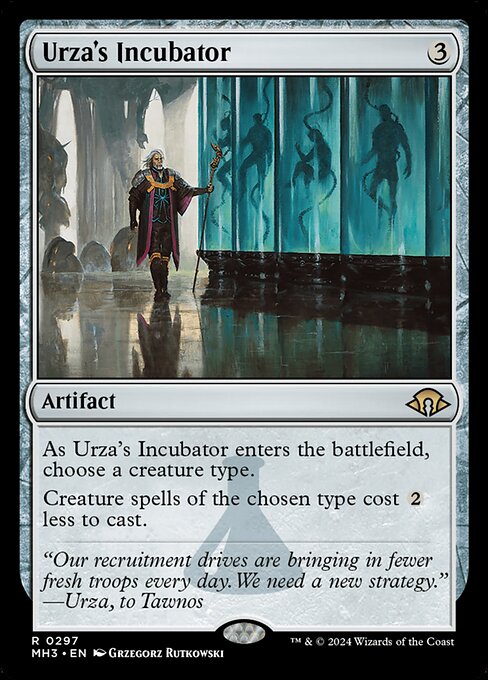
Urza's Incubator
-
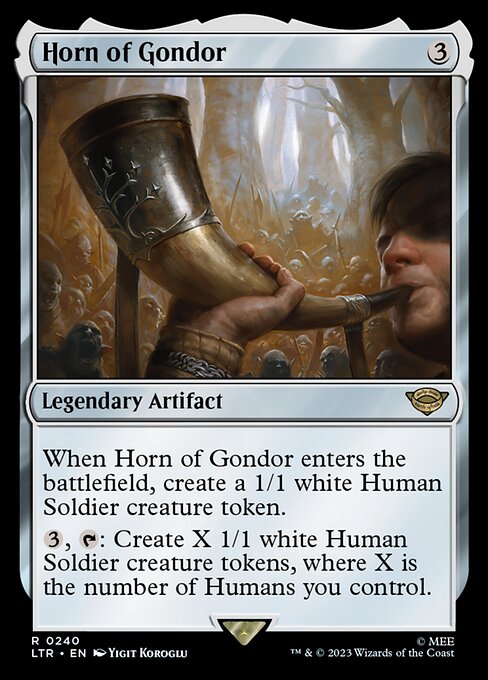
Horn of Gondor
Gameplay Summary
The game began with a typical multi-player setup featuring five distinct commanders, each developing their board state cautiously.
Early turns saw players ramping mana and deploying key commanders like Michelangelo and Donatello, generating tokens and incremental value.
The First Sliver player kept tension high by threatening the iconic sliver synergy, causing others to tread carefully.
Caesar's deck leaned into human token creation and incremental buffs, leveraging synergy between tokens and anthem effects.
Leonardo and Michelangelo's combined presence generated multiple token triggers, which amplified board-wide counters and mutagen tokens, fueling a powerful, ever-growing army. Mid-game featured some key interactions such as an evoked Wispmare to remove problematic artifacts and enchantments, countered by a timely Heroic Intervention to protect vital permanents.
Donatello's repeated token production combined with Leonardo’s anthem and High Score counters led to escalating creature sizes and card draw advantage.
Meanwhile, Caesar used his token production abilities and combat triggers to apply pressure and create a steady stream of resources.
The First Sliver player maintained a defensive posture, wary of the explosive token synergies on the board.
The game’s momentum shifted with escalating board states and combat exchanges, with Michelangelo and Leonardo’s token synergy proving particularly potent in growing the battlefield presence rapidly.
The game emphasized careful sequencing and tactical attacks, with players balancing aggression against preserving critical resources.


![PINGTASTIC GAME WITH @WizardsAndWarlocksMTG [cEDH GAMEPLAY] VIVI v OB NIX v RAL v LEO & MIKEY thumbnail](https://i.ytimg.com/vi/6HNUvmrE9_4/sddefault.jpg)

![Random Deck Roulette Part 2 [Commander VS 292] | Magic: The Gathering Commander Gameplay thumbnail](https://i.ytimg.com/vi/hLpAcqwvWD0/sddefault.jpg)
![Commander VS S16E1: Ayula VS Urza VS The First Sliver VS Yawgmoth [EDH] thumbnail](https://i.ytimg.com/vi/tkuMVsCr0s4/sddefault.jpg)