Deck & Commander Strategies
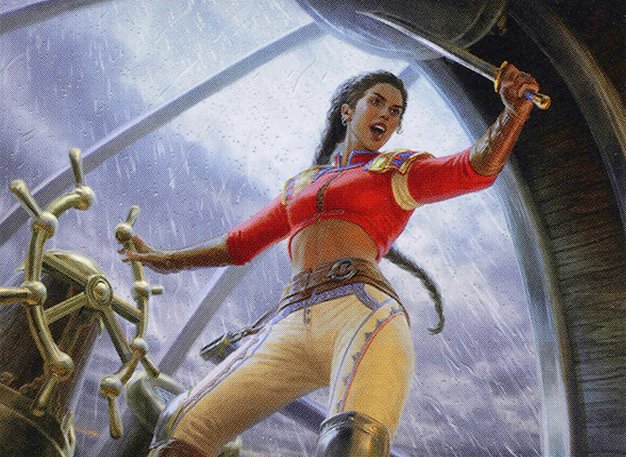
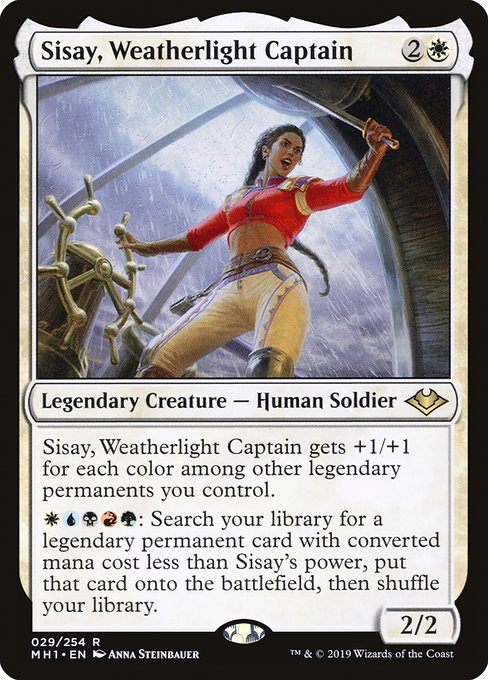
Sisay, Weatherlight Captain
Focuses on assembling legendary permanents and generating value through tutoring and recursion, often aiming to leverage powerful legendary synergies for a resilient late-game advantage.
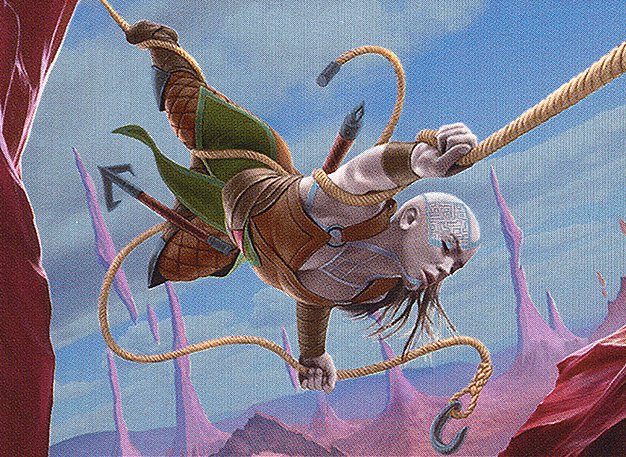

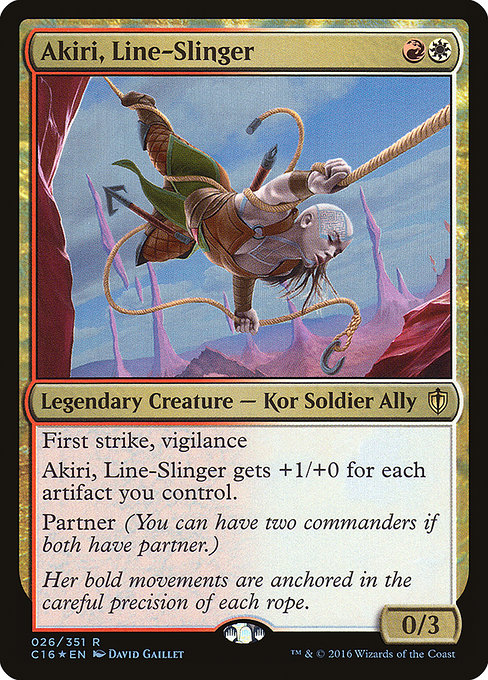
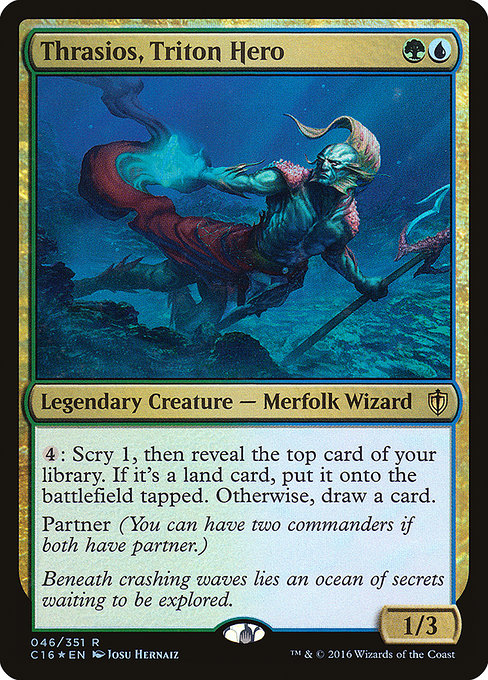
Akiri, Line-Slinger and Thrasios, Triton Hero
Combines aggressive equipment-based combat with efficient card advantage and ramp from Thrasios, enabling quick board presence and the ability to find combo pieces or answers through card draw.
-

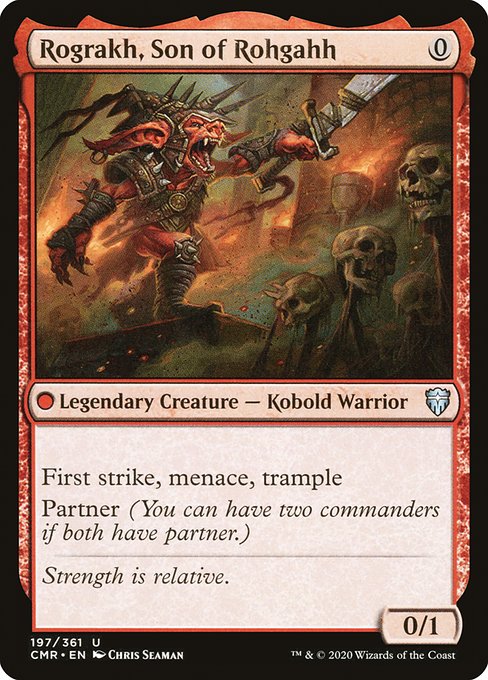
Rograkh, Son of Rohgahh and Thrasios, Triton Hero
Utilizes Rograkh’s aggressive, stax-like disruption alongside Thrasios’s card advantage engine to control the board and build incremental advantage, aiming to close out the game through attrition or combo finishers.
-
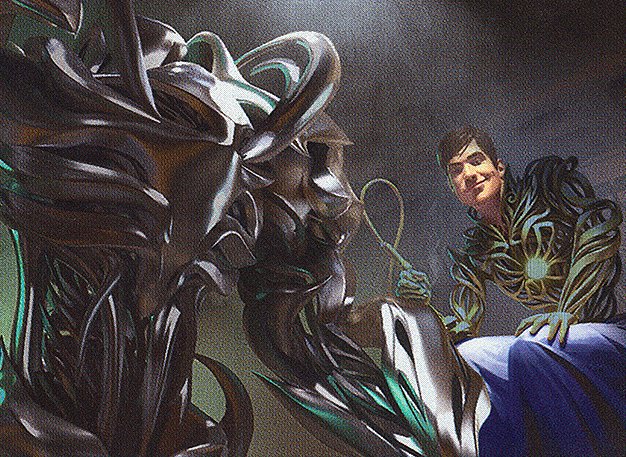
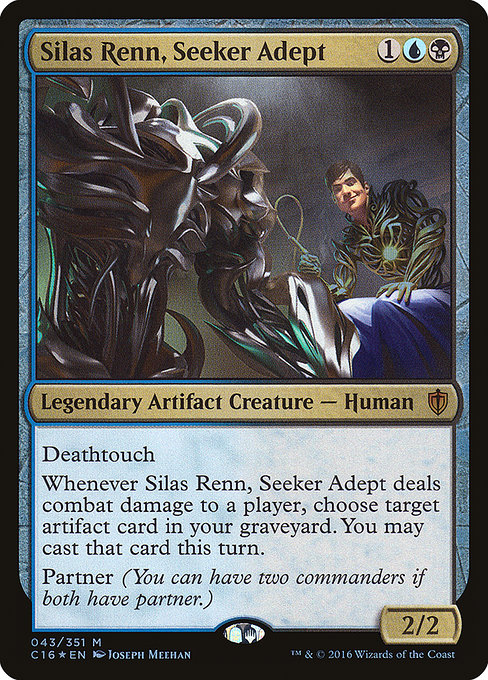
Rograkh, Son of Rohgahh and Silas Renn, Seeker Adept
Leverages a turbo necro package to quickly recycle key cards from the graveyard, applying pressure with efficient creatures and disruption, while maintaining a threatening board state.
Gameplay Insights
- 1
Players prioritized early mana acceleration and card draw to establish board presence and maintain resource advantage in a highly interactive environment.
- 2
Use of tutors like Imperial Tutor and Demonic Tutor was critical to finding key interaction or combo pieces before opponents could react.
- 3
The game featured a tense stalemate with heavy use of counterspells and discard to protect valuable resources and prevent opponents from advancing too quickly.
- 4
Casting disruptive permanents like Nails shifted the pressure dynamics, forcing opponents to respond and adjust their strategies accordingly.
- 5
The synergy between partner commanders allowed for flexible strategies combining aggression, disruption, and card advantage, creating complex decision-making moments.
Notable Cards
-
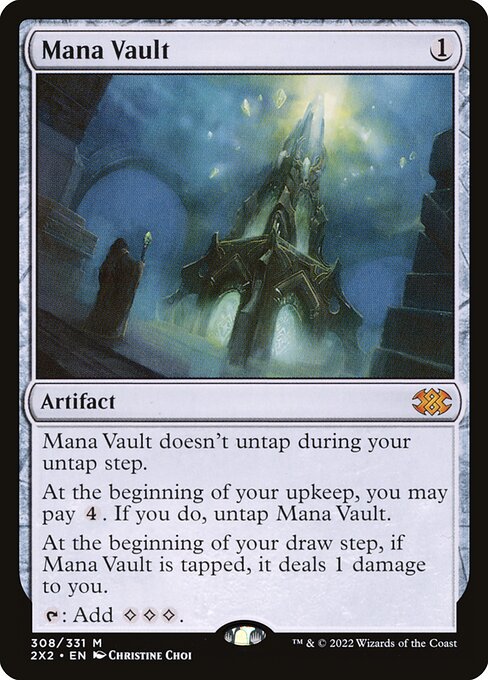
Mana Vault
-
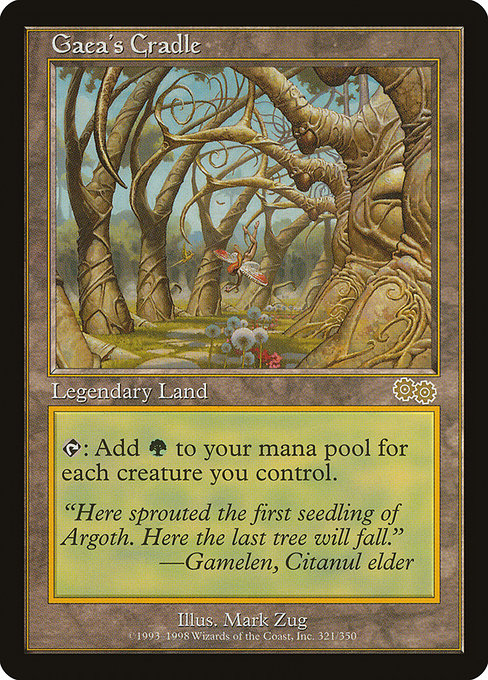
Gaea's Cradle
-
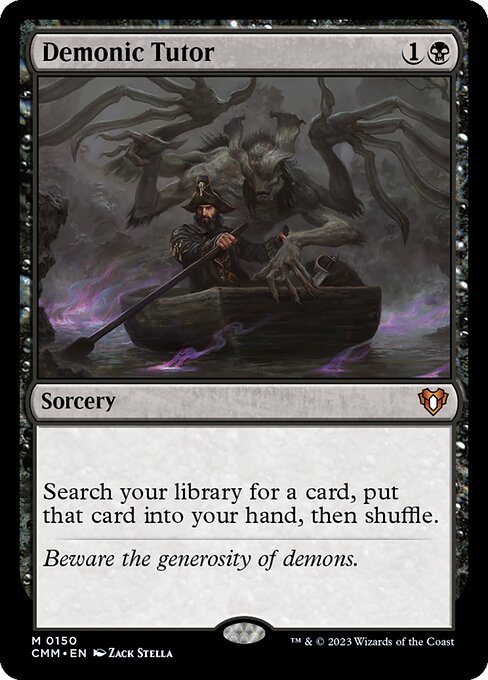
Demonic Tutor
-
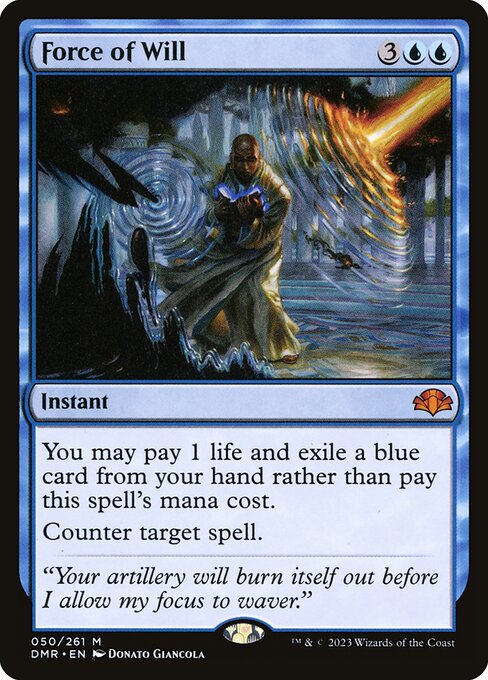
Force of Will
-
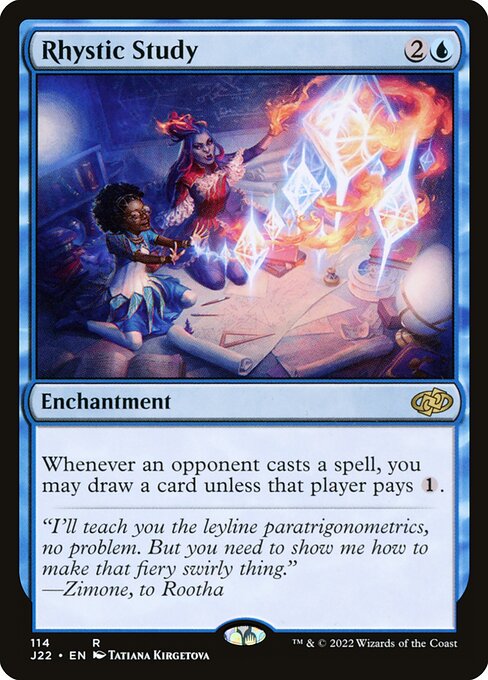
Rhystic Study
-
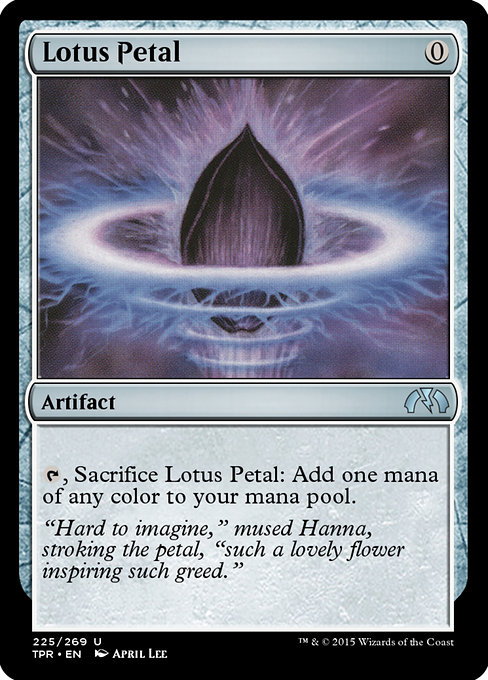
Lotus Petal
-
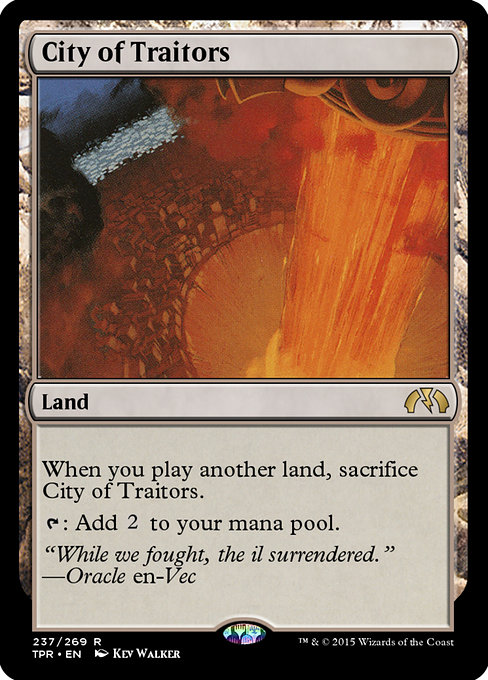
City of Traitors
-
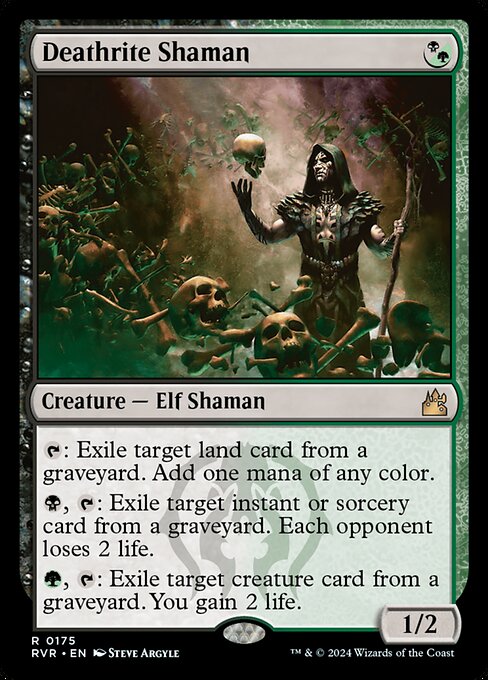
Deathrite Shaman
Gameplay Summary
The game began with all players establishing their mana bases and setting up early plays, including a variety of fetchlands, utility lands like Gaea's Cradle and Ancient Tomb, and ramp artifacts such as Mana Vault and Lotus Petal.
Early turns were marked by cautious development and card draw spells like Mystic Study and Rhystic Study, generating significant card advantage for multiple players.
Imperial Tutor and Demonic Tutor were used to find key answers or threats, signaling the strategic importance of tutoring in this game. As the game progressed, the board state remained relatively controlled with players holding back from aggressive attacks, instead focusing on accumulating resources and maintaining interaction with counterspells and discard effects.
Notable moments included the casting of Nails, which added pressure and disruption, and the frequent use of Force of Will and other counterspells to protect critical plays.
The game was characterized by a tense stalemate, with each player carefully managing their cards and resources in anticipation of the right moment to strike.
The dynamic between the partner pairs and Silas Renn’s turbo necro package contributed to a highly interactive and complex gameplay experience.