

Deck & Commander Strategies
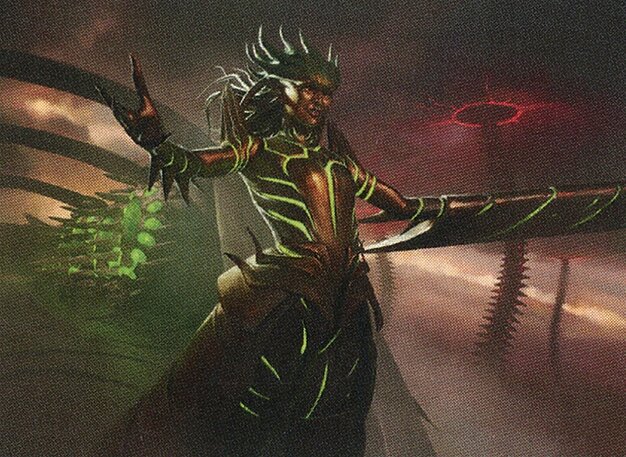
Glissa, Herald of Predation
Builds a felixian tribal deck focused on creating and transforming incubator tokens into potent creatures with first strike and deathtouch. Uses tribal synergy and token buffs to dominate combat and control the board.
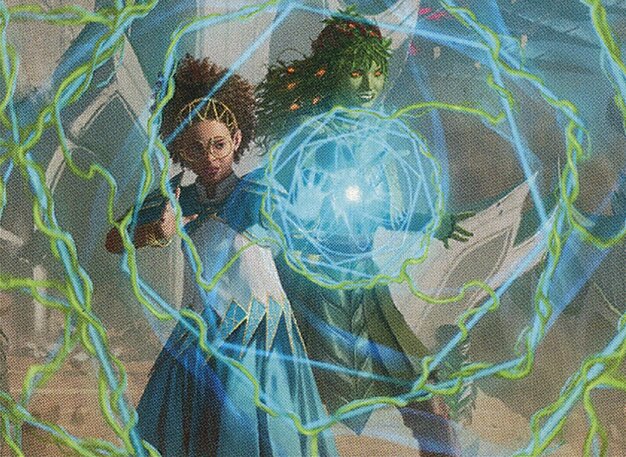
Zimone and Dina
A three-color deck centered on drawing multiple cards each turn to drain opponents' life and gain life simultaneously. Combines card draw punishment and removal spells to maintain control and slowly chip away at opponents' life totals.
Gameplay Insights
- 1
Glissa's ability to transform incubator tokens at the start of combat granted lethal first strike and deathtouch attackers, creating a strong combat advantage.
- 2
Zimone and Dina's card draw trigger draining opponents' life while gaining life created a constant pressure that forced Glissa to play cautiously.
- 3
Strategic use of removal spells targeting artifacts, enchantments, and specific threats was critical to disrupting each other's board development.
- 4
The interaction of tribal buffs and token generation allowed Glissa to scale threats quickly, while Zimone and Dina relied on incremental life swings and card advantage for sustainability.
- 5
A key turning point was when Glissa played a mass discard effect forcing players to reshuffle hands, impacting both sides' plans and tempo.
Notable Cards
-
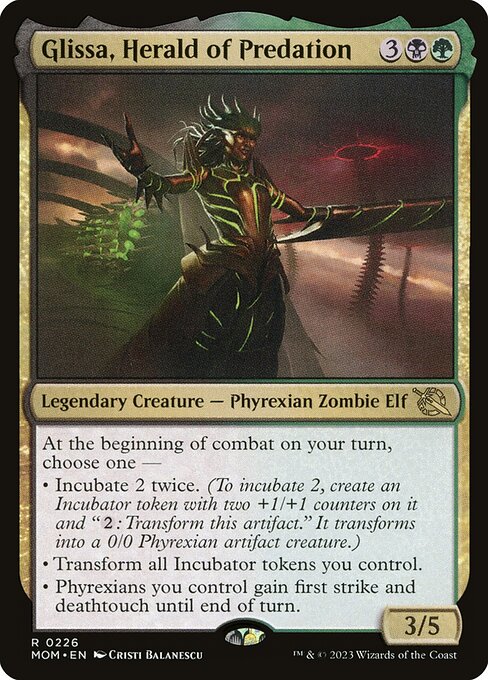
Glissa, Herald of Predation
-
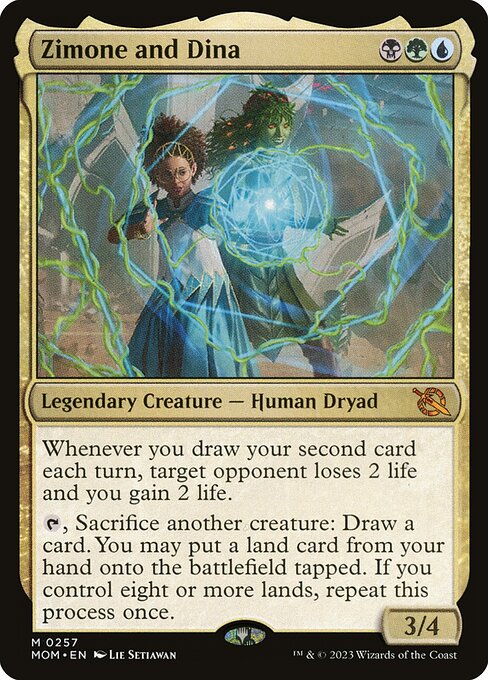
Zimone and Dina
Gameplay Summary
The game featured a clash between two unique Commander decks built from a limited card pool obtained through booster packs.
One deck, led by Glissa, Herald of Predation, focused on a felixian tribal synergy, generating and transforming incubator tokens to create a board of threatening creatures with first strike and deathtouch.
The player capitalized on synergistic creature buffs and combat tricks to maintain board presence.
Meanwhile, the opponent piloted Zimone and Dina, a three-color deck aiming to leverage drawing multiple cards per turn to drain opponents' life while gaining life themselves, applying pressure via incremental damage and controlling the board with removal spells drawn from the booster selection.
Early turns involved ramping and setting up for key tribal interactions on Glissa's side, while Zimone and Dina worked to establish a steady card draw engine and board control.
A pivotal moment came when Glissa's player successfully flipped key incubator tokens to trigger powerful combat abilities, allowing an aggressive attack that heavily damaged the opponent.
However, Zimone and Dina's ability to punish card draws kept the pressure on, forcing careful plays from Glissa.
The game also featured important removal plays, including artifact and enchantment destruction, which helped swing tempo.
Eventually, Glissa leveraged tribal buffs and combat damage to push for a decisive attack, but Zimone and Dina's continual life gain and drain kept the game close.
The interactions between token transformation, card draw punishment, and incremental life swings defined the dynamic flow of the match.


