Deck & Commander Strategies
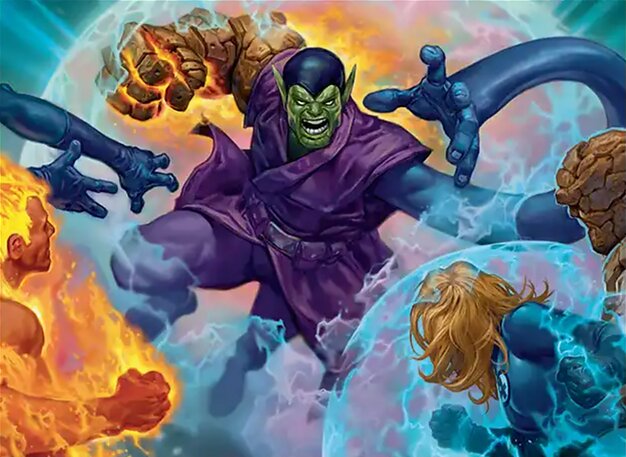
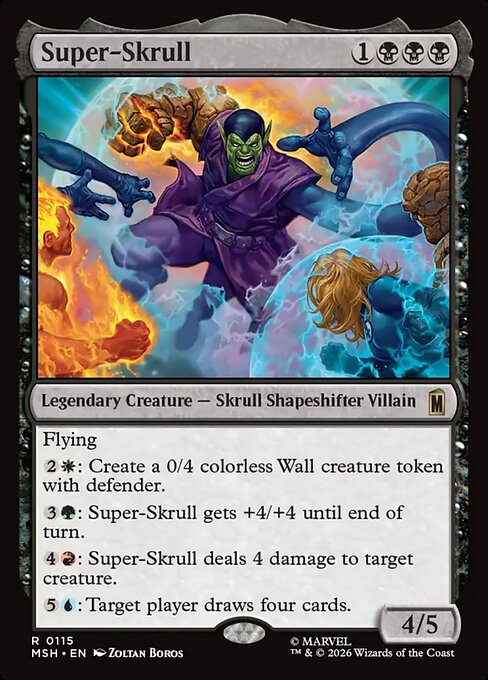
Super-Skrull
Leverages infinite wall combos and careful mana management to generate overwhelming board states and control the game through combat and repeated triggers.

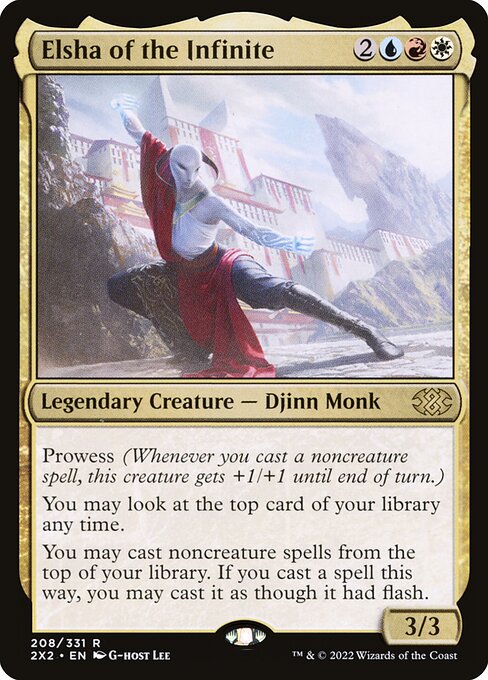
Elsha of the Infinite
A control-oriented deck that uses spells and Rhystic Study to draw cards and control the board, aiming to find combo pieces or powerful spells to close the game.
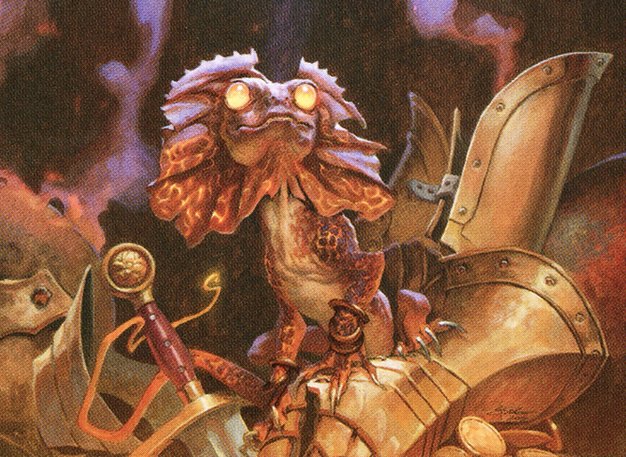
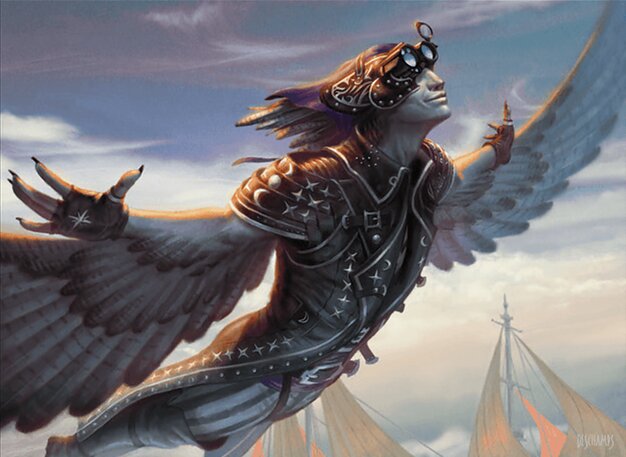
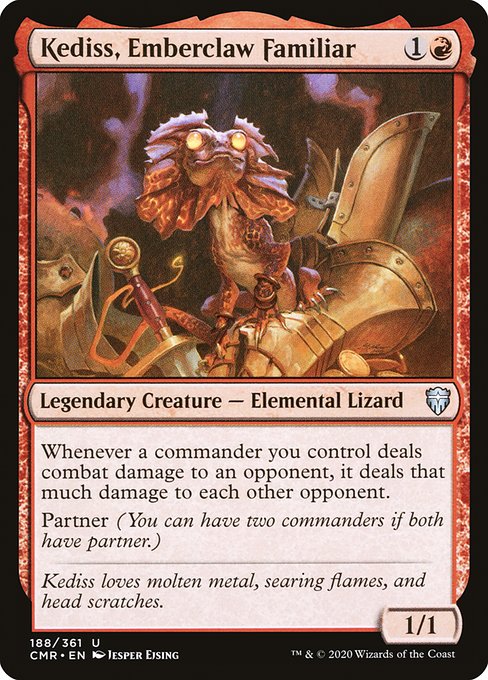
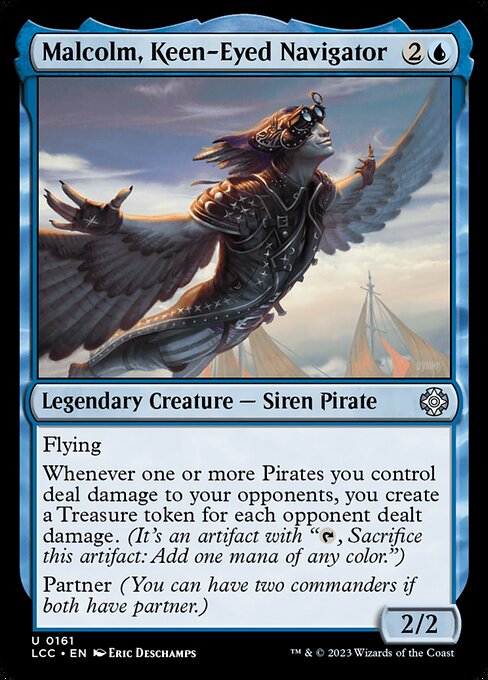
Kediss, Emberclaw Familiar / Malcolm, Keen-Eyed Navigator
Focuses on creating treasures and value through combat damage triggers, using creatures to generate incremental advantage and eventually overwhelm opponents.
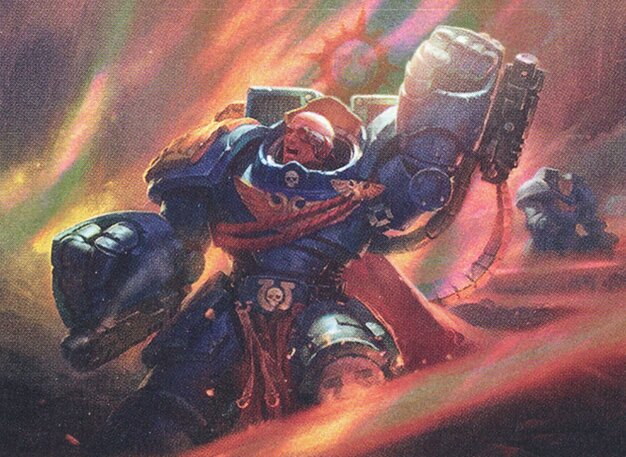
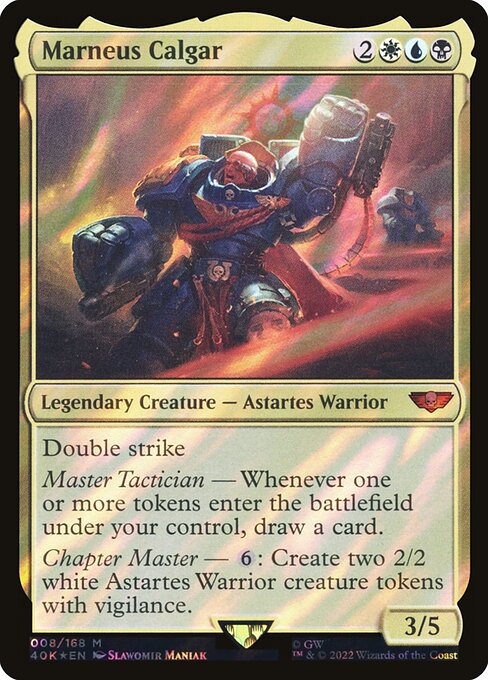
Marneus Calgar
Utilizes card draw from combat damage and powerful creatures to maintain card advantage and pressure, aiming to out-resource opponents and win through attrition.
Gameplay Insights
- 1
Max P's decision to delay casting Soul Ring turn one prevented opponents from gaining card advantage too early, showcasing disciplined resource management.
- 2
Repeated triggered abilities from cards like Gleaming Splendor and Marneus Calgar created a complex interaction stack that required precise timing and responses.
- 3
The use of Gilded Drake to steal key creatures such as Malcolm was a pivotal interaction affecting board control and player tempo.
- 4
Players balanced aggression with careful control spells and counters to prevent early blowouts while setting up long-term win conditions.
- 5
The synergy between combat damage triggers and treasure generation in Malcolm/Kediss deck provided steady incremental advantage throughout the game.
Notable Cards
-
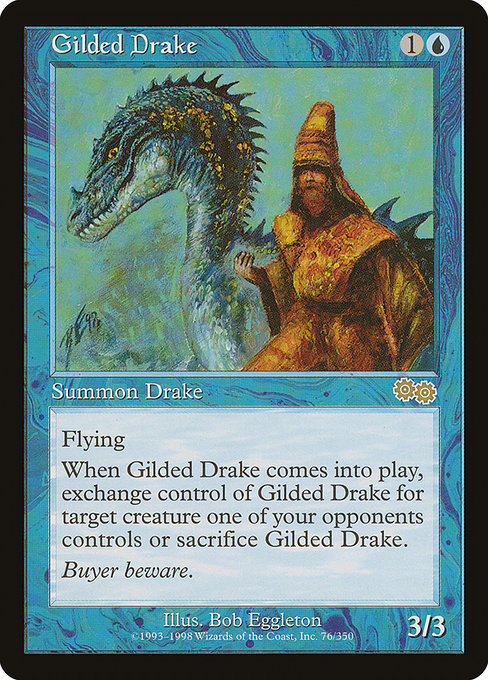
Gilded Drake
-
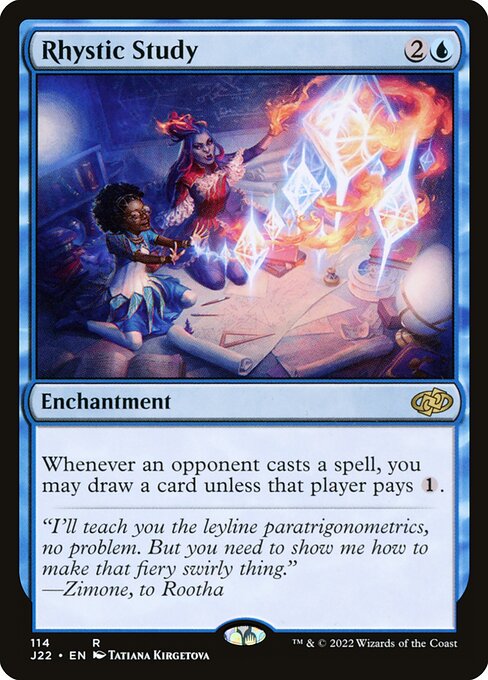
Rhystic Study
-

Gleaming Splendor
-
Marneus Calgar
-
Malcolm, Keen-Eyed Navigator
-
Kediss, Emberclaw Familiar
-
Super-Skrull
-
Elsha of the Infinite
-
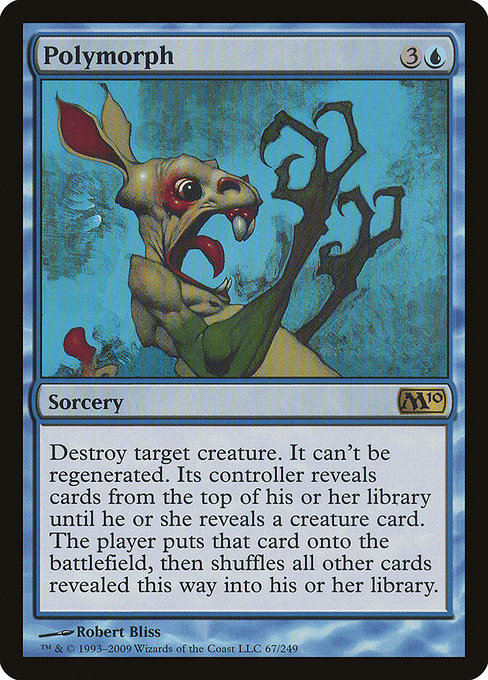
Polymorph
Gameplay Summary
The game began with players cautiously developing their boards and maintaining a tight control over resources, with early plays including probing hands and establishing key lands.
Alex on Elsha of the Infinite utilized control elements and card draw spells like Rhystic Study to gain incremental advantages, while Max P on Super-Skrull held back early mana acceleration to avoid feeding opponents cards, demonstrating a disciplined approach.
Shauna on Malcolm and Kediss focused on generating treasures and incremental value through combat triggers and Kettis, while Zeb on Marneus Calgar leveraged card draw and powerful creatures to build board presence. As the game progressed, pivotal turns involved multiple triggered abilities from creatures like Gleaming Splendor and Marneus Calgar, creating a complex stack of interactions that pressured players to respond carefully.
Key moments included Gilded Drake exchanges and polymorph attempts that threatened to shift control of the game state.
The players navigated through counterspells, removal, and resource management, with the game state evolving into a dense web of triggers and incremental advantage plays.
The match showcased the intricate synergy and timing required in competitive EDH, with the players balancing aggression and control while setting up their win conditions.