Deck & Commander Strategies
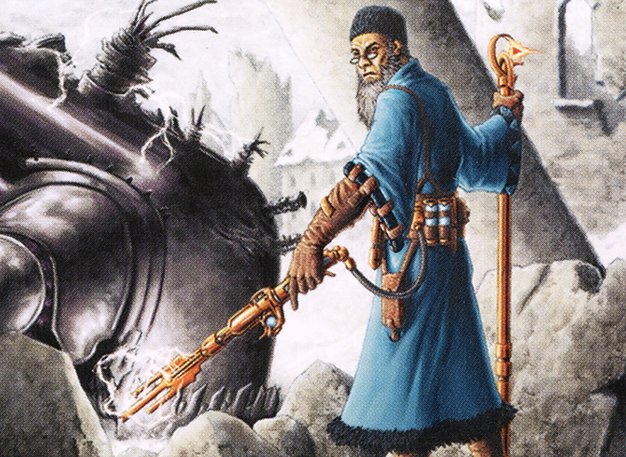
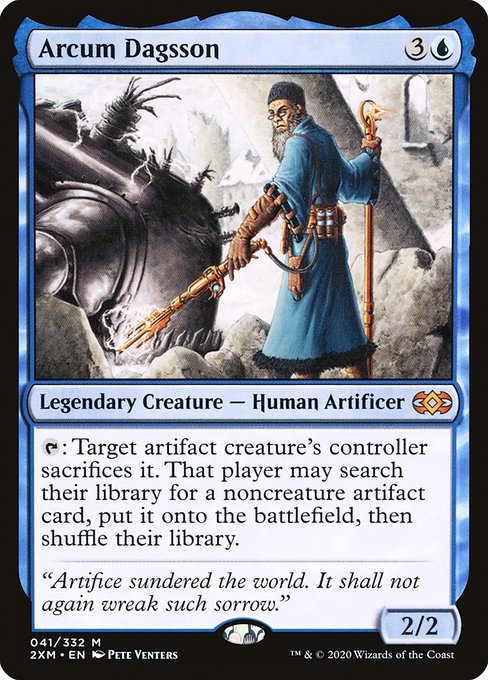
Arcum Dagsson
Focuses on assembling artifact combos by sacrificing artifacts to tutor for key combo pieces, aiming to generate infinite mana or other game-winning loops.
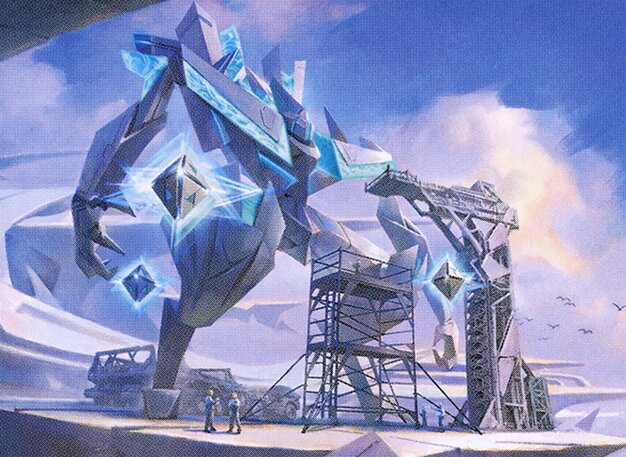
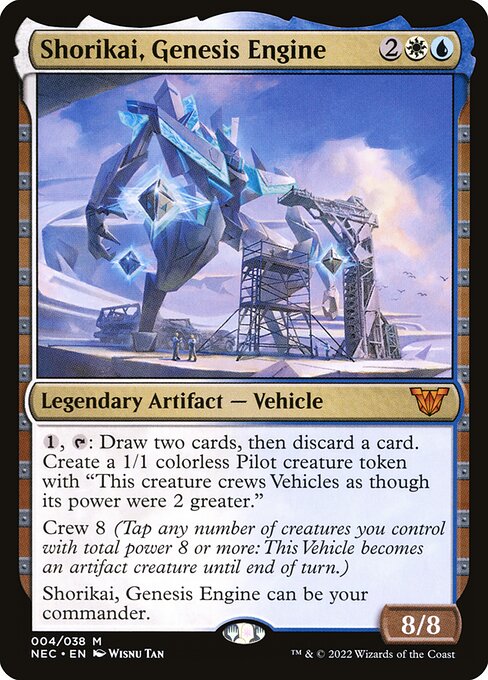
Shorikai, Genesis Engine
Utilizes artifact value engines and incremental advantage, generating tokens and card draw while maintaining board control through efficient artifact synergies.
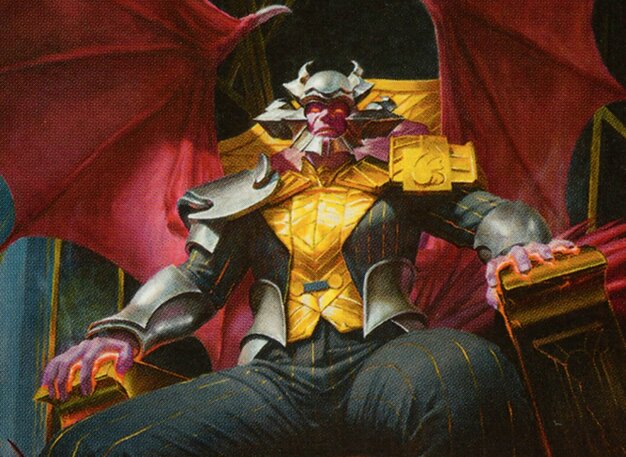
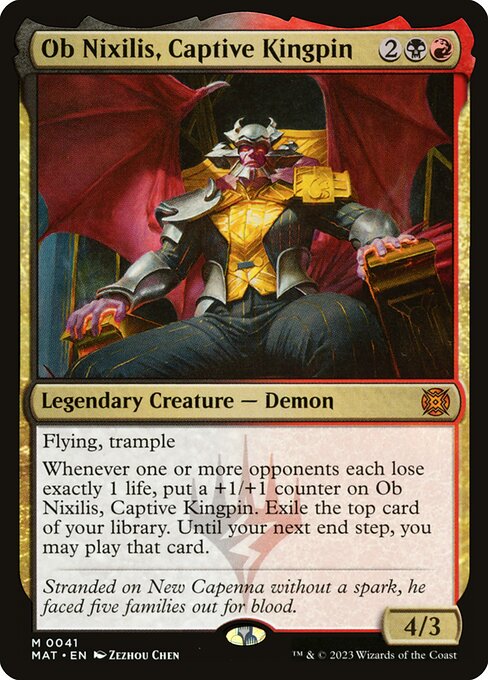
Ob Nixilis, Captive Kingpin
Leverages life loss and card draw triggers to outvalue opponents, while using ping effects and removal to control the board and advance toward midrange dominance.
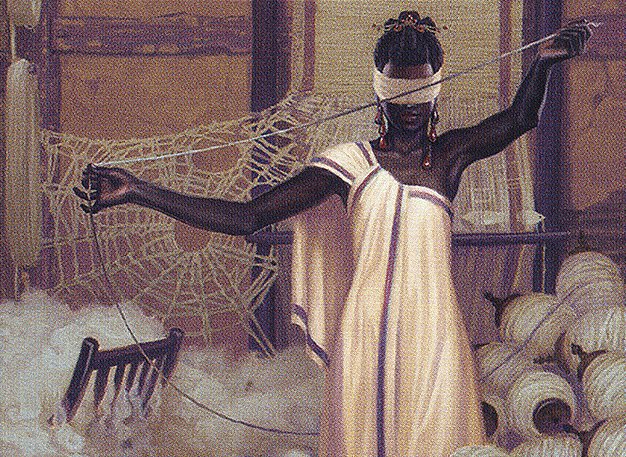
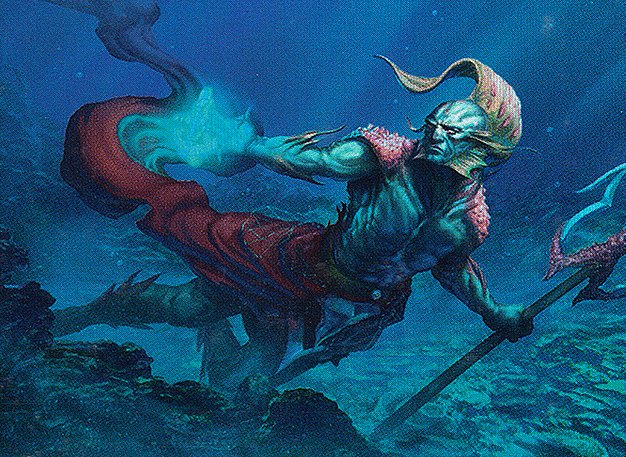
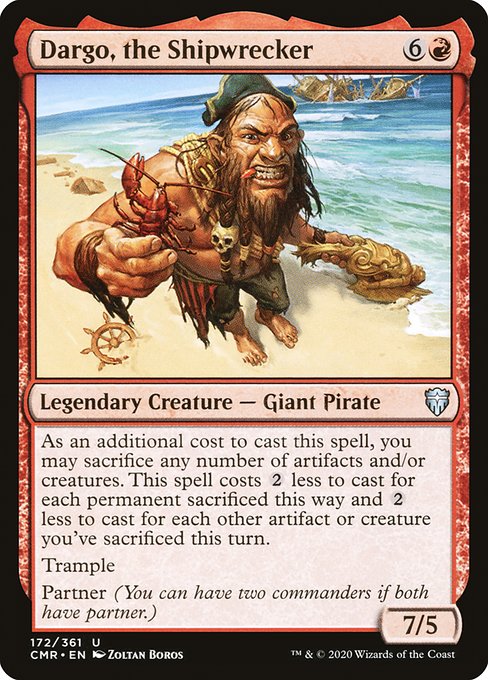
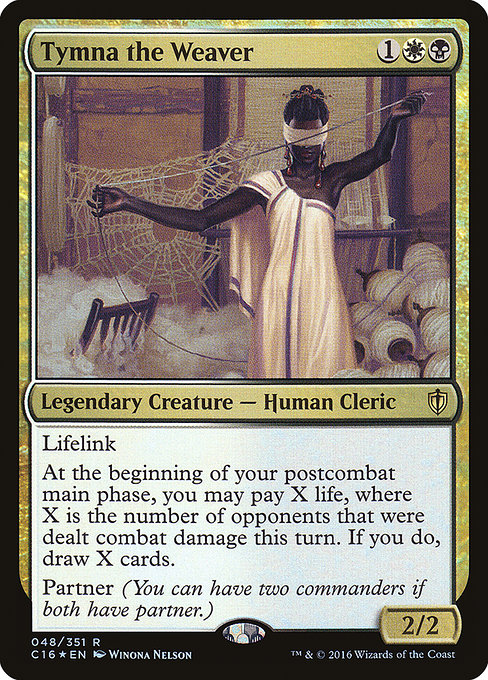
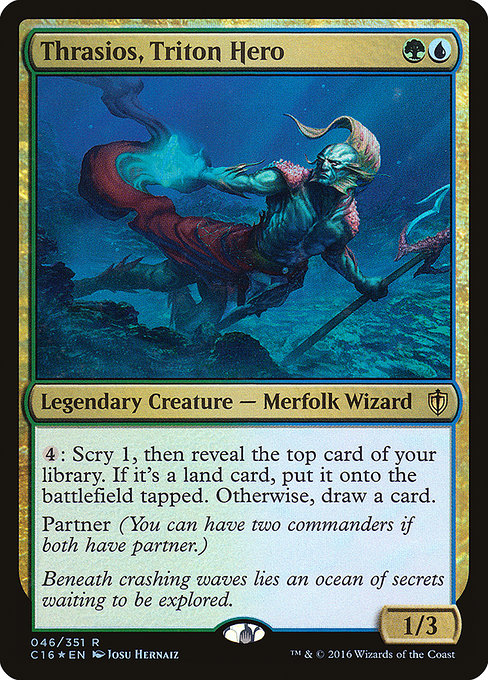
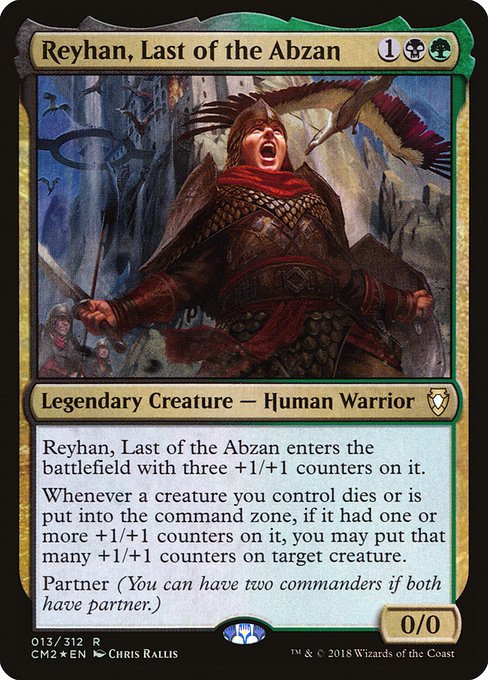
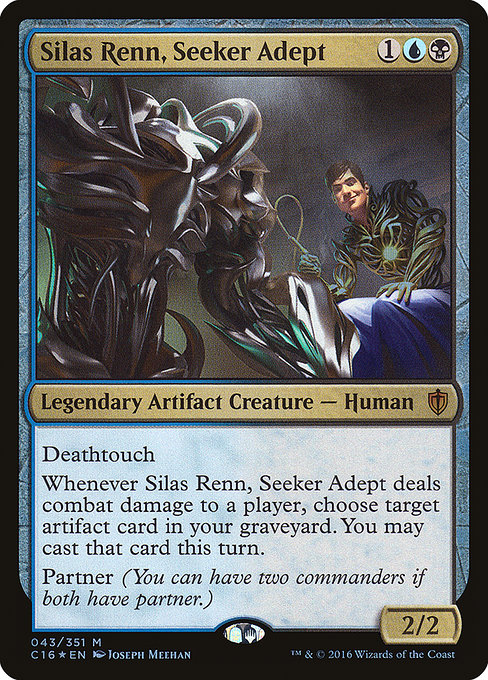
Tymna the Weaver + Thrasios, Triton Hero
Uses card draw from combat damage and variable mana sources to generate card advantage, aiming to outpace opponents with incremental advantage and combo finishers.
Gameplay Insights
- 1
Grand Arbiter’s taxing effect significantly slowed down Arcum Dagsson’s combo development and forced players to carefully consider their mana usage.
- 2
Grafdigger's Cage was a critical piece of disruption, limiting graveyard recursion and hindering key decks reliant on it.
- 3
Players used incremental life loss and card draw triggers from Ob Nixilis and Tymna to maintain card advantage despite the heavy disruption on the board.
- 4
Holding Slaughter Pact in reserve as a response to Arcum’s activation showed foresight in disrupting potentially game-ending combos.
- 5
The use of artifact value engines like Shorikai and Scrawling Crawler provided steady board presence and card filtering to compensate for the heavy control elements in play.
Notable Cards
-
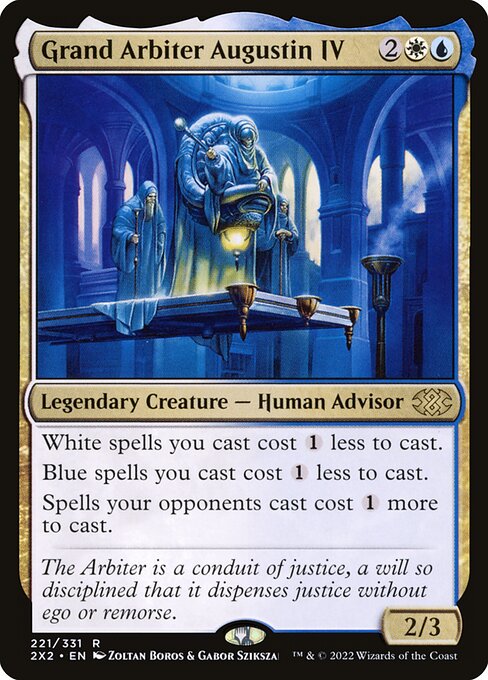
Grand Arbiter Augustin IV
-
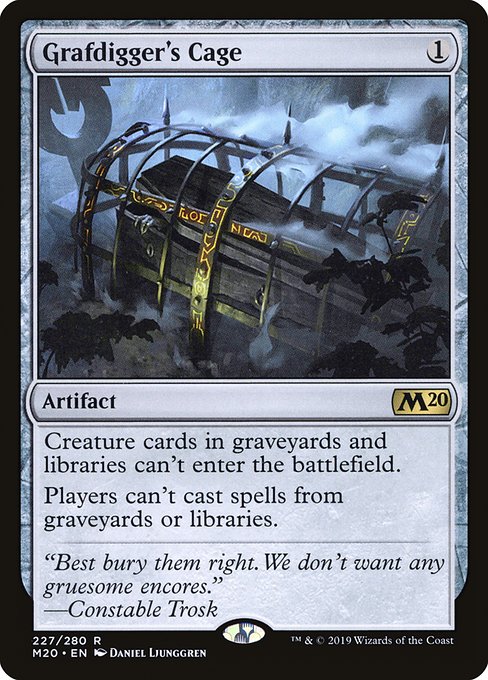
Grafdigger's Cage
-
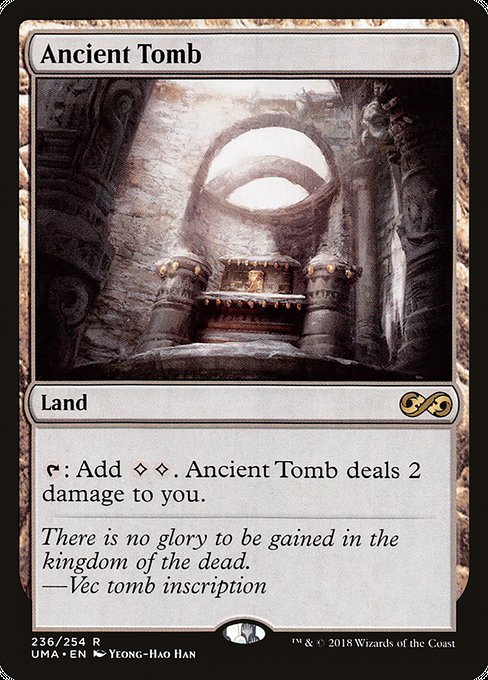
Ancient Tomb
-
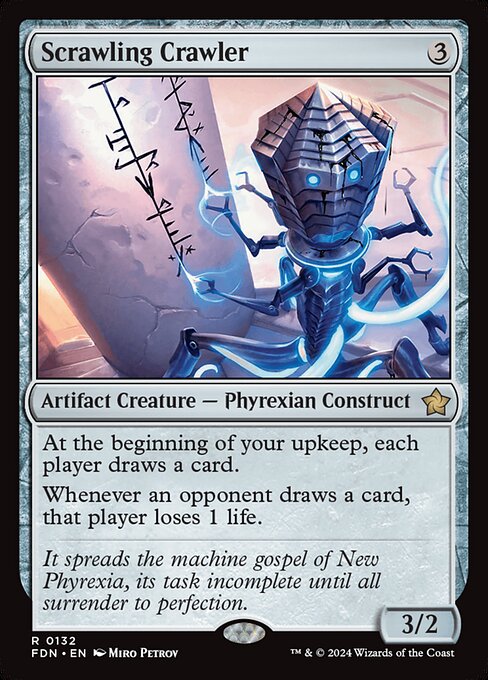
Scrawling Crawler
-
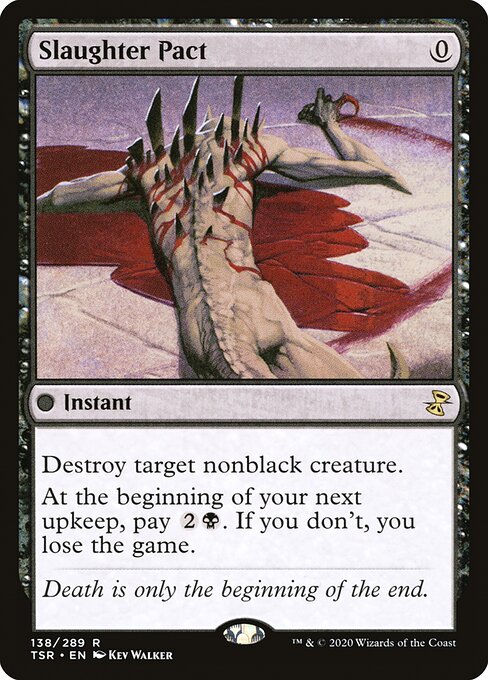
Slaughter Pact
-
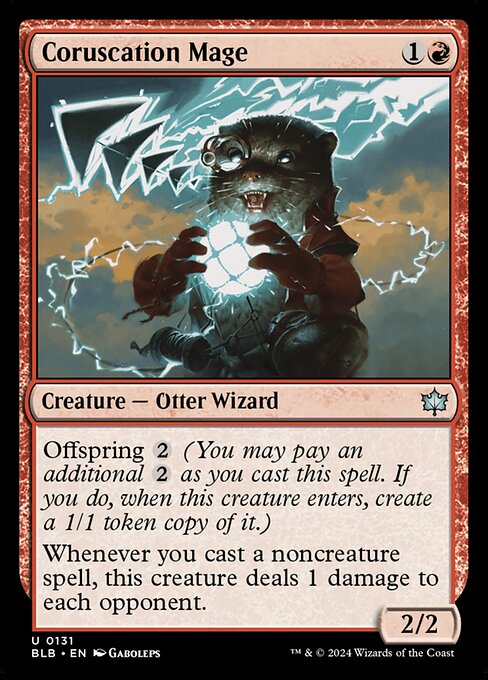
Coruscation Mage
-
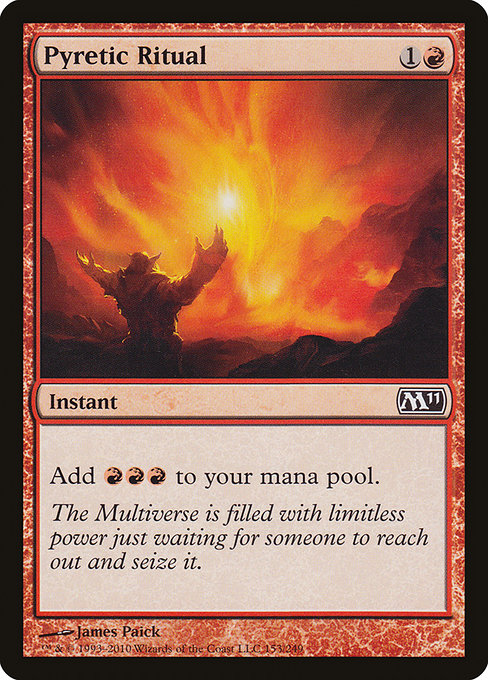
Pyretic Ritual
-
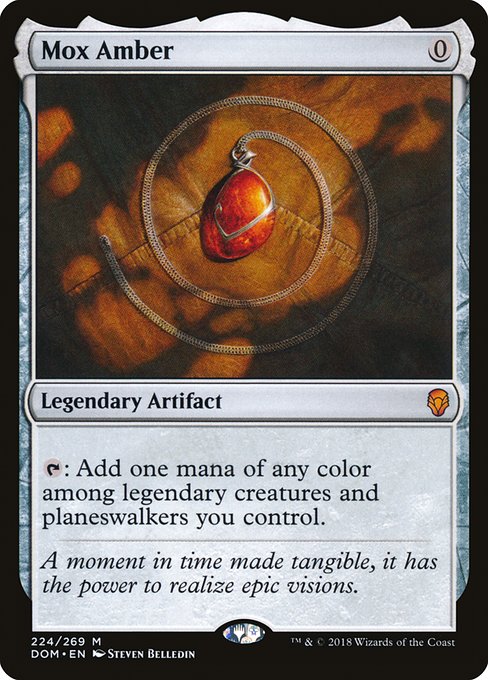
Mox Amber
-
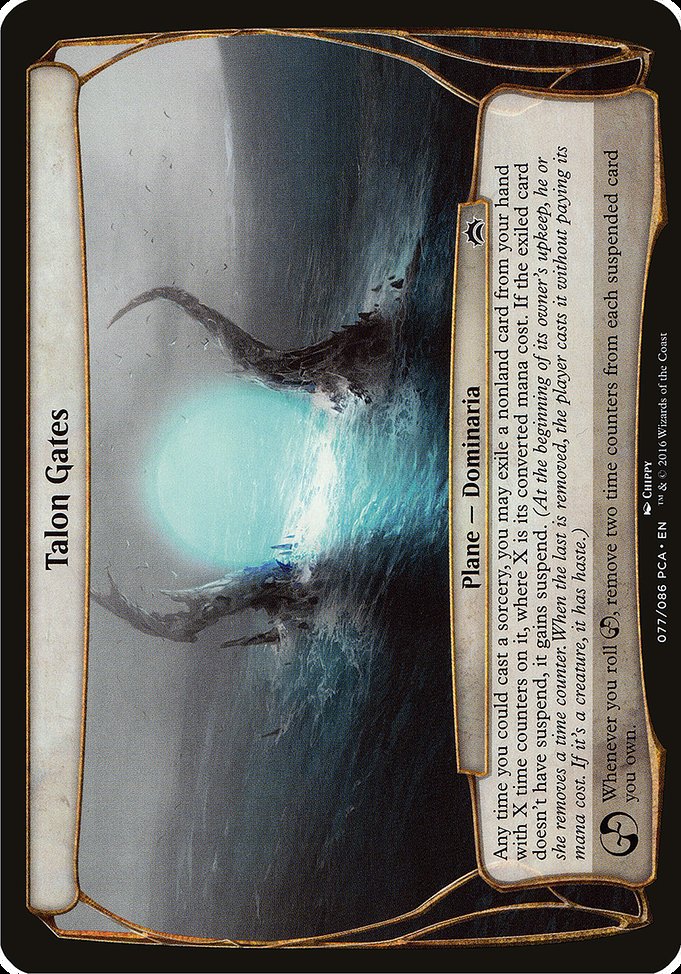
Talon Gates
Gameplay Summary
The game started with players establishing early board presence and resource development, including mana acceleration and key artifacts such as Ancient Tomb, Ornithopter, and Scrawling Crawler.
Early disruption was introduced through cards like Grand Arbiter Augustin IV and Grafdigger's Cage, which heavily taxed mana and hindered graveyard and artifact strategies.
The interaction between these control pieces created a bottleneck in players’ ability to execute their combos or deploy threats freely. Ob Nixilis and Tymna Thrasios players focused on incremental value and life loss triggers, leveraging their commanders’ synergy to draw cards and pressure opponents.
Meanwhile, Arcum Dagsson aimed to assemble artifact combos and lock pieces but was significantly slowed by the Grand Arbiter lock.
The game’s pivotal moment came when the Grand Arbiter’s taxing effect forced careful sequencing and resource management, and Slaughter Pact was held in reserve as a potential answer to Arcum’s key activations.
The game progressed into a tense state of mutual disruption, with players jockeying for position through card draw, life management, and strategic removal, setting the stage for a late-game win condition centered around artifact synergies and incremental value from commanders’ triggers.