Deck & Commander Strategies

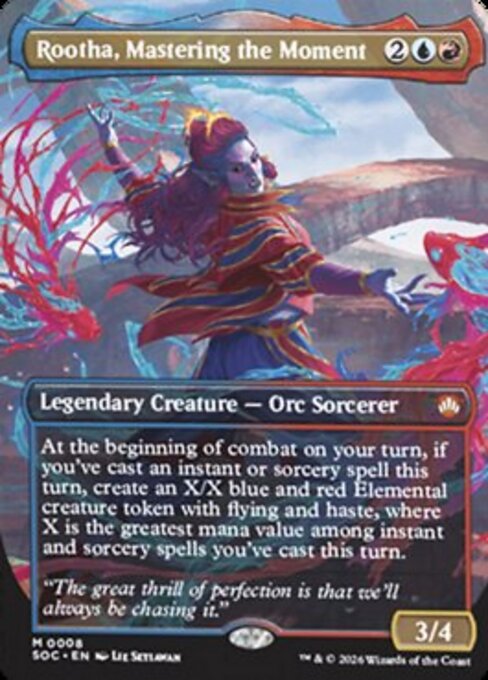
Rootha, Mastering the Moment
Cast high-value instant and sorcery spells to create large elemental tokens with flying and haste, then use these tokens to apply immediate board pressure and close out the game quickly.

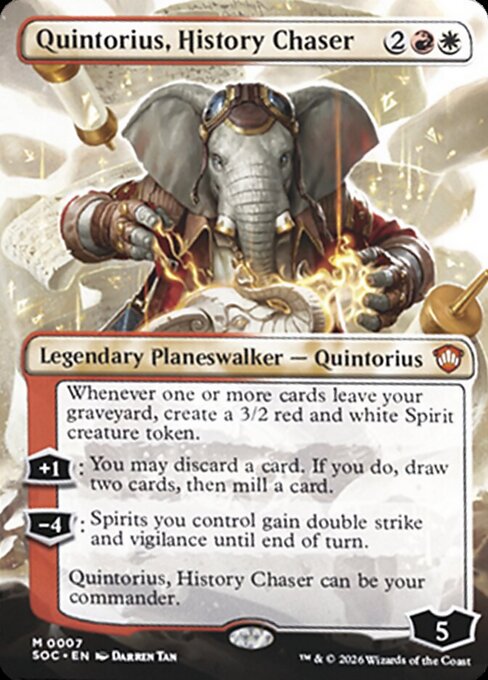
Quintorius, History Chaser
Generate spirit tokens whenever cards leave the graveyard, then empower those tokens with combat buffs and use card draw and milling abilities to maintain advantage and overwhelm opponents.

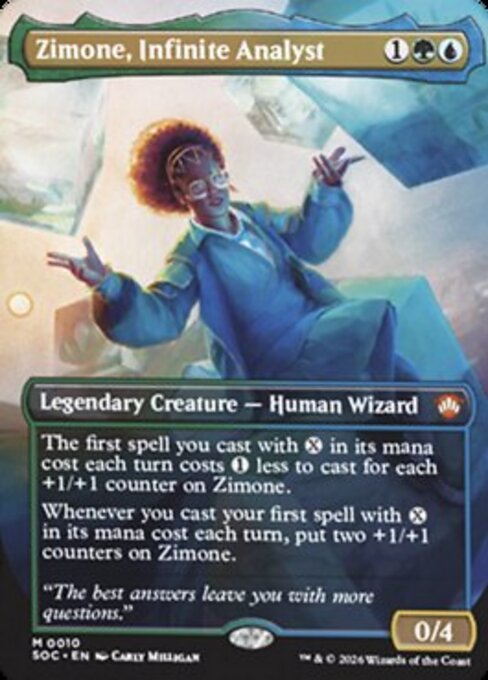
Zimone, Infinite Analyst
Cast X spells to accumulate plus one plus one counters on Zimone, reducing the cost of future X spells and enabling a powerful exponential growth of spells and counters throughout the game.

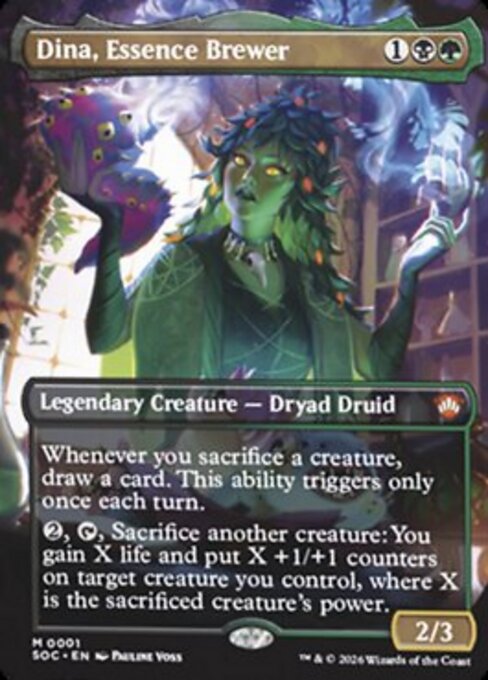
Dina, Essence Brewer
Sacrifice creatures to draw cards and gain life, while using the sacrifice triggers to put +1/+1 counters on creatures and grow a resilient board presence.
Gameplay Insights
- 1
Rootha’s ability to create elemental tokens tied to the highest mana value instant or sorcery cast each turn was pivotal, encouraging casting big spells to maximize token size and board presence.
- 2
Zimone’s synergy with X spells and cost reduction enabled rapid growth of counters and spells, allowing for explosive turns and sustained board development.
- 3
Quintorius rewarded graveyard interaction and spirit token generation, turning incremental triggers into a swarm of buffed attackers with double strike and vigilance.
- 4
Bloodghast’s landfall recursion was a strong fit in Dina’s sacrifice-oriented deck, providing repeated board presence and synergy with sacrifice outlets for card draw and life gain.
- 5
Artifacts like Arcommancer's Map and Hall of Oracles enhanced mana acceleration and spell effectiveness, enabling players to keep up the pace and fuel their commanders’ abilities.
Notable Cards
-
Rootha, Mastering the Moment
-
Quintorius, History Chaser
-
Zimone, Infinite Analyst
-
Dina, Essence Brewer
-

Bloodghast
-

Stormcatch Mentor
-

Hall of Oracles
Gameplay Summary
The game featured four players piloting the new Strixhaven preconstructed decks: Rootha, Mastering the Moment; Quintorius, History Chaser; Zimone, Infinite Analyst; and Dina, Essence Brewer.
Early turns focused on ramping and setting up each deck’s unique synergies.
Rootha's player leveraged instant and sorcery spells to create large elemental tokens, capitalizing on the highest mana value spells cast each turn.
Zimone's deck centered around casting X spells to grow counters on the commander and reduce subsequent spell costs, aiming for a powerful snowball effect.
Quintorius generated spirit tokens from graveyard interactions and used those spirits for combat buffs and card advantage.
Dina’s deck revolved around sacrificing creatures for card draw and life gain, while also strengthening her board through +1/+1 counters. A key turning point was when players began deploying their signature creatures and artifacts that accelerated their game plans: Zimone established cost reduction quickly, Rootha generated haste elemental tokens to apply pressure, and Quintorius created spirits that could become formidable attackers with double strike and vigilance.
Bloodghast’s landfall recursion proved potent in Dina’s sacrifice theme, enabling repeated value from creature sacrifices.
The game showcased the interplay between these archetypes, with each player building toward their win condition—whether through overwhelming the board with tokens, leveraging incremental value from spells and counters, or recurring and growing creatures through sacrifice mechanics.