
Deck & Commander Strategies
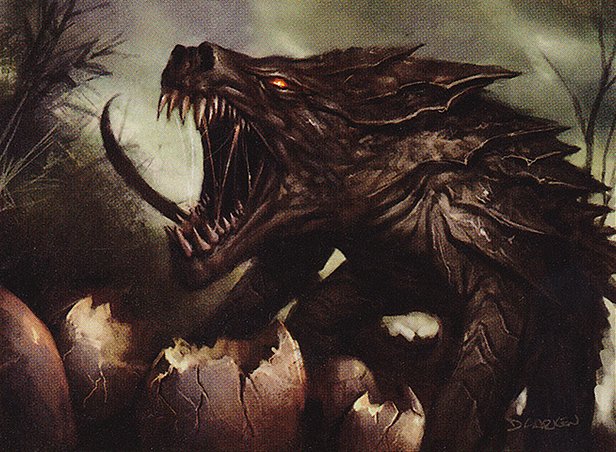
Scarland Thrinax
As the archenemy, this deck focuses on controlling the board through sacrificing creatures to grow Scarland Thrinax and executing powerful scheme cards that disrupt opponents by destroying permanents and dealing damage, aiming to outlast and overwhelm the 3-player team.
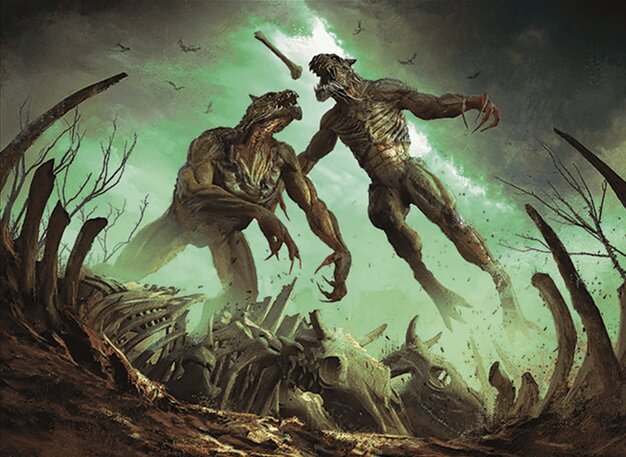
Young Deathclaws
This deck aims to fill the graveyard with creatures that have higher power than mana cost to enable cheap scavenge recursion, flooding the board with large creatures and pumping them to trample over opponents.

Woodland Acolyte // Mend the Wilds
A value-oriented deck that leverages green and white recursion and card draw to generate incremental advantage, focusing on recursion of permanents and playing a flexible, fiddly toolkit to gain board presence and sustain.
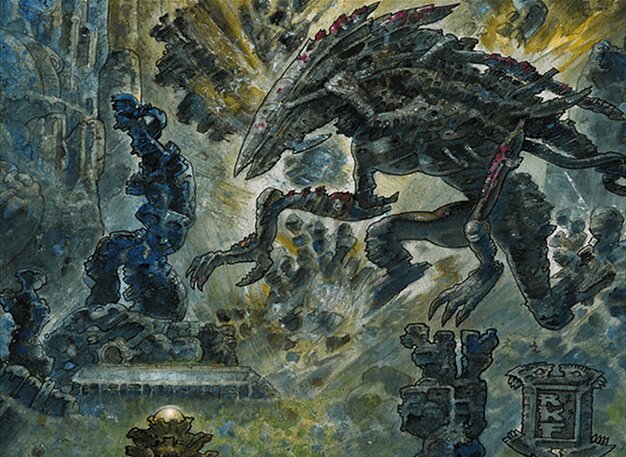
Titans' Vanguard
An Eldrazi-themed deck that builds board-wide power through placing +1/+1 counters on colorless creatures each time the commander attacks or a spell is cast, generating tokens and applying pressure with trample to smash through defenses.
Gameplay Insights
- 1
The archenemy’s schemes early in the game dealt significant damage based on opponents' hand sizes and destroyed multiple nonland permanents, forcing the team to adapt quickly to a disrupted board state.
- 2
Young Deathclaws’ player opted to sacrifice the Scythe Tiger rather than a land to trigger scavenge recursion later, preserving mana resources while building graveyard value.
- 3
Titans' Vanguard’s creation of Eldrazi scion tokens provided not only blockers but also mana ramp through sacrificing the tokens, illustrating efficient resource cycling.
- 4
The archenemy’s ability to copy spells through the ongoing scheme provided a powerful tempo advantage, allowing multiple impactful spells or commander abilities to resolve.
- 5
Team coordination was crucial in prioritizing removal of tokens and managing threats to prevent Scarland Thrinax from accumulating too many counters too quickly.
- 6
Eagles of the North's ability to grow when opponents sacrifice creatures introduced a risk-reward dynamic for the archenemy when sacrificing creatures to grow Scarland Thrinax.
Notable Cards
-
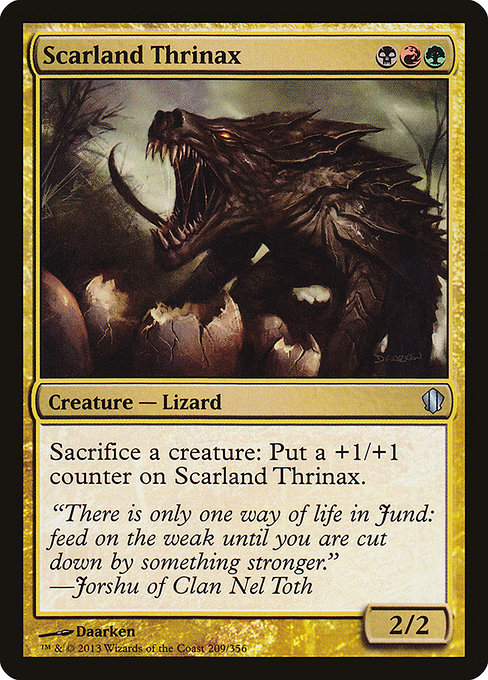
Scarland Thrinax
-
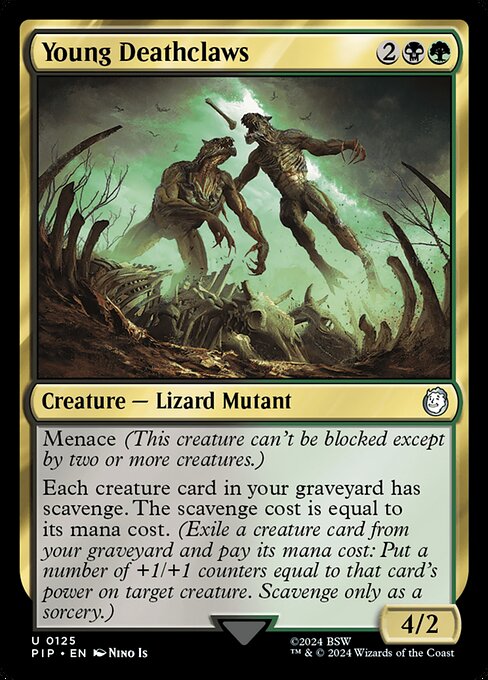
Young Deathclaws
-
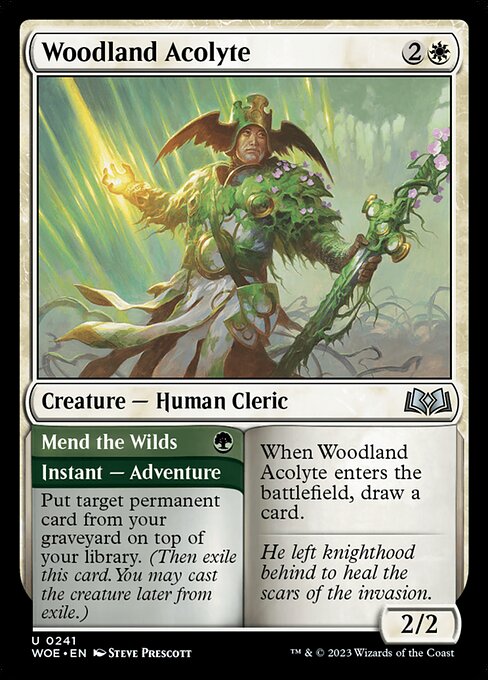
Woodland Acolyte // Mend the Wilds
-
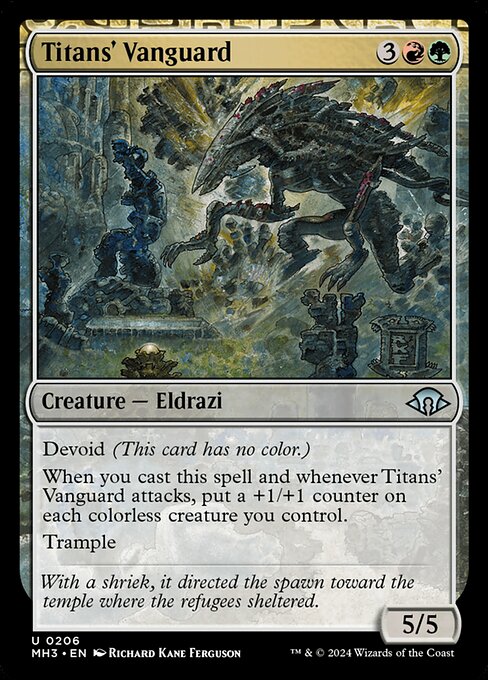
Titans' Vanguard
-
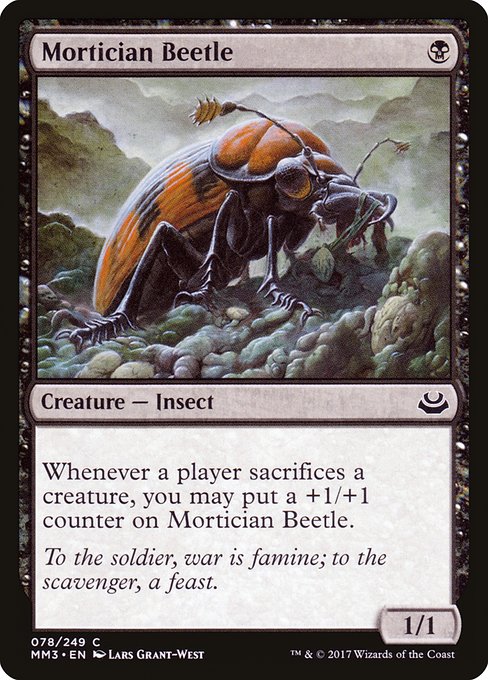
Mortician Beetle
-
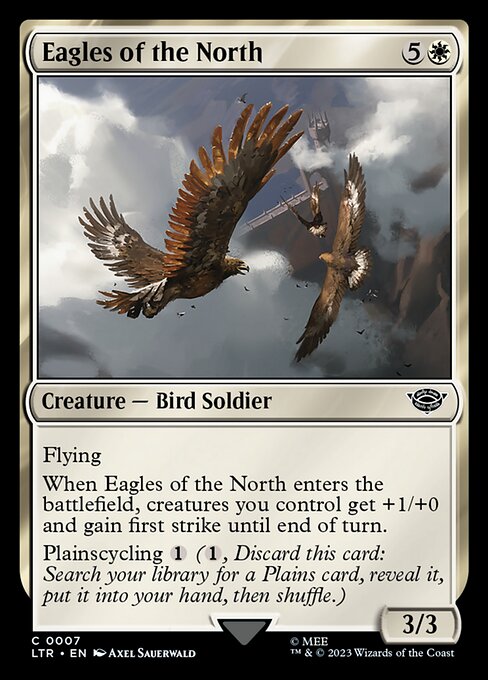
Eagles of the North
-
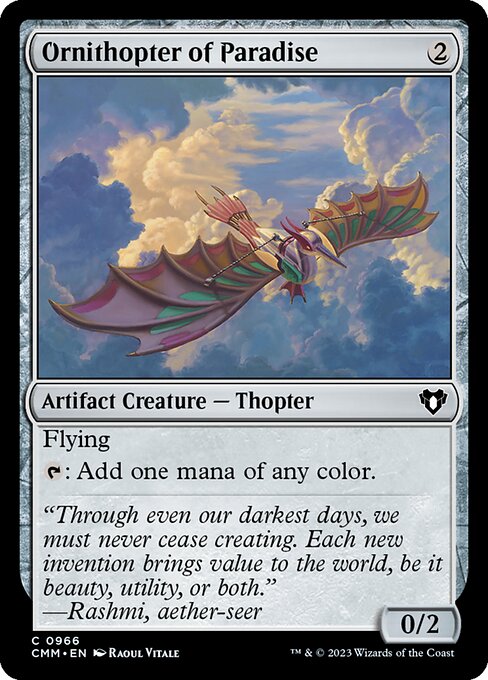
Ornithopter of Paradise
-

Opal Palace
-

Path of Ancestry
Gameplay Summary
In this 3v1 Pauper Commander Archenemy match, the three players teamed up against Lobbert, who piloted the Scarland Thrinax archenemy deck.
The archenemy started with a high life total of 60 and employed powerful scheme cards that disrupted opponents early on, such as dealing damage equal to cards in hand and destroying up to three nonland permanents.
The team used synergy between their commanders and strategies to pressure Lobbert, with Young Deathclaws focusing on graveyard recursion and buffing creatures through scavenge, Woodland Acolyte leveraging value and recursion in green and white, and Titans' Vanguard generating incremental board-wide counters and tokens to overwhelm the archenemy.
Early plays involved setting up board presence and ramping mana, with the team coordinating to remove tokens and manage threats efficiently.
The archenemy’s ability to copy spells and sacrifice creatures to grow Scarland Thrinax kept the tension high, forcing the team to carefully balance offense and defense.
The game featured pivotal moments such as the archenemy’s schemes that caused widespread disruption and significant life loss, while the team sought to stabilize with blockers and incremental advantages.
The win condition for the team revolved around outpacing Scarland Thrinax’s damage output and removing key permanents, whereas the archenemy aimed to leverage powerful destruction and damage-dealing schemes combined with creature counters to grind down their opponents.