


Deck & Commander Strategies

Bard, King of Dale
Controls the board and slows opponents using disruptive enchantments like Blind Obedience, while supporting allies and aiming to protect key pieces. The deck leverages control and defense mechanisms to stabilize and then capitalize on safe win conditions.

The Great Goblin
Utilizes synergy with Goblin, Orc, and Army creatures, dealing incremental damage whenever counters are placed and generating card advantage from creature deaths. The deck aims for aggressive board presence and value through repeated triggers.

Gandalf, Goblins' Bane // Flameshape
Focuses on dealing incremental damage to opponents through casting non-creature spells, leveraging the commander’s damage trigger for a burn-style win. It combines burn with a tempo approach using small creatures and spells.

Thranduil, the Elvenking
Exploits elf tribal synergies with graveyard recursion to generate card advantage and board presence. It plays a value-oriented game, drawing cards and reanimating elves to build up resources and potentially overwhelm opponents.
Gameplay Insights
- 1
Bard’s early cast of Blind Obedience aimed to slow down aggressive decks and protect Bard’s board state, establishing early control despite a mulliganed hand.
- 2
The Great Goblin’s damage triggers from placing counters and creature deaths provided steady pressure and card advantage, showcasing the synergy in his goblin-orc tribal theme.
- 3
Gandalf’s deck leveraged non-creature spells to incrementally deal damage to all opponents, creating a constant threat that opponents needed to address each turn.
- 4
Thranduil’s use of Quirion Ranger to copy activated abilities from elves in the graveyard and to draw cards upon legendary elf entries highlighted a value engine focused on resource accumulation.
- 5
Players carefully managed life totals and mana acceleration early on, with some opting to pay life to generate extra mana for impactful plays like casting The Great Goblin on curve.
- 6
The game exhibited a balanced pace, with no immediate combos resolved early, indicating a cautious buildup phase as players sought to establish board presence and control.
Notable Cards
-
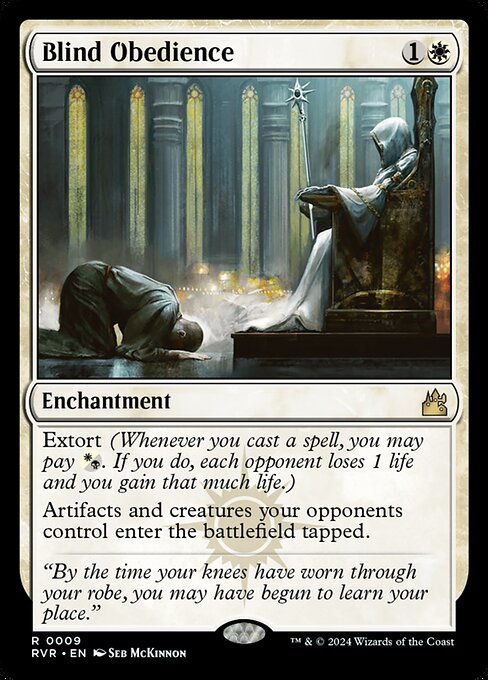
Blind Obedience
-
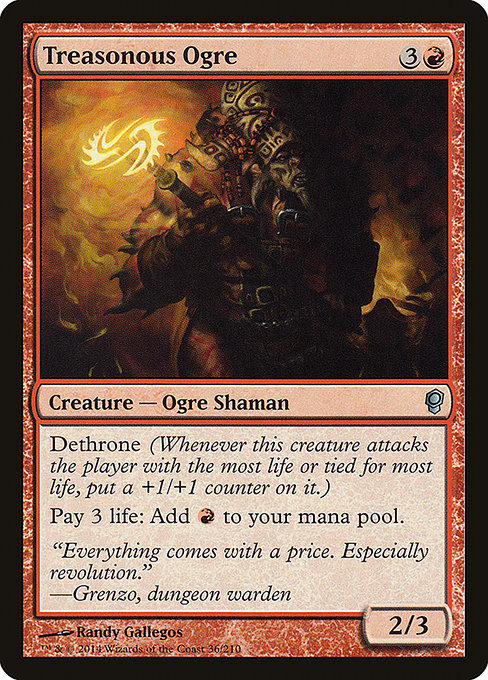
Treasonous Ogre
-
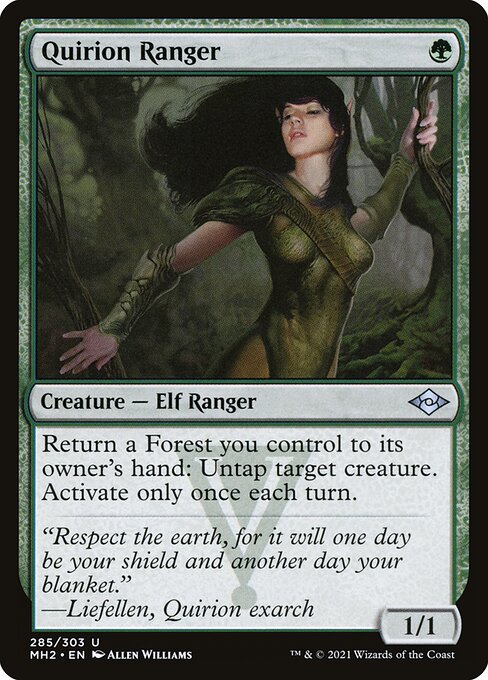
Quirion Ranger
-
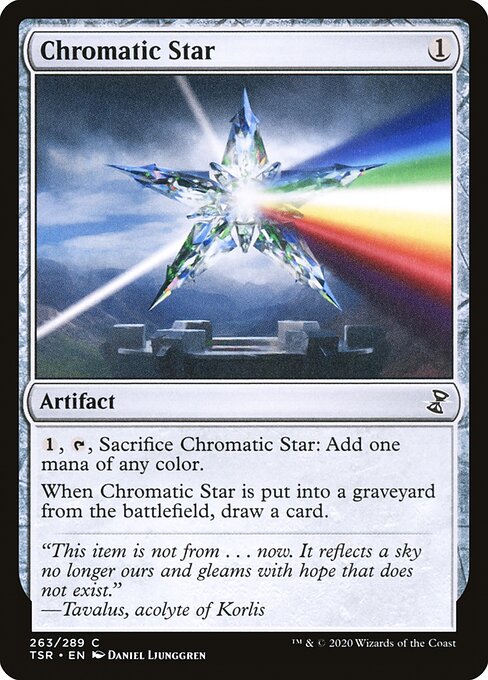
Chromatic Star
-

Dark Ritual
-
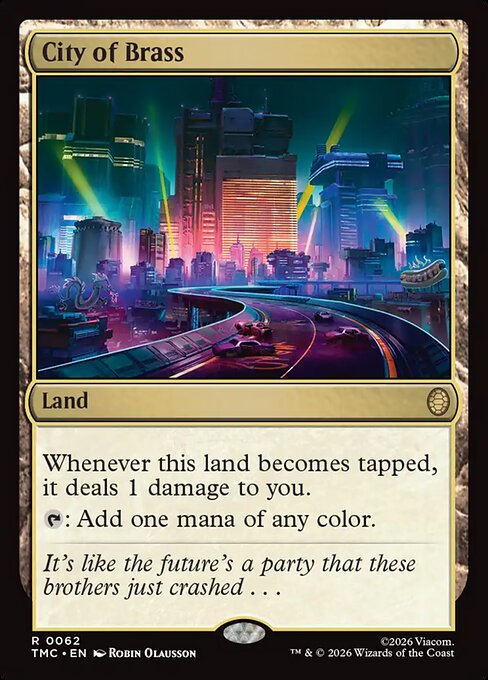
City of Brass
-
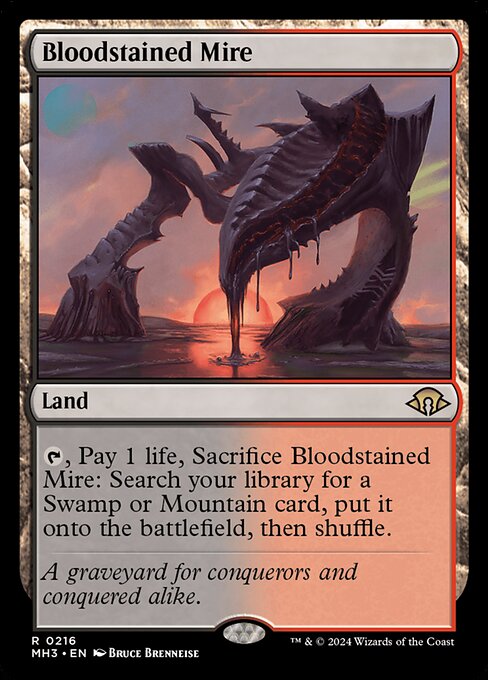
Bloodstained Mire
-
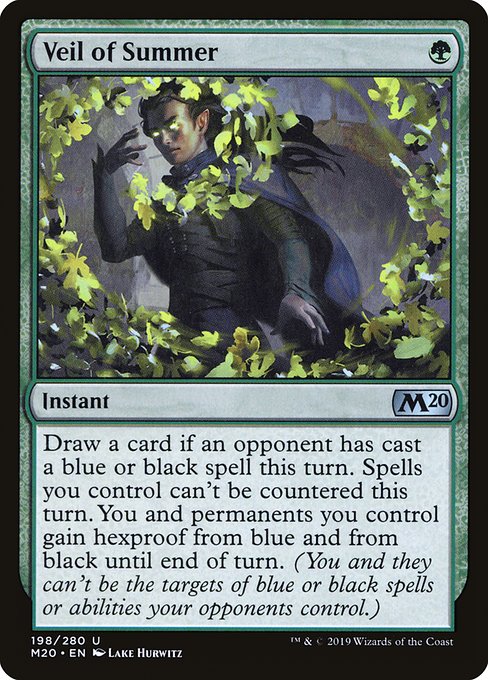
Veil of Summer
-
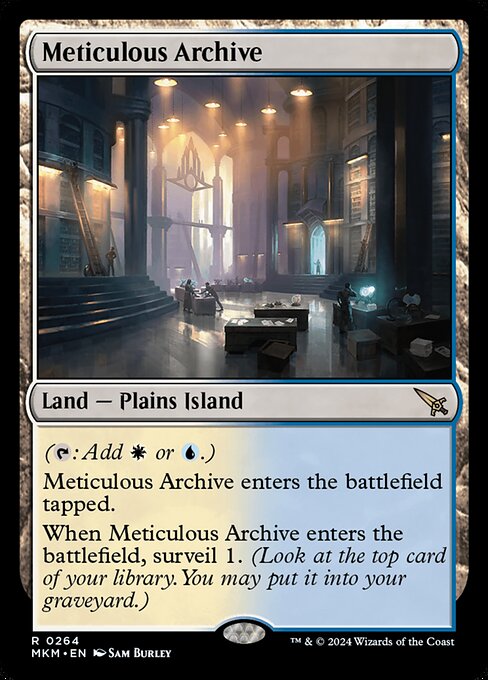
Meticulous Archive
Gameplay Summary
The game featured four commanders from a cEDH Hobbit-themed lineup, with players piloting Bard, King of Dale; The Great Goblin; Gandalf, Goblins' Bane; and Thranduil, the Elvenking.
Early turns saw typical cEDH ramp and setup, including mulligans to optimize hands and initial mana acceleration plays such as Dark Rituals and fetch lands.
Bard attempted to establish control and defense with Blind Obedience, while The Great Goblin aimed to leverage synergy with Goblins and Orcs through his damage and card advantage triggers.
Gandalf's deck focused on punishing opponents with incremental damage via non-creature spells, slowly pressuring life totals and enabling a burn-style finish.
Thranduil utilized graveyard recursion and elf tribal synergies to generate card advantage and board presence, planning to either win through value or allow other players to finish the game first if necessary. Midgame pivot points included The Great Goblin successfully casting and activating his abilities for incremental damage and card advantage, while Bard tried to maintain a lock with enchantments.
Key plays like Treasonous Ogre and Quirion Ranger set up further board threats.
Players managed their resources carefully, with some taking calculated life losses to accelerate mana production.
The game flow showed a balance of aggressive early plays and cautious development, with players looking for openings to push their respective win conditions.
The interplay of damage triggers, graveyard synergies, and spell-based incremental damage defined the strategic tension.
The game was still unfolding toward midgame with players stabilizing and setting up combos or control elements for late game execution.


