Deck & Commander Strategies

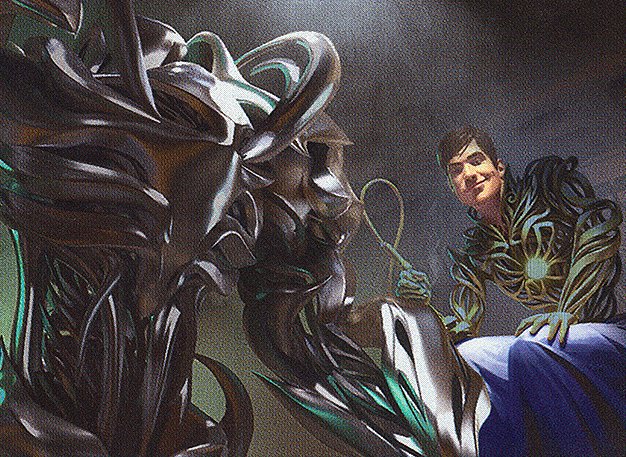
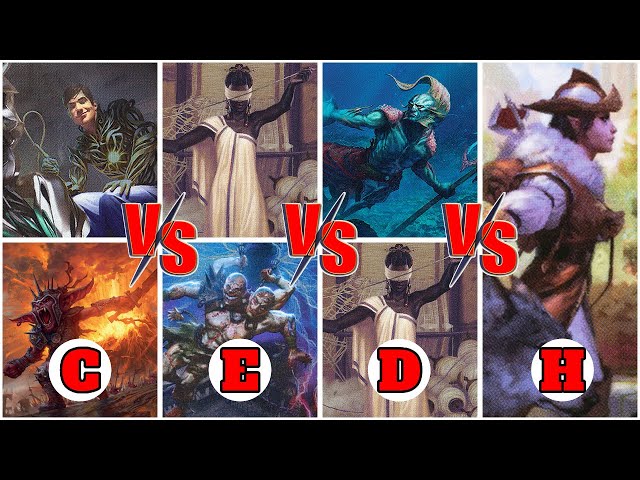
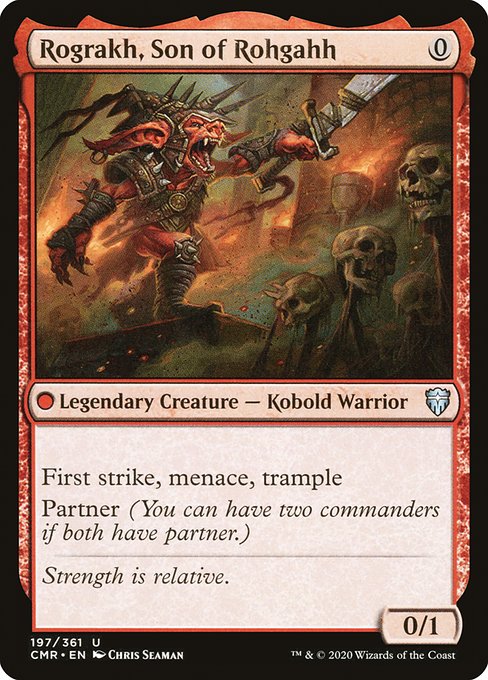
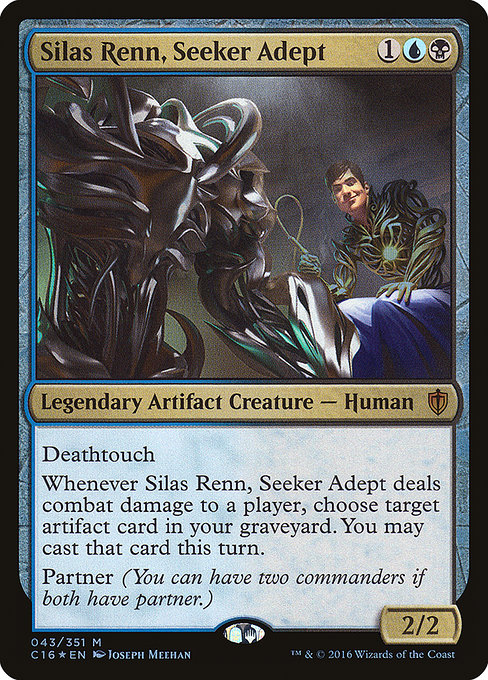
Rograkh, Son of Rohgahh / Silas Renn, Seeker Adept
A rogue-themed deck focused on disruption, likely leveraging artifact synergies and tempo plays to control the board and generate incremental advantage.
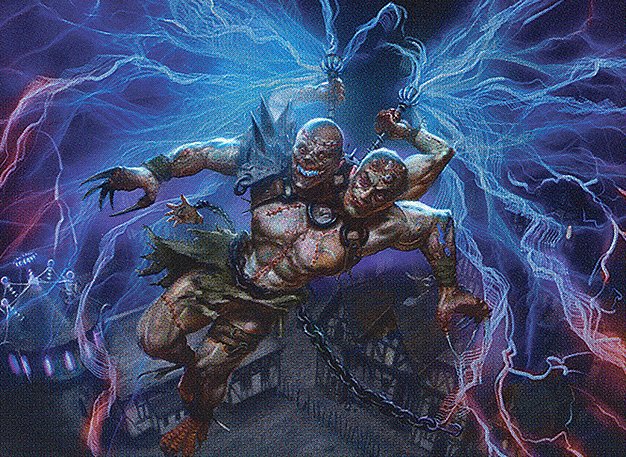
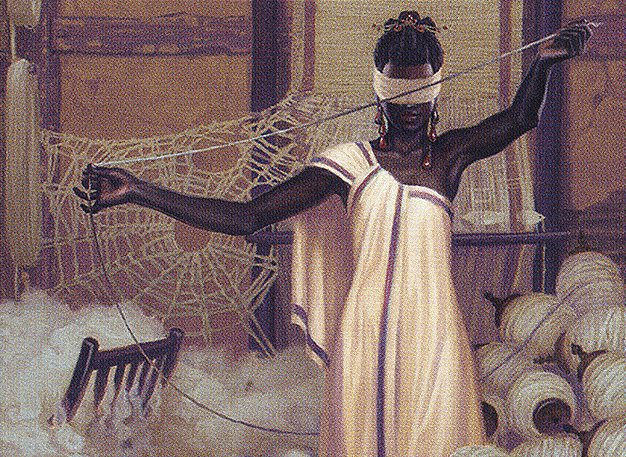
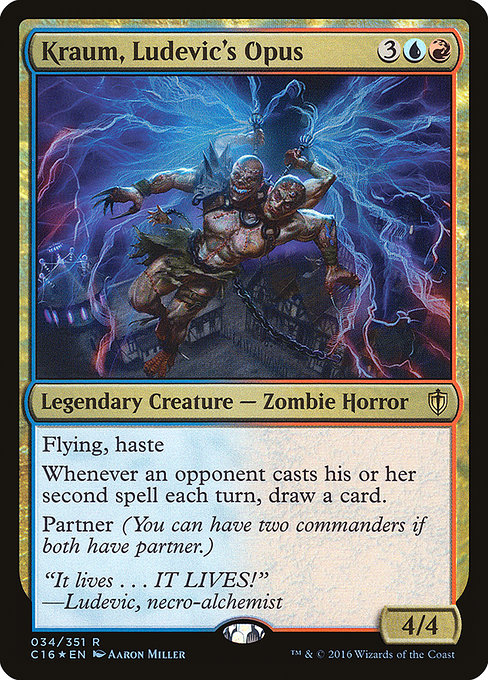
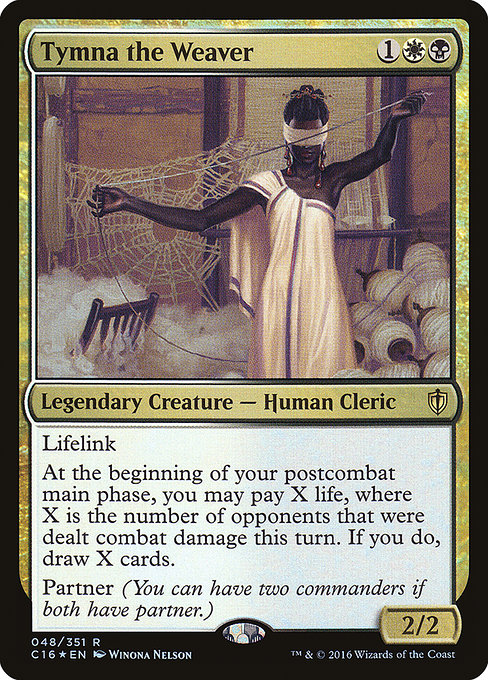
Kraum, Ludevic's Opus / Tymna the Weaver
A blue and black 'Blue Farm' deck emphasizing card draw and efficient removal, aiming to generate card advantage and control the flow of the game through interaction.
-

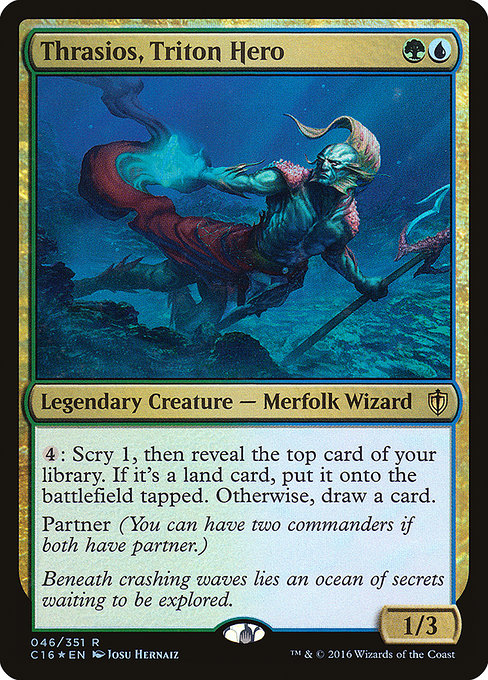
Rograkh, Son of Rohgahh / Thrasios, Triton Hero
A midrange value deck focused on mana acceleration and incremental advantage, utilizing powerful artifact and creature synergies to outvalue opponents and win through combo or big finishers.

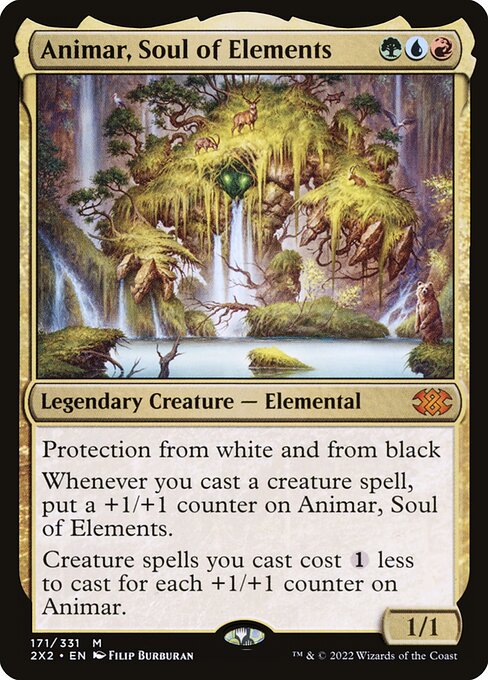
Animar, Soul of Elements
A combo-centric deck that generates +1/+1 counters quickly, enabling powerful finishers like Walking Ballista and Ancestral Statue to close out the game rapidly through damage or infinite combos.
Gameplay Insights
- 1
Casting Necropotence early was a major turning point, allowing massive card draw at the expense of life and discards, putting pressure on all opponents.
- 2
Despite some interaction spells like Chain of Vapor and Waterknot, the table struggled to respond adequately to the Necropotence player’s board state and card advantage.
- 3
Blocking decisions were crucial; a key missed block prolonged the game but ultimately did not prevent lethal damage.
- 4
Mana denial by bouncing mana-producing artifacts or lands was discussed as a potential way to disrupt the opponent’s lethal sequence but was not executed in time.
- 5
Players maintained close attention to the life totals and damage calculations, highlighting the importance of precise math in high-stakes Commander games.
Notable Cards
-
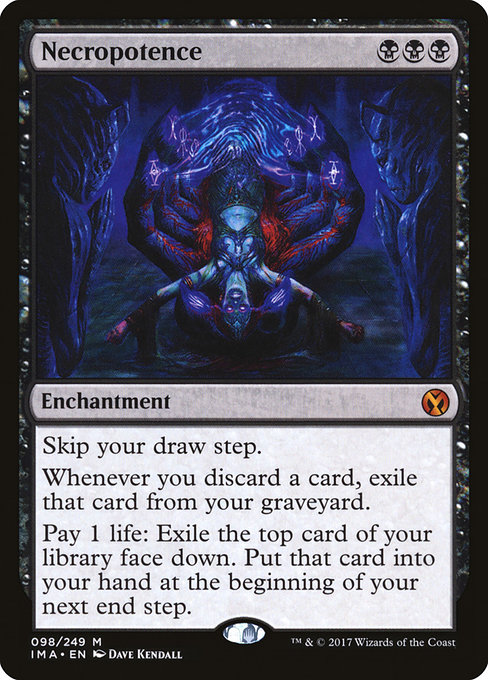
Necropotence
-
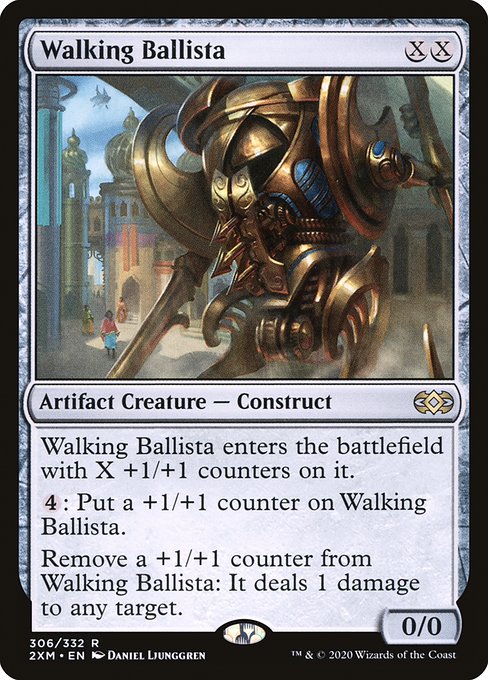
Walking Ballista
-
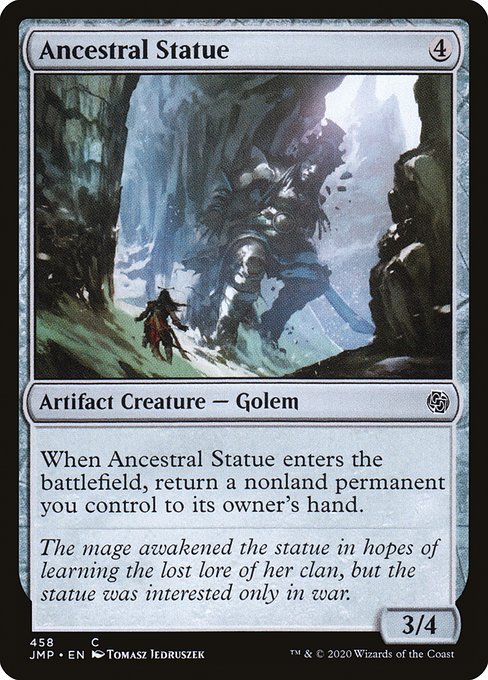
Ancestral Statue
-
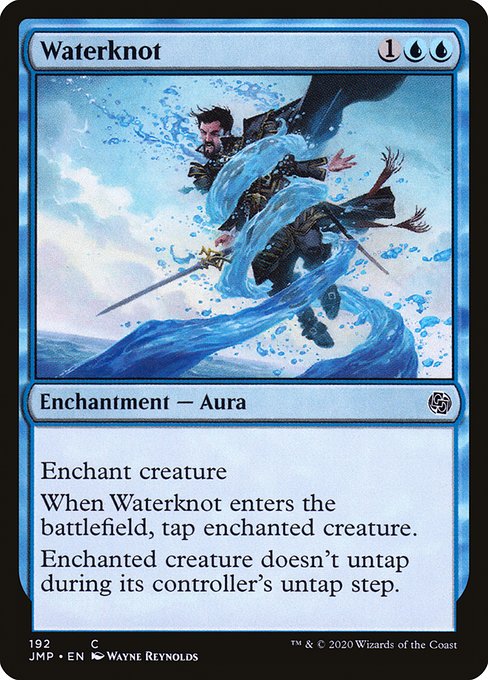
Waterknot
-
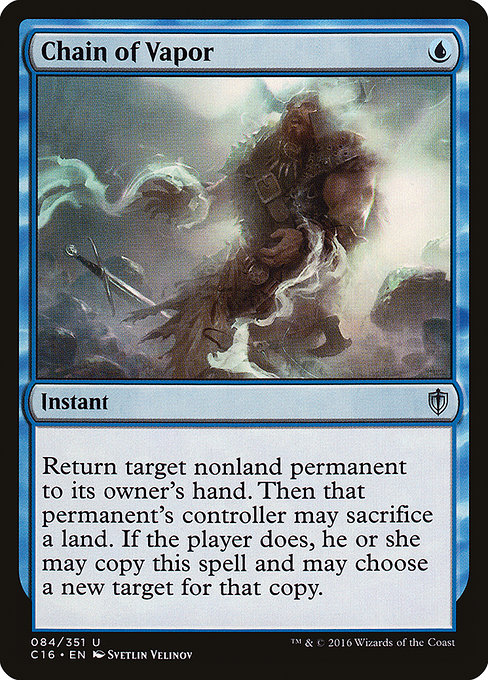
Chain of Vapor
-
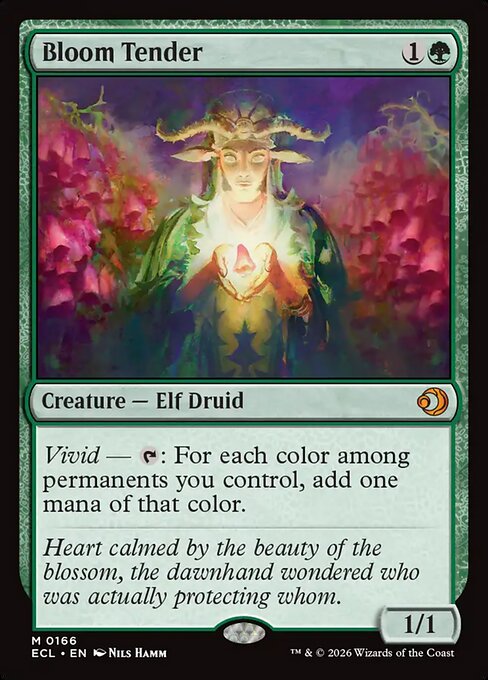
Bloom Tender
Gameplay Summary
The game began with players establishing their mana bases and early plays, including fetch lands and key mana accelerants like Bloom Tender and Lighted Halfling.
One player quickly cast Necropotence, a powerful card draw engine, placing significant pressure on opponents by drawing multiple cards at the cost of life and discards.
This forced the table into a defensive posture, wary of the card advantage and potential combos the Necropotence user could assemble.
The board saw some interaction attempts, such as casting Waterknot and Chain of Vapor, but much of the game revolved around managing the escalating threat of Necropotence and the ensuing card advantage it generated. A pivotal moment occurred when the Necropotence player started to assemble lethal damage, tallying up to 24 points of damage ready to be delivered.
Despite some attempts to respond with interaction and blocking, the table was unable to effectively halt the oncoming threat.
The game ended swiftly as the damage was resolved, highlighting the power of Necropotence combined with efficient mana acceleration and finishers like Walking Ballista and Ancestral Statue, which were referenced as key finishers for the Animar deck.
The players reflected on missed interaction opportunities, such as bouncing mana sources or better blocking strategies to prolong the game.