

Deck & Commander Strategies

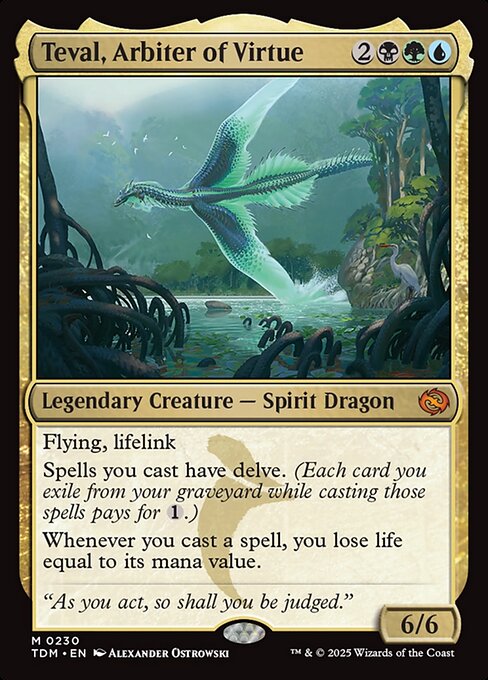
Teval, Arbiter of Virtue
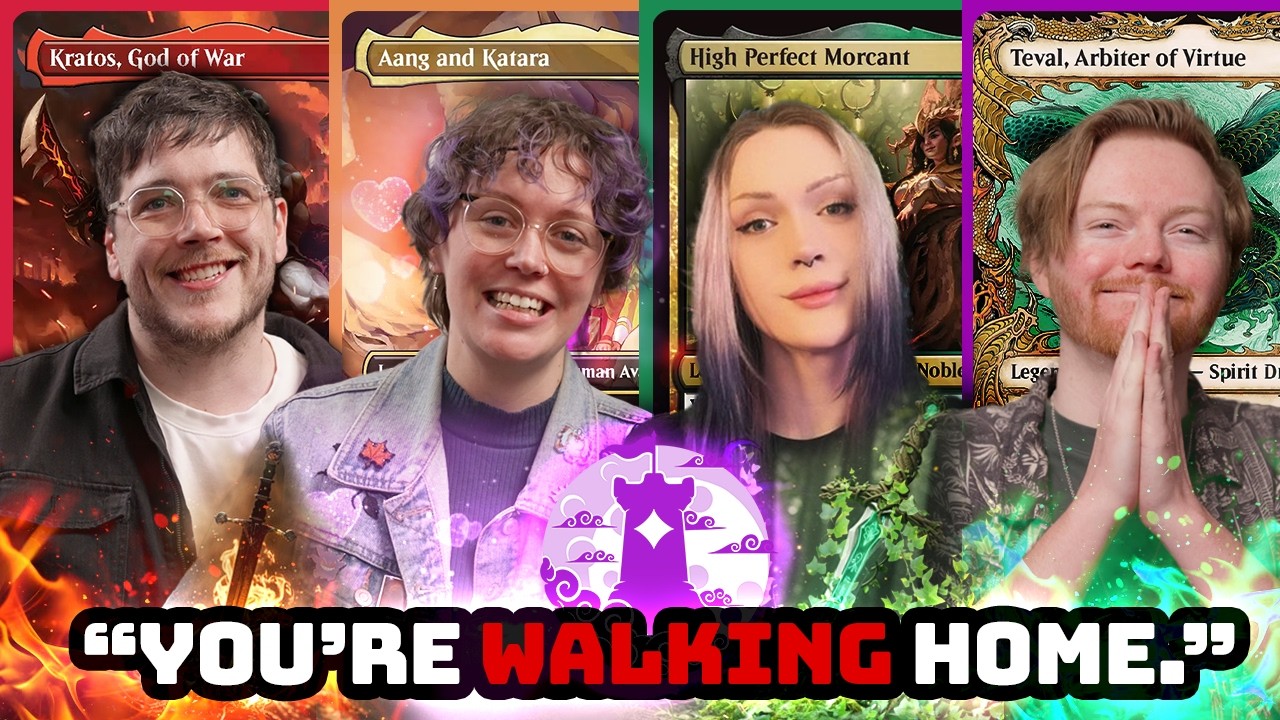
Utilizes graveyard filling and recursion to reduce the cost of spells and gain card advantage, leveraging pain and self-damage as a tradeoff for powerful plays.
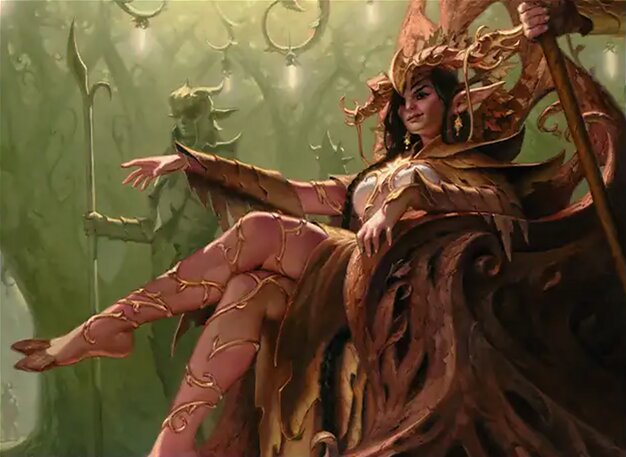
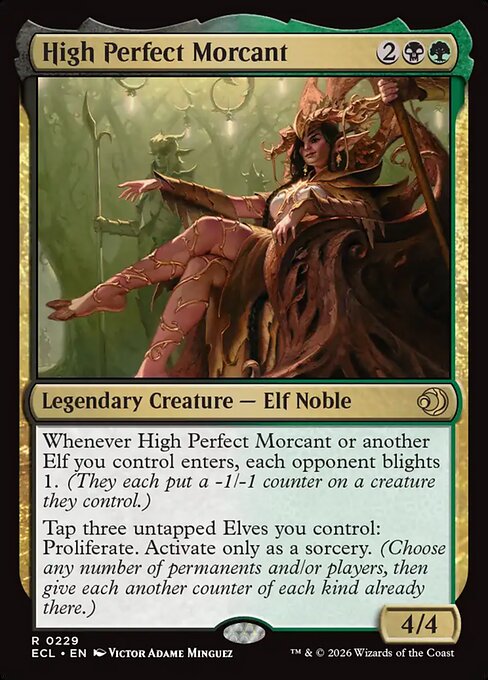
High Perfect Morcant
An elf tribal deck that ramps quickly, uses synergy to generate a large board presence, and employs graveyard interaction for combo or win conditions.

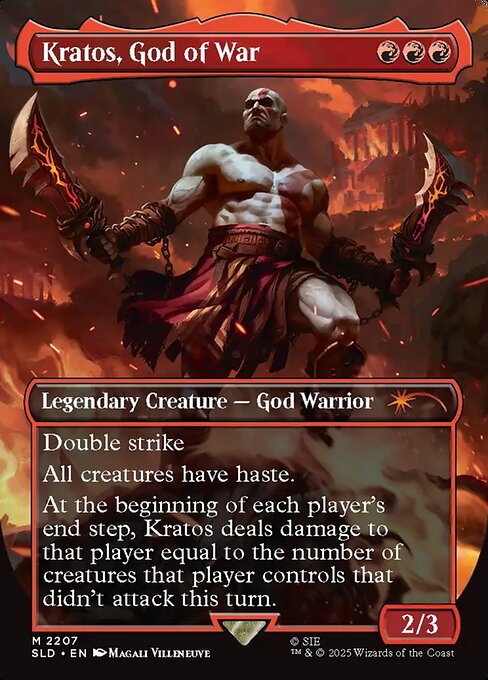
Kratos, God of War
Focuses on aggressive haste grants and ping damage to opponents, aiming to grow Kratos large and unblockable to win through commander damage quickly.

Aang and Katara
A fun, casual deck themed around the Avatar set, emphasizing staying alive and playing synergistic cards without focusing on meta or overly competitive strategies.
Gameplay Insights
- 1
The use of Mesmeric Orb early in the game dramatically accelerated graveyard filling but also led to the unintended milling of important cards, showcasing the risk and reward of self-mill strategies.
- 2
Equipping Kratos with Lightning Greaves and granting it haste allowed for safe and repeated commander damage swings, forcing opponents to keep up defensively or face quick elimination.
- 3
Players balanced aggressive damage and life total management, with Kratos's ability to deal damage to players who did not attack incentivizing active board engagement each turn.
- 4
The synergy between elf ramp and graveyard recursion in High Perfect Morcant's deck was a key engine for building board presence, but it was challenged by the fast damage pace set by Kratos.
Notable Cards
-
Kratos, God of War
-
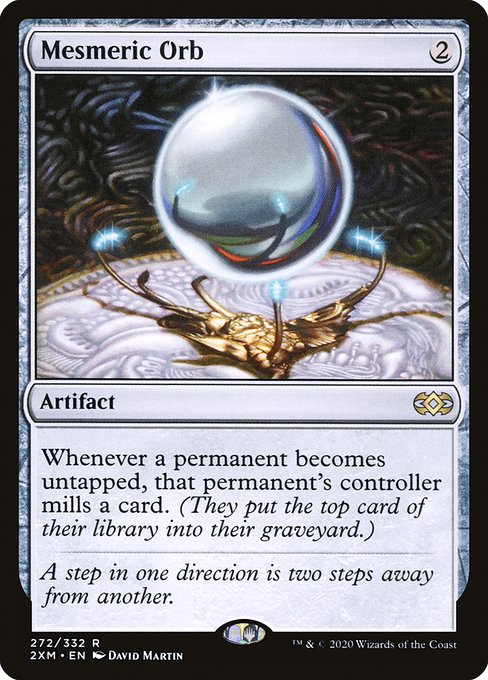
Mesmeric Orb
-

Lightning Greaves
-

Swiftfoot Boots
-

Stitcher's Supplier
-

Rogue's Passage
Gameplay Summary
The game started with players setting up their board states and early strategies, including graveyard filling and ramping.
High Perfect Morcant's elf synergy and graveyard recursion clashed with Kratos, God of War's aggressive haste and ping damage strategy.
Kratos quickly established board presence with haste and equipped protection, swinging to apply pressure while dealing incremental damage to opponents who did not attack.
Meanwhile, Teval, Arbiter of Virtue focused on building a graveyard for cost reduction and card advantage, utilizing effects like Mesmeric Orb to accelerate milling, though this also threatened to backfire by milling valuable cards. Aang and Katara's deck, themed around the Avatar release, aimed to stay in the game with fun, less competitive tactics.
As the game progressed, Messmeric Orb emerged as a pivotal card, rapidly accelerating graveyard interactions but also disrupting some players’ plans by milling key cards early.
The board state evolved with multiple players employing equipment and ramp, but Kratos’s aggressive approach and haste enabled consistent damage output.
The dynamic between graveyard recursion and aggressive damage led to tension, with players balancing life totals and resources.
Key moments included the deployment of Kratos with double strike and shroud, enabling significant commander damage swings and forcing opponents to respond quickly or face elimination.


![Mono Color Madness | Herumkommandiert #21 | EDH [Deutsch] thumbnail](https://i.ytimg.com/vi/CRQPe4c2oXY/sddefault.jpg)


![Svenja ist zurück! | Herumkommandiert #24 | EDH [Deutsch] thumbnail](https://i.ytimg.com/vi/etaxdOp98Is/sddefault.jpg)


