

Deck & Commander Strategies
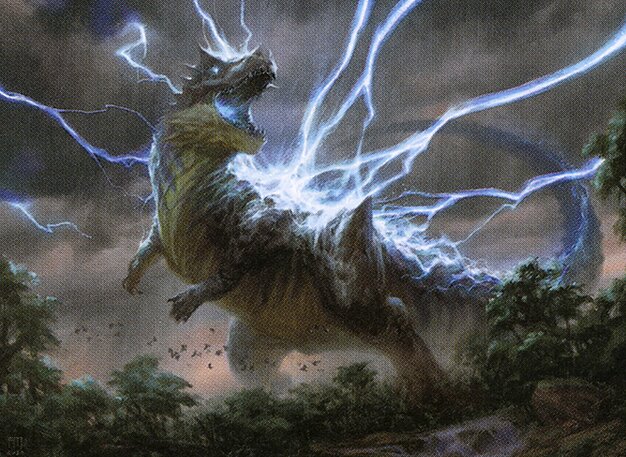
Thrasta, Tempest's Roar
An elf ball deck that generates massive mana through numerous elf creatures, enabling Thrasta to be cast quickly and repeatedly to trample through opponents while maintaining hexproof and haste for aggressive attacks.
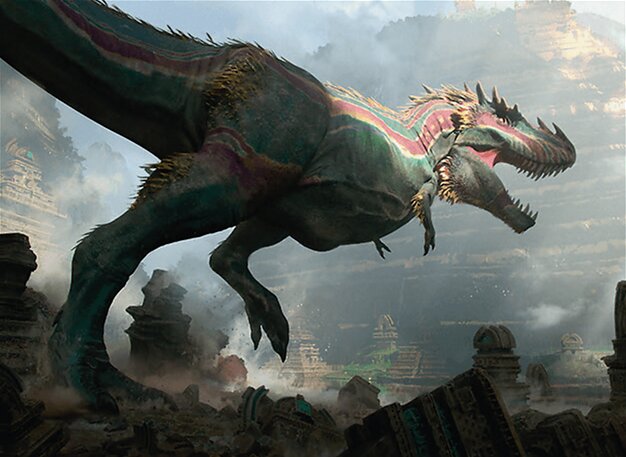
Ghalta, Primal Hunger
Ramp-heavy deck focused on deploying Ghalta as a massive threat that can overpower other commanders and creatures by leveraging large creatures and spells to reduce Ghalta's cost and smash opponents.
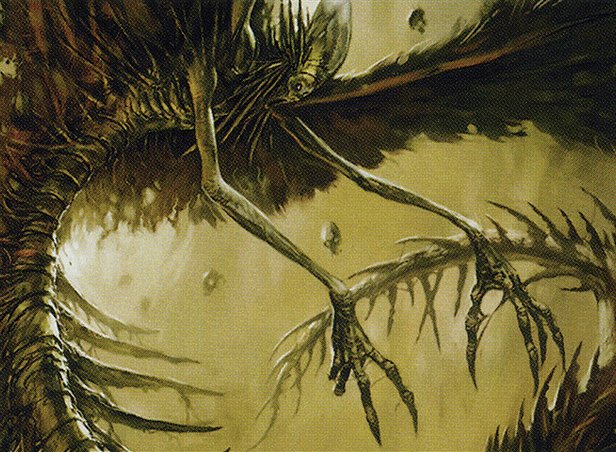
Iname as One
Graveyard-centric deck using self-mill to fill the graveyard and cheat spirit creatures into play from the library, gaining incremental value and board presence through the commander’s unique ability to cast from hand.

Emrakul, the World Anew
Colorless Eldrazi deck emphasizing consistent mana production and control elements, using the Eldrazi menace to generate card advantage and control the board while deploying powerful, large creatures.
Gameplay Insights
- 1
Destroying Howling Mine early with Reclamation Sage slowed down opponents' card draw, giving the elf player greater control over the pace of the game.
- 2
Leveraging storm count reduction allowed Thrasta to be cast much earlier than its mana cost suggested, providing a critical tempo swing.
- 3
The elf deck's synergy with mana dorks and token generation enabled explosive mana production to cast high-cost threats ahead of schedule.
- 4
The Eldrazi deck's reliance on colorless mana and ramping allowed for a consistent mana base but risked limited interaction options.
- 5
Iname's strategy of cheating spirits into play from the library required careful hand and graveyard management to maximize value efficiently.
Notable Cards
-
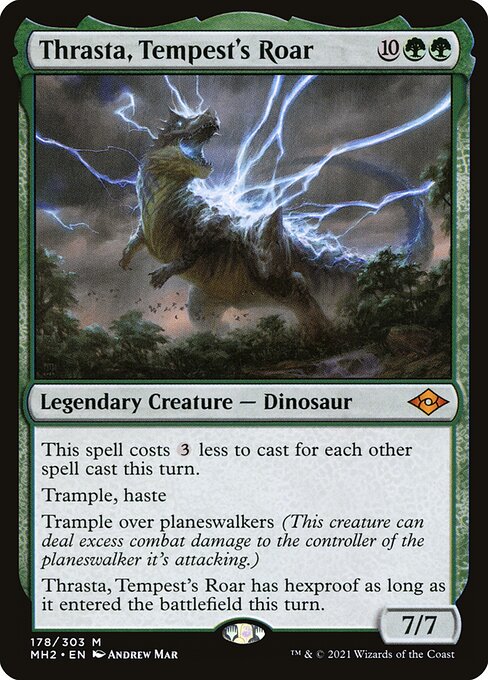
Thrasta, Tempest's Roar
-
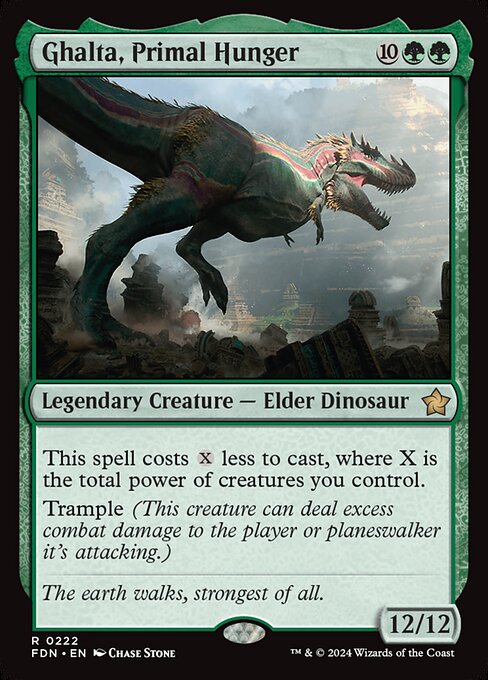
Ghalta, Primal Hunger
-
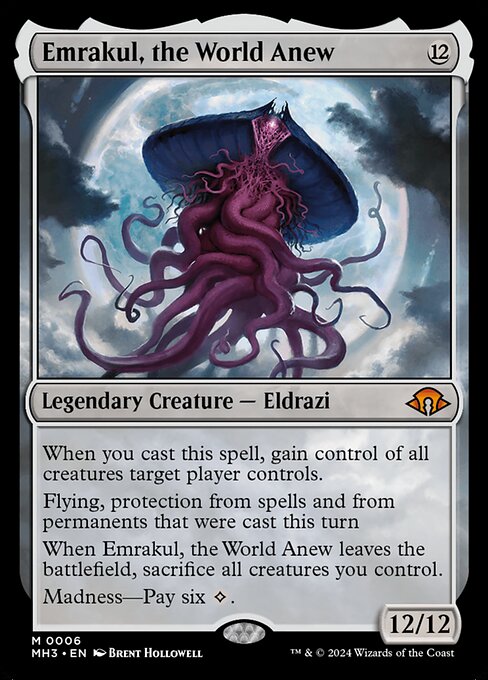
Emrakul, the World Anew
-
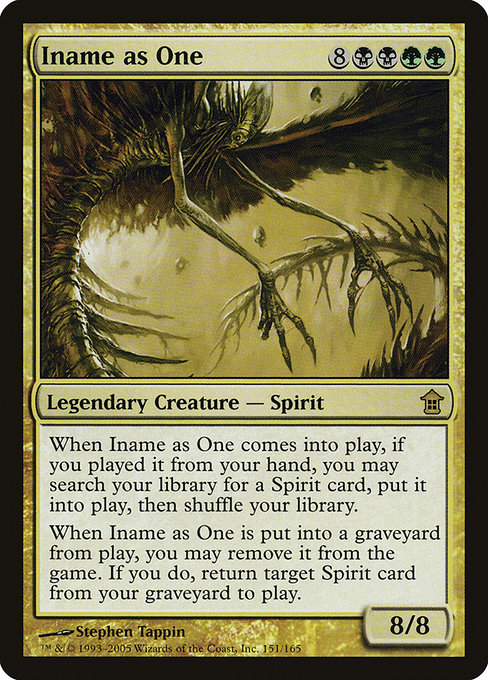
Iname as One
-
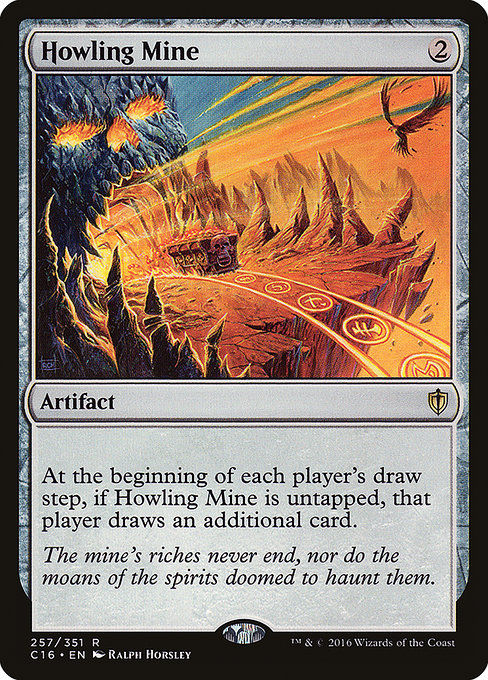
Howling Mine
-
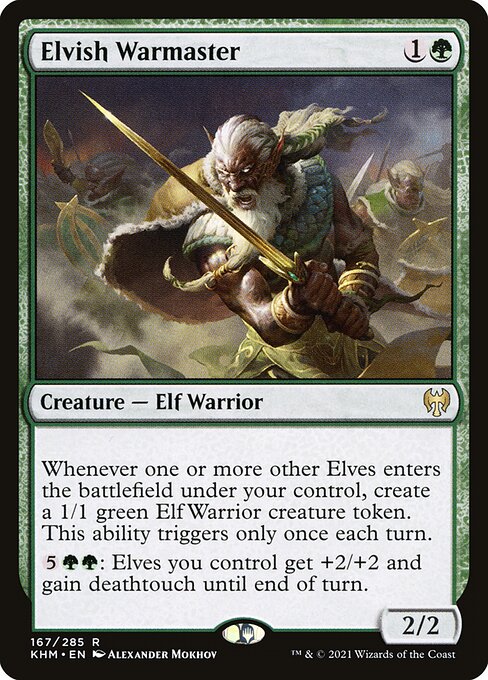
Elvish Warmaster
-
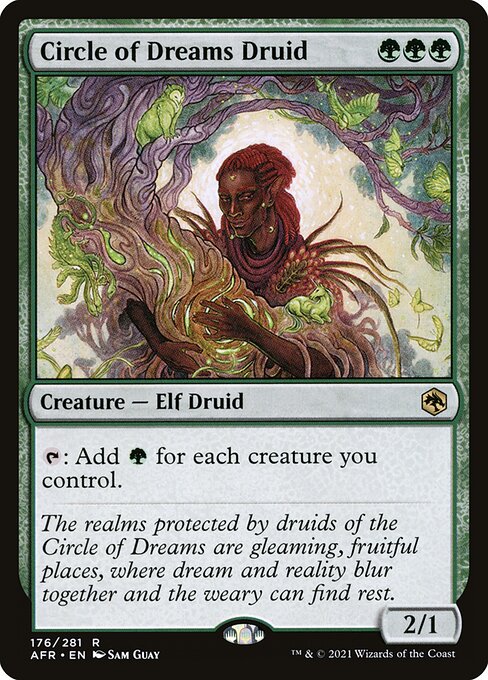
Circle of Dreams Druid
-
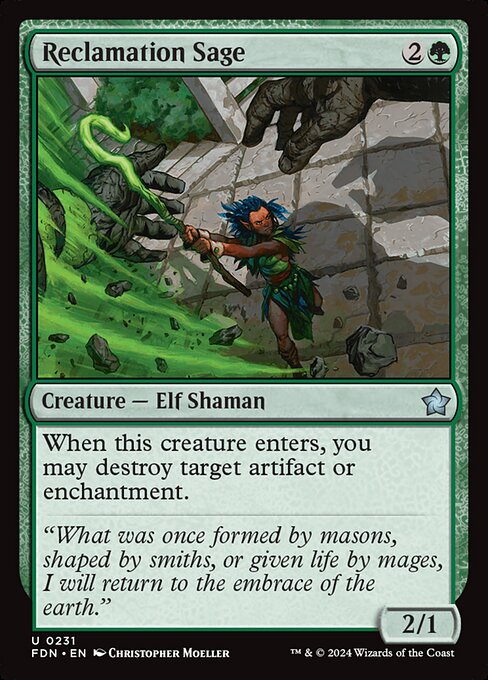
Reclamation Sage
-

Mosswort Bridge
Gameplay Summary
The game featured four high-cost commanders, each aiming to leverage their unique strengths to dominate the board.
Early on, the players set up their mana bases and ramped aggressively, with the elf deck quickly establishing its presence through multiple Elvish mana dorks and token generation.
This allowed Thrasta, Tempest's Roar to be cast unexpectedly quickly, hitting the board with haste and trampling over opponents, signaling a strong early tempo advantage.
Meanwhile, Ghalta, Primal Hunger aimed to outsize the other 12 CMC commanders by ramping into huge creatures and smashing through defenses.
The Eldrazi commander Emrakul, the World Anew, focused on colorless mana and controlling the board with powerful Eldrazi creatures and card advantage, while Iname as One sought to exploit graveyard synergies, milling and cheating spirits into play for incremental value.
A pivotal moment came when the elf player used Reclamation Sage to destroy the Howling Mine, limiting opponents' card draw and maintaining the board lead.
Thrasta’s early aggression put pressure on the table, forcing reactive plays from others.
The game evolved into a race between explosive mana acceleration and board control, with each commander leveraging their strengths to try to secure the win.





![Tiamat Control vs. Thrasta Combo [Duel Commander-EDH] - Magic: The Gathering thumbnail](https://i.ytimg.com/vi/ucI9HGAtjhI/sddefault.jpg)


