

Deck & Commander Strategies

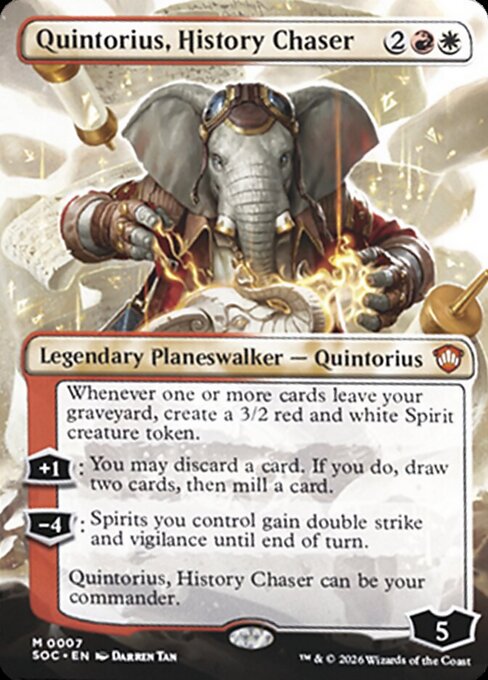
Quintorius, History Chaser
A control and value-based deck that uses card draw, selective removal, and recursion to manage the board while gradually gaining advantage. It stabilizes the game by disrupting opponents' key threats and leveraging efficient creatures to close out the game.

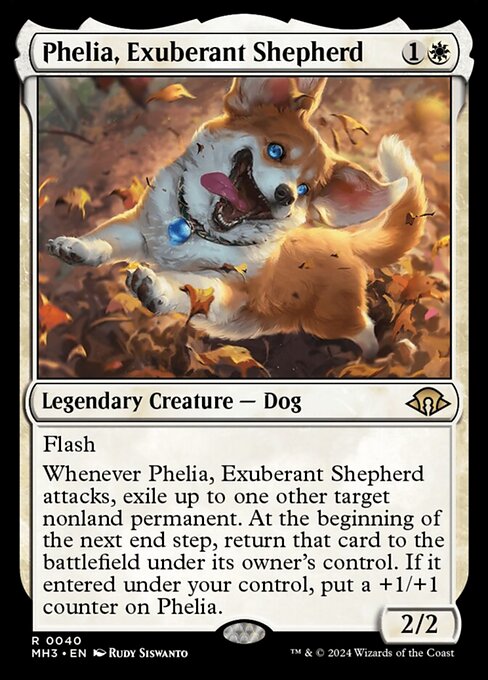
Phelia, Exuberant Shepherd
A midrange go-wide deck that generates value through flickering creatures and producing tokens. It aims to grow creatures steadily while applying pressure through multiple bodies and resilience from creatures returning to the battlefield.
Gameplay Insights
- 1
Casting Cataclysm at a critical juncture effectively stalled Phelia’s board development by forcing a reset, buying the control player time to stabilize.
- 2
Repeated flicker interactions on Phelia's creatures allowed incremental growth and token generation, keeping pressure on the control player.
- 3
Quintorius's use of selective removal such as Solitude to exile key creatures disrupted Phelia’s tempo and value engine.
- 4
Managing graveyard interactions carefully, including targeting specific cards like Forge Tender, helped mitigate Phelia’s recursion and synergy.
- 5
The control player prioritized card advantage and board control over aggressive damage, shaping the game toward a late-game win condition.
Notable Cards
-
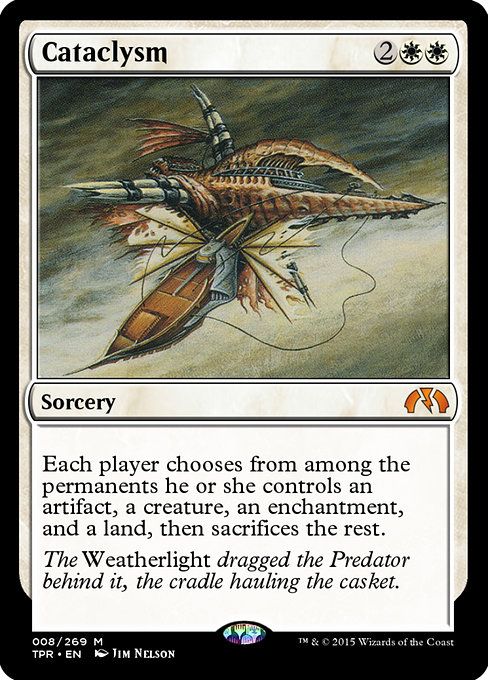
Cataclysm
-
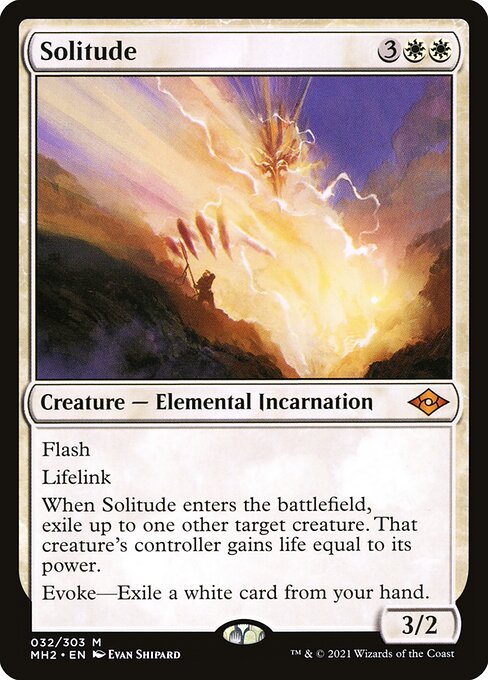
Solitude
-
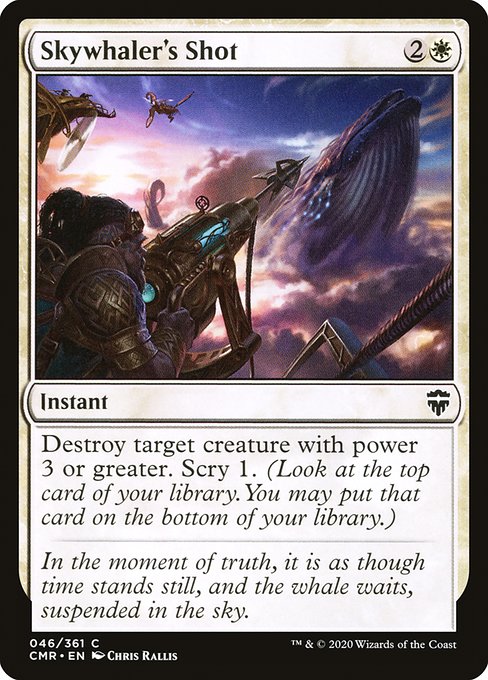
Skywhaler's Shot
-
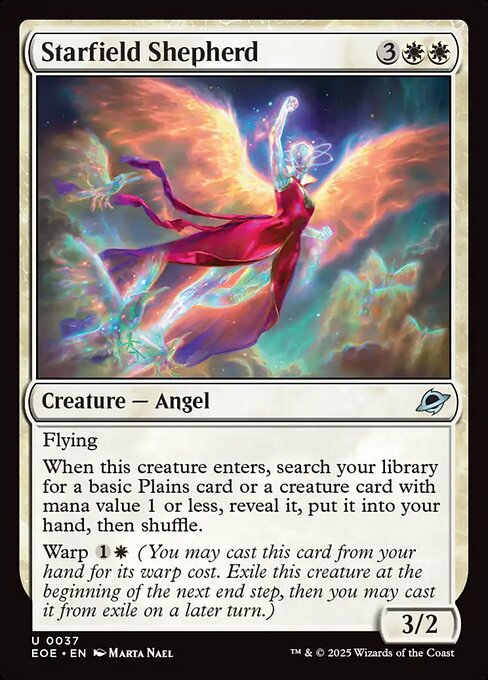
Starfield Shepherd
-
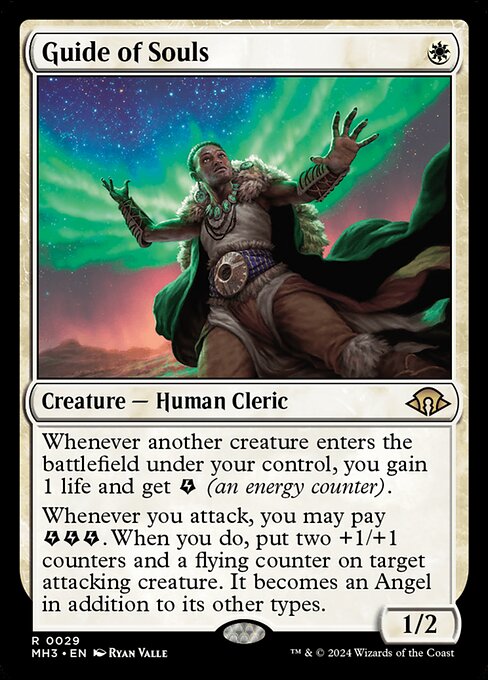
Guide of Souls
-

Currency Converter
Gameplay Summary
The game featured a midrange matchup between a control-oriented Quintorius, History Chaser deck and a go-wide, value-focused Phelia, Exuberant Shepherd deck.
Early turns saw both players establishing their mana bases and developing board presence, with the Phelia deck making use of flicker effects to grow their creatures and generate tokens.
Quintorius leveraged card advantage and removal spells such as Solitude to keep Phelia's threats in check, while also deploying key creatures like Optic Elephant to pressure the board.
A pivotal moment came when Quintorius cast Cataclysm, disrupting Phelia's board and graveyard synergies, which helped buy crucial time.
Despite attempts by Phelia to rebuild with token generation and flickering, the control deck's ability to consistently remove threats and generate card advantage eventually led to stabilizing the board and winning the game.
The match progressed into a second game where similar themes of resource management and strategic removal continued.


