
Deck & Commander Strategies

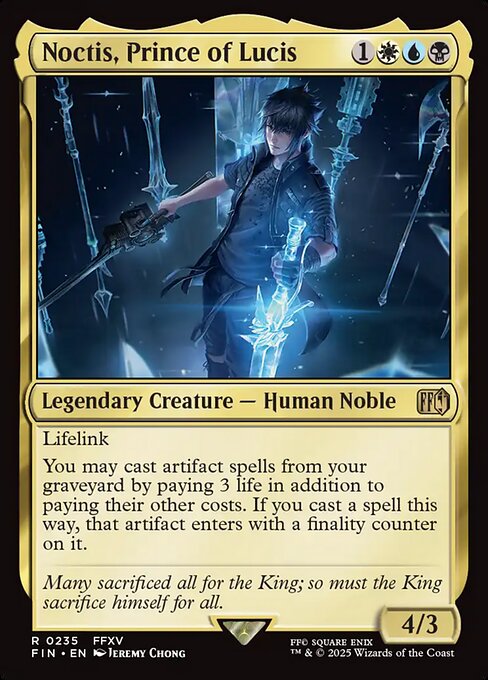
Noctis, Prince of Lucis
Artifact disruption and control using extort and taxing effects to drain opponents' life and maintain board control through artifact hate.
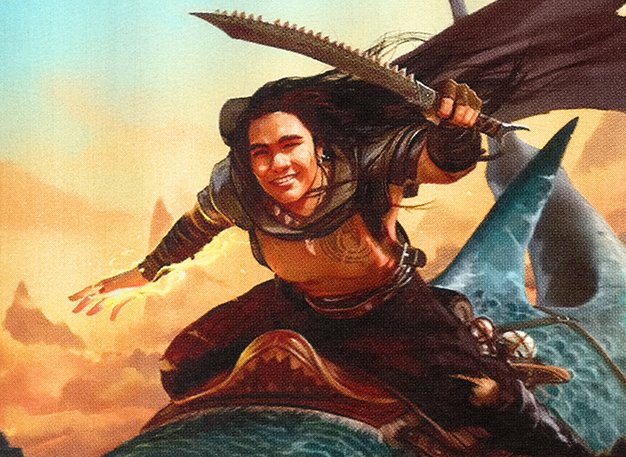

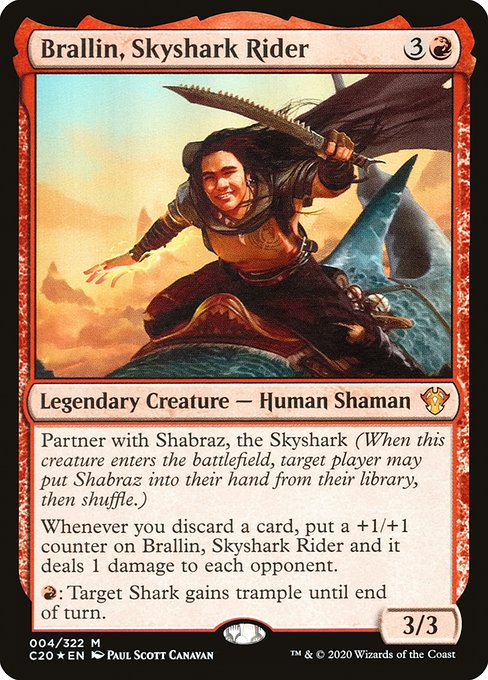
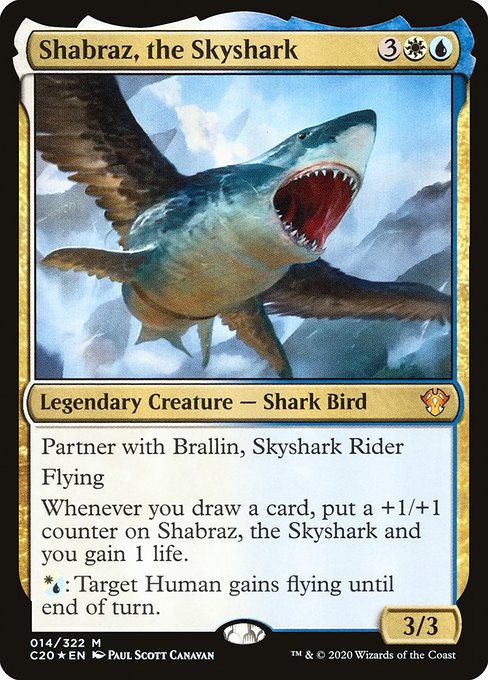
Brallin, Skyshark Rider / Shabraz, the Skyshark
Aggressive tempo and flying threats combined with artifact synergies to pressure opponents early and leverage evasive damage.
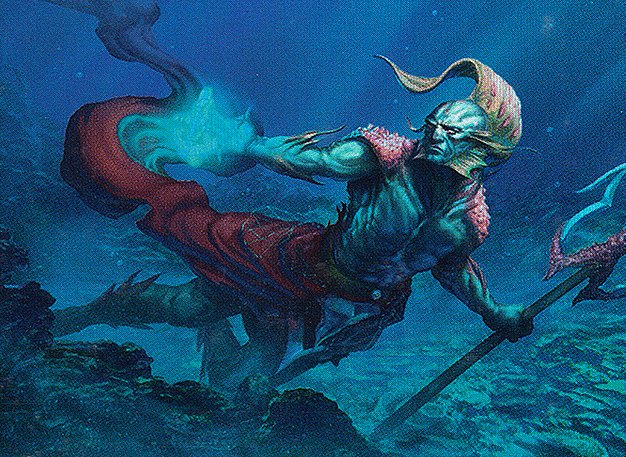

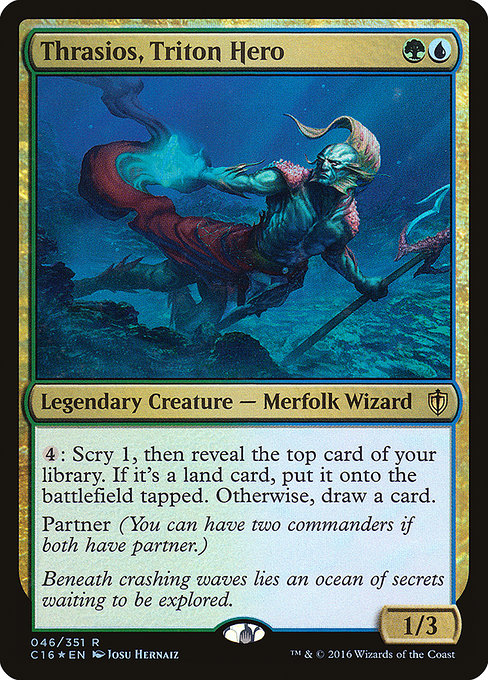
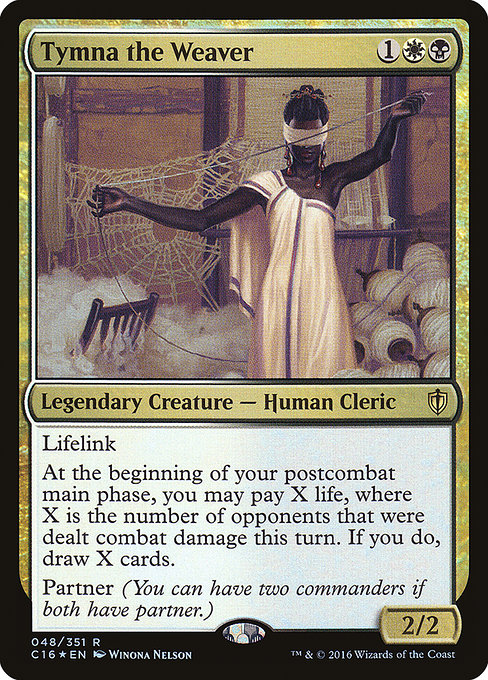
Thrasios, Triton Hero / Tymna the Weaver
Card advantage and incremental value through draw and life loss triggers, developing a resilient board presence with synergistic creatures like toads.
-
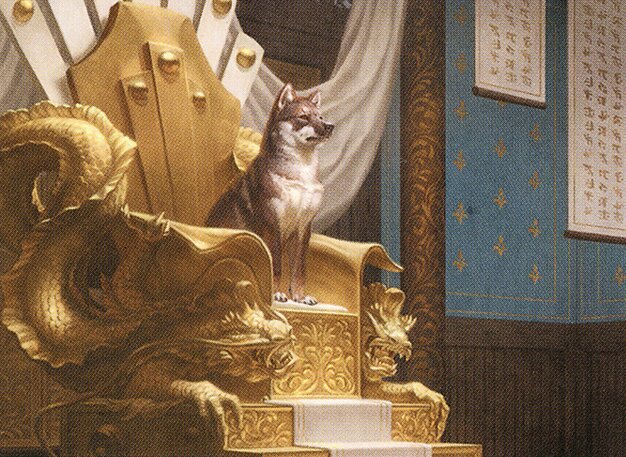
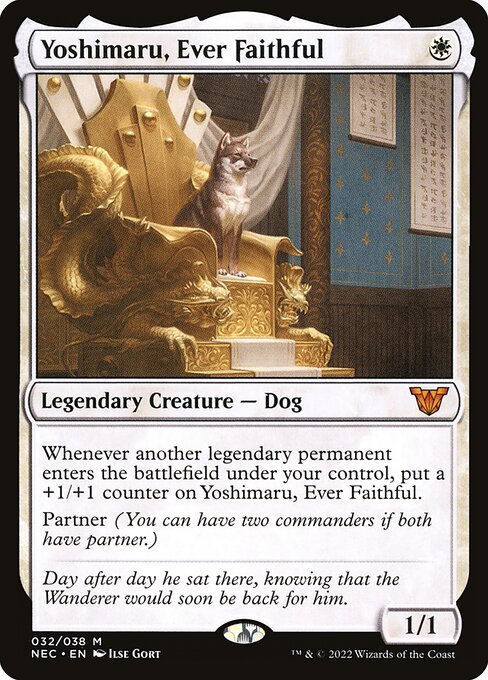
Yoshimaru, Ever Faithful / Thrasios, Triton Hero
Spell-slinging and synergy with efficient creatures and spells to maintain pressure and generate value while ramping to powerful plays.
Gameplay Insights
- 1
Players used extort triggers strategically to slowly drain opponents' life totals while gaining incremental advantage.
- 2
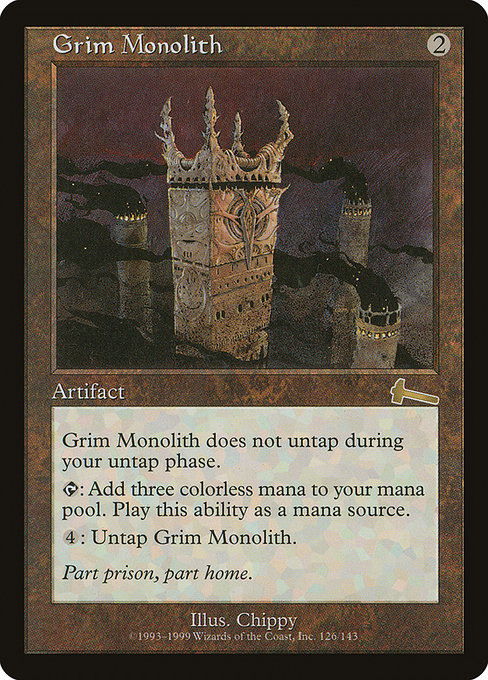
The early play of Grim Monolith indicated a significant ramp and potential for explosive turns ahead.
- 3
Fairy Mastermind provided valuable card draw triggers during opponents' draws, helping maintain hand size and options.
- 4
Players carefully navigated combat, choosing minimal damage exchanges to preserve life totals and avoid opening opportunities for bigger plays.
- 5
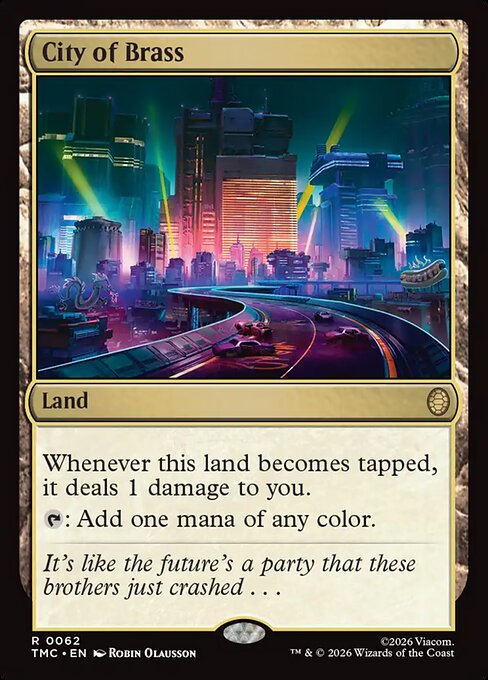
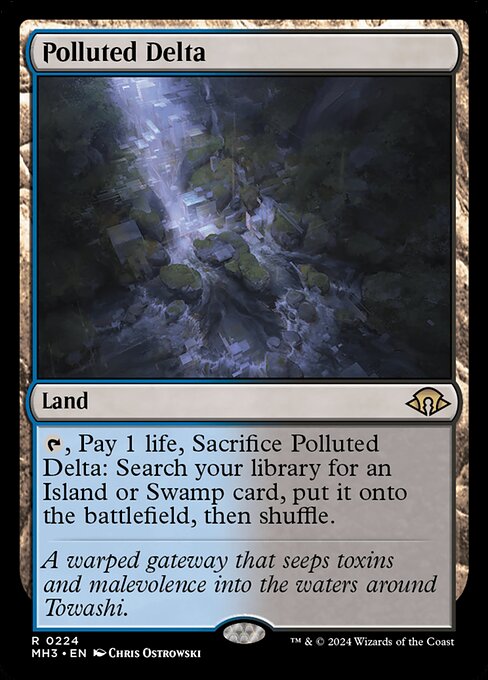
Mana bases were optimized with fetch lands and dual lands to enable casting of key spells on curve and maintaining color flexibility.
- 6
Noctis's artifact hate via Blind Obedience helped control the board state, restricting opponents’ artifact and creature interactions.
Notable Cards
-
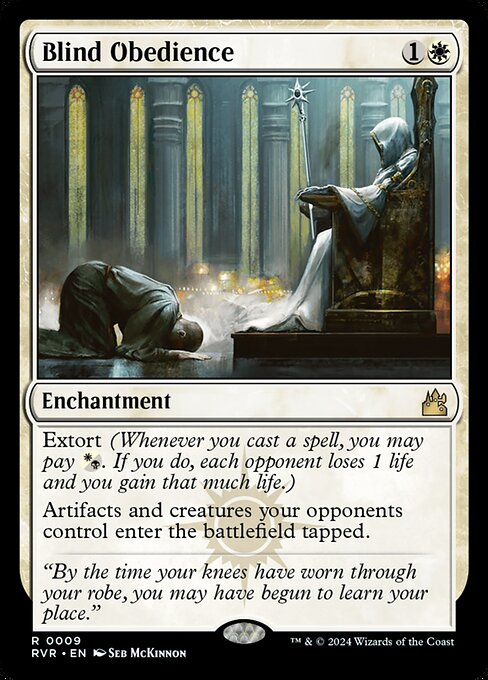
Blind Obedience
-
Grim Monolith
-
Delighted Halfling
-
City of Brass
-
Polluted Delta
-
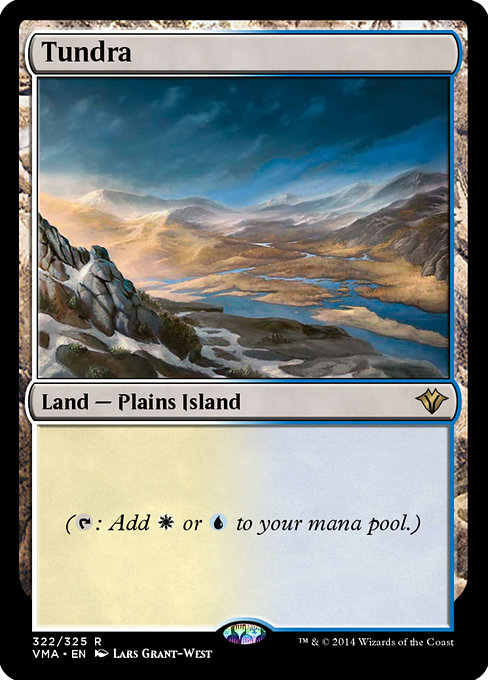
Tundra
-
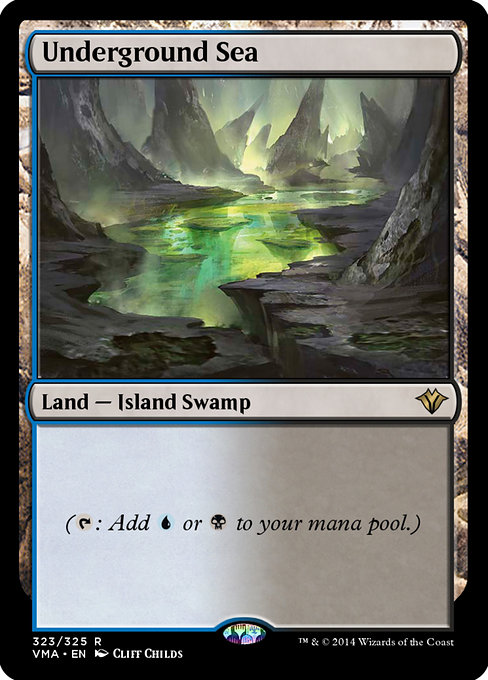
Underground Sea
Gameplay Summary
The game started with players developing their mana bases and deploying early threats such as Noctis setting up artifact synergies and the others casting efficient commanders like Thrasios and Timna, and Yoshimaru.
Early turns featured cautious plays with small combat interactions and incremental advantage through card draw and mana acceleration.
Key pieces like Blind Obedience and Fairy Mastermind began to influence the board state, providing control and card draw triggers that kept pace with the fast cEDH environment.
As the game progressed, players started setting up their core strategies: Noctis focusing on artifact disruption and extort effects, Thrasios/Tymna building card advantage and board presence with toads and interactive creatures, and Yoshimaru leveraging synergy with additional spells and creatures.
There was a notable moment when a Grim Monolith was played, signaling a ramp spike and potential combo setup.
Players exchanged combat damage carefully, and extort triggers drained life totals slowly while they developed their hands and boards.
The game maintained a tense balance with players holding back from overcommitting while preparing for critical plays that could shift the tide.