

Deck & Commander Strategies
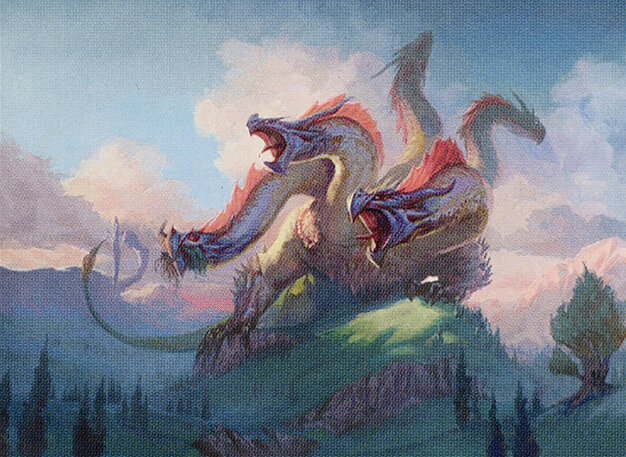
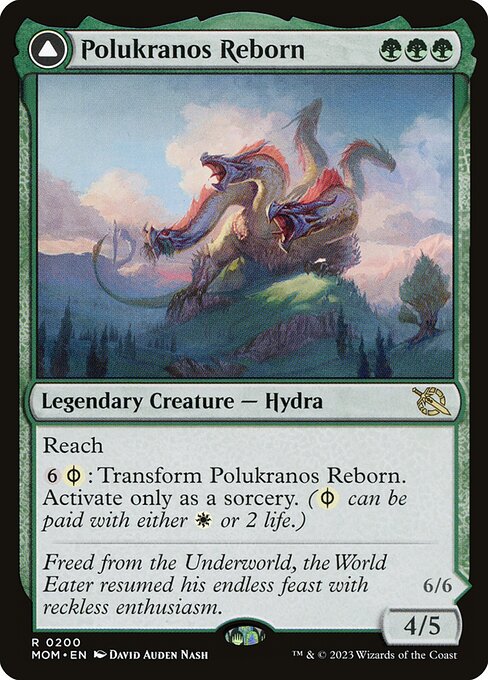
Polukranos Reborn
Utilizes hydras that die and return with counters, creating a growing army that can overwhelm opponents through repeated creature recursion and board presence.
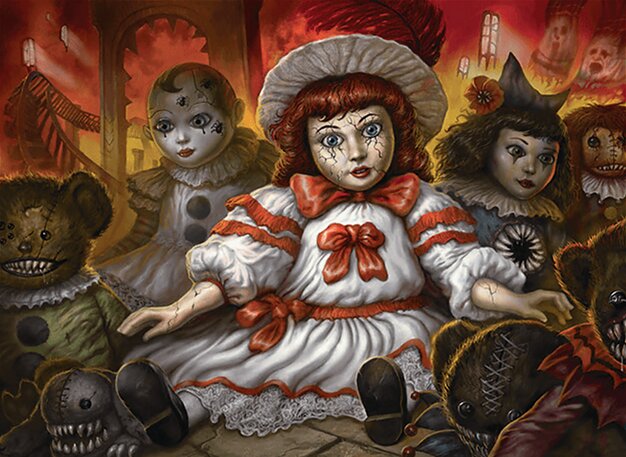
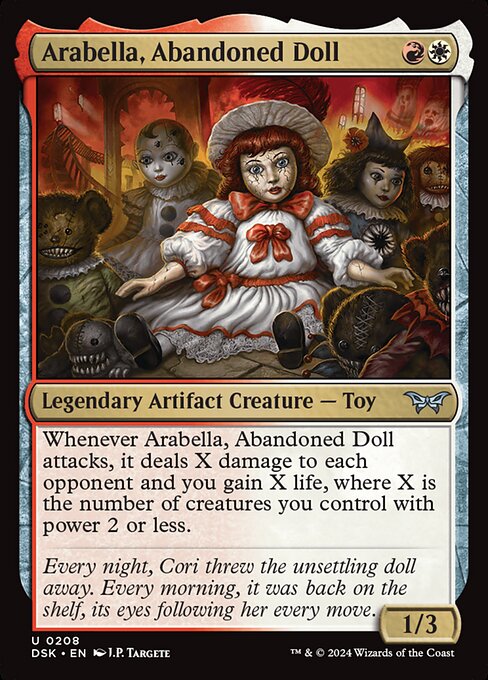
Arabella, Abandoned Doll
Focuses on swarming the board with small creatures, leveraging aggressive combat and life gain triggers to maintain pressure and durability.
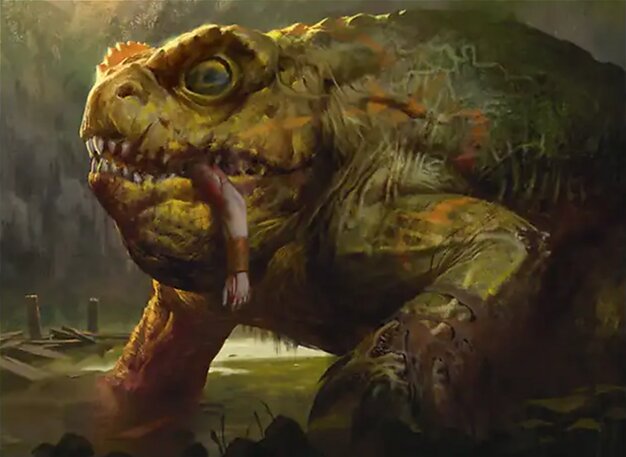
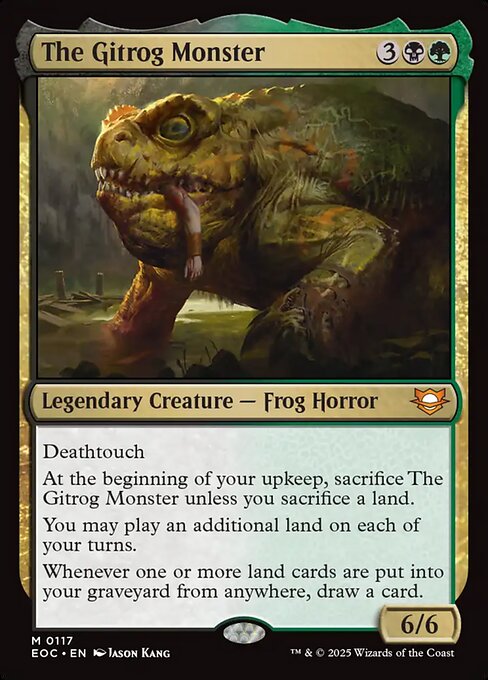
The Gitrog Monster
Leverages land sacrifice and graveyard synergies to generate card advantage and value, aiming to control the board with resource manipulation.

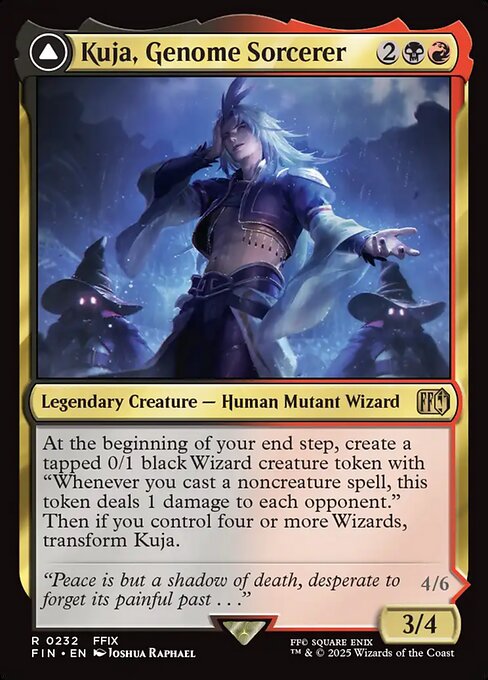
Kuja, Genome Sorcerer
Builds a wizard tribal deck that generates tokens through casting non-creature spells and triggers, flipping to a powerful form that can clear the board or deal significant damage.
Gameplay Insights
- 1
The Polukranos deck's ability to cast hydras for zero mana and repeatedly trigger Polukranos's reanimation effect provided a continuous threat that was difficult for opponents to handle.
- 2
Arabella's aggressive strategy paired with life gain created a resilient board state that forced opponents to reconsider attacks and blocks carefully.
- 3
The Gitrog Monster player's shift away from red cards to focus purely on Golgari lands and graveyard synergy streamlined the deck's consistency in generating value.
- 4
Kuja’s wizard tribal synergy with non-creature spells allowed for explosive turns once enough wizards were on the battlefield, making the deck a potential game-ender if unchallenged.
- 5
Early mana base development and sequencing were critical, as evidenced by players carefully choosing their land plays and morph creatures to maximize board development.
- 6
The presence of multiple layering effects and counters required players to pay close attention to the stack and timing for optimal combat and spell resolution.
Notable Cards
-
Polukranos Reborn // Polukranos, Engine of Ruin
-
Arabella, Abandoned Doll
-
The Gitrog Monster
-
Kuja, Genome Sorcerer // Trance Kuja, Fate Defied
-
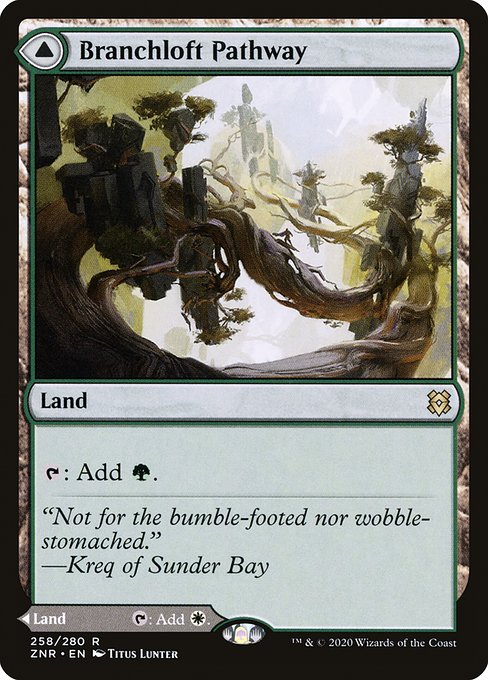
Branchloft Pathway // Boulderloft Pathway
-
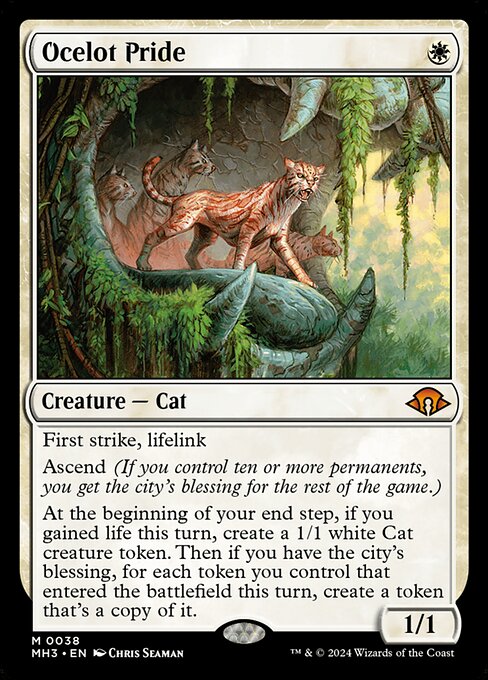
Ocelot Pride
Gameplay Summary
The game began with a typical ramp and board development phase, with players establishing their mana bases and deploying early creatures.
Polukranos Reborn's player focused on assembling a board state filled with hydras, leveraging the commander's ability to reanimate hydras repeatedly, creating a resilient and growing army.
Arabella, Abandoned Doll's player aimed to flood the board with small creatures and apply pressure through aggressive attacks, while also seeking to protect the commander to maximize its life gain and combat triggers.
The Gitrog Monster deck concentrated on land interactions and graveyard synergies, aiming to capitalize on sacrifice and card draw engines, while Kuja, Genome Sorcerer built a wizard tribal theme that capitalized on casting multiple non-creature spells to trigger token generation and eventual board control through a flip transformation.





![Descend into Damage💥 | Herumkommandiert #14 | EDH Commander [Deutsch] thumbnail](https://i.ytimg.com/vi/l8nlvGQG1Xs/sddefault.jpg)


![Commander VS S3E1: Olivia vs Gitrog vs Odric vs Sigarda [MtG: Multiplayer] thumbnail](https://i.ytimg.com/vi/IeIh3dkob-Y/sddefault.jpg)


