
Deck & Commander Strategies
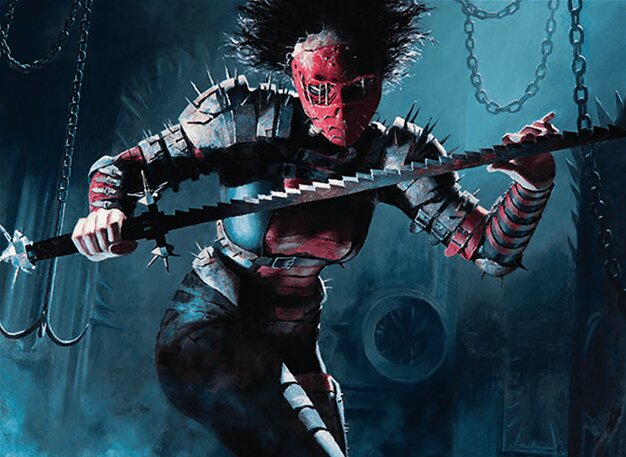
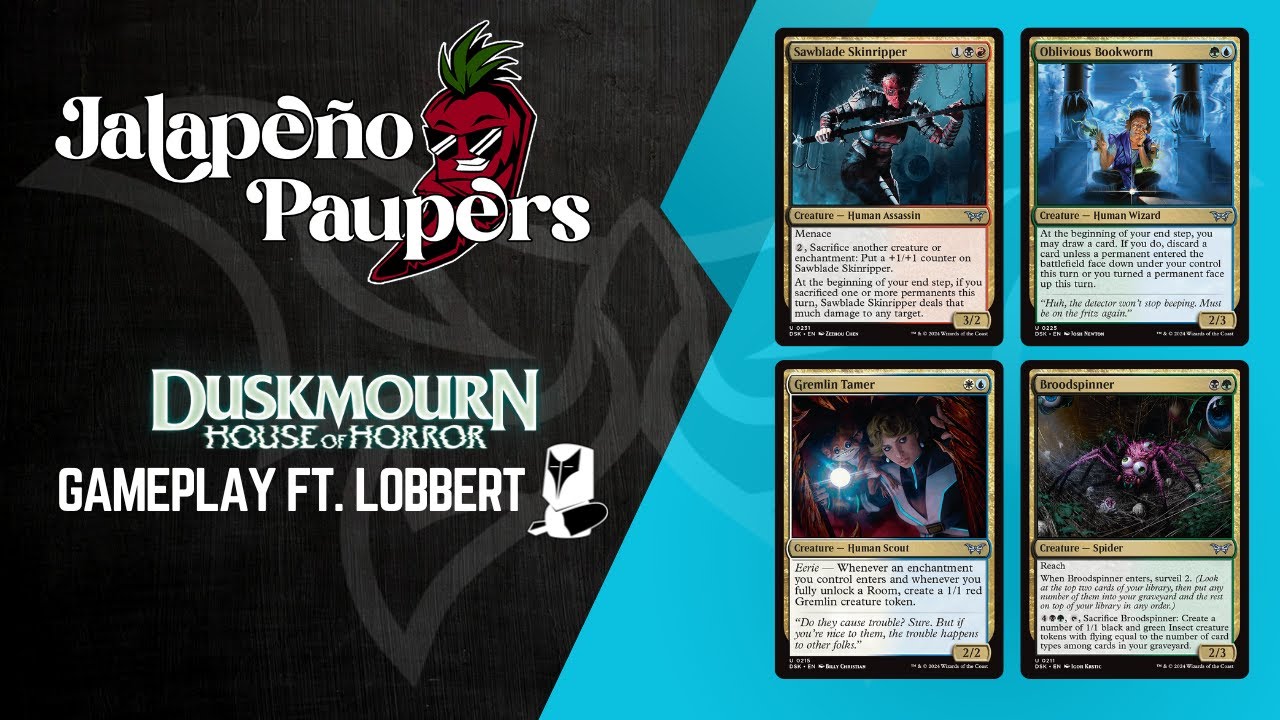
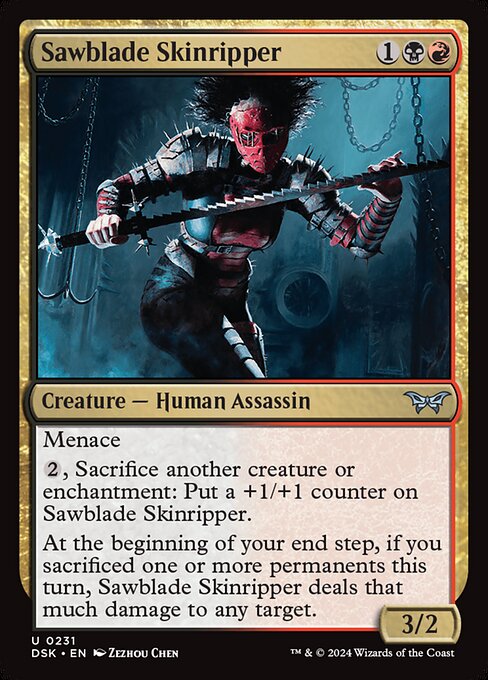
Sawblade Skinripper
Sacrifice creatures and enchantments to grow Sawblade Skinripper and deal direct damage to opponents and creatures, combining Aristocrat-style value and removal with menace evasion.
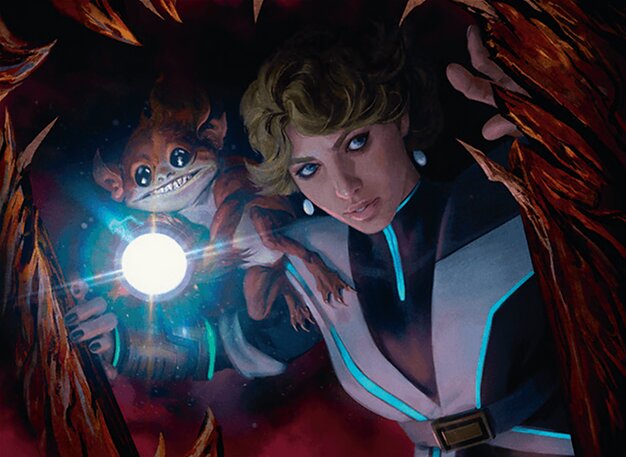
Gremlin Tamer
Generate a swarm of Gremlin tokens triggered by enchantments and unlocking rooms, aiming to overwhelm opponents with numbers and incremental buffs from enchantment synergies.
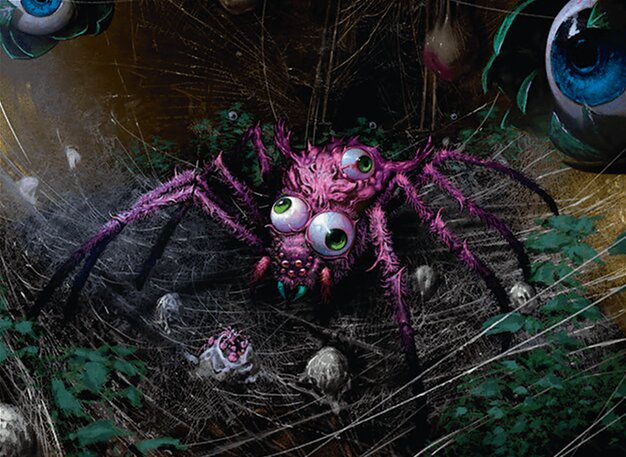
Broodspinner
Use graveyard delirium to produce flying insect tokens based on card types in the graveyard, building a wide and evasive board presence with recursion and token generation.
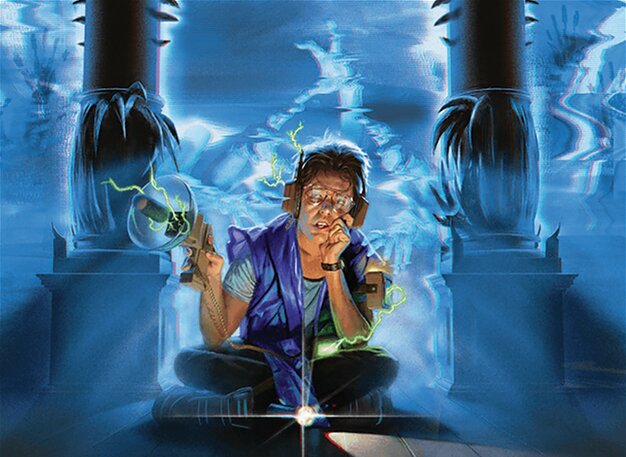
Oblivious Bookworm
Leverage morph and manifest mechanics to draw cards while keeping creatures face down, enabling tactical surprise blocks and attacks while maintaining card advantage.
Gameplay Insights
- 1
Sawblade Skinripper’s ability to sacrifice permanents each turn provided consistent incremental damage and removal, pressuring opponents to maintain board control.
- 2
Gremlin Tamer’s token generation triggered by enchantment plays and unlocking rooms created a growing army that needed immediate answers from opponents.
- 3
Broodspinner’s strategy of surveilling and filling the graveyard with diverse card types to maximize token output demonstrated the value of graveyard synergies in PDH.
- 4
Oblivious Bookworm’s morphing mechanic was key to maintaining card advantage and tactical flexibility, allowing surprise blocks and reducing discard penalties.
- 5
The interplay of enchantment triggers from multiple decks (e.g., Erratic Apparition, Gremlin Tamer) led to significant board state swings and growth of threats.
- 6
Using enchantment-based removal and disruption like Hopeless Nightmare helped Sawblade Skinripper stifle opponents’ resources while advancing its own board state.
Notable Cards
-
Sawblade Skinripper
-
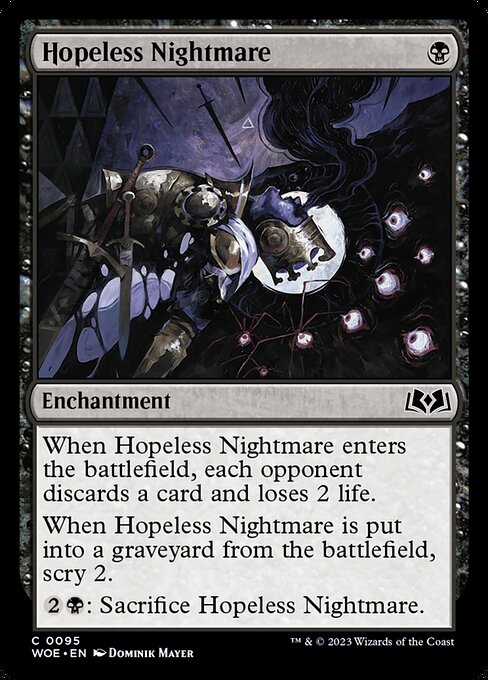
Hopeless Nightmare
-
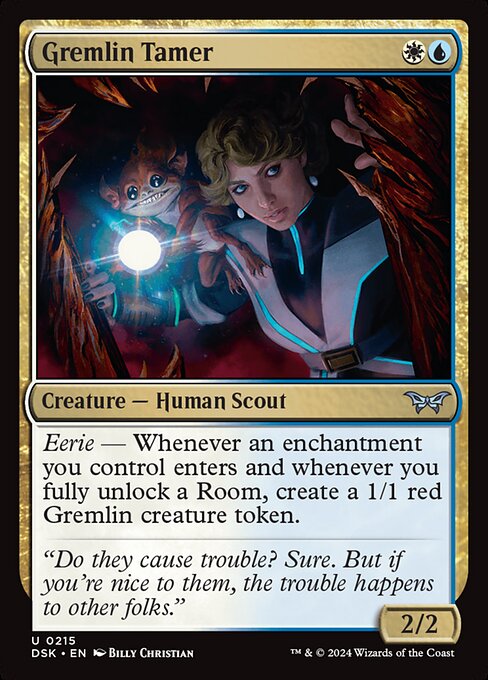
Gremlin Tamer
-
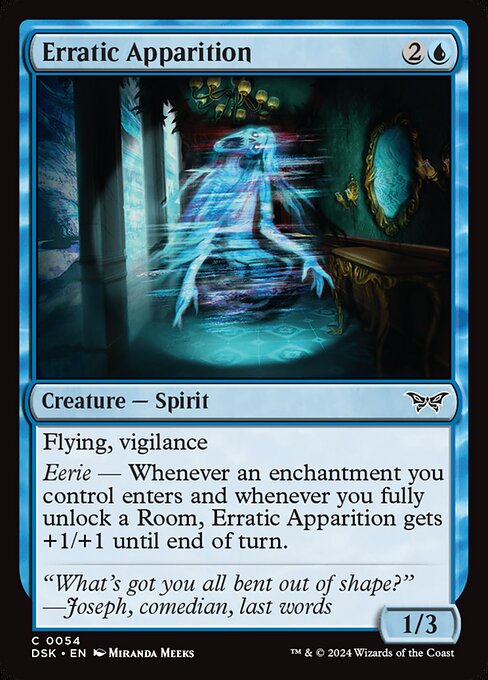
Erratic Apparition
-
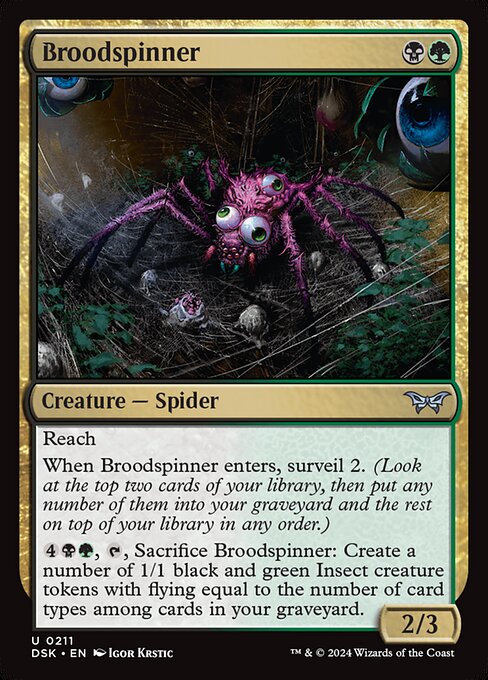
Broodspinner
-
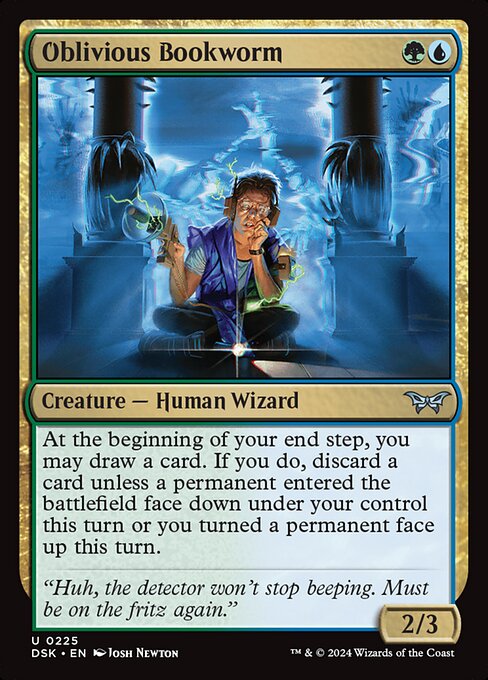
Oblivious Bookworm
-
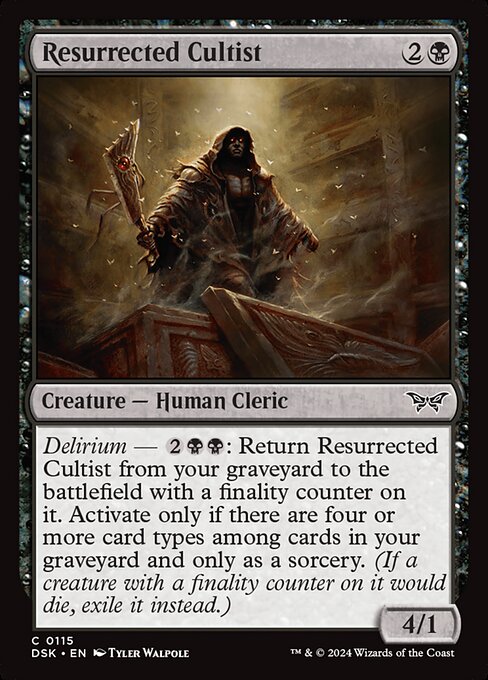
Resurrected Cultist
-
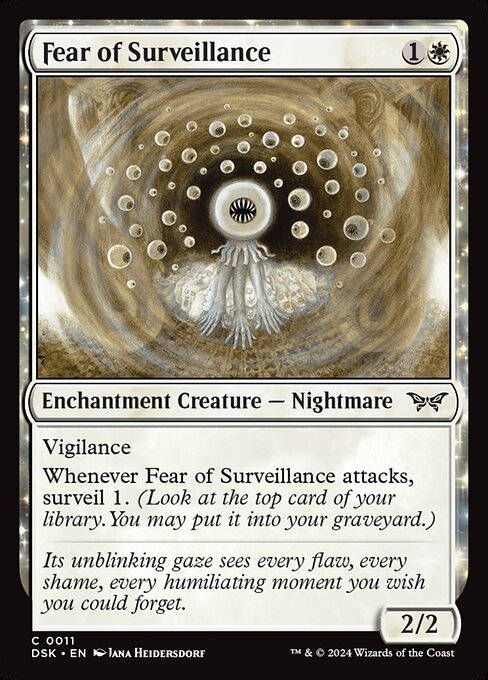
Fear of Surveillance
-
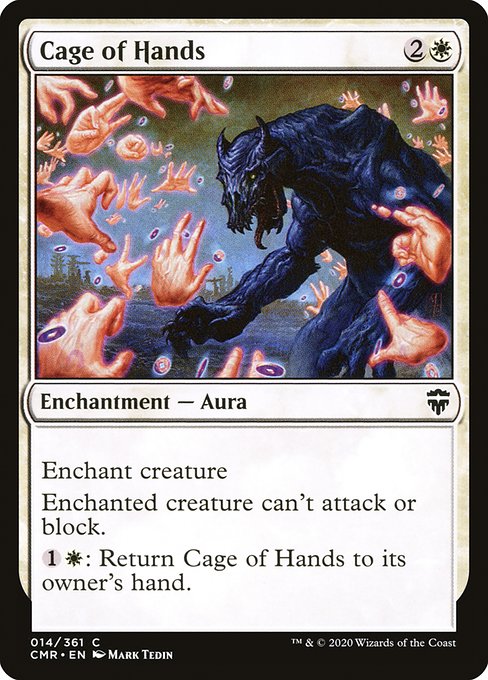
Cage of Hands
Gameplay Summary
The game featured four players each piloting unique Duskmourn Precon decks designed by Derek from the PDH Rules Committee.
The early game saw players establishing their board states with various creatures and enchantments.
Sawblade Skinripper's Aristocrat-style deck leveraged sacrificing creatures and enchantments to grow its commander and deal direct damage, creating significant removal pressure.
Gremlin Tamer’s deck focused on enchantment triggers to generate an army of Gremlin tokens, aiming to overwhelm opponents with sheer numbers.
Broodspinner utilized a graveyard synergy strategy to create flying insect tokens based on card types in the graveyard, slowly building a resilient board presence.
Oblivious Bookworm employed a morph and manifest strategy to maximize card draw while keeping creatures hidden and versatile, enabling surprise blocks and attacks. Midgame saw key interactions such as Sawblade Skinripper deploying enchantments like Hopeless Nightmare to disrupt opponents’ hands and using its activated ability to chip away at creatures and players.
Gremlin Tamer and Erratic Apparition synergized to increase board presence and threat size through enchantment triggers and vigilance boosts.
Broodspinner’s resurrection and token generation provided consistent board developments, while Oblivious Bookworm’s morphing mechanic allowed for tactical plays and card advantage.
The players navigated combat and board control carefully, with important blockers and removal shaping the flow.
The game’s tempo revolved around maximizing enchantment synergies, graveyard interactions, and incremental damage through commander abilities, setting up for a potential overwhelming board state or incremental commander damage finish.