


Deck & Commander Strategies

Witherbloom, the Balancer
A value and combo deck focused on life payment, token generation, and sacrifice synergies to gain incremental advantage and set up combo finishes.

Prismari, the Inspiration
A storm combo deck that leverages spell casting, mana acceleration, and card draw to build a critical mass of spells for a lethal storm finish.

Silverquill, the Disputant
An Orzhov control and tutor deck that uses disruption, counterspells, and efficient removal to control the board and assemble a combo or board dominance.

Gorma, the Gullet
A graveyard-centric deck that uses creatures with sacrifice outlets and card draw synergies to grind value and combo off through recursion and resource advantage.
Gameplay Insights
- 1
Casting tutors with floating mana can be punished heavily by opponents holding cards like Opposition Agent, highlighting the need for careful phase and mana management.
- 2
Using wheel effects like Wheel of Fortune replenishes the hand and can enable storm or combo decks to find critical pieces quickly.
- 3
Deploying early disruptive creatures such as Drannith Magistrate can slow down opponents' ability to cast their commanders and combo pieces.
- 4
Sacrifice and token generation synergies, as seen with Sedgemoor Witch and Witherbloom, provide incremental value and resilience in grindy cEDH games.
- 5
Necropotence, while risky in terms of life loss, serves as a powerful draw engine to dig for combo pieces or answers in resource-intensive decks.
Notable Cards
-
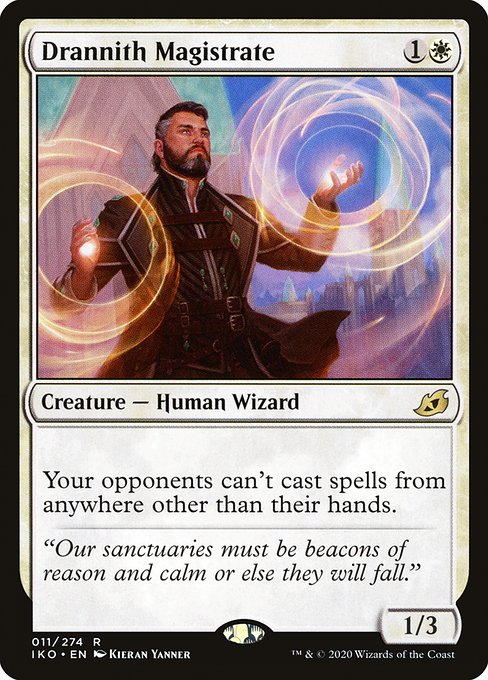
Drannith Magistrate
-
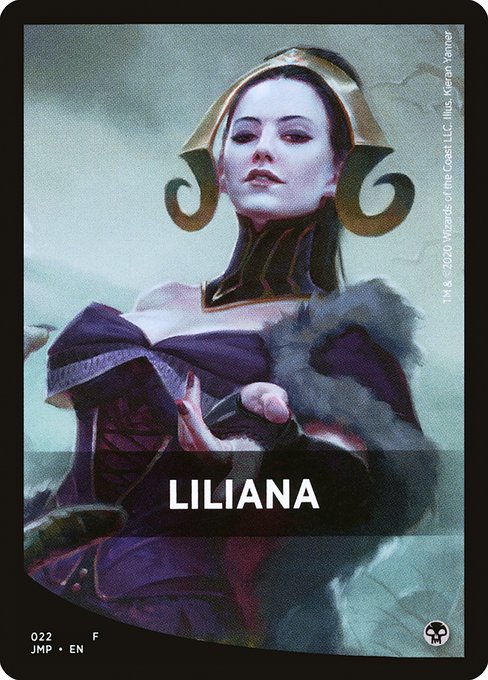
Liliana
-
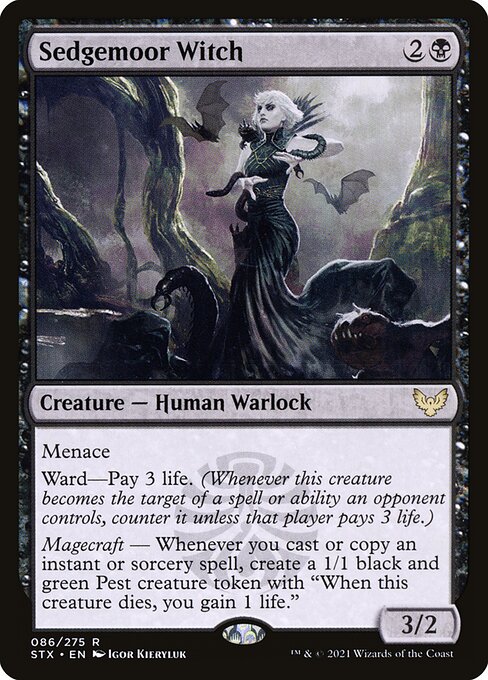
Sedgemoor Witch
-
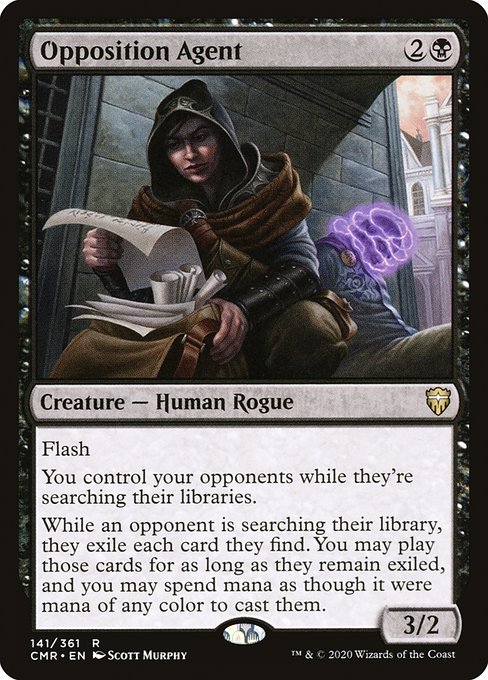
Opposition Agent
-
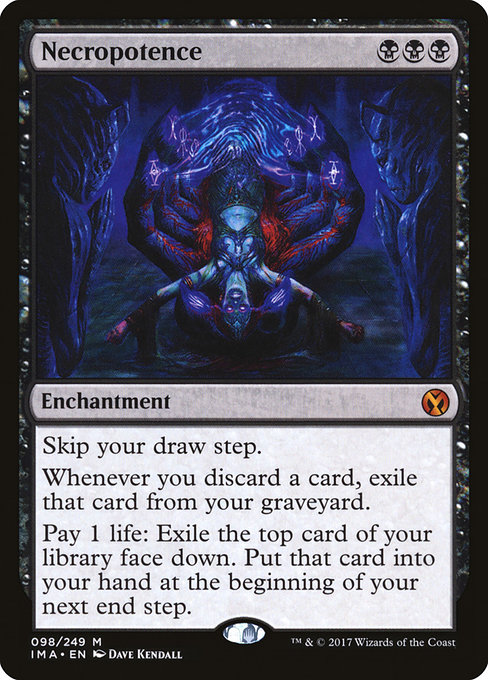
Necropotence
-

Greater Good
-
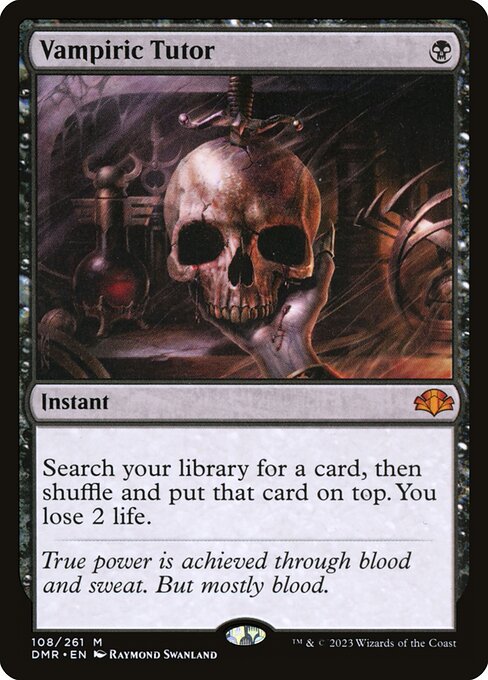
Vampiric Tutor
-
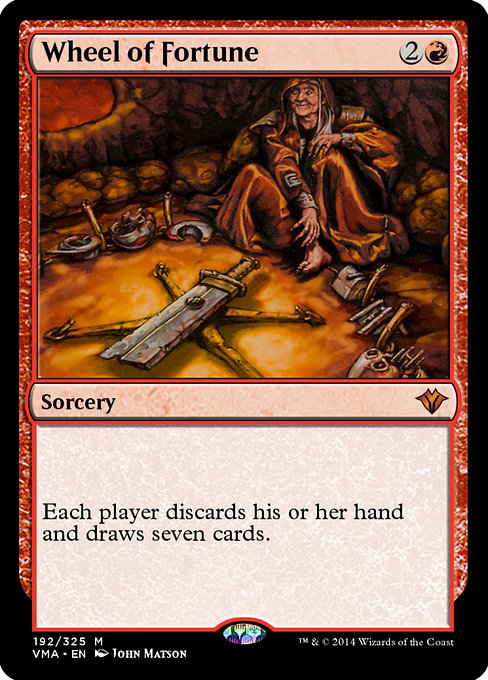
Wheel of Fortune
Gameplay Summary
The game featured four competitive Strixhaven-themed commanders: Witherbloom, Prismari, Silverquill, and Gorma, each piloted by experienced players.
Early turns involved standard mana development and minor board presence establishment, including plays like Drannith Magistrate and Liliana to disrupt opponents and generate value.
Witherbloom focused on incremental advantage through token generation and sacrifice with cards like Sedgemoor Witch, while Silverquill leveraged tutors and counterspell interaction to control the game state.
Prismari aimed at a storm-style combo approach, attempting to assemble a critical mass of spells and mana acceleration to win through storm combos.
Gorma looked to capitalize on graveyard synergies and efficient creatures, using cards like Greater Good and Umber Hulk Zealot to cycle and draw through the deck quickly. A pivotal moment occurred when Silverquill's attempt to tutor was countered by an Opposition Agent, punishing a floating mana misstep and shifting tempo.
This interaction highlighted the importance of timing and phase management in competitive play.
The game also featured key plays like casting Necropotence to dig deeper for answers and combo pieces, and the use of wheel effects to replenish hands.
The overall game unfolded with each player trying to disrupt others while advancing their own win conditions, showcasing typical cEDH dynamics of interaction, careful resource management, and combo execution.














![Getting Hangry With Gorma Gauntlet [cEDH Gauntlet] GORMA v JAWS v WAN SHI v ROG/THRAS thumbnail](https://i.ytimg.com/vi/m0NtO4-dsys/sddefault.jpg)

