

Deck & Commander Strategies

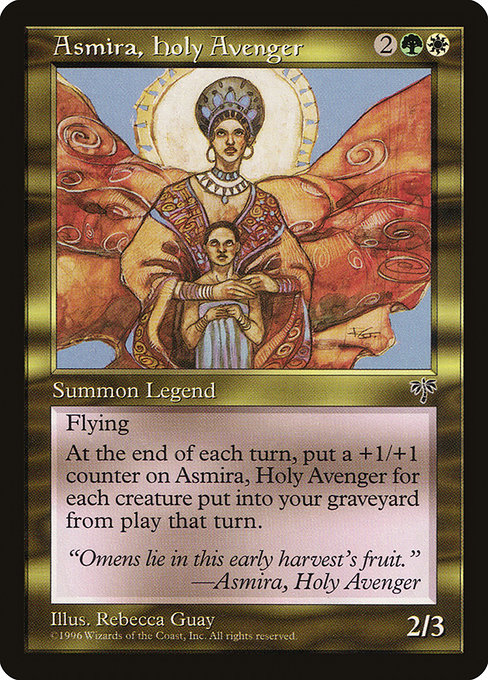
Asmira, Holy Avenger
Focuses on creatures with banding to manipulate combat by grouping attackers and blockers into single entities, growing stronger as creatures die to put +1/+1 counters on Asmira.

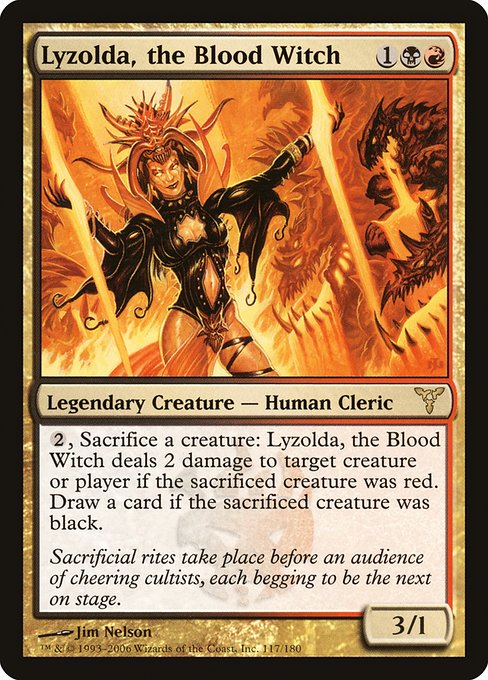
Lyzolda, the Blood Witch
Utilizes sacrificing creatures to ping opponents for damage while drawing cards, leveraging continuous creature sacrifice to maintain pressure and card advantage.

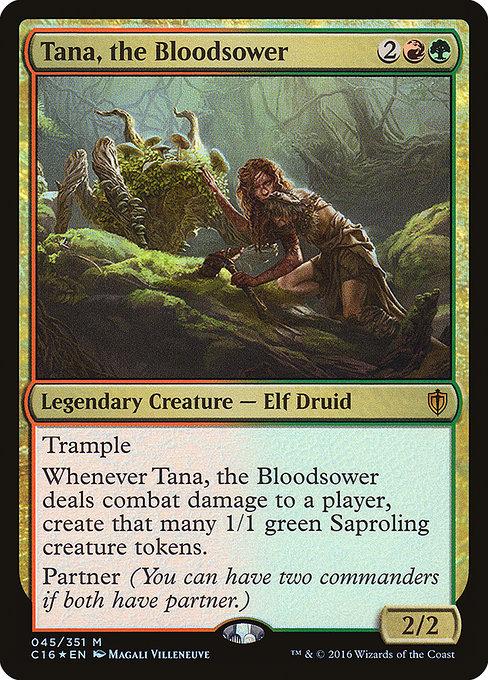
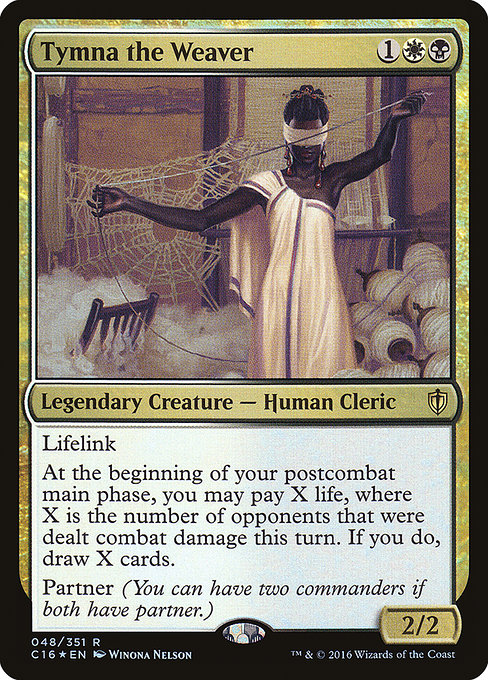
Tymna the Weaver & Tana the Bloodsower
Builds a board of creatures that generate tokens and uses combat damage to multiple opponents to draw cards and gain life, focusing on incremental resource gain and board presence.

Sonic the Hedgehog
Employs haste and flash creatures that gain +1/+1 counters when attacking, creating treasure tokens when damaged to ramp mana and maintain aggressive tempo.
Gameplay Insights
- 1
Asmira's banding mechanic allowed complex blocking assignments, effectively combining multiple creatures into a single combat unit to control damage distribution.
- 2
Sonic's synergy between haste creatures and treasure token generation created a powerful mana economy that accelerated his aggressive strategy.
- 3
Lyzolda's repeated sacrifices provided steady incremental damage and card draw, forcing opponents to be cautious about board development.
- 4
The interaction between Generous Plunderer and treasure tokens added a unique layer of resource sharing and damage potential across players.
- 5
Tymna's ability to draw cards based on damage dealt to opponents incentivized multi-player attacks, promoting an aggressive but careful combat approach.
Notable Cards
-
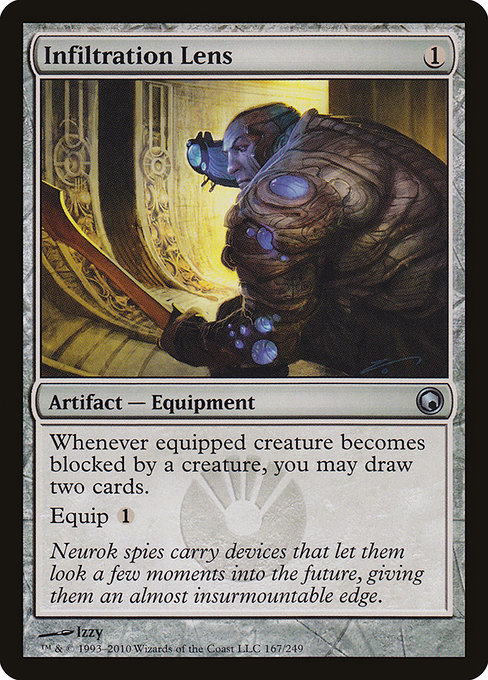
Infiltration Lens
-
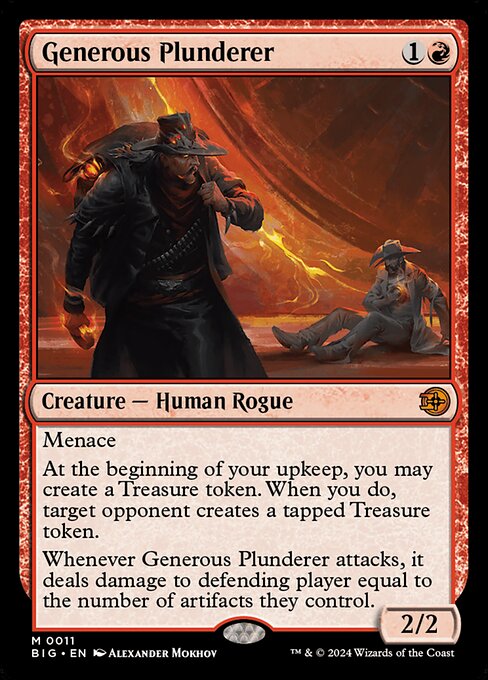
Generous Plunderer
-
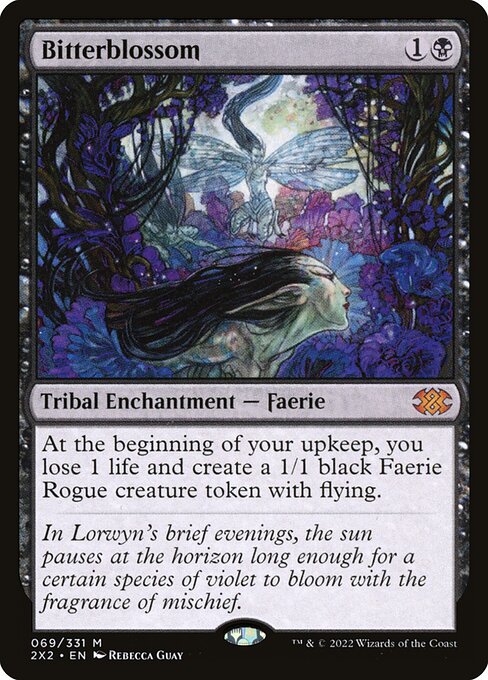
Bitterblossom
-
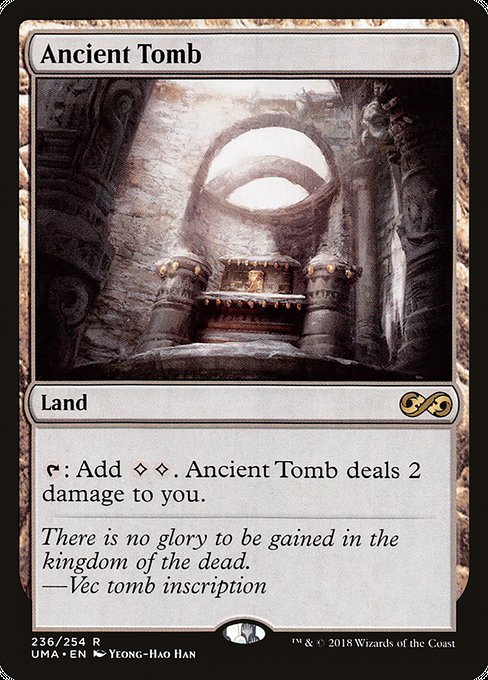
Ancient Tomb
-

Talisman of Hierarchy
Gameplay Summary
The game featured four distinct Commander decks representing different eras of Magic: The Gathering, showcasing varying power levels and strategies.
Early turns saw a focus on ramping mana and developing board presence, with Asmira, Holy Avenger leveraging banding creatures to create complicated blocks and chip away at opponents.
Lyzolda, the Blood Witch capitalized on sacrificing creatures to ping opponents and draw cards, steadily applying pressure.
Tymna the Weaver and Tana the Bloodsower aimed to build a wide board and draw cards through combat damage, utilizing equipment like Infiltration Lens to gain card advantage.
Sonic the Hedgehog's deck brought a unique flavor with haste and flash creatures, generating treasure tokens when damaged to fuel explosive plays. Key turning points involved aggressive combat phases where Asmira's banding mechanics and Sonic's haste synergies pressured opponents effectively.
Lyzolda's sacrifice and ping abilities kept the table wary of overextending, while Tymna's drawing engine rewarded multi-opponent damage to replenish resources.
The interplay of treasure tokens from Sonic and Generous Plunderer introduced a dynamic economy, influencing attack decisions and damage distribution.
The game highlighted how older mechanics like banding can still impact gameplay while modern designs focus on synergy and resource generation.
The evolving board states and strategic combat engagements ultimately demonstrated a diverse range of win conditions centering on incremental advantage, board control, and aggressive tempo.


![Commander VS S14E2: Krond VS Ertai VS Sydri VS Asmira [EDH] thumbnail](https://i.ytimg.com/vi/yipZBdl4MmE/sddefault.jpg)