Deck & Commander Strategies
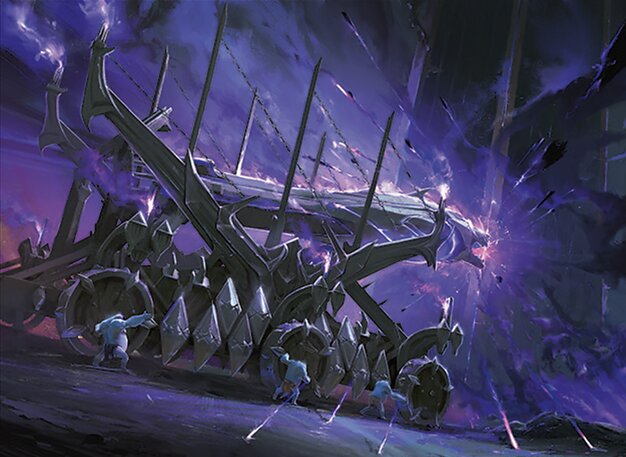
Grond, the Gatebreaker
Focuses on building an army of creatures to crew Grond and leverage its trample damage to break down opponents' defenses, aiming for a powerful, aggressive board presence.
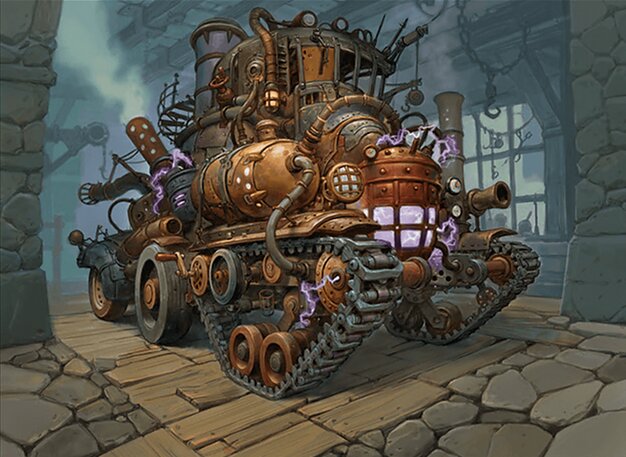
Bespoke Battlewagon
Utilizes energy generation and management to draw cards and control creatures, aiming to maintain card advantage and board control with efficient artifact interactions.
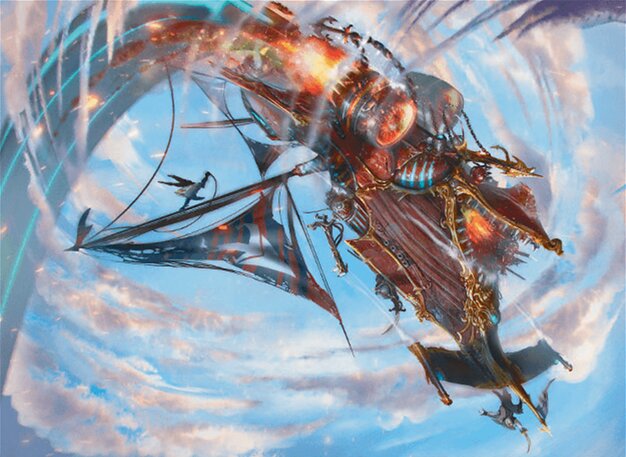
Boosted Sloop
Relies on attacking with the commander to draw and discard cards, fueling a cycle of card selection and resource optimization to outlast opponents.
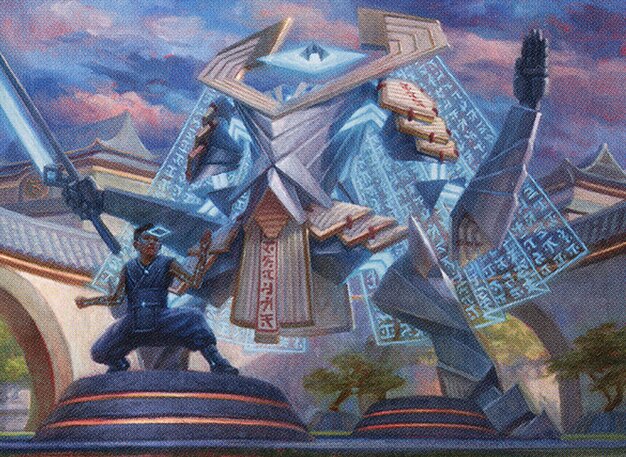
Prodigy's Prototype
Builds a wide board of pilot tokens that can crew vehicles, focusing on creating numerous attackers and leveraging synergy with Azorius vehicles to dominate the battlefield.
Gameplay Insights
- 1
The Planechase mechanic added unpredictable but impactful global effects, such as artifact cost reduction and mass token creation, which players adapted to by accelerating their vehicle deployment and attacks.
- 2
Early chaos ensues triggers created large numbers of tokens and granted temporary combat keywords, enabling aggressive board swings and forcing players to respond quickly.
- 3
Energy generation from Bespoke Battlewagon was leveraged to tap opposing creatures and draw cards, providing crucial tempo and card advantage.
- 4
Prodigy's Prototype's ability to generate pilot tokens synergized well with the artifact and vehicle theme, enabling a wide board and multiple attackers.
- 5
Players prioritized crewing their vehicles efficiently to capitalize on the commanders' powerful combat stats and abilities, shifting the board state rapidly.
- 6
Strategic planning had to accommodate the shifting planes and their effects, balancing risk-taking with board development under chaotic conditions.
Notable Cards
-
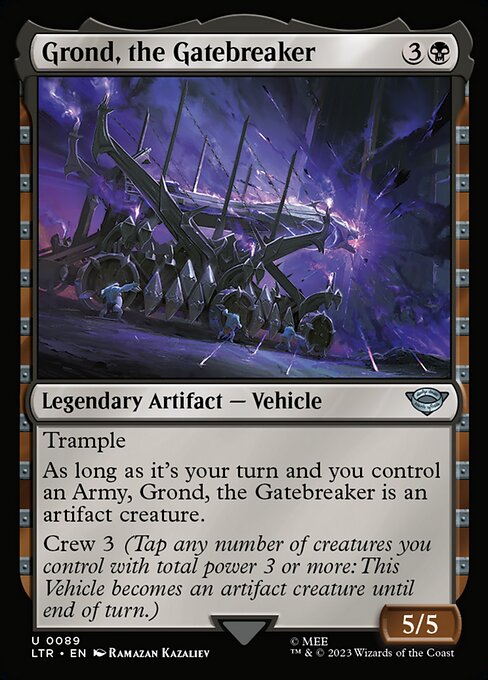
Grond, the Gatebreaker
-
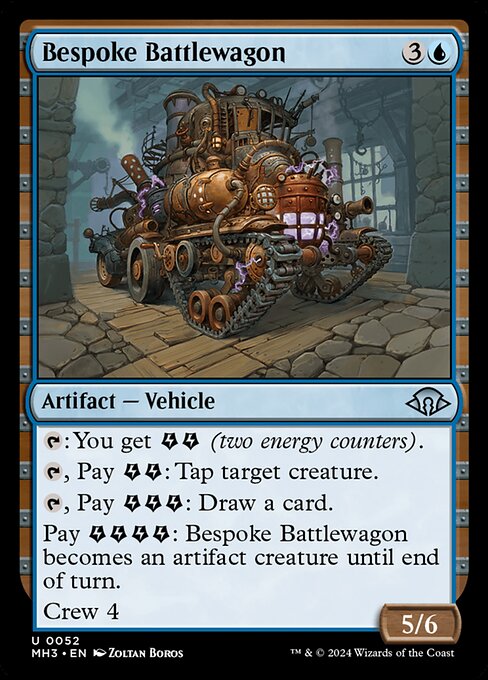
Bespoke Battlewagon
-
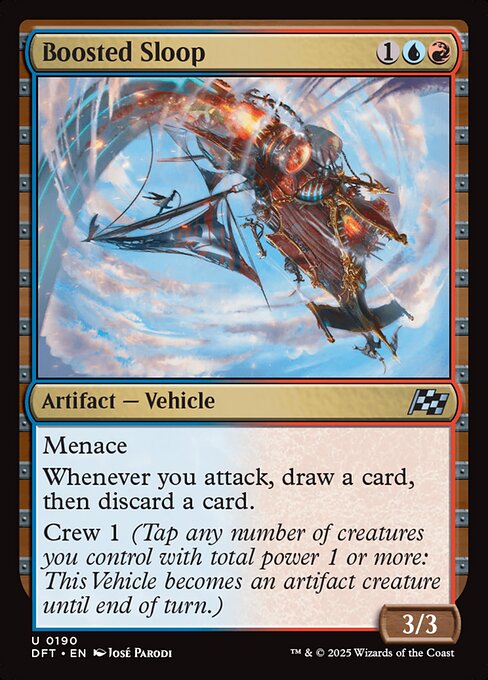
Boosted Sloop
-
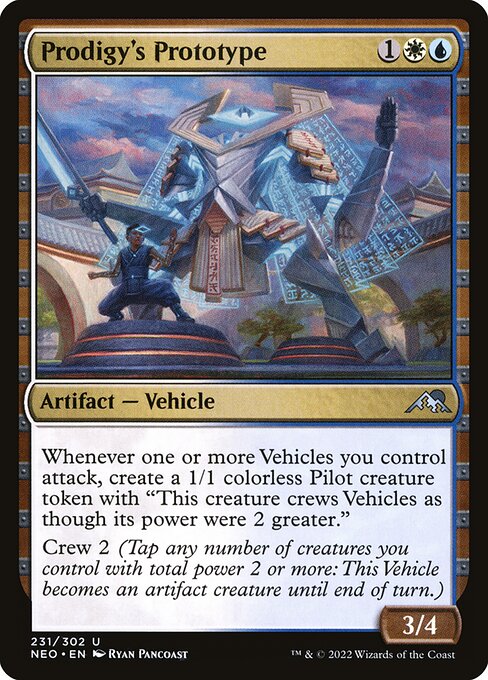
Prodigy's Prototype
Gameplay Summary
The game featured a unique and dynamic setup with four players piloting vehicles as commanders, each bringing a different strategy to the table.
The added twist of Planechase introduced chaotic and game-altering effects on each turn, significantly influencing player decisions and board state.
Early in the game, multiple plane cards triggered chaos ensues effects, generating tokens, reducing artifact costs, and providing temporary buffs, which accelerated the pace and complexity of the game.
Players focused on leveraging their vehicle commanders' abilities—drawing cards, creating tokens, and controlling the battlefield with artifacts and creatures.
Notably, the synergy between artifact cost reduction and token creation fueled aggressive board development and resource management.
The game’s momentum hinged on the ability to navigate these chaotic effects while maximizing each vehicle’s unique mechanics, with players attempting to outpace each other through card advantage and board presence.
The winner likely emerged from exploiting these synergies and timing their attacks effectively amid the shifting planes and ongoing chaos.